Origins and Founding Vision
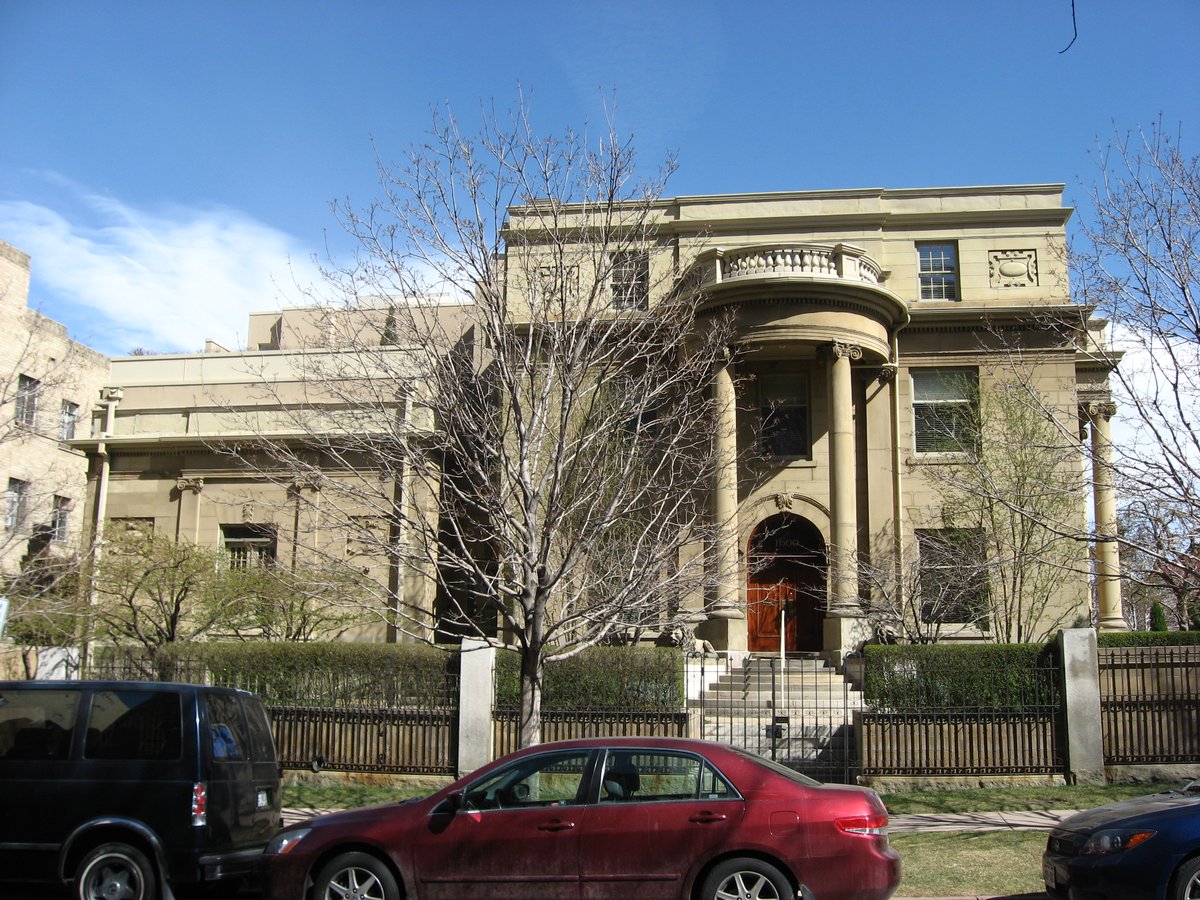
David Halliday Moffat, a pioneering Denver financier, envisioned a direct rail link from Denver to Salt Lake City. In 1902, he launched the Denver, Northwestern & Pacific Railroad (DN&P) to fulfill this vision (Denver Post). Moffat Station, constructed in 1906 for $17,000, served as the DN&P’s Denver terminus. Its strategic location, just west of the railroad underpass near 15th Street, anchored Denver’s westward expansion (Historic Structures).
Architectural Highlights
Designed by Edwin Moorman, Moffat Station exemplifies the Georgian Revival style, rare among Denver’s early 20th-century railroad buildings (Historic Structures). Features include symmetrical brick facades, oversized arches, two-story windows, and decorative roof pommels. The structure’s 50-by-130-foot layout with an 80-foot freight house embodies the ambition and pride of its era.
Role in Denver’s Regional Development
Moffat Station emerged as a vital hub at a time when Denver’s Union Station was controlled by rival railroads. As the DN&P’s terminus, Moffat Station enabled Denver’s connection to northwestern Colorado, fostering regional settlement, mining, and commerce (Denver Post). The line was renowned for excursions like “from summer’s glow to winter’s snow in 3½ hours,” attracting tourists and locals alike.
Visiting Moffat Station: Hours, Tickets & Accessibility
- Visiting Hours Moffat Station’s exterior is viewable daily during daylight hours. The building’s interior, now part of Balfour at Riverfront Park, may be accessible to residents or during special events (typically 9:00 AM–6:00 PM). Confirm access and event schedules in advance.
- Tickets There is no fee for exterior viewing. Guided tours or event access may require tickets—check with local tourism or Balfour community resources.
- Accessibility The station’s surroundings are wheelchair accessible, with nearby parking and paved paths.
- Getting There Located near 15th Street, west of downtown Denver, Moffat Station is easily reached by car, RTD transit, bike, or on foot.
Nearby Attractions and Travel Tips
Combine your visit with Denver’s other historical landmarks:
- Union Station Denver’s main rail hub, offering restaurants, shops, and Amtrak/RTD services.
- Denver Art Museum and 16th Street Mall: Both are within walking distance.
- Riverfront Park Adjacent green space perfect for relaxation and photography.
For best photos, visit during golden hour to capture the station’s architectural details.
Notable Events and Transformations
Financial Challenges and Legacy
David Moffat invested heavily in the DN&P, but operational costs and the harsh Rollins Pass route strained finances. After Moffat’s death in 1911, the line was reorganized as the Denver & Salt Lake Railway. The completion of the Moffat Tunnel in 1928 finally secured a reliable year-round link through the mountains (Denver Post).
Decline and Adaptive Reuse
Passenger operations ceased in 1947 when the Denver & Rio Grande Western Railroad acquired the line. After decades of neglect, a $1 million restoration repurposed Moffat Station as part of the Balfour senior living community, with interiors restored to their early 20th-century appearance (Bray Whaler International).
Cultural and Historical Legacy
Moffat Station, alongside Union Station, is one of Denver’s last remaining historic train stations. Its architecture and story are closely tied to the city’s growth and the broader history of railroads in Colorado (Historic Structures; History Colorado).
Frequently Asked Questions (FAQs)
Q: What are the visiting hours?
A: Exterior viewing is available daily during daylight; interior access is limited—confirm in advance.
Q: Is there a fee?
A: No fee for exterior viewing; tours/events may require tickets.
Q: Is the station wheelchair accessible?
A: Yes, the area around the station is accessible.
Q: Are guided tours available?
A: Occasionally, via local historical societies or the Balfour community.
Moffat Tunnel: Engineering Feat and Urban Impact
The 6.2-mile Moffat Tunnel, completed in 1928, pierced the Continental Divide, linking Denver to the Western Slope and facilitating both freight and passenger transport (Colorado Newsline). This project transformed Denver’s commercial prospects and remains crucial for rail operations. In 2025, a new 25-year lease between Colorado and Union Pacific secured continued access for freight and upcoming Mountain Passenger Rail services (CPR News).
Cultural and Economic Impact
- Historic and Cultural Significance The station and tunnel are symbols of Denver’s transformation and are celebrated through events and educational programming (Colorado Governor’s Office).
- Tourism Denver welcomed over 37 million visitors in 2024, with rail heritage sites playing a key role in the city's $10.3 billion tourism economy (Visit Denver).
- Regional Connectivity The tunnel enhances connections to Winter Park, Steamboat Springs, and beyond, supporting both metropolitan and rural economies (Steamboat Radio).
- Economic Diversification As rail corridors transition from industrial to service economies, the tunnel area supports new business growth, tourism, and cultural exchange (CSU REDI).
Visitor Information and Practical Tips
- Hours Exterior viewing all daylight hours; interior access by event or arrangement.
- Tickets Typically not required for exterior viewing; check for tour/event tickets.
- Accessibility Wheelchair accessible paths and nearby parking.
- How to Get There Use RTD light rail, bus, bike, or car—station is near downtown Denver (Denver RTD).
- Nearby Sites Union Station, Denver Art Museum, Riverfront Park, and the 16th Street Mall.
- Events and Tours Check with History Colorado and other local organizations for special events and guided tours.
Summary and Final Tips
Moffat Station is a cornerstone of Denver’s rail history and urban identity. Though no longer an active terminal, its Georgian Revival architecture and connection to the pioneering Moffat Tunnel make it a compelling destination for visitors. Recent developments—such as the 2025 rail lease—may bring renewed vitality and integration with Denver’s transit network (CPR News; Denver.org). Enhance your visit by exploring nearby landmarks, attending a guided tour, or using the Audiala app for up-to-date information and interactive experiences.