Historical Background
Origins and Development
Jewish life in Cincinnati traces its roots to the early 1800s, with the arrival of Joseph Jonas in 1817. The Chestnut Street Cemetery, established in 1821, became the city’s first Jewish burial ground (Wikipedia). As the community expanded, additional cemeteries were created, including Walnut Hills, Montgomery, and Price Hill, to serve the needs of various congregations and denominations.
The United Jewish Cemetery, established in 1862 by members of the Bene Israel and B’nai Jeshurum congregations, became the focal point for the Reform Jewish community (JCGC PDF). Over time, the JCGC was formed to unify the stewardship of Cincinnati’s Jewish cemeteries, ensuring their ongoing preservation and accessibility (American Israelite).
Visiting Hours, Admission, and Accessibility
Visiting Hours
- General Hours Most cemeteries are open daily from 8:00 AM to 5:00 or 6:00 PM. Hours may vary seasonally, and certain historic sites (such as Chestnut Street Cemetery) require advance appointments (JCGC website).
Admission and Ticketing
- Admission There is no entrance fee and no tickets are required for general visits.
- Special Tours/Events Guided tours or special educational events may require advance registration or a nominal fee.
Accessibility
- Wheelchair Access Many cemeteries feature paved paths and ramps. Some older sections may have uneven terrain or grassy paths; visitors with mobility challenges are encouraged to call ahead for accommodations.
- Parking Free parking is available on-site at major locations. Street parking is available at Price Hill and other smaller sites.
- Public Transportation Cincinnati Metro bus routes serve most neighborhoods with Jewish cemeteries, though some locations may require a short walk.
Contact Information
- Website Jewish Cemeteries of Greater Cincinnati
- Phone (513) 531-3550
- Email [email protected]
Architectural and Cultural Highlights
The cemeteries feature a striking array of gravestone designs, from modest upright stones with Hebrew and English inscriptions to elaborate family monuments. Notable highlights include:
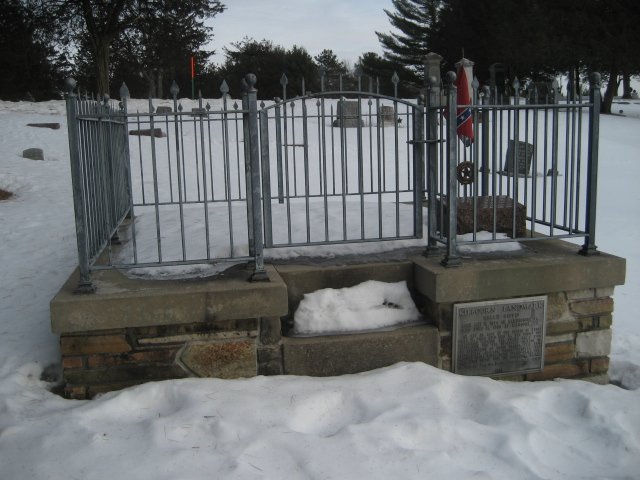
- Jewish Civil War Memorial An obelisk completed in 1868, honoring Jewish soldiers from the Civil War through World War II (Sam Gruber’s Jewish Art & Monuments).
- Holocaust Memorials Dedicated sections and stones memorialize victims and survivors of the Holocaust.
- Landscape Architecture The Walnut Hills Cemetery, designed by Adolph Strauch, features mature trees, winding paths, and a tranquil atmosphere reminiscent of Cincinnati’s renowned Spring Grove Cemetery (American Israelite).
Travel Tips and Nearby Attractions
- Best Time to Visit Spring and fall offer comfortable weather and beautiful foliage (Only By Land).
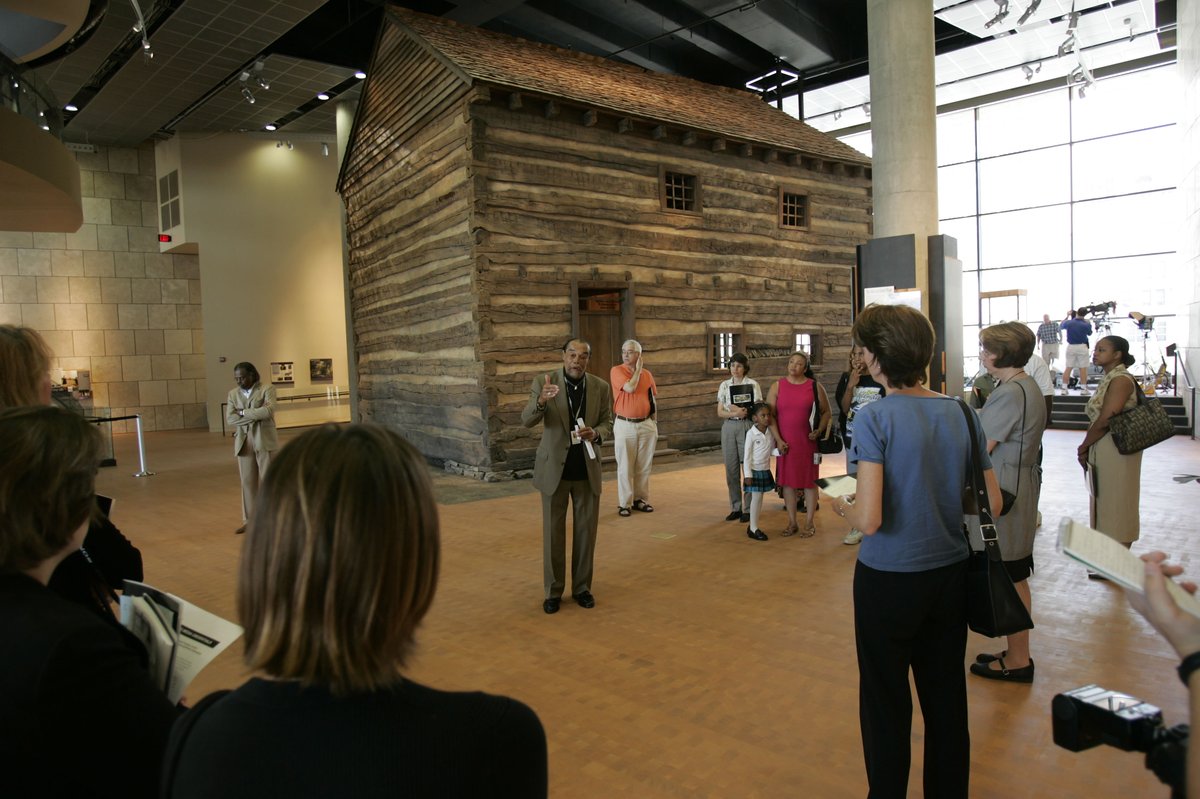
- Combine Visits Consider exploring other Jewish heritage sites nearby, such as Plum Street Temple, Hebrew Union College, and the National Underground Railroad Freedom Center (The Complete Pilgrim).
- Footwear Wear comfortable shoes, as some paths are grassy or uneven.
- Plan Ahead Check the JCGC website for updates on hours, events, or scheduled maintenance.
Notable Burials and Monuments
Among the thousands interred in the United Jewish Cemeteries, several individuals and monuments stand out:
- Rabbi Isaac Mayer Wise Founder of Hebrew Union College and a central figure in American Reform Judaism (JCGC PDF).
- David Urbansky Civil War Medal of Honor recipient.
- Rabbi Bernard Illowy Eminent Talmudist and community leader.
- Eliezer Silver Noted for efforts to rescue Jewish refugees during the Holocaust.
- Jewish Civil War Memorial A unique monument honoring Jewish military service (Wikipedia).
Community Challenges and Preservation Efforts
In June and July 2024, over 175 gravestones were vandalized at the Covedale cemetery complex, prompting investigations by the FBI and community-led restoration efforts (CNN). The Jewish Cemeteries of Greater Cincinnati has since launched a monument repair fund and continues to lead preservation and educational initiatives (JCGC).
Visitor Etiquette and Cultural Customs
Jewish cemeteries are considered sacred. Visitors should:
- Dress modestly; men may wear a kippah (head covering), though this is not required for non-Jews (Chabad.org).
- Maintain quiet, respectful behavior; avoid loud conversation, eating, or recreational activities.
- Do not sit or lean on gravestones.
- Refrain from bringing flowers; instead, place a small stone on the headstone as a traditional sign of respect (Meadow Memorials).
- Photography is permitted for personal use but should be discreet, especially if mourners are present.
Frequently Asked Questions
Q: What are the United Jewish Cemetery visiting hours?
A: Most cemeteries are open from 8:00 AM to 5:00 or 6:00 PM daily. Check the JCGC website for site-specific updates.
Q: Is there an admission fee or need for tickets?
A: Admission is free. No tickets are required for general visits.
Q: Are guided tours available?
A: Yes, guided tours can be arranged in advance by contacting JCGC.
Q: Is the cemetery wheelchair accessible?
A: Many sections are accessible; some older areas may be difficult to navigate. Contact JCGC for assistance.
Q: What should I bring or prepare for my visit?
A: Comfortable shoes, weather-appropriate clothing, and a small stone for graveside remembrance.
Planning Your Visit: Practical Information
- Location Cemeteries are located throughout Cincinnati, with major sites in Walnut Hills, Montgomery, and Price Hill neighborhoods.
- Main Office Address 3400 Montgomery Road, Cincinnati, OH 45027
- Phone 513-961-0178
- Burial Database Searchable online tool available through the JCGC website (Jewish Cemeteries of Greater Cincinnati).
- Accessibility and Parking Most sites offer free parking and paved pathways; some have limited wheelchair access.
Summary and Final Tips
The United Jewish Cemeteries of Cincinnati are vital monuments to the city’s Jewish heritage, offering a unique blend of history, architecture, and community spirit. Open and accessible to the public, these cemeteries invite visitors to reflect, learn, and connect with the past. Despite modern challenges, strong community stewardship ensures their preservation for generations to come.
For a meaningful visit:
- Visit during daylight hours and favorable weather.
- Respect all posted etiquette and traditions.
- Explore nearby heritage sites for a deeper understanding of Cincinnati’s Jewish and American history.
- Use the JCGC website and the Audiala mobile app for guided tours and planning resources.