Founding and Early Development (1847–1850)
The roots of the Saint Paul Church Historic District lie in Cincinnati’s mid-19th-century German Catholic community. Overcrowding at St. Mary’s Church led Vicar-General Joseph Ferneding to establish a new parish in 1847–1848 (Catholic Archdiocese of Cincinnati). Land at Twelfth and Spring Streets was purchased, and construction began in 1848, financed through creative community efforts. By 1850, the church was completed and dedicated, featuring an imposing brick structure with a tin-covered gabled roof, Bavarian stained glass, and Italian mosaic floors (Wikipedia; ArtWorks Cincinnati).
Expansion and Parish Life (1850–1900)
St. Paul’s quickly became a central hub for German Catholics, expanding to include a parish school, convent, and additional school buildings. By the 1890s, the parish served over a thousand families, hosting sacraments and community events central to immigrant life (Digging Cincinnati). After a fire destroyed the original steeple in 1899, Samuel Hannaford designed the church’s distinctive golden dome, cementing its status as a neighborhood landmark (ArtWorks Cincinnati).
Twentieth Century Changes and Decline (1900–1974)
Urban development and shifting demographics gradually reduced parish numbers through the 20th century. In 1974, after over 120 years of service, the church was deconsecrated and closed. That same year, it was added to the National Register of Historic Places, ensuring recognition of its historical and architectural value (Ohio History Connection; Wikipedia).
Preservation and Modern Era (1974–Present)
The Verdin Company purchased and restored the complex in the 1980s, converting the church into corporate headquarters and a bell and clock museum. The church and surrounding buildings now serve as event venues, galleries, and community spaces, maintaining their heritage while supporting Cincinnati’s cultural scene (ArtWorks Cincinnati; Wikipedia).
Architectural and Cultural Significance
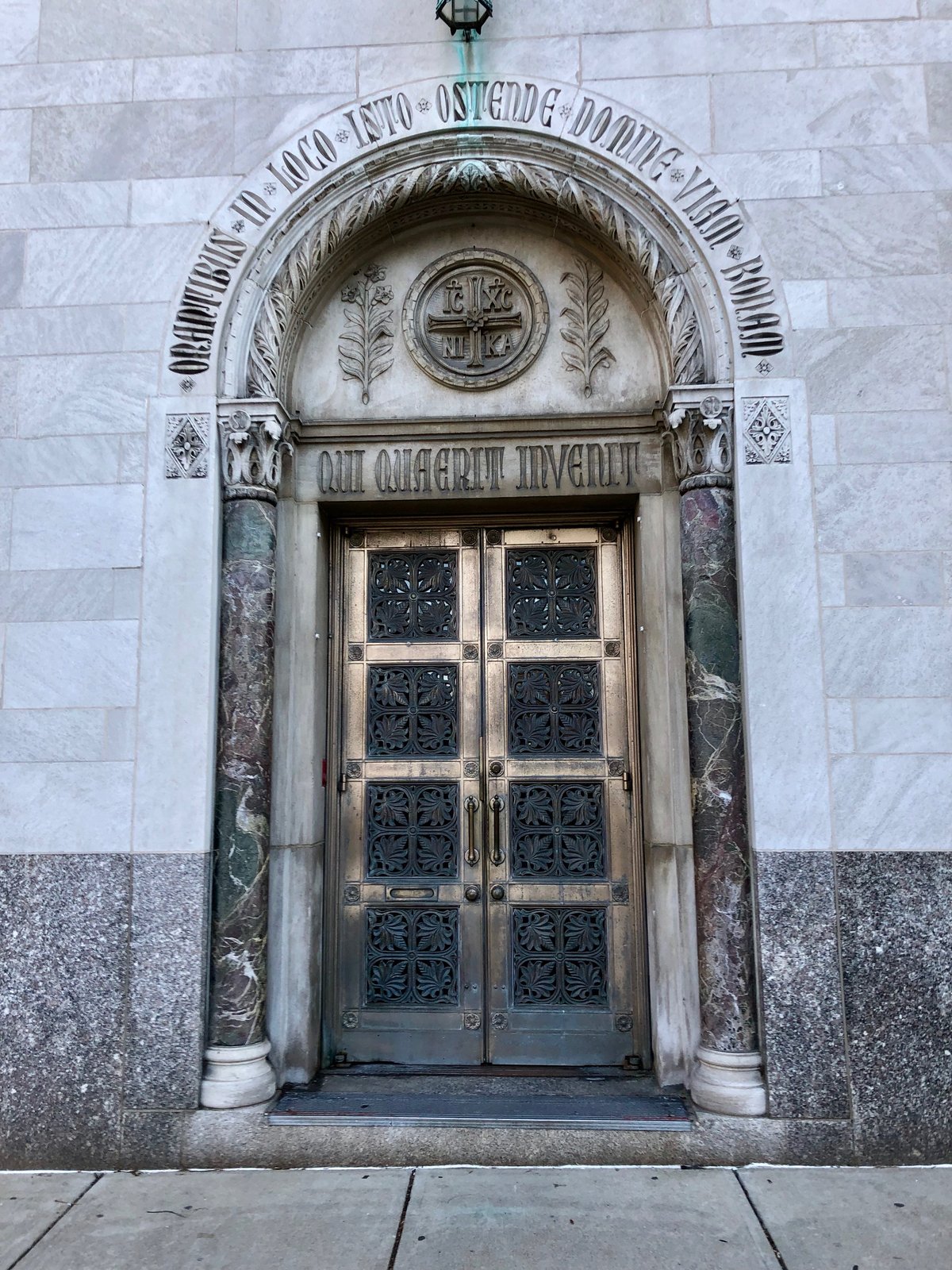
The Saint Paul Church Historic District exemplifies 19th-century German Catholic architecture, with Gothic Revival elements such as pointed arches, ribbed vaults, and ornate stained glass. The district’s significance extends to its role as a community anchor—providing education, social services, and a sense of belonging for generations of German immigrants (ArtWorks Cincinnati). Its preservation demonstrates the city’s commitment to honoring diverse cultural legacies (Cincinnati Preservation Association).
Visitor Information
Visiting Hours
- General Hours Monday–Friday, 9:00 AM–5:00 PM
- Weekends By appointment or during special events
- Note The church is primarily an event venue; check the official site or contact ahead for up-to-date hours and closures.
Tickets and Admission
- District & Exterior Free public access
- Guided Tours & Museum May require advance booking and a nominal fee
- Special Events Tickets available via the official website or event platforms
Guided Tours and Accessibility
- Tours Book in advance for in-depth historical and architectural insights
- Accessibility Most buildings are wheelchair accessible; ramps and elevators are available as needed
Travel Tips
- Getting There Located at Twelfth and Spring Streets in Pendleton, easily reached by public transit or car
- Parking Street parking is available nearby; consider public transport during busy times
- Best Seasons Spring and fall offer the most pleasant weather and seasonal events
- What to Bring Comfortable shoes for uneven sidewalks and a camera for photography
Nearby Attractions
- Over-the-Rhine Historic District Noted for its preserved 19th-century streetscapes and vibrant culture
- Findlay Market Cincinnati’s oldest public market, offering local foods and artisanal products
- Cincinnati Art Museum, Eden Park, and Music Hall All within a short walk or drive (Visit Cincy; Town & Tourist)
Visual Experience
Visitors can enjoy high-quality images and virtual tours via local heritage platforms and the church’s website. Key visual highlights include the golden dome, stained glass, and original woodwork. For those unable to visit in person, virtual resources and interactive maps offer remote exploration opportunities.
Frequently Asked Questions (FAQ)
Q: What are the Saint Paul Church Historic District visiting hours?
A: Monday–Friday, 9:00 AM–5:00 PM; weekends by appointment or during events.
Q: Is admission free?
A: Exterior access is free; guided tours and museum may require a ticket.
Q: Are guided tours available?
A: Yes, by advance booking.
Q: Is the district accessible for visitors with disabilities?
A: Most areas are wheelchair accessible, with ramps and paved pathways.
Q: Where can I park?
A: Street parking nearby; public transportation is recommended during peak times.
Q: Are there nearby attractions?
A: Yes—Findlay Market, Over-the-Rhine, Cincinnati Art Museum, and more.