

Origins and Construction
Riverfront Stadium was conceived in the 1960s as Cincinnati sought to rejuvenate its declining riverfront and provide modern facilities for both Major League Baseball’s Cincinnati Reds and the NFL’s Cincinnati Bengals (Historic Baseball). The stadium’s location along the Ohio River was chosen to anchor a new entertainment district, replacing aging Crosley Field and older industrial structures.
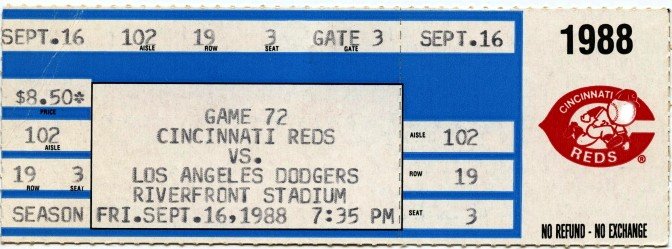
Construction began in 1968, and the stadium opened on July 16, 1970, with a seating capacity of over 52,000 for baseball and 60,000 for football. The architectural design, led by Heery & Heery and Finch, Alexander, Barnes, Rothschild and Paschal, reflected the era’s trend of multipurpose, circular "cookie-cutter" stadiums (Ballparks of Baseball). The field was surfaced with AstroTurf, a hallmark of 1970s stadium innovation.
Multipurpose Design and Architectural Features
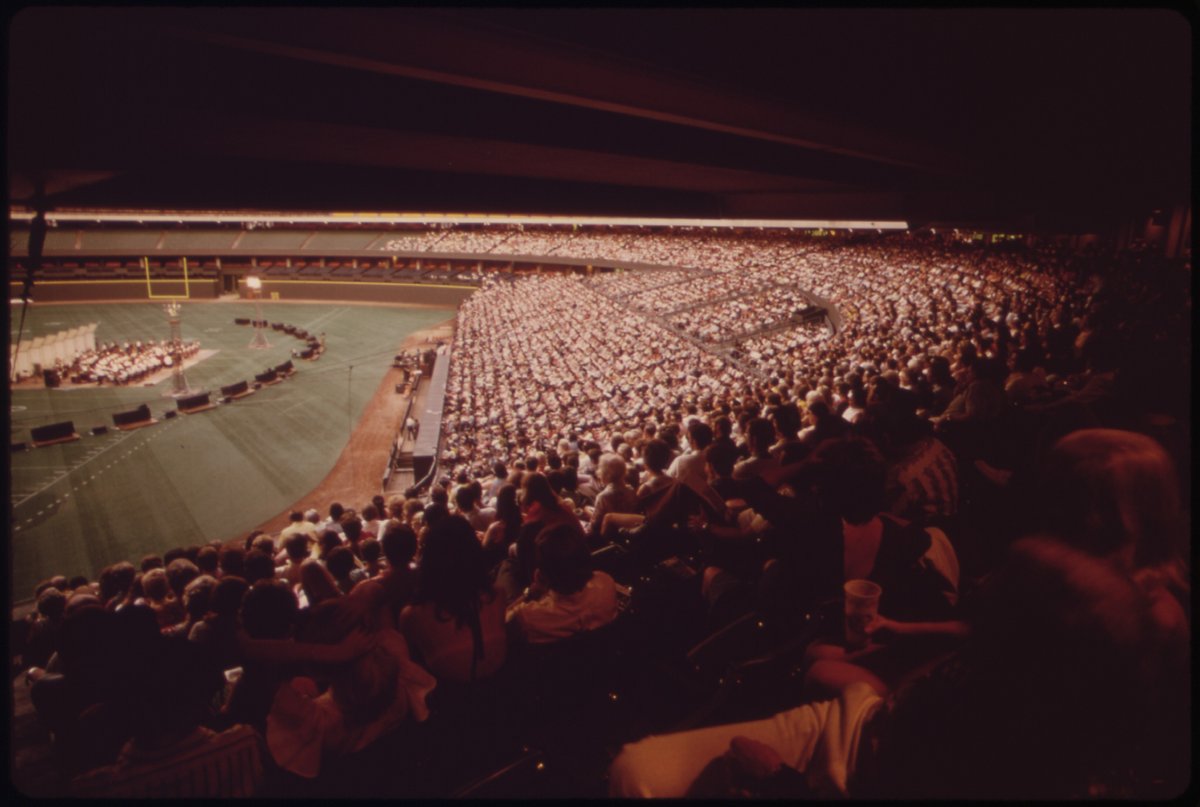
Riverfront Stadium’s circular design allowed rapid conversion between baseball and football configurations. Movable seating sections—particularly behind home plate—could rotate to accommodate different field layouts (Wikipedia). The stadium was also notable for its riverfront location, accessibility, and proximity to the John A. Roebling Suspension Bridge and downtown Cincinnati.
The site holds a place in local lore as the childhood home of Roy Rogers, who joked he was “born somewhere between second base and center field” (Northeast News).
The Big Red Machine Era
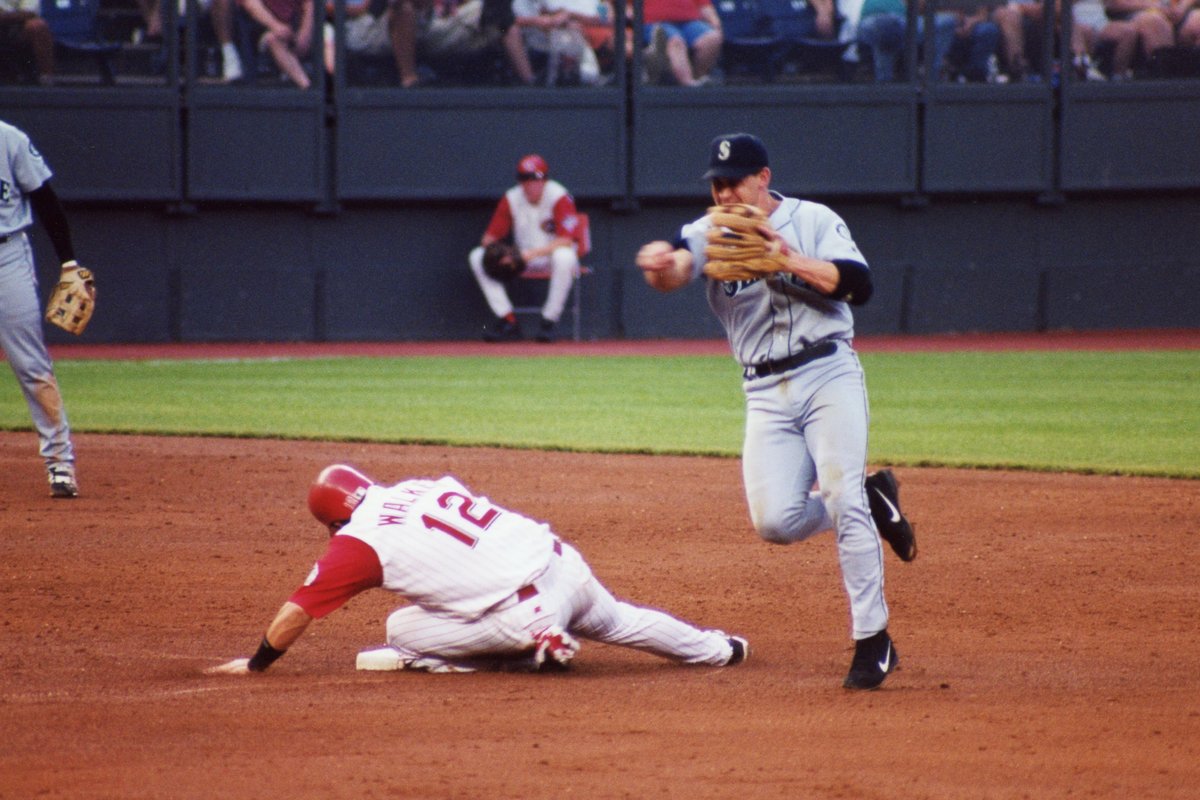
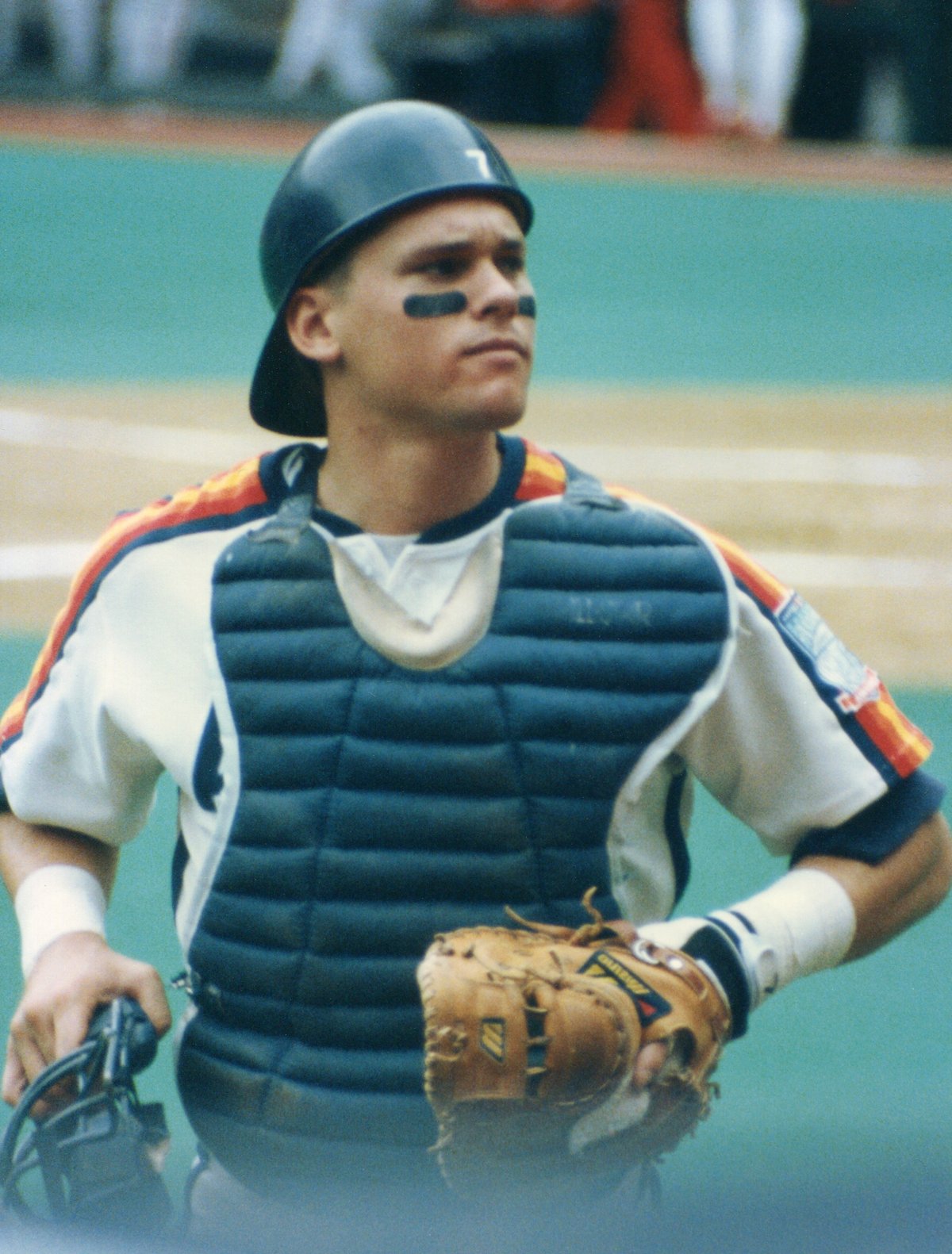
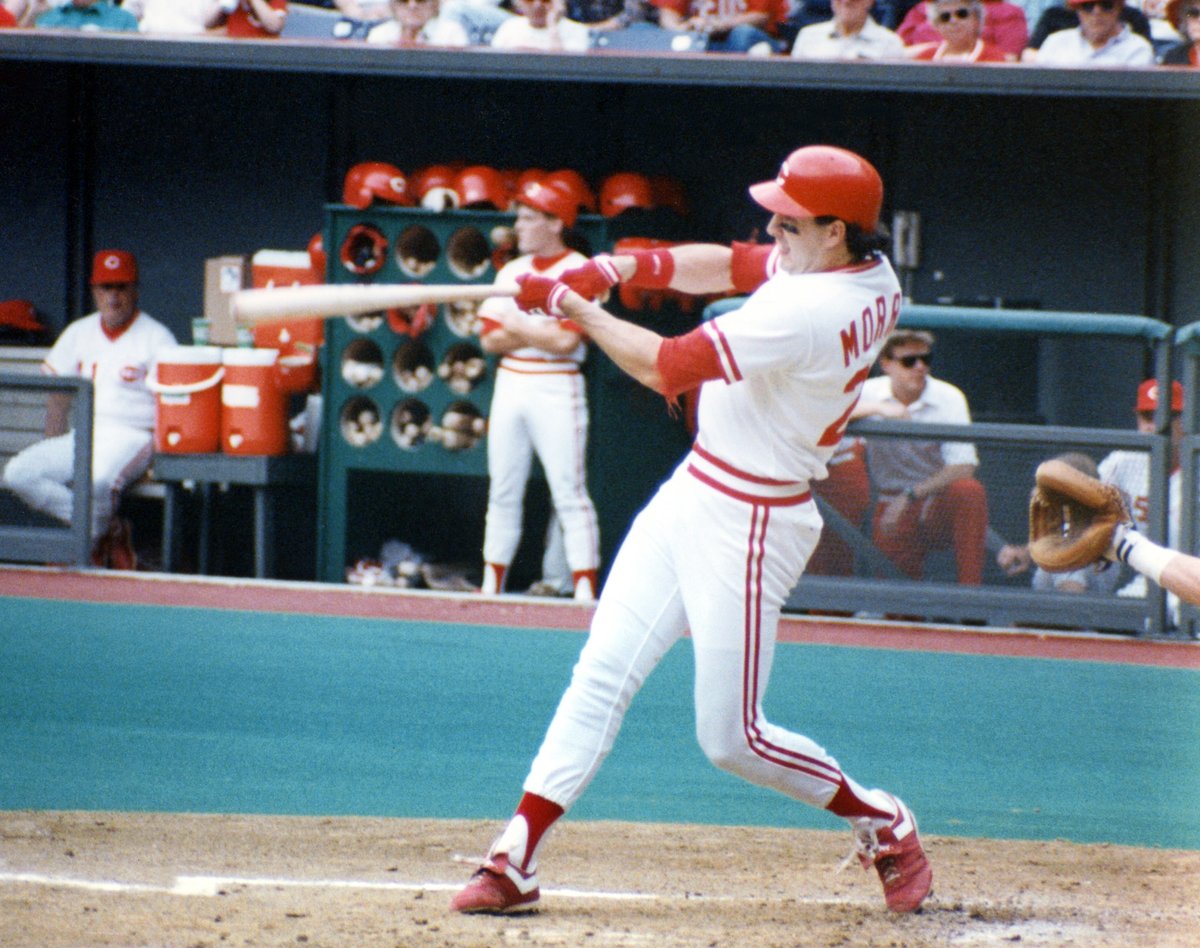
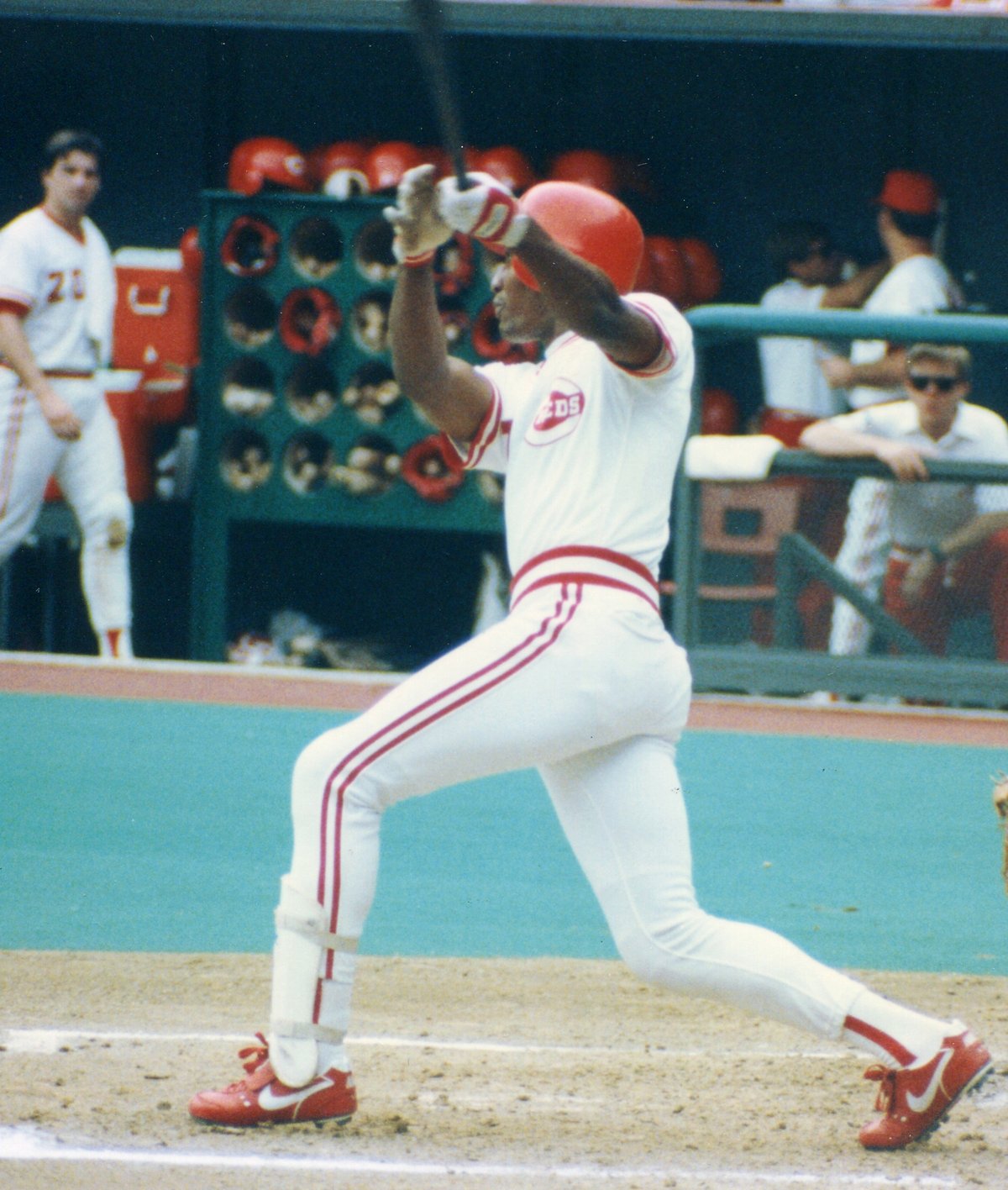
The 1970s saw Riverfront Stadium become the epicenter of Cincinnati’s sporting life. The “Big Red Machine”—featuring Pete Rose, Johnny Bench, Joe Morgan, and Tony Pérez—dominated Major League Baseball, capturing four National League pennants and two World Series titles (1975, 1976) (Historic Baseball, Baseball Biographies).
Notable moments include:
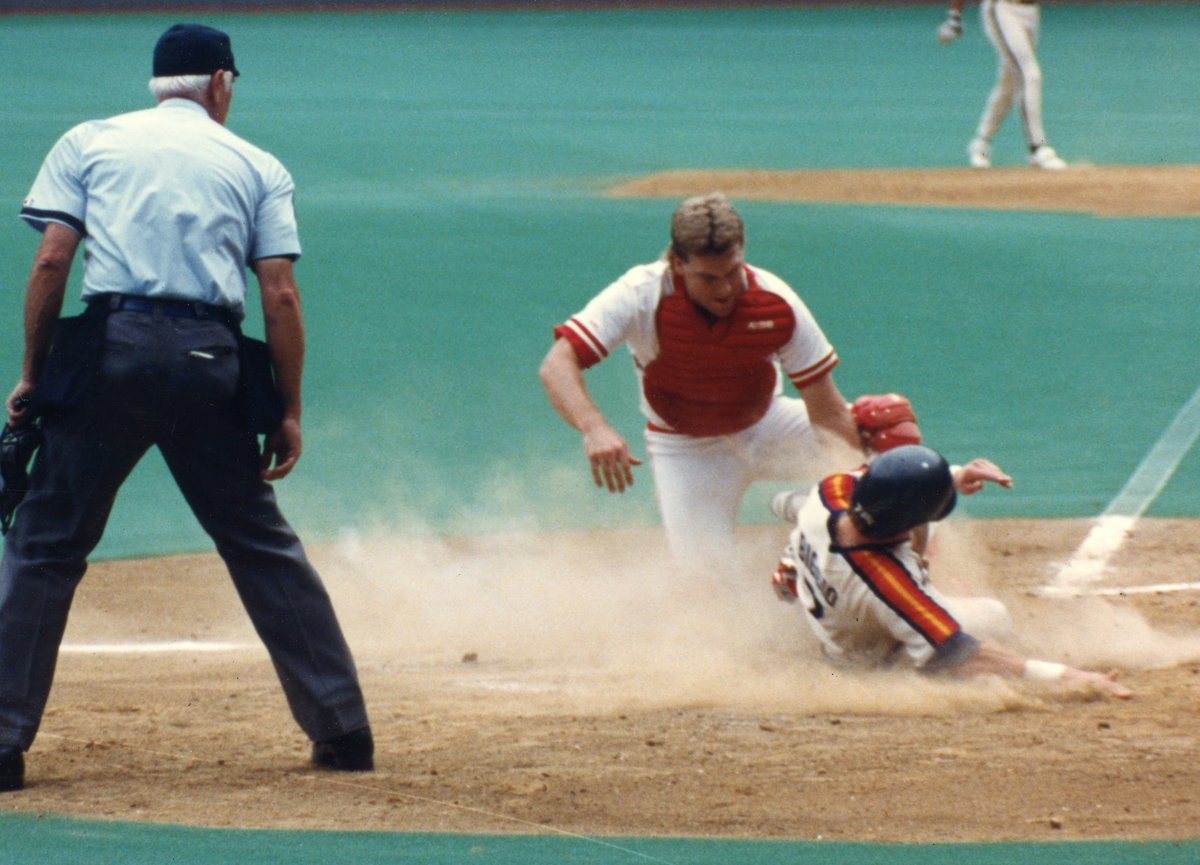
- 1970 MLB All-Star Game Pete Rose’s famous collision at home plate.
- Hank Aaron’s 714th home run Tied Babe Ruth’s record at Riverfront in 1974.
- Pete Rose’s record-breaking hit Surpassing Ty Cobb’s all-time hits record in 1985.
The stadium’s electric atmosphere and passionate fan base made Opening Day a citywide celebration and fueled intense rivalries, especially against the Pittsburgh Pirates.
Football and Cultural Events
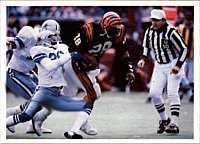
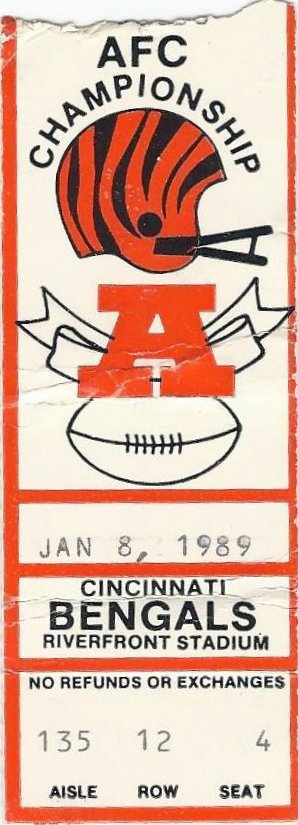
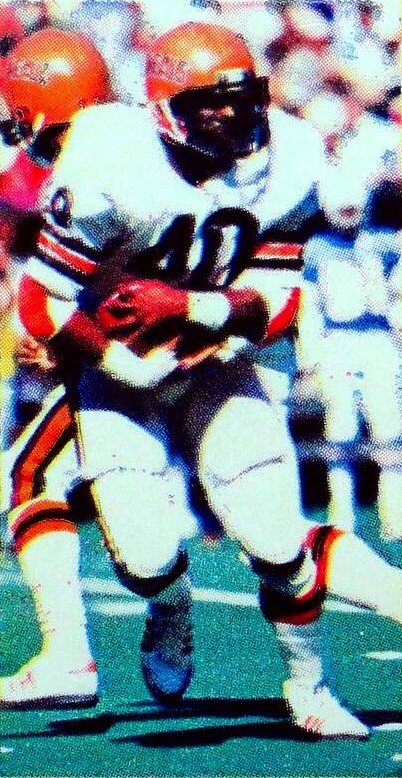
Riverfront Stadium was home to the Cincinnati Bengals from 1970 to 1999, marking a new era for professional football in the city (Wikiwand). The versatile venue also hosted major concerts (The Rolling Stones, Bruce Springsteen), political rallies, and community gatherings, establishing itself as a central part of Cincinnati’s social fabric.
Final Years and Lasting Impact
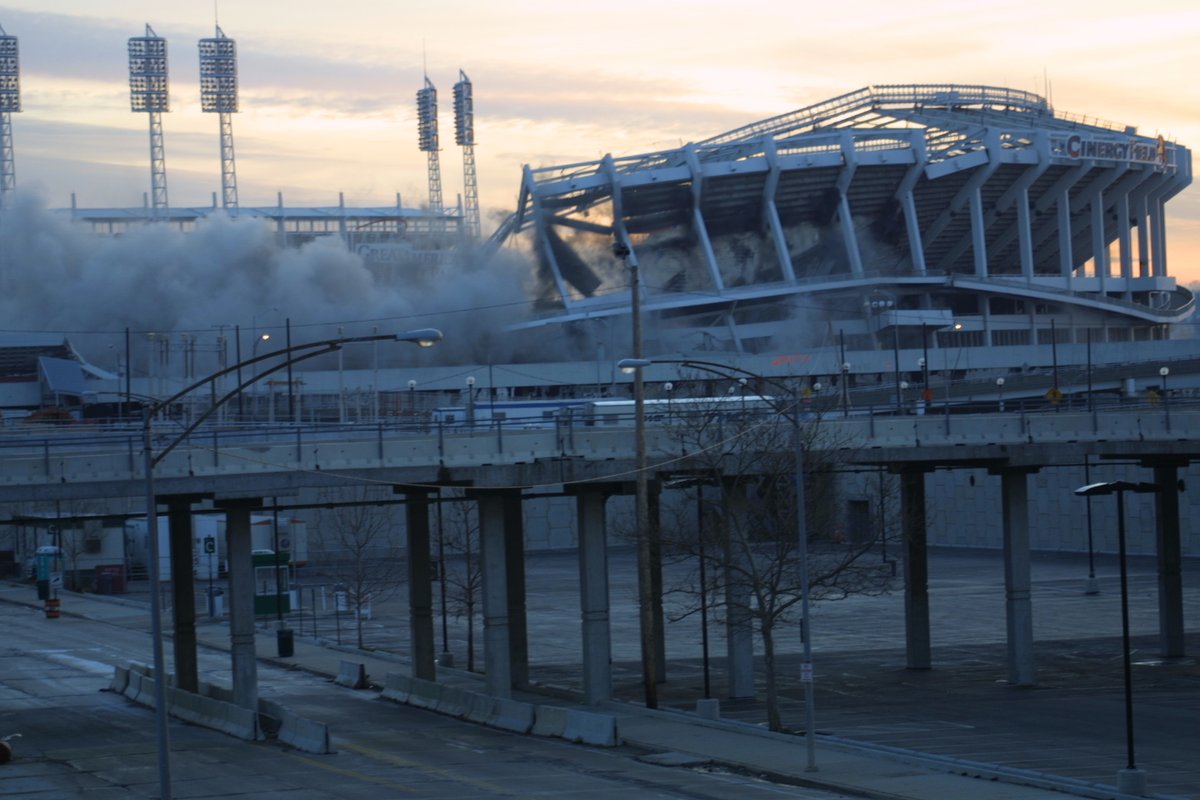
In 1996, the stadium was renamed Cinergy Field. As preferences shifted toward sport-specific venues with enhanced amenities, new stadiums were built nearby—Paul Brown Stadium for the Bengals and Great American Ball Park for the Reds. Riverfront Stadium’s final game took place in September 2002, and the stadium was imploded that December (Wikipedia).
The demolition opened up 18 acres for redevelopment, paving the way for The Banks—a thriving mixed-use neighborhood that extends downtown Cincinnati to the river and features public parks, new sports venues, and cultural landmarks (The Banks Cincy, WCPO).
Visitor Information
Visiting Hours and Tickets
- Great American Ball Park Open to visitors, usually from 10:00 AM to 5:00 PM; hours vary on game days. Always check the official Cincinnati Reds website for updates.
- Tickets Purchase online at Cincinnati Reds Ticketing, at the box office, or through authorized resellers. Early booking is recommended for high-demand events.
Accessibility and Getting There
- Public Transit Metro bus and Cincinnati Bell Connector streetcar offer convenient access. The streetcar stops near the ballpark and throughout downtown (Stadium Help).
- Biking/Walking The Red Bike program and pedestrian bridges make the riverfront area very accessible (Visit Cincy).
- Drop-Off Designated drop-off zones are available on Joe Nuxhall Way; plan for street closures during major events.
Parking and Transportation
- Official Garages Central Riverfront East/West, East Garage, Broadway Avenue Lot, and Lot E, with prices ranging from $16 to $27. Prepay online for reserved spots (MLB Reds Guide).
- Accessible Parking Located in the Central Riverfront and East Garages; available on a first-come, first-served basis.
- Arrival Tips Arrive early to avoid traffic, especially on event days. Official lots are preferable to street parking.
Food, Amenities, and Seating
- Local Cuisine Enjoy Cincinnati staples like Skyline Chili, Montgomery Inn ribs, Frisch’s Big Boy, LaRosa’s Pizza, and Graeter’s Ice Cream.
- Beverages Local craft brews and specialty cocktails are available throughout the ballpark (Ticketmaster Blog).
- Dietary Options Vegetarian and gluten-free choices are widely available.
- Seating Over 43,000 seats with a variety of options and scenic river or skyline views. Consult seating charts for the best experience.
Stadium Policies and Security
- Permitted Outside food and sealed drinks (non-alcoholic), soft coolers, small personal bags, and cameras under 16” x 16” x 8”.
- Prohibited Large bags, hard coolers, backpacks (except for medical/infant care), weapons, and noisemakers.
- Security All guests are screened at entry. Check the latest security guidelines on the Reds Ballpark Guide.
Guided Tours and Experiences
- Tours Behind-the-scenes tours of Great American Ball Park include access to the dugout, press box, and Hall of Fame areas.
- Events Fan festivals, heritage celebrations, and commemorative ceremonies take place regularly. Check the event calendar for details.
Nearby Attractions
Enhance your visit with these attractions near the former Riverfront Stadium site:
- Reds Hall of Fame and Museum Chronicling the city’s baseball legacy.
- Smale Riverfront Park Playgrounds, gardens, and riverfront trails.
- The Banks Shopping, dining, nightlife, and year-round events (The Banks Cincy).
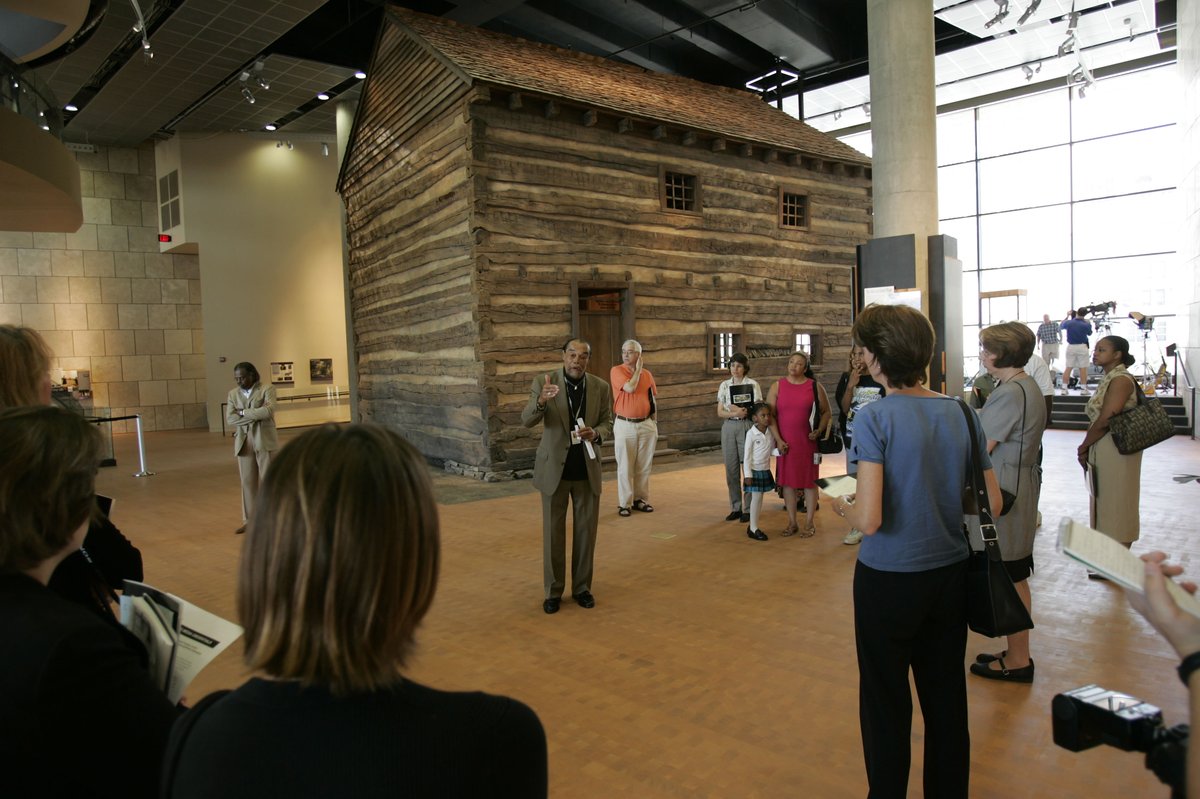
- National Underground Railroad Freedom Center Interactive exhibits on American history and civil rights.
- Roebling Suspension Bridge Iconic pedestrian and vehicle crossing to Northern Kentucky.
Frequently Asked Questions (FAQ)
Q: Can I visit Riverfront Stadium today?
A: The stadium was demolished in 2002. Its legacy lives on at Great American Ball Park, The Banks, and through historical markers and exhibits in the area.
Q: How do I buy tickets for games or tours?
A: Purchase through the Cincinnati Reds Ticketing portal, at the box office, or from authorized resellers.
Q: Are there guided tours focused on Riverfront Stadium’s history?
A: Yes, tours at the Reds Hall of Fame and Museum and Great American Ball Park include information on Riverfront Stadium.
Q: What are the best times to visit the riverfront district?
A: Spring through fall for pleasant weather and events. Weekdays are less crowded.
Q: Is the area accessible for visitors with disabilities?
A: Yes, with accessible seating, parking, restrooms, and paths throughout the district.