
Early Baseball in Cincinnati and the Origins of League Park
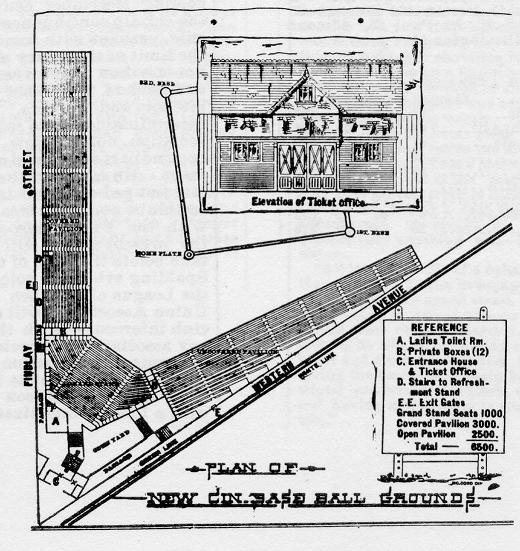
Cincinnati’s baseball legacy began with the Cincinnati Red Stockings in 1869, recognized as the first professional baseball team in America. The team’s early years saw them play at various venues, but it was in 1884 that the Reds moved to the site at Western Avenue and Findlay Street, establishing what would become League Park. Initially named American Park, the stadium was rechristened League Park in 1890 as the Reds joined the National League, cementing Cincinnati’s place in baseball history. (Cincinnati Magazine, MLB.com)
Architectural Highlights: League Park and the Palace of the Fans
League Park’s Early Innovations
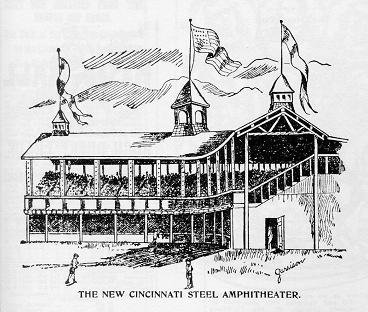
The original League Park featured a covered grandstand with leather-cushioned seats and open seating along the baselines—considered luxurious for its time. This attention to spectator comfort was unique in the late 19th century. (MLB.com)
The Palace of the Fans
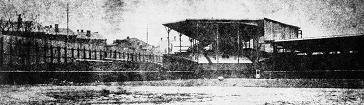
After a fire in 1901, the grandstand was rebuilt and reopened in 1902 as the “Palace of the Fans.” This structure, designed by John G. Thurtle, stood out for its neoclassical façade inspired by the 1893 Chicago Columbian Exposition. With ornate columns, decorative arches, opera-style boxes, and a seating capacity of 12,000, it was celebrated for its architectural ambition and its role in elevating the spectator experience. (Ballparks of Baseball, Hey Explorer)
Transition to Redland Field and Crosley Field
By 1911, structural issues led to the closure of the Palace of the Fans, and in 1912, Redland Field rose in its place—a modern steel-and-concrete stadium that set a new standard in ballpark design. In 1934, after Powel Crosley Jr. purchased the team, the venue was renamed Crosley Field. Under his leadership, the park saw the installation of lights, and on May 24, 1935, Crosley Field hosted the first-ever Major League night game, a milestone that transformed baseball and democratized attendance for working fans. (Wikipedia: Crosley Field)
Historical Significance and Major Events
League Park and its successors were central to pivotal moments, such as the Reds’ first National League pennant and 1919 World Series victory. Crosley Field also became a multi-use venue, briefly hosting the original Cincinnati Bengals football team. The park’s innovations—especially night baseball—left an indelible mark on the sport. (Wikipedia: Crosley Field)
Visiting League Park Cincinnati: Hours, Access, and What to See
Location and Accessibility
- Address Intersection of Findlay Street and Western Avenue, Cincinnati, OH 45214
- Neighborhood West End, easily accessible by car or Metro bus routes. Street parking is available, and sidewalks make the site walkable. Nearby Findlay Market and Washington Park offer ADA-compliant amenities. (Visit Cincy)
Visiting Hours and Ticket Information
- Hours The site is an open urban area, accessible year-round with no restricted hours. Best visited during daylight for safety and visibility.
- Tickets No admission or ticketing is required.
What to Expect
- A commemorative plaque marking the historic home plate location is the main feature.
- The site is urban, with warehouses and parking lots; there are no preserved ballpark structures.
- Wear comfortable shoes; be aware of the urban environment.
Memorials, Replicas, and Museums
- Commemorative Marker Find the plaque at the intersection of Findlay Street and Western Avenue.
- Blue Ash Crosley Field Replica The Blue Ash Sports Complex offers a full-scale replica of Crosley Field, with original seats and period details. (Ballparks of Baseball)
- Cincinnati Reds Hall of Fame and Museum Located at Great American Ball Park, this museum features extensive exhibits on League Park, the Palace of the Fans, and Crosley Field. (MLB.com, See Sight Tours)
Visitor Tips and Practical Information
- Arrive During Daylight For the best and safest experience, visit during the day.
- Combine Attractions Pair your visit with stops at Findlay Market, Over-the-Rhine, or the Reds Hall of Fame.
- Guided Tours While there are no regular on-site guides, local walking tours often include the League Park site. Check with Cincinnati heritage organizations for schedules.
- Accessibility The area is generally accessible, but those needing special accommodations should use nearby facilities.
- Respect the Neighborhood Remember, this is an active urban area.
Frequently Asked Questions (FAQ)
Q: Is League Park open to the public?
A: Yes, the site is a public urban area, open year-round.
Q: Are tickets required?
A: No, visiting the commemorative site is free.
Q: Are there guided tours?
A: Some local organizations offer baseball history walking tours that include the site. Check event listings and tour providers.
Q: Is the site wheelchair accessible?
A: Sidewalks are generally accessible. For additional facilities, use nearby attractions.
Q: What else can I see nearby?
A: Findlay Market, the Over-the-Rhine district, Washington Park, and the Cincinnati Reds Hall of Fame and Museum.