Early Origins and Establishment
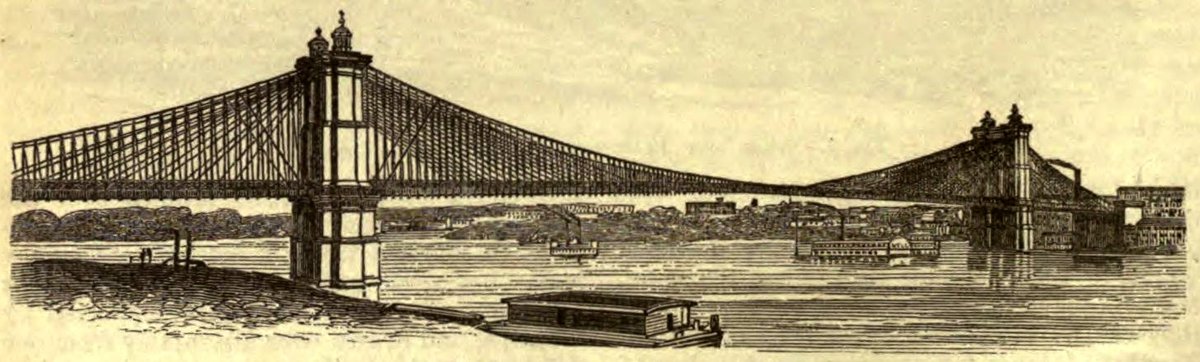
East End Park’s roots trace back to Cincinnati’s rapid expansion in the late 19th and early 20th centuries. The East End neighborhood, shaped by its riverside location and burgeoning transportation networks, became home to a growing industrial workforce. Recognizing the need for accessible green spaces, civic leaders developed East End Park as part of a broader movement to balance urban growth with public recreation, paralleling the creation of other notable parks like Eden Park and Ault Park (Cincinnati Historical Maps).
The park’s riverfront setting offered scenic beauty and practical access, quickly becoming a gathering place for picnics, community events, and leisure activities. Its establishment reflected contemporary ideals of urban planning and public health, providing a much-needed respite from the dense, industrial cityscape.
Evolution Through the 20th Century
As the East End neighborhood experienced demographic and economic change, so too did East End Park. The area was once dotted with factories, breweries, and river-based commerce, making the park an important green escape for workers and their families (Lost in Cincinnati: East End).
Even as industrial decline and population shifts impacted the neighborhood in the mid-20th century, the park remained a vital community resource. Local organizations and city agencies worked together to maintain and enhance its facilities, ensuring that East End Park continued to serve the needs of residents through changing times.
Architectural and Landscape Features
East End Park’s original design was influenced by landscape architecture trends of its era, with open lawns, mature shade trees, and river views central to its appeal. Walking paths and picnic areas were oriented to maximize riverfront access. Over time, amenities were added, including playgrounds, sports fields, and shelters.
The park’s proximity to the historic Cincinnati Observatory Center—one of the oldest working observatories in the U.S.—adds to its significance. Occasional joint events, such as stargazing nights, highlight the park’s role in educational and recreational programming (Lost in Cincinnati: East End).
Social and Cultural Significance
Since its inception, East End Park has been at the heart of the neighborhood’s community life. It hosted public celebrations, holiday gatherings, and neighborhood festivals—helping foster a sense of belonging among residents of diverse backgrounds. The park’s riverside location made it a natural site for boating, fishing, and seasonal festivities, including renowned Independence Day celebrations (365 Cincinnati: July Events).
Archival records and oral histories highlight the park’s role in uniting the community, providing a space for both recreation and civic engagement.
Notable Events and Community Milestones
East End Park has hosted significant events throughout its history. In the early 20th century, it served as a venue for labor rallies and civic demonstrations reflecting the working-class identity of the area. During the Great Depression, it was a hub for relief efforts and support programs.
In recent decades, the park has adapted to new recreational trends, hosting youth sports, outdoor concerts, and seasonal festivals. Restoration projects have improved accessibility, landscaping, and environmental sustainability, reinforcing its role in the neighborhood’s revitalization (Visit Cincy: Things to Do in July).
Modern-Day Preservation & Importance
Today, East End Park is an integral part of Cincinnati’s park system, recognized for its historical legacy and ongoing community value. Preservation initiatives focus on maintaining the park’s character, upgrading amenities, and ensuring equitable access to green space. Partnerships among residents, nonprofits, and city agencies have led to improvements such as restored trails, upgraded playgrounds, and enhanced riverfront facilities (Lost in Cincinnati: East End).
Its proximity to landmarks like the Cincinnati Observatory and historic riverfront sites further cements the park’s status as a living link to Cincinnati’s rich past.
Integration with the East End Neighborhood
East End Park’s narrative mirrors the broader story of the East End, a neighborhood marked by transformation from industrial prosperity to revitalized community. Collaborations with local schools, environmental groups, and cultural organizations have expanded the park’s impact, making it a hub for education, recreation, and cultural expression (Lost in Cincinnati: East End).
Visitor Information: Hours, Accessibility & Travel Tips
- Hours Open daily from dawn to dusk.
- Admission Free; no tickets required.
- Accessibility Wheelchair-accessible paths and ramps connect key areas.
- Parking Free parking near main entrances.
- Public Transit Cincinnati Metro bus routes serve the area.
- Facilities Restrooms, picnic shelters, and a playground are available.
- Nearby Attractions Cincinnati Observatory Center, Lunken Airport, Ohio River Trail.
Travelers are encouraged to check official park websites for updates on hours, amenities, and any temporary closures.
Visitor Experience & Historical Interpretation
Interpretive signage throughout East End Park educates visitors about its history and cultural relevance. Guided tours and community events, such as collaborative stargazing nights, offer immersive experiences. The park’s open lawns, river views, and tranquil paths attract families, outdoor lovers, and history enthusiasts year-round.
Seasonal festivals and movie nights further highlight the neighborhood’s vibrant spirit (Lost in Cincinnati: East End).
Frequently Asked Questions (FAQ)
Q: What are the park’s opening hours?
A: Dawn to dusk daily.
Q: Is there an entrance fee?
A: No; admission is free.
Q: Is the park wheelchair accessible?
A: Yes; most paths and amenities are accessible.
Q: Is there parking?
A: Yes; free parking is available.
Q: Is public transit available?
A: Yes; Metro bus routes serve the park.
Q: What attractions are nearby?
A: Cincinnati Observatory, Lunken Airport, and historic riverfront sites.
Q: Are dogs allowed?
A: Yes; dogs must be leashed.
Related Articles
- Explore Cincinnati’s Historic Riverfront Parks
- Top Family-Friendly Parks in Cincinnati
- A Guide to Cincinnati’s Cultural Landmarks
Plan Your Visit
Discover East End Park’s blend of history, culture, and natural beauty. Whether you’re interested in heritage, outdoor activities, or family outings, East End Park offers a unique Cincinnati experience.
For updates, events, and exclusive content, download the Audiala app and follow us on social media. Explore our related articles for more ways to enjoy Cincinnati’s rich heritage.
Visuals and Media
Suggested images:
- “East End Park Cincinnati river view”
- “East End Park playground area”
- “Cincinnati Observatory near East End Park”
Interactive options:
- Interactive maps
- Virtual park tours