
History and Origins
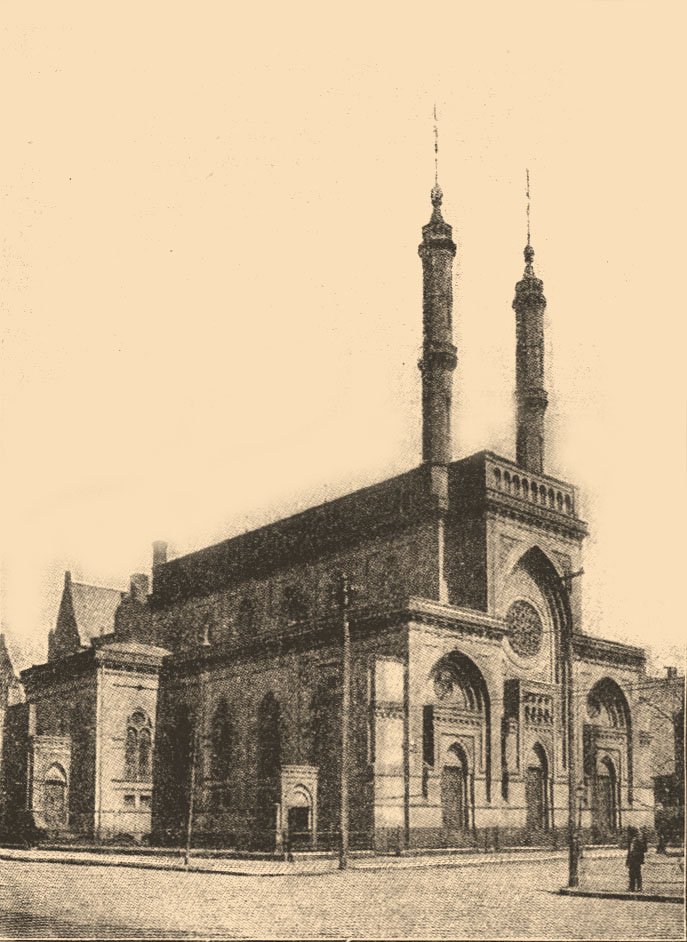
Cincinnati Music Hall’s origin dates back to the late 19th century, when Cincinnati was flourishing as a center for arts and culture. Philanthropist Reuben R. Springer, inspired by the city’s renowned May Festival, spearheaded fundraising for a grand venue dedicated to music and exhibitions. Renowned architect Samuel Hannaford was commissioned to design the building, drawing inspiration from leading European opera houses and the Venetian Gothic Revival style (Friends of Music Hall; SAH Archipedia; Cincinnati Arts).
Built between 1876 and 1878 at 1241 Elm Street, the hall quickly became an icon of Cincinnati’s ambition and cultural vision. Its opening marked the beginning of an era that solidified the city’s reputation as a major American arts destination (Friends of Music Hall).
Architectural Highlights
High Victorian Gothic Masterpiece
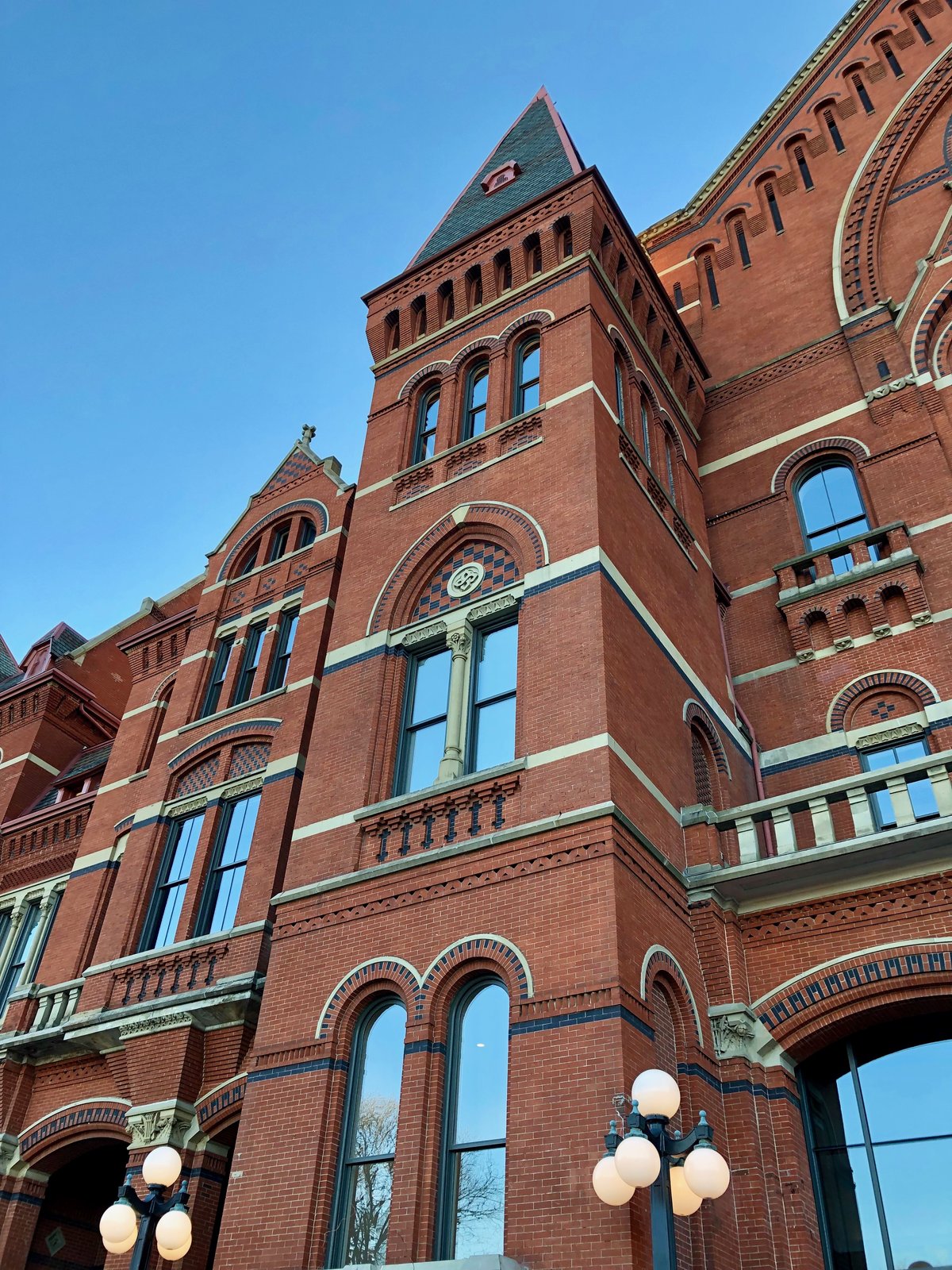
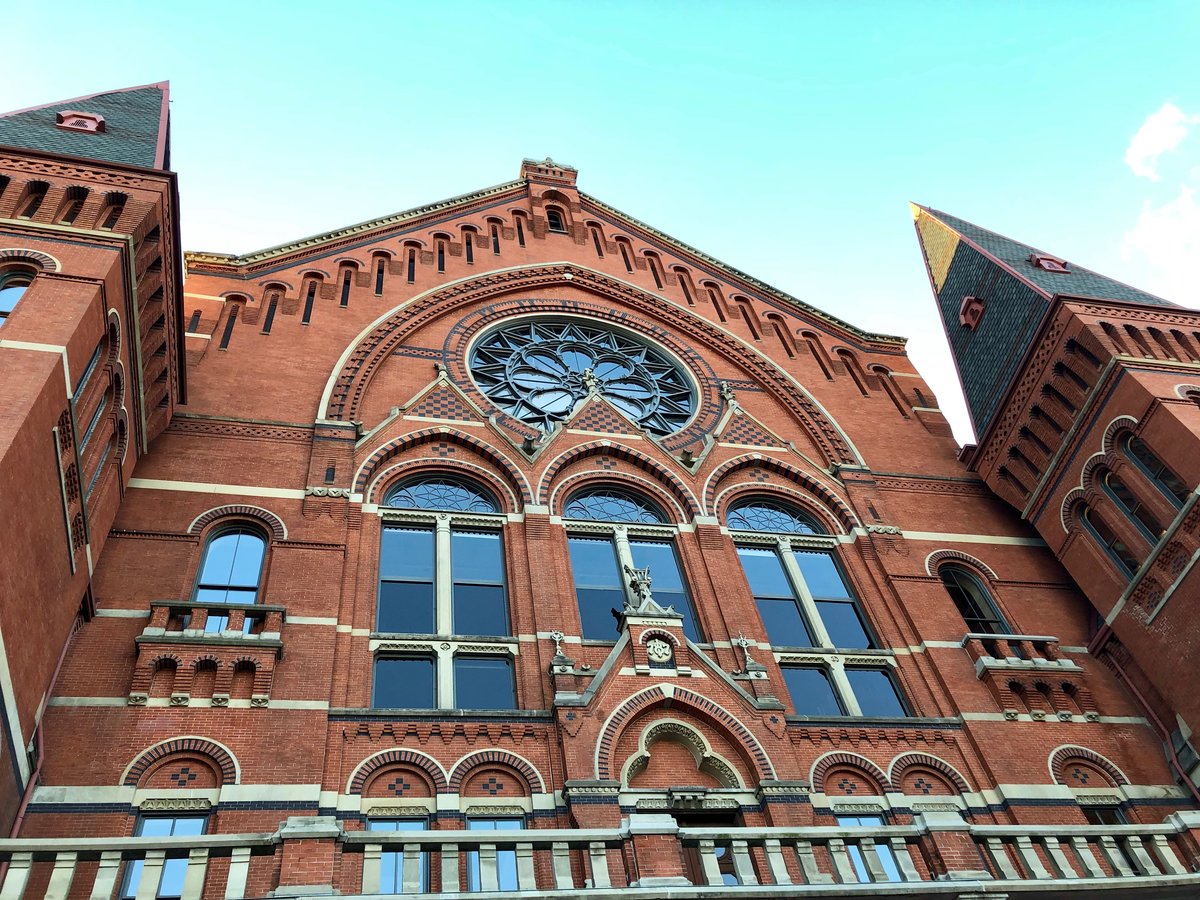
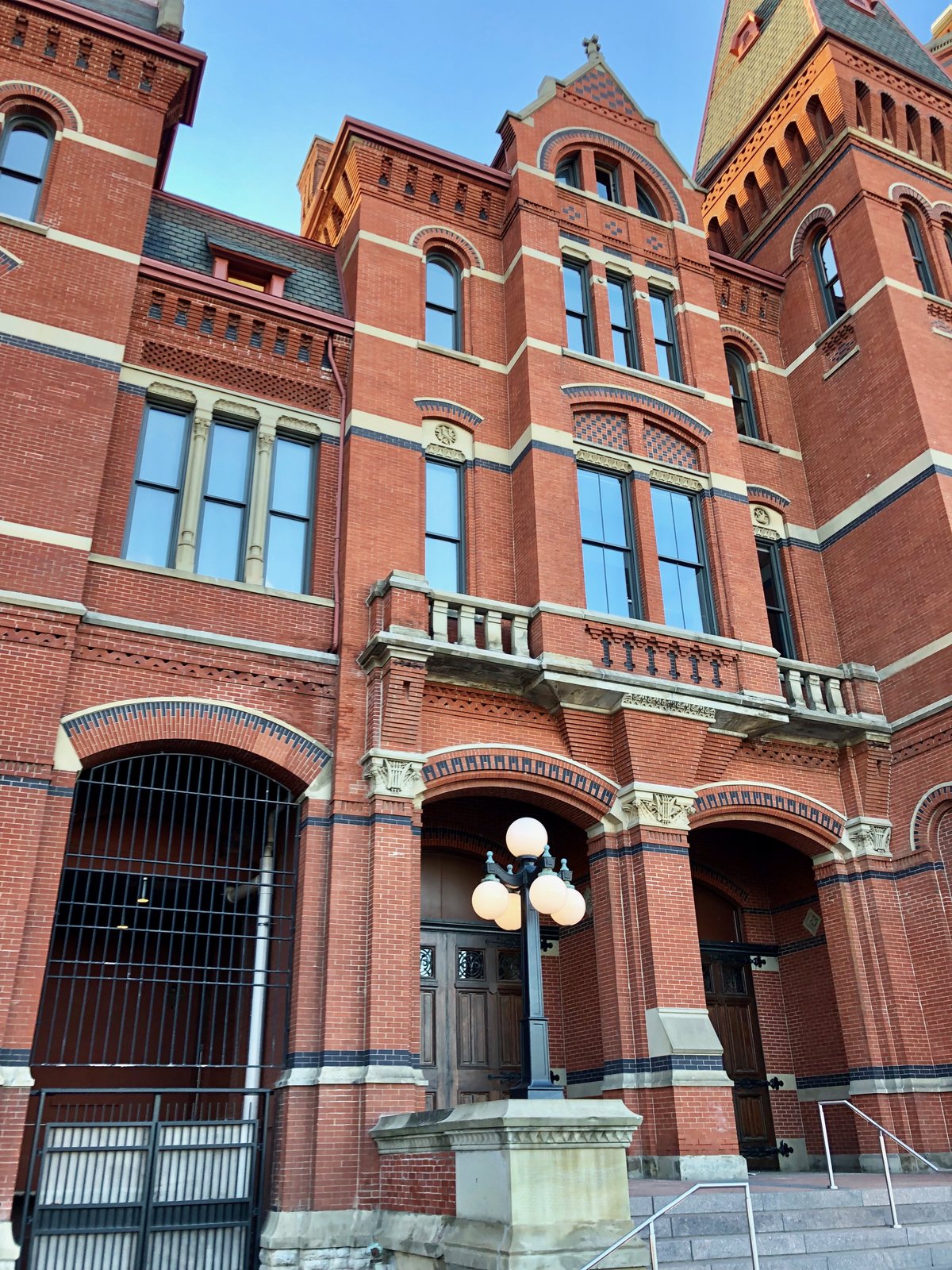
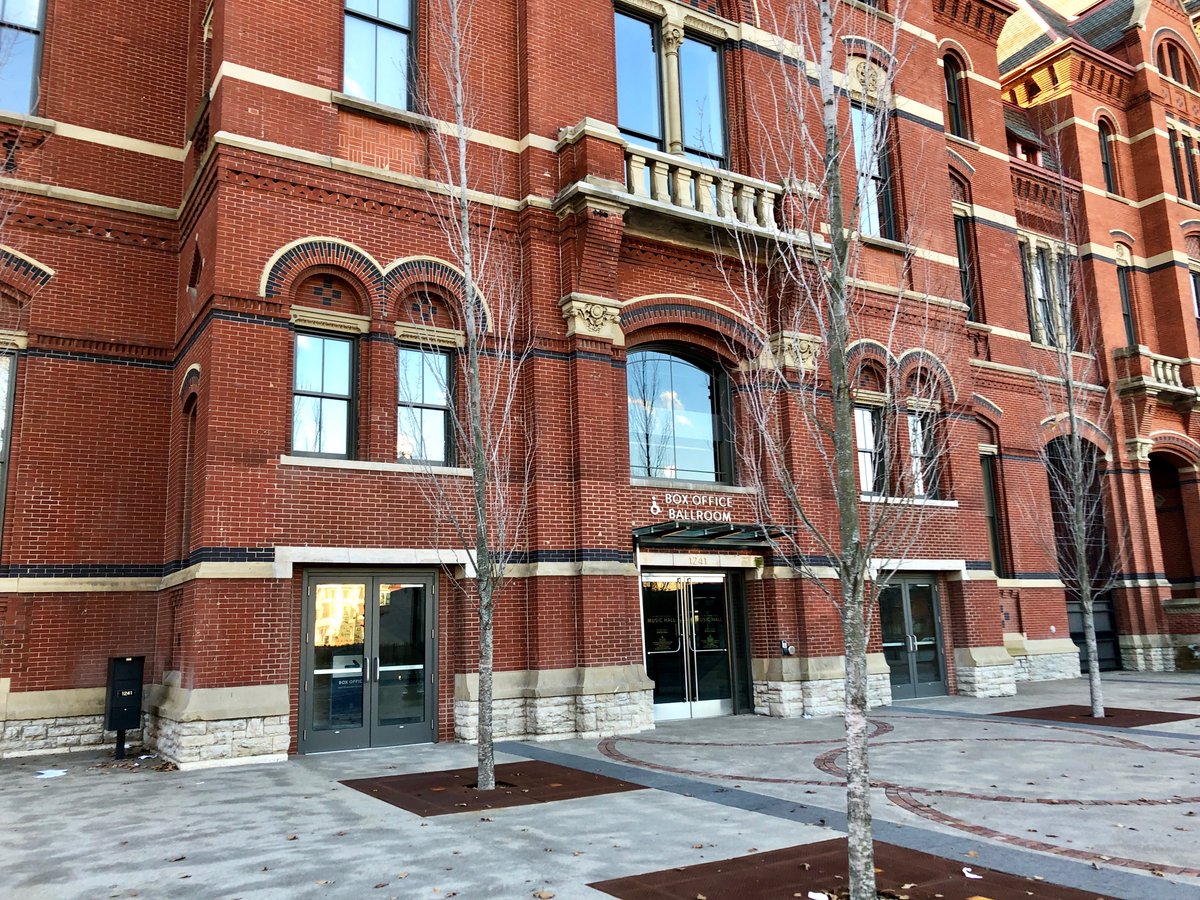
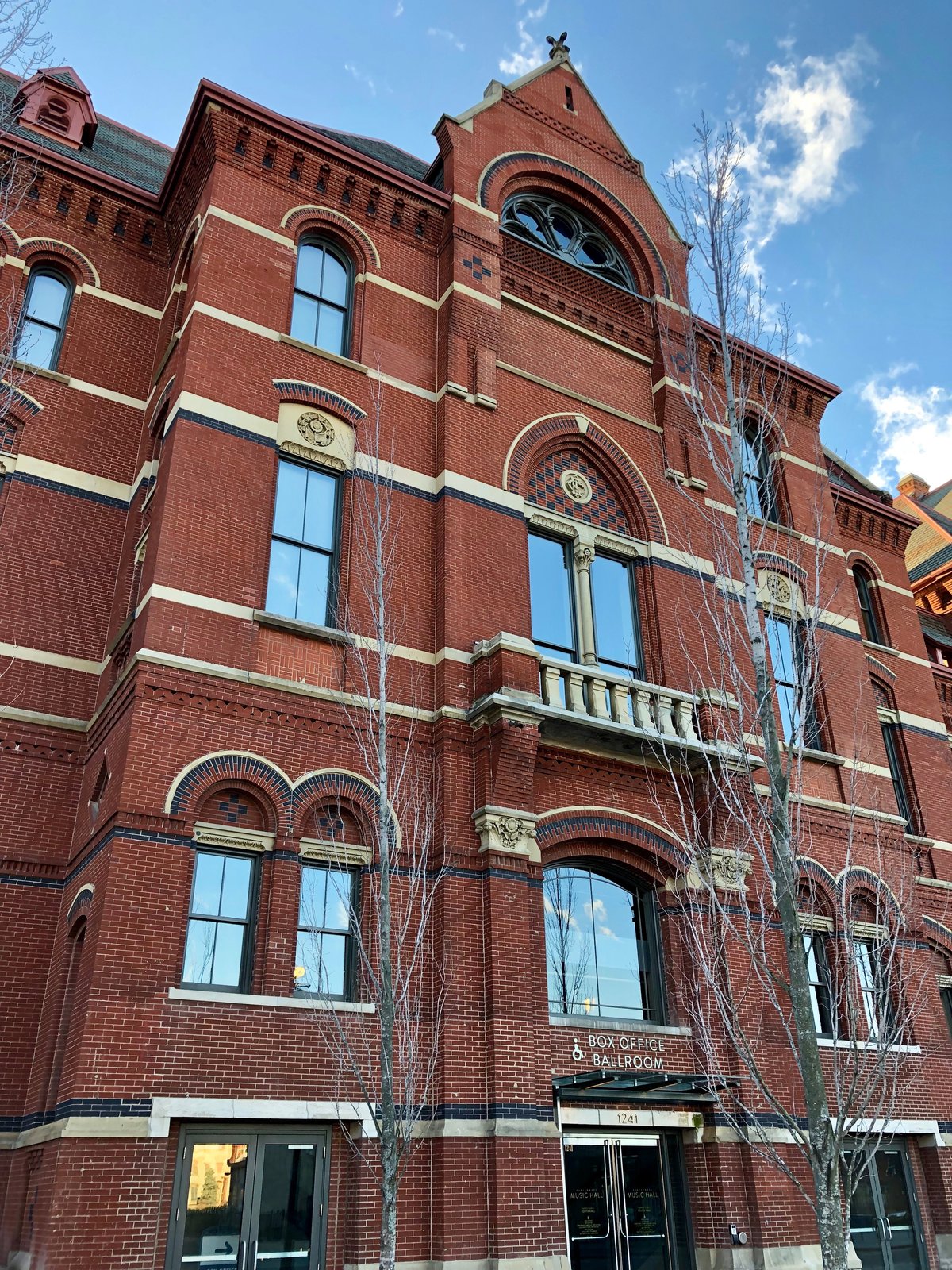
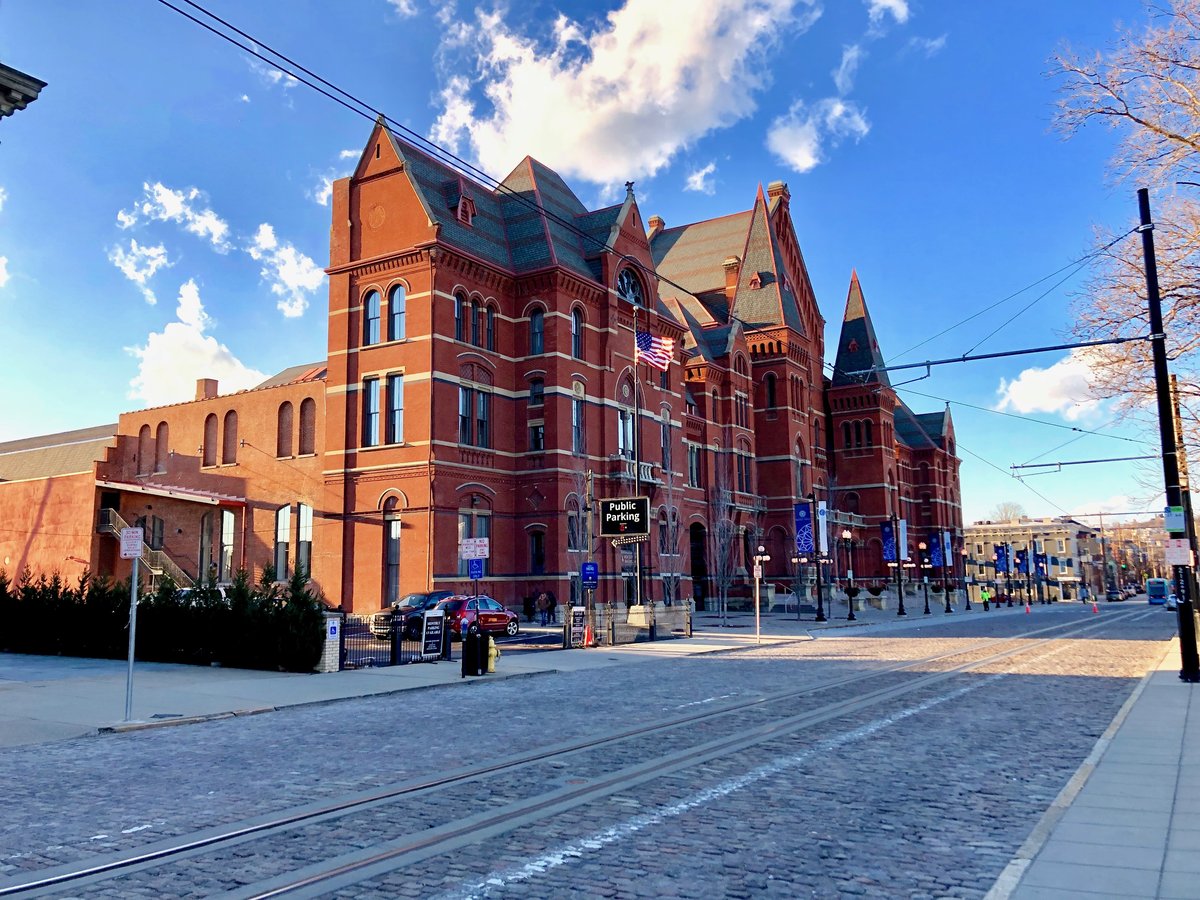
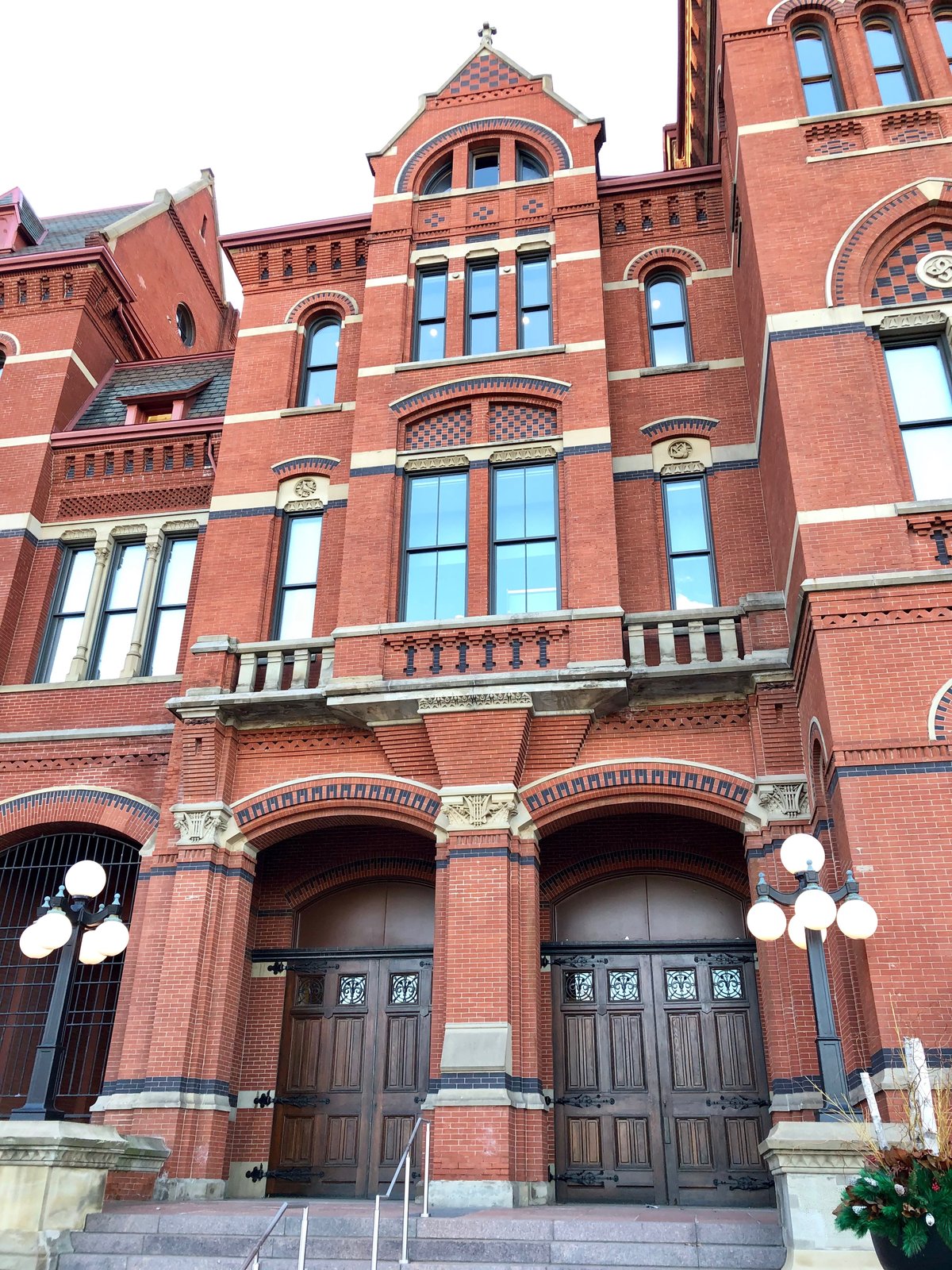
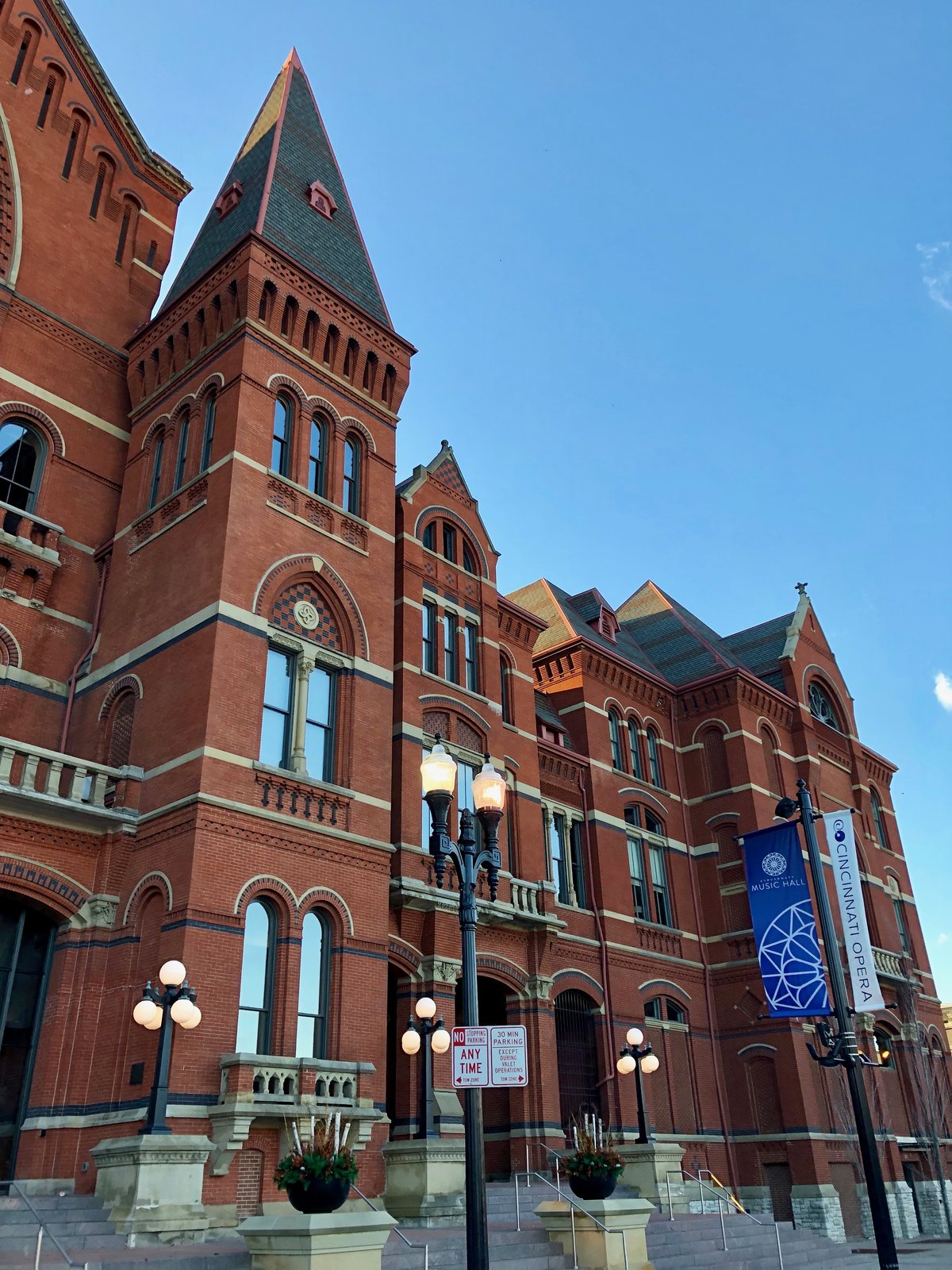
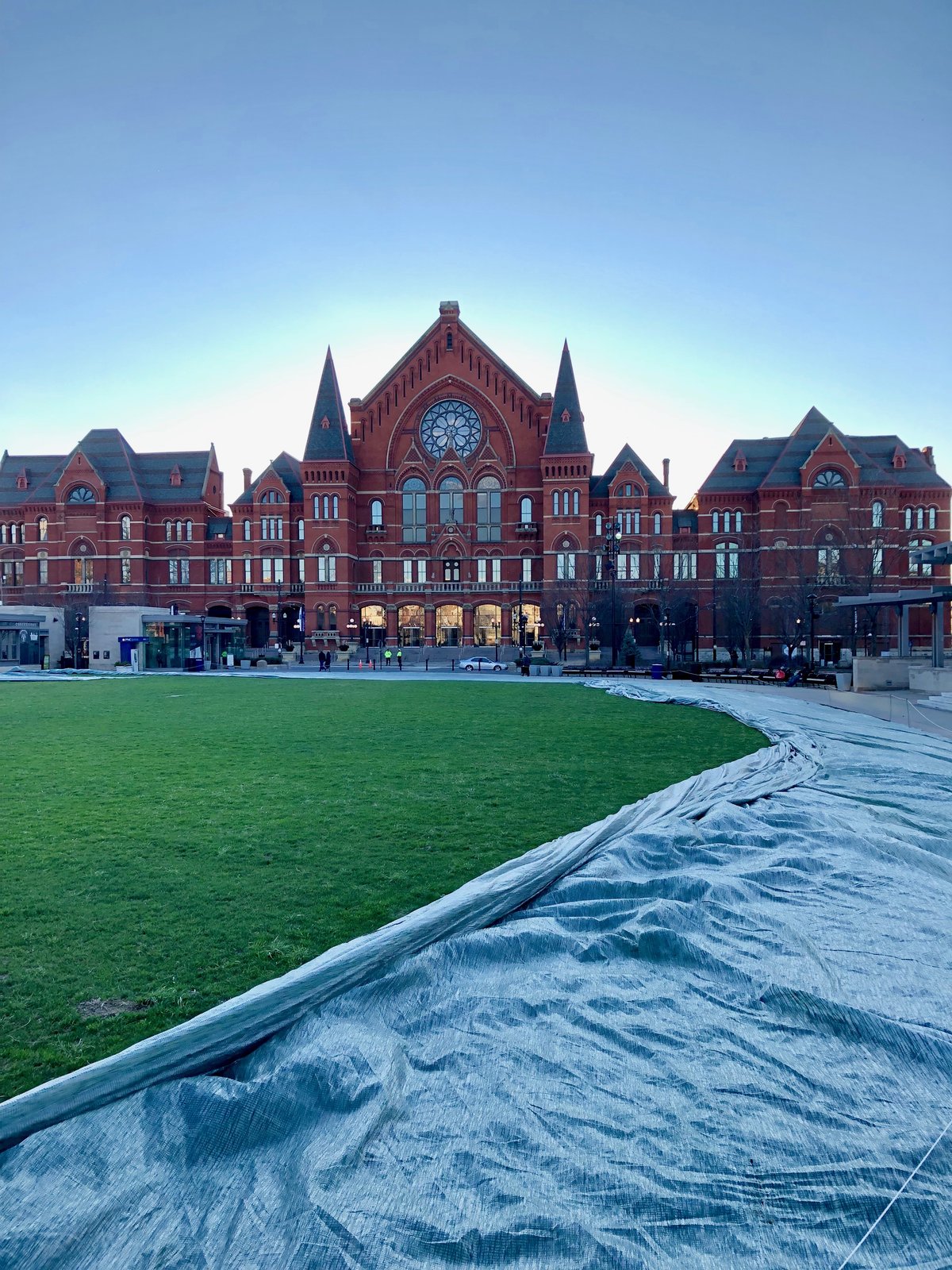
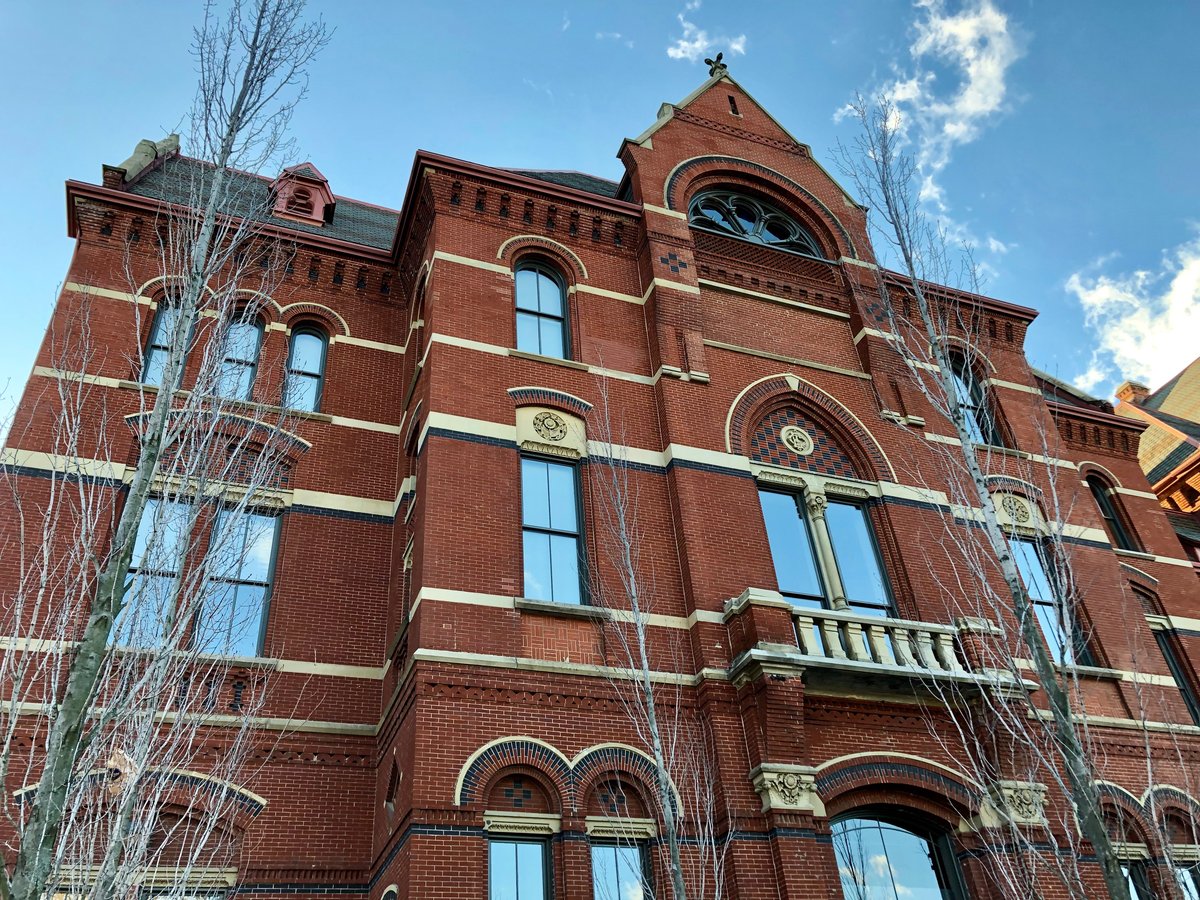
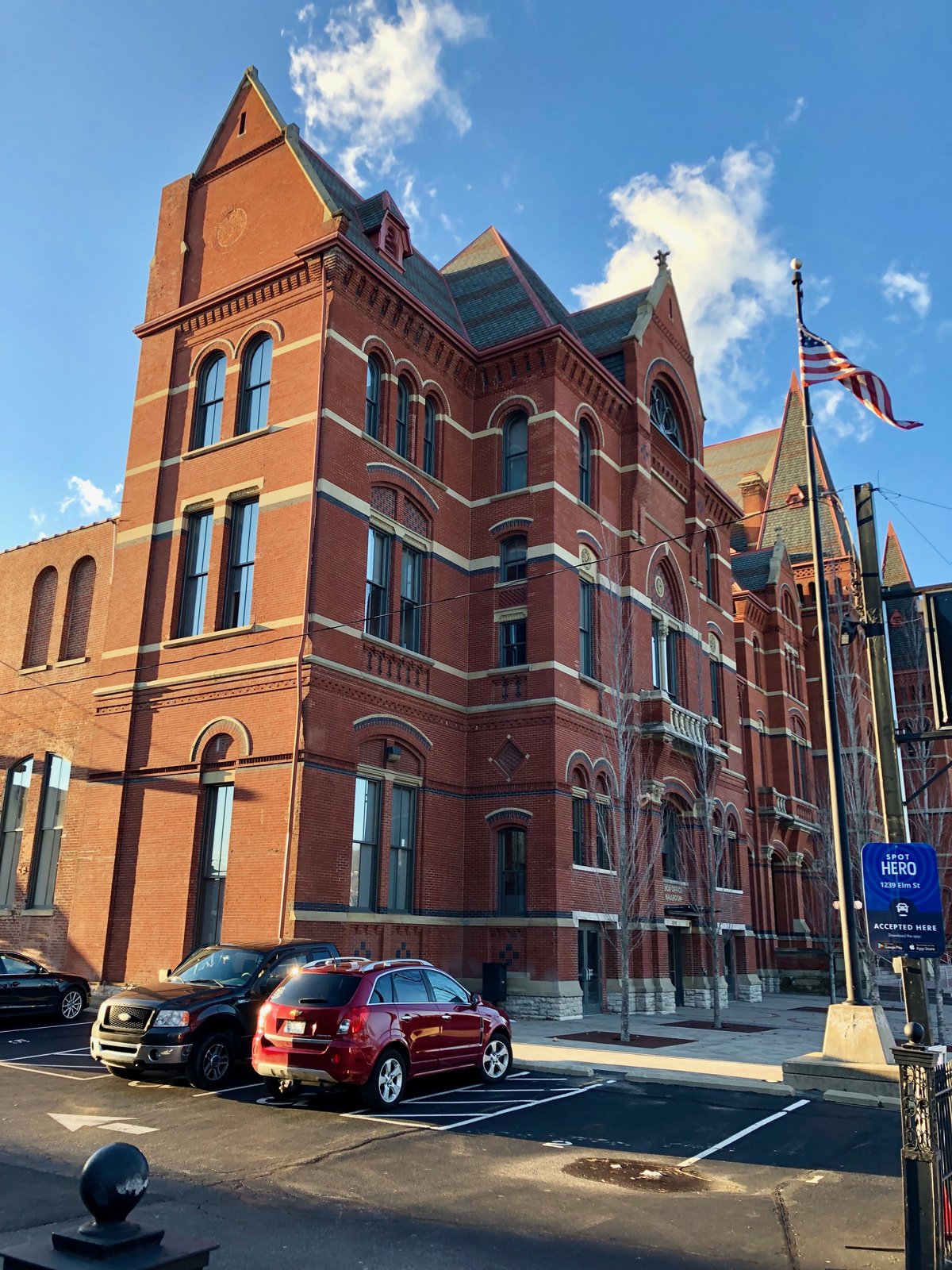
Cincinnati Music Hall is widely regarded as one of the finest examples of High Victorian Gothic architecture in the United States. Key features include:
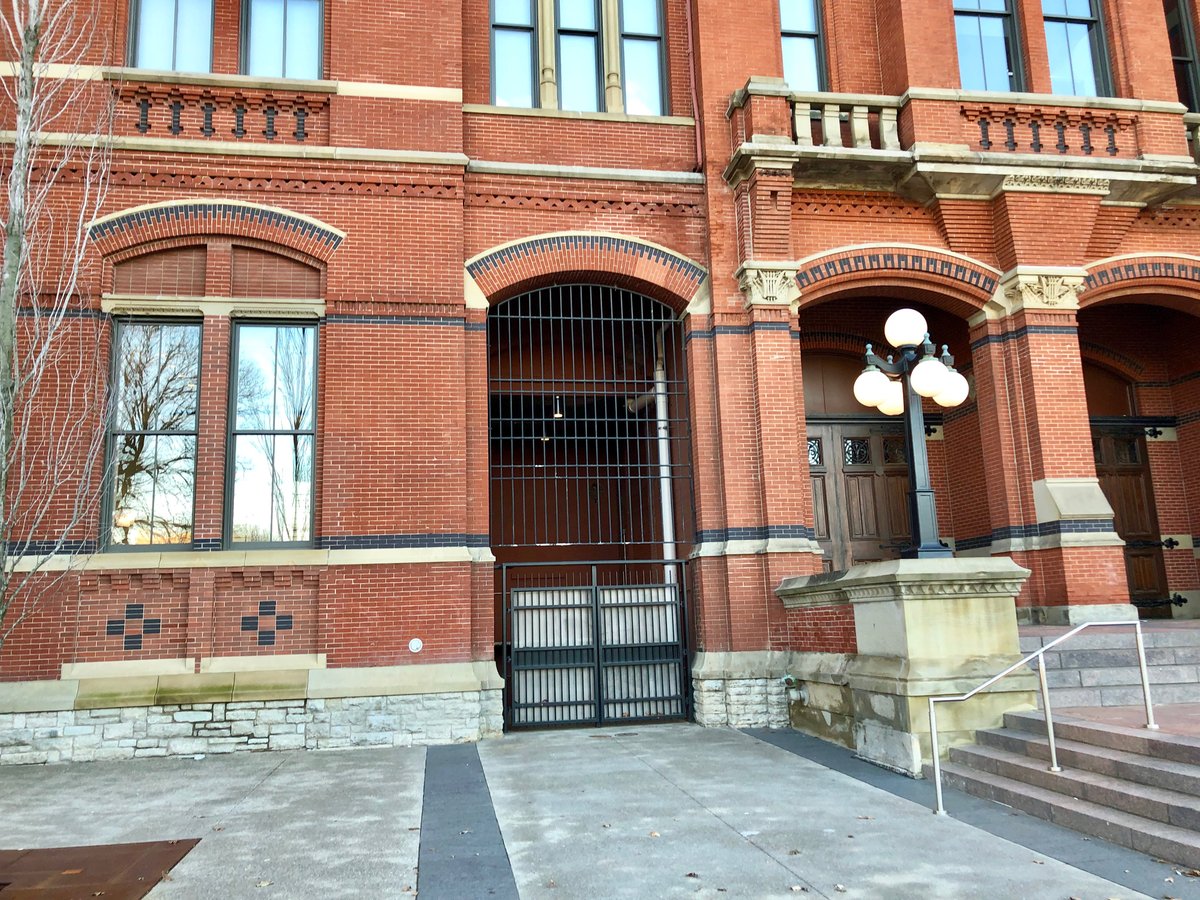
- Red Brick Facade The building’s exterior is dominated by deep red brick, accented with ornate stone trim and a monumental rose window (Marvin.com).
- Gabled Roofs and Symmetry Steeply pitched gables and a symmetrical layout convey grandeur and verticality (Friends of Music Hall).
- Ornamental Detailing Finials, string courses, and elaborate window tracery reflect the Venetian Gothic influence.
- Springer Auditorium The centerpiece of the interior, Springer Auditorium is celebrated for its acoustics, grand chandelier, ornate plasterwork, and seating for over 2,200 guests (OTJ.com).
Structural Innovation
The original construction employed iron trusses to create unobstructed interior spaces with exceptional acoustics—a pioneering engineering feat for its time (Marvin.com).
Artistic Flourishes
Interior highlights include Arthur Thomas’s mural “Allegory of the Arts” on the auditorium ceiling, stained glass windows, and elegant marble floors in the foyer. The Corbett Tower, ballroom, and grand staircases further enhance the hall’s architectural splendor (Friends of Music Hall).
Cultural Significance
Since its opening in 1878, Music Hall has been the city’s premier venue for concerts, opera, ballet, and community events. It is home to the Cincinnati Symphony Orchestra, Cincinnati Opera, Cincinnati Ballet, and the May Festival—the Western Hemisphere’s longest-running choral festival (Cincinnati Arts; Friends of Music Hall).
The hall’s site carries a complex history, having been built atop a former pauper’s cemetery. This has contributed to its status as one of America’s most haunted sites, adding to its mystique and drawing interest from both history buffs and ghost enthusiasts (Cincinnati Ghosts; Wikipedia).
Renovation and Preservation
Cincinnati Music Hall has undergone several major renovations to ensure both preservation and modern comfort:
- 1927 Addition of a full roof and transformation of the south hall into a ballroom.
- 1960s–1990s Restoration of historic features and upgrades to mechanical systems (SAH Archipedia).
- 2017 A $143 million restoration revitalized the hall, improving accessibility, acoustics, and amenities while preserving historic details (BDC Network; Marvin.com).
The hall is listed on the National Register of Historic Places and is a National Historic Landmark, reflecting its national significance (Wikipedia).
Visiting Information
Location and Directions
Cincinnati Music Hall is located at 1241 Elm Street, Cincinnati, OH 45202, in the heart of the historic Over-the-Rhine (OTR) neighborhood. The venue is easily accessible by car, public transit, and the city’s free Connector Streetcar, which stops directly at Music Hall (Cincinnati Arts; Visit Cincy).
Visiting Hours
- Box Office and Visitor Services Monday–Friday, 10:00 AM–5:00 PM; extended hours on event days.
- Guided Tours Typically Monday–Friday, 10:00 AM–4:00 PM; Saturday, 10:00 AM–2:00 PM. Closed Sundays.
- Performance Days Doors open 60–90 minutes before events.
Check the latest schedules on the official website as hours may vary during special events.
Tickets and Tours
- Concert and Event Tickets Purchase online, by phone at (513) 621-2787, or at the Box Office. Early booking is recommended for popular events (Cincinnati Arts).
- Guided Tours Led by Friends of Music Hall, tours cover both public and private spaces, including backstage and seasonal ghost tours. Book in advance online (Friends of Music Hall Tours).
- Prices Vary by event and tour; all taxes and fees included.
Accessibility
Cincinnati Music Hall is fully ADA-compliant:
- Accessible Entrances Elm Street entrance leads to elevators servicing all levels (Cincinnati Arts Accessibility).
- Wheelchair Assistance Complimentary wheelchairs and Access Ambassadors available.
- Assistive Listening Devices compatible with T-coil hearing aids available at Guest Services.
- Service Animals Permitted; notify ticketing when booking.
- Restrooms Accessible facilities and companion care restrooms on every level.
Parking and Arrival
- Washington Park Garage Over 450 spaces, elevator access directly to Music Hall.
- Other Parking Additional surface lots and garages nearby.
- Arrival Plan to arrive 30–45 minutes early for parking, security, and seating (official parking guide).
Guest Services
- Coat Check Available seasonally.
- First Aid Located on Orchestra Level.
- Lost and Found, Taxi Service, and Courtesy Phones Available through Guest Services.
Security screenings are required; check the venue’s policies for prohibited items.
Event Experience
Music Hall hosts a diverse range of performances from classical, opera, and ballet to pop concerts and special festivals. The Springer Auditorium, seating 2,250, is renowned for its acoustics and sightlines (OTJ.com). Notable events include the Cincinnati Opera Summer Festival, Cincinnati Symphony and Pops concerts, and touring productions (Cincinnati Opera).
- Seating Review seating charts for optimal views.
- Dress Code Business casual or cocktail attire is typical; casual is fine for tours and matinees.
- Dining Concessions available before and during intermission. Explore OTR’s vibrant dining scene for pre- or post-show meals.
Nearby Attractions
- Washington Park Urban park directly across from Music Hall, hosting gardens and events.
- Findlay Market Cincinnati’s historic public market.
- Cincinnati Black Music Walk of Fame Interactive exhibits celebrating local music history (Visit Cincy).
- Fountain Square, Hard Rock Casino, and more All accessible via the free Connector Streetcar.
FAQs
What are Cincinnati Music Hall’s visiting hours?
Box Office and tours generally operate Monday–Friday, 10 AM–5 PM. Event and tour hours may vary—check the official site.
How do I purchase tickets?
Buy online, by phone at (513) 621-2787, or at the Box Office.
Is the hall wheelchair accessible?
Yes, all entrances, seating, and restrooms are ADA-compliant.
Are service animals allowed?
Yes, service animals are welcome; notify ticketing in advance.
Are guided tours available?
Yes, including architectural, outdoor, and ghost tours—reserve in advance.
Where can I park?
Washington Park Garage is most convenient; additional lots nearby.
Visitor Tips
- Reserve tickets and tours early to avoid sellouts.
- Arrive early to enjoy the architecture and Washington Park.
- Use the free Connector Streetcar for easy downtown access.
- Review the event calendar for special festivals and tours.
- Contact Guest Services for accessibility or special needs.
- Explore OTR’s restaurants and shops before or after your visit.