Introduction: Wrigley Field’s Place in Chicago’s Legacy
Wrigley Field, at 1060 West Addison Street in Chicago’s Lakeview neighborhood, is a crown jewel among American sports venues and one of the city’s most celebrated historical landmarks. Opened in 1914 as Weeghman Park, the ballpark has been a witness to over a century of baseball history, community gathering, and architectural innovation. From the ivy-clad outfield walls to the hand-operated scoreboard and the iconic red marquee, Wrigley Field is both a living museum and a vibrant destination for fans, historians, and visitors alike. This definitive guide provides comprehensive information on visiting hours, ticketing, tours, accessibility, neighborhood attractions, and insider tips to enhance your Wrigley Field experience. For official hours, ticket details, and more, consult the Chicago Cubs official website, and explore further insights at Chicago Beautiful and MLB.com.
Wrigley Field is not just a ballpark; it’s an enduring symbol of Chicago’s history and love for baseball. Its unique architectural charm, storied past, and the lively Wrigleyville neighborhood make it a top destination for visitors to the Windy City.
Photo Gallery
Explore Wrigley Field in Pictures
Historical Development
Originally constructed in 1914 as Weeghman Park for the Chicago Whales of the Federal League, Wrigley Field became home to the Cubs in 1916 after the Federal League’s dissolution (MLB.com). The name changed to Cubs Park in 1920, and in 1926, after William Wrigley Jr. acquired the team, it became Wrigley Field (chicago-beautiful.com). The stadium’s innovative steel and concrete design was ahead of its time, and its integration within the city’s fabric remains unmatched.
Architectural Features
- Ivy-Covered Outfield Walls: Planted in 1937, the Boston ivy and Japanese bittersweet vines shift with the seasons and have become a symbol of Wrigley Field (Official Cubs Site).
- Hand-Operated Scoreboard: Installed in 1937, the scoreboard is still updated manually, evoking nostalgia and preserving tradition (baseballbiographies.com).
- Red Marquee: The art deco-style marquee above Clark and Addison is one of Chicago’s most photographed landmarks.
- Steel Columns and Exposed Structure: The original 1914 construction’s steel columns are visible throughout, contributing to the park’s vintage atmosphere (e-a-a.com).
- Rooftop Bleachers: Privately owned rooftop seats along Waveland and Sheffield Avenues offer unique game-day perspectives (chicago-beautiful.com).
Renovations and Preservation
The 1060 Project
Completed from 2014–2019, the 1060 Project modernized the stadium while preserving its classic character. Key upgrades included:
- Reinforced foundations and restored historic elements
- New premium clubs, including the American Airlines 1914 Club
- Installation of video boards and digital signage designed to be sympathetic to the vintage look
- Enhanced accessibility and fan amenities (architecture.org)
Historic Events and Cultural Legacy
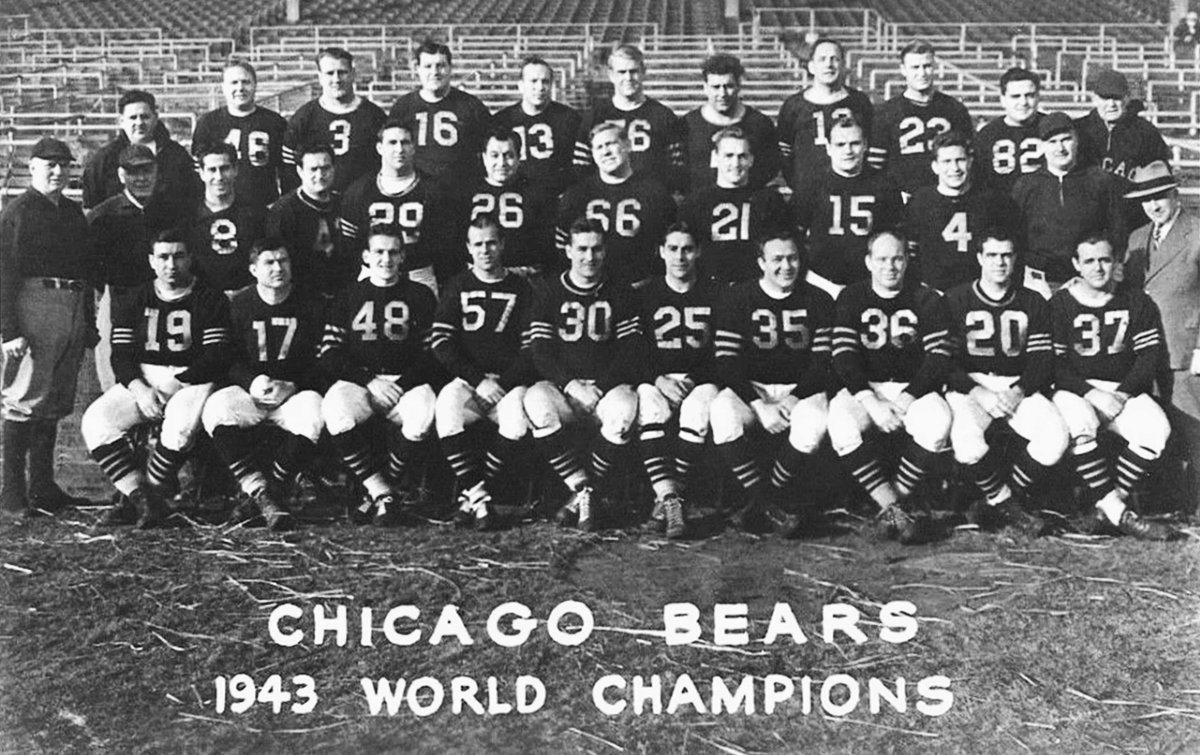
Wrigley Field has seen legendary moments, such as Babe Ruth’s “called shot” in 1932 and the Cubs’ 2016 World Series triumph that ended a 108-year drought (e-a-a.com). The park has also hosted football (Chicago Bears, 1921–1970), concerts, and community events, solidifying its role as a cultural hub (baseballbiographies.com).
Visiting Information: Hours, Tickets, Accessibility
Visiting Hours
- Games: Gates generally open 90 minutes before first pitch.
- Tours: Guided tours are typically offered from 10 a.m. to 4 p.m., with schedules varying by season and game day. Confirm up-to-date hours at the Cubs’ official tour page.
Tickets
- Games: Purchase through the Cubs’ official site, stadium box office, or trusted resellers. Prices vary by game and seat.
- Tours: Book in advance via the official tour site or MLB Ballpark app. Public tours are $30/person (plus tax), children under two are free. VIP/private and educational group tours are available.
Accessibility
Wrigley Field is ADA-compliant with accessible entrances, elevators, restrooms, and seating. Some historic areas, like the Cubs dugout, may have limited access. For detailed info, visit the Cubs accessibility page.
Getting There: Transportation and Parking
- Public Transit: Take the CTA Red Line to Addison Station, located steps from the ballpark (Chicago Transit Authority). Bus routes also serve the area.
- Parking: Limited parking is available; reserve in advance through official Cubs lots or reputable apps (The Budget Savvy Travelers). Public transit is recommended on game days.
- Bus Drop-off: Tour buses may unload at Clark and Addison but must idle on Irving Park Road during tours (MLB Cubs Ballpark Tours).
Neighborhood Attractions and Dining
The Wrigleyville neighborhood buzzes with energy, offering bars, restaurants, and shops for pre- and post-game festivities. Notable spots include Murphy’s Bleachers and The Cubby Bear. Gallagher Way, adjacent to the ballpark, hosts events and provides a family-friendly plaza (touristsecrets.com).
Guided Tours: What to Expect
Tours provide access to:
- The field and dugouts
- Press box
- Ivy-covered walls
- Hand-turned scoreboard
- Visitors’ locker room
Each tour lasts 75–90 minutes, starts at Gallagher Way, and proceeds rain or shine. Stops may vary by event schedule. Educational and private tours are available for groups (MLB Cubs Ballpark Tours).
Wrigley Field Atmosphere and Traditions
- “The Friendly Confines”: Intimate seating and communal spirit foster a unique game-day experience.
- Seventh-Inning Stretch: Fans sing “Take Me Out to the Ball Game,” a tradition popularized by Harry Caray.
- Bleacher Culture: Lively, social, and a Chicago favorite.
- Traditions: Throw back visiting team home run balls, chalk art on brick walls, and flying the “W” flag after wins (The Betty Chicago).
Food, Drink, and Local Flavors
Classic concessions include Chicago-style hot dogs, deep-dish pizza, garlic fries, and local craft beers. Premium tickets or rooftop packages often feature all-inclusive menus (The Tourist Checklist).
Safety and Security
Security screenings are in place at all entry points. Prohibited items include large bags, weapons, and outside alcohol. Review the latest policies before your visit (The Budget Savvy Travelers).
Frequently Asked Questions (FAQ)
Q: What are Wrigley Field’s visiting hours?
A: Game day gates open 90 minutes before first pitch; tours run 10 a.m. to 4 p.m., check official site for updates.
Q: How do I buy tickets?
A: Through the Cubs’ official website, box office, or authorized sellers.
Q: Are tours accessible for people with disabilities?
A: Most areas are accessible; contact fan services for special accommodations.
Q: What are the best seats?
A: Bleachers for energy, premium areas for amenities, rooftop seats for a unique view (Frayed Passport).
Q: Where can I park?
A: Limited parking is available nearby; public transit is strongly recommended.
Summary and Tips for Travelers
Wrigley Field is more than a baseball stadium—it’s a living testament to Chicago’s heritage and America’s sporting tradition. Visitors enjoy a blend of historic architecture, modern amenities, and vibrant neighborhood culture. With accessible transportation, inclusive facilities, and memorable fan traditions, every trip to Wrigley Field is special. For up-to-date schedules and tickets, use the Audiala app and follow official channels. Explore related Chicago landmarks to round out your historical adventure.
Listen to the full story in the app
Your Personal Curator, in Your Pocket.
Audio guides for 1,100+ cities across 96 countries. History, stories, and local insight — offline ready.
Audiala App
Available on iOS & Android
Join 50k+ Curators
Sources
- verified
- verified
- verified
- verified
- verified
- verified
- verified
- verified
- verified
- verified
- verified
- verified
- verified
- verified
Last reviewed: