Introduction
Nestled at the southeast corner of Lake Street and Wacker Drive, the Wigwam site stands as a pivotal emblem of Chicago's role in American political history. While the original Wigwam—built for the 1860 Republican National Convention where Abraham Lincoln was nominated—no longer stands, the site is preserved and commemorated as a Chicago Landmark. Today, visitors can explore this storied location free of charge, reflect on its rich past, and use it as a gateway to many of downtown Chicago’s most iconic attractions. This guide provides detailed information on the Wigwam’s history, visiting hours, accessibility, nearby sites, and practical travel tips, ensuring you make the most of your visit (Chicago.gov, Chicago Magazine, Kiddle).
Site Origins and Historical Context
Long before the Wigwam, this site hosted the Sauganash Hotel, Chicago’s first hotel and civic hub, built in 1829–30 by Mark Beaubien. It witnessed the city’s first elections and served as its initial theater. After the hotel’s destruction by fire in 1851, the area remained a focal point for civic gatherings, setting the stage for the Wigwam’s construction nearly a decade later (Kiddle).
Construction, Design, and Political Importance
Commissioned for the 1860 Republican National Convention, the Wigwam was designed by W. W. Boyington—famed for the Chicago Water Tower. Built in just over a month, the two-story, gas-lit wooden structure could accommodate up to 12,000 people and featured telegraph lines for real-time news dissemination, a technological marvel at the time (Chicago.gov).
The name “wigwam” is derived from an Algonquian word for “dwelling,” reflecting indigenous influences and the democratic spirit of communal gathering (WC90 Wordpress).
The 1860 Republican National Convention
The Wigwam’s greatest claim to fame is as the venue for the 1860 Republican National Convention, where Abraham Lincoln was nominated as the party’s presidential candidate. Though not physically present, Lincoln’s supporters worked tirelessly within the hall, securing his nomination on May 18, 1860—a moment that profoundly shaped the nation’s future (Chicago Magazine).
Civil War and Urban Evolution
Following the convention, the Wigwam became a rallying point during the Civil War, hosting pro-Union events and serving as temporary quarters for soldiers. Later, it was repurposed as a bustling urban marketplace with multiple shops, illustrating Chicago’s rapid growth and adaptability in the 19th century.
Demise and Lasting Legacy
The original Wigwam succumbed to fire in 1869, two years before the Great Chicago Fire. Despite its destruction, the site’s legacy endures—“wigwam” became a term for political headquarters in Chicago, and the location is honored as a Chicago Landmark with commemorative plaques (Classic Chicago Magazine, Kiddle).
Visiting the Wigwam Site Today
Location and Accessibility
- Address: 191 N. Wacker Drive, at Lake Street and Wacker Drive (Wikipedia, Wikiwand)
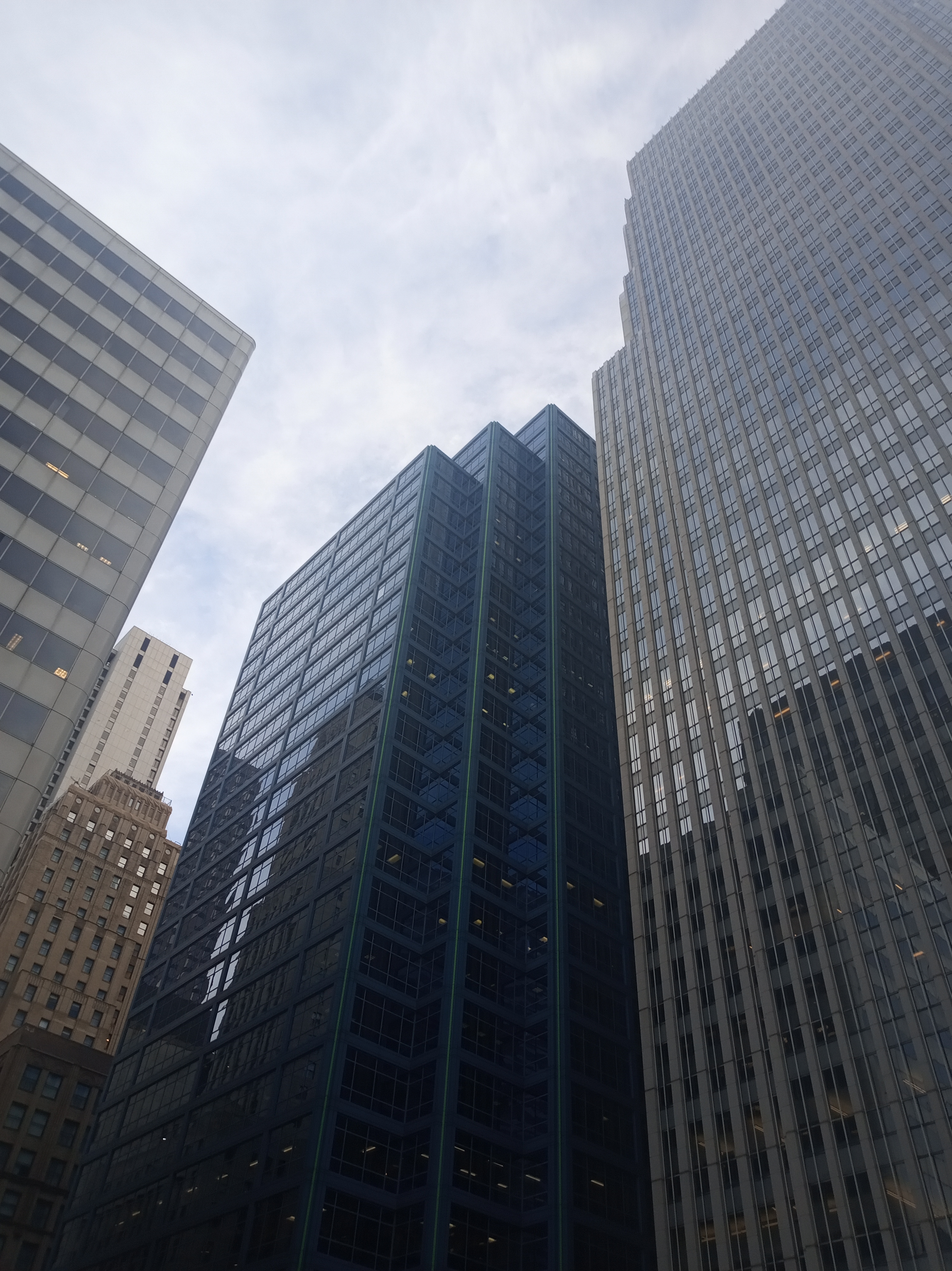
- Neighborhood: West Loop, within walking distance of the Loop, Riverwalk, and major attractions.
- Access: Easily reached via CTA ‘L’ trains (Clark/Lake station) and multiple bus routes. The area is flat, paved, and fully wheelchair accessible.

Visiting Hours and Tickets
- Hours: Open 24/7, year-round. The site is outdoors and freely accessible.
- Tickets: No admission fee or tickets are required.
Guided Tours and Visitor Experience
While no tours are dedicated solely to the Wigwam, it is frequently included as a highlight on Chicago history and architecture walking tours. For deeper context, book a Loop or Chicago political history tour with local operators (Timeout Chicago).
Commemorative Plaques
Two plaques, installed by the Daughters of the American Revolution and rededicated in 2017, mark the significance of both the Sauganash Hotel and the Wigwam. They are mounted on a cast stone marker on the median at Wacker and Lake, providing concise historical context for visitors (Chicago.gov).
Photography Tips
- Best light is during daylight hours, especially mid-morning or late afternoon.
- The site itself offers urban backdrops, while the nearby Chicago Riverwalk provides scenic views of the skyline and water.
Nearby Attractions
Within a short walk, visitors can enjoy:
- Chicago Riverwalk: Dining, river views, public art (Choose Chicago).
- Millennium Park: Home to Cloud Gate (“The Bean”), gardens, and performance spaces.
- The Art Institute of Chicago: Renowned art collections and exhibits.
- Chicago Theatre: Historic performing arts venue.
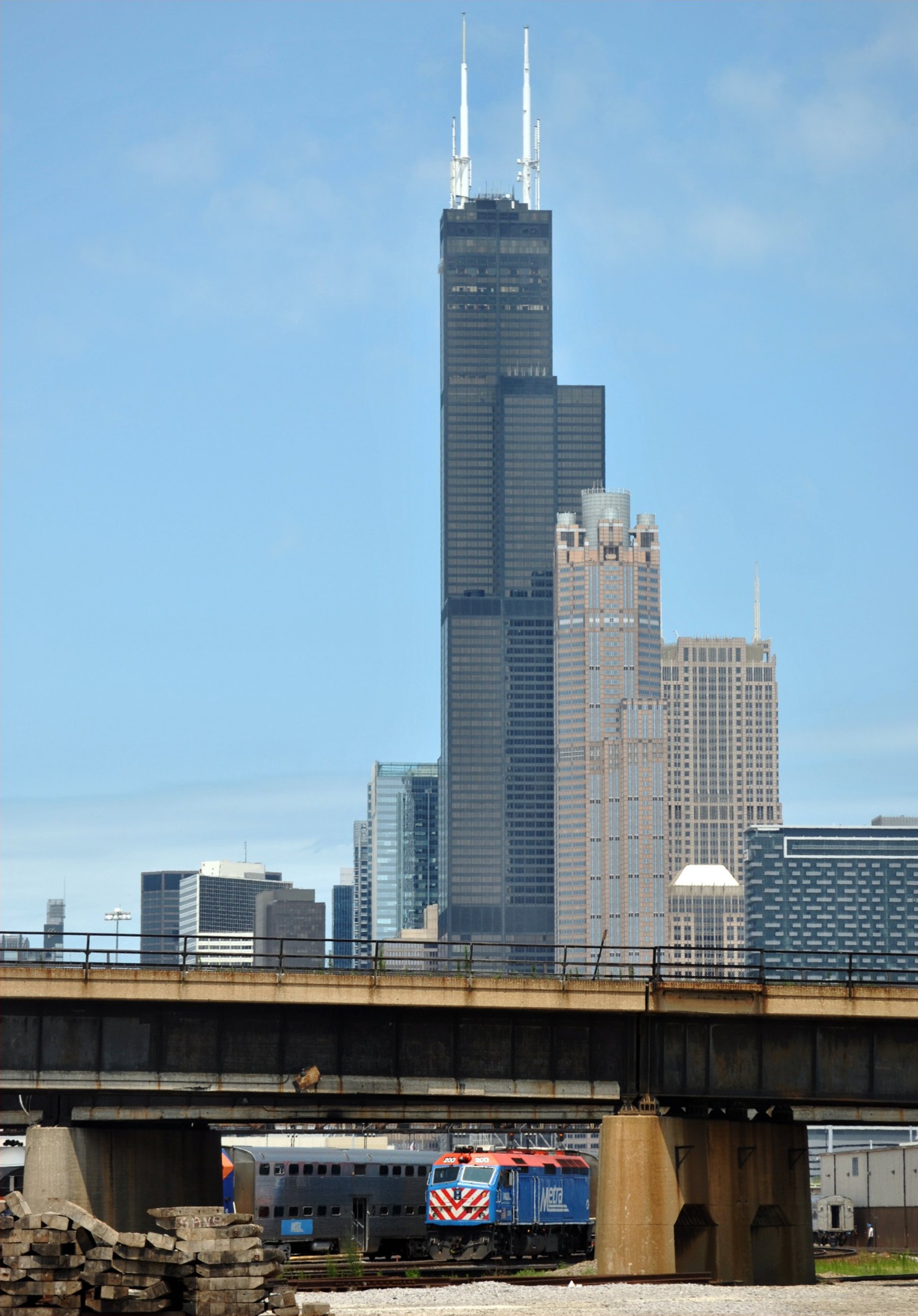
- Willis Tower Skydeck: Panoramic city views.

Travel Tips and Accessibility
- Best Time to Visit: Late spring to early fall (May–October) for mild weather (Lonely Planet).
- Public Transit: Clark/Lake CTA station is nearby (CityPASS).
- Parking: Limited and expensive—use public transit or rideshare.
- Biking: Divvy bike-share stations are close by.
- Amenities: Numerous cafes, restaurants, and public restrooms nearby.
- Safety: The area is safe and well-trafficked; use standard urban awareness.
Frequently Asked Questions (FAQ)
Q: What are the Wigwam Chicago visiting hours?
A: The site is open 24/7 and always accessible.
Q: Is there an admission fee or ticket required?
A: No—visiting is free.
Q: Are guided tours available?
A: Many Loop and historical walking tours include the Wigwam site.
Q: Is the site wheelchair accessible?
A: Yes, the area is flat, paved, and ADA accessible.
Q: What is the best time to visit?
A: Daytime for optimal visibility and photos.
Q: What can I see at the site?
A: A commemorative plaque and interpretive signage—no original structure remains.
Summary Table: Quick Facts
| Feature | Details |
|---|---|
| Location | 191 N. Wacker Dr. (Lake & Wacker), Chicago, IL |
| Landmark Status | Chicago Landmark (since 2002) |
| Original Structure | Built 1860, destroyed 1869 |
| Historical Significance | Site of 1860 Republican National Convention, Lincoln’s nomination |
| Accessibility | Fully accessible, public sidewalk |
| Admission | Free, open 24/7 |
| Nearby Attractions | Riverwalk, Millennium Park, Willis Tower, Chicago Theatre |
| Public Transit | Clark/Lake CTA station (multiple lines) |
| Amenities | Cafes, restrooms, seating, public art nearby |
Listen to the full story in the app
Your Personal Curator, in Your Pocket.
Audio guides for 1,100+ cities across 96 countries. History, stories, and local insight — offline ready.
Audiala App
Available on iOS & Android
Join 50k+ Curators
Sources
- verified
- verified
- verified
- verified
- verified
- verified
- verified
- verified
- verified
- verified
- verified
Last reviewed: