What Western Avenue Is
Western Avenue is one of Chicago’s longest and most iconic streets, stretching nearly 24 miles through 16 distinctly diverse neighborhoods, from Howard Street in the north to 119th Street in the south. This major corridor connects communities shaped by waves of immigration, architectural evolution, and cultural innovation. Along Western Avenue, visitors encounter historic sites, ethnic eateries, music venues, and public spaces, with each neighborhood offering its own flavor and story.
The corridor is well served by public transit, pedestrian walkways, and bike lanes. Visitors interested in Chicago’s landmarks, music, or South Asian, Mexican, Polish, German, and Middle Eastern cuisine can explore many parts of the city along the avenue. The Audiala app provides maps, guided tours, and real-time event updates (Secret Chicago, This Darling World, Wikipedia).
History
Western Avenue began as part of Chicago’s foundational grid, shaped by the 1785 Land Ordinance. Over time, it became a vital north-south artery that enabled the city’s expansion and the development of its diverse neighborhoods. The avenue witnessed the evolution of streetcars, the rise of industrial centers, and the emergence of cultural enclaves that now define Chicago’s urban life.
What to See and Do
Cultural and Historic Sites
- Devon/Western Explore Chicago’s South Asian community through its restaurants, bakeries, and shops.
- Lincoln/Lawrence/Western Find European and Middle Eastern dining and boutiques.
- Public art and parks The Western Avenue Corridor Study has promoted public art and park improvements for walkers and families.
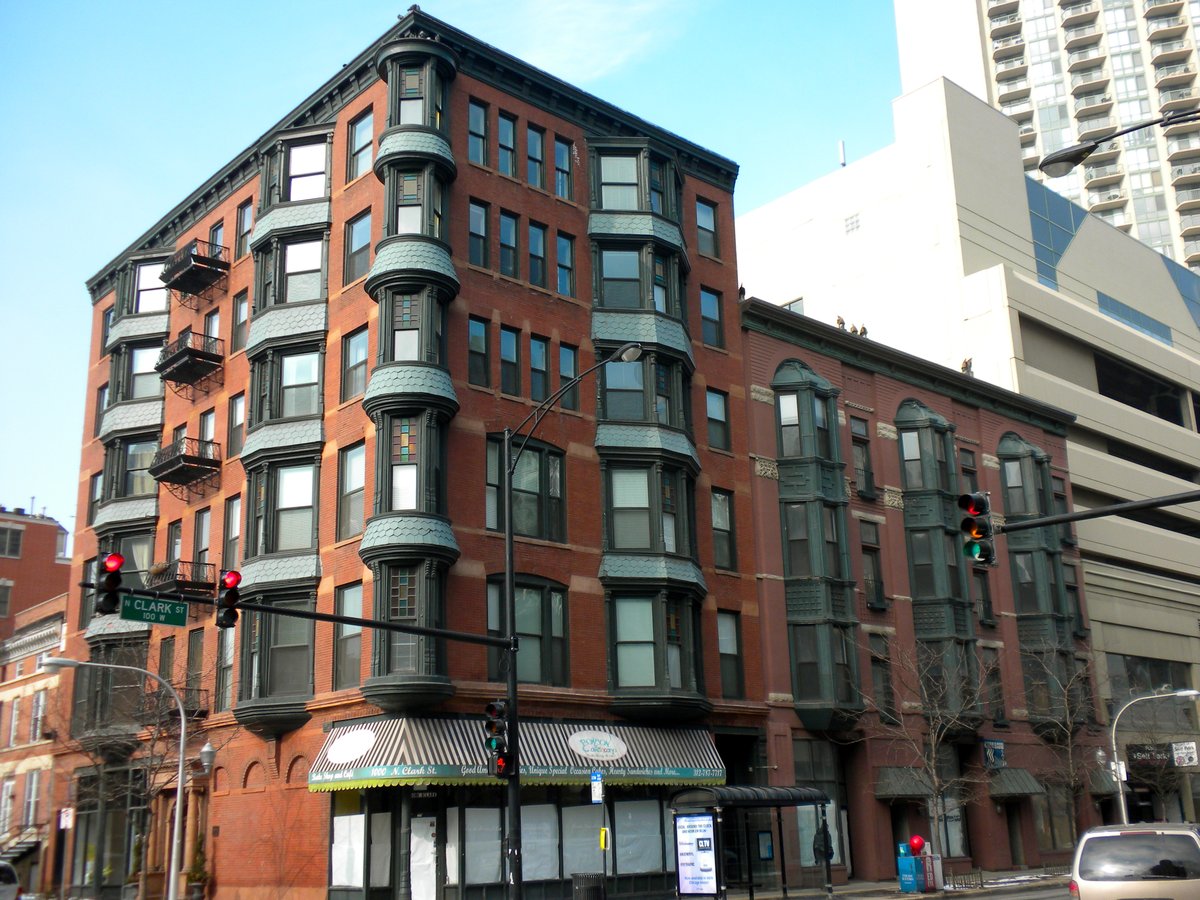
- Historic architecture See early 20th-century storefronts and apartment buildings reflecting Chicago’s architectural legacy.
- Rosehill Cemetery A historical site along Western Avenue.
- Old Town School of Folk Music Located in Lincoln Square.
Neighborhood Highlights
- Back of the Yards Historic industrial architecture and Mexican-American culture.
- Pilsen and Little Village Colorful murals, Mexican cuisine, and lively festivals.
- Ukrainian Village and West Town Eclectic dining, live music, and independent shops.
- Wicker Park and Bucktown The 606 Trail, street art, and vibrant nightlife.
- Lincoln Square German heritage and the Old Town School of Folk Music.
- Jefferson Park and Forest Glen Polish delis and cultural festivals.
Dining and Nightlife
- Lincoln Square German bakeries, beer gardens, and gastropubs such as The Green Post (Secret Chicago).
- Ravenswood and Andersonville Artisanal coffee, brunch spots, and Bonci’s Roman-style pizza (This Darling World).
- Logan Square and Humboldt Park Latinx taquerias, Cuban sandwiches, and bakeries.
- Bucktown Coffeehouses, vegan diners, and classic deep-dish pizza near the 606 Trail (The Savvy Globetrotter).
- Back of the Yards Mexican cuisine in storefronts and food trucks.
- Beverly and Morgan Park Irish pubs, classic diners, and Italian restaurants.
- Kens on Western Classic American fare and local beers (Secret Chicago).
- HaiSous Vietnamese Kitchen Vietnamese cuisine (This Darling World).
- Nightlife There are 64+ options, from historic taverns to modern beer gardens (Secret Chicago). Live music options include the Old Town School of Folk Music, indie and jazz venues, and Smartbar, just off Western (Toxigon).
Chicago Water Tower
Built in 1869, the Chicago Water Tower is one of the few survivors of the Great Chicago Fire and stands as a symbol of the city’s resilience. Today it serves as a gallery and visitor center, with rotating exhibits on Chicago’s culture.
Practical Visiting Information
Hours and Admission
- Western Avenue Open and accessible year-round, 24/7.
- Venues and sites Individual attractions, shops, and restaurants have varied hours; check ahead for specifics.
- Chicago Water Tower Daily, 10 AM–6 PM.
- Water Tower admission Free; donations are welcome for preservation.
- Water Tower events Guided tours and seasonal events are offered; check the official calendar for updates.
Transit, Parking, and Accessibility
- Public transit along Western Avenue The CTA X49 Western Express, multiple bus routes, and the Western/Leland Brown Line station provide access.
- Pedestrian and bike access Sidewalks, crosswalks, bike lanes, and Divvy bike-share stations are available throughout the corridor.
- Parking Parking is ample in commercial districts but limited during peak times; public transit or rideshare can be used instead.
- Getting to the Water Tower by bus The #49 Western connects to several ‘L’ lines.
- Getting to the Water Tower by train Transfer from Western to the Red Line to reach the Magnificent Mile and Water Tower; the closest stations are Chicago and State.
- Water Tower bike access Divvy stations are nearby.
- Driving to the Water Tower Street parking is available but limited near the Water Tower.
- Accessibility at the Water Tower The site is ADA-compliant, with ramps, elevators, and accessible restrooms. Sidewalks and crossings nearby are maintained for wheelchair and stroller use.
Tips and Safety
- Plan ahead Use the Audiala app for maps, tours, and live updates.
- Footwear Wear comfortable shoes for walking or biking.
- Weather Chicago weather is variable; dress appropriately.
- Events Check local calendars for festivals and markets.
- Western Avenue’s neighborhoods are generally safe, especially during the day. Stay in well-populated areas, be aware of your surroundings, and keep valuables secure.
- At night, stick to well-lit, busy areas and travel with friends.
Nearby Places
- 3 Arts Club Cafe Luxurious brunch just off Western (This Darling World).
- Smartbar A live music and nightlife venue just off Western (Toxigon).
Frequently Asked Questions
Is Western Avenue safe for tourists?
Yes, but exercise standard urban caution, especially at night.
Are there guided tours?
Several apps and local organizations offer guided and self-guided tours.
Is Western Avenue good for biking?
Yes, with many protected bike lanes and connections to city bike networks.
What’s the best way to get to the Chicago Water Tower from Western Avenue?
Take the #49 Western bus to a Red Line station, then transfer to the Water Tower area.
Are there historical sites along Western Avenue?
Yes, including Rosehill Cemetery, the Old Town School of Folk Music, and many preserved architectural gems.
Where can I find authentic ethnic cuisine?
Devon/Western for South Asian food, Pilsen and Little Village for Mexican food, Jefferson Park for Polish food, and Lincoln Square for German food.