Introduction
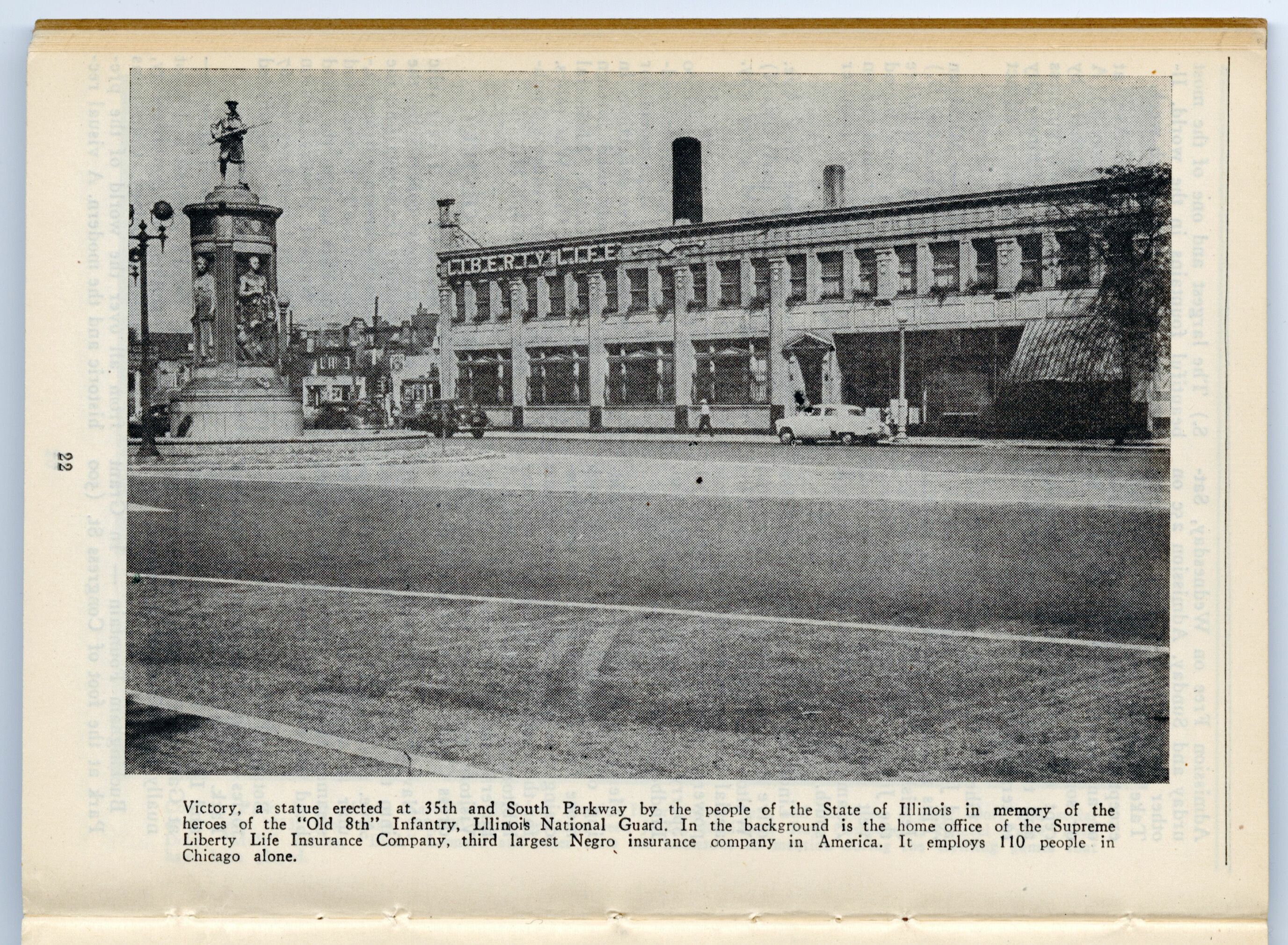
The Victory Monument in Chicago is a profound tribute to the bravery, sacrifice, and enduring legacy of African American soldiers—specifically those of the Eighth Regiment of the Illinois National Guard, later the 370th Infantry Regiment—who served during World War I. Erected in 1927 and located at the intersection of 35th Street and Dr. Martin Luther King Jr. Drive in Bronzeville, this monument not only honors military valor but also celebrates the resilience of Chicago’s Black community. As a central landmark in Bronzeville, the “Black Metropolis,” the Victory Monument stands as both a historical marker and a living site for community remembrance and civic pride (Wikipedia; Chicago Sun-Times).
Historical Background
Origins and Community Advocacy
The Victory Monument was the result of determined advocacy from Chicago’s Black community during the early 20th century. State Representative George T. Kersey was instrumental in securing public funding for the monument, ensuring that the contributions of the Eighth Regiment—one of the first Black regiments in Illinois—would be commemorated. The regiment, known for its service under French command due to U.S. segregation policies, received numerous commendations for its valor in World War I (Chicago Sun-Times; Traveler Lifes).
Design and Artistic Features
French-born sculptor Leonard Crunelle, recognized for his sensitive portrayals of African American subjects, designed the monument in collaboration with architect John A. Nyden (Wikipedia). The structure features a granite shaft approximately 12 meters (39 feet) high, crowned by a bronze “doughboy” statue added in 1936. Four bronze relief panels on the monument depict:
- An African American soldier, representing the regiment’s service.
- A female allegory of Victory.
- Scenes of military life and homecoming.
- Commemorative inscriptions of key figures and battles (Wikiwand).
Surrounding the monument are plaques honoring notable community members and a flagpole displaying the U.S., Chicago, and POW/MIA flags.
Dedication and Early Reception
Dedicated on Armistice Day, November 11, 1928, the monument quickly became a focal point for community gatherings and annual ceremonies (Chicago Sun-Times). While mainstream recognition was limited at the time, Black newspapers such as the Chicago Defender highlighted the monument’s importance. The Victory Monument served as a rallying point for both civic pride and ongoing advocacy for equality (Kids Kiddle).
Historical Context: Bronzeville and the Great Migration
Bronzeville emerged as a thriving center of Black culture, business, and activism during the Great Migration. The Victory Monument’s placement here was deliberate, reinforcing its role in narrating Chicago’s Black heritage (Choose Chicago; AARegistry). Nearby landmarks, such as the Bronzeville Walk of Fame and Ida B. Wells-Barnett House, further contextualize the area’s historical significance.
Preservation and Modern Legacy
Recognized for its national importance, the Victory Monument was added to the National Register of Historic Places in 1986 and designated a Chicago Landmark in 1998 (Wikipedia; UrbanMatter). Restoration efforts have preserved its artistic integrity, and the monument continues to host annual Memorial Day and Veterans Day ceremonies, as well as serving as the starting point for the Bud Billiken Parade (Traveler Lifes).
Visiting the Victory Monument
Visiting Hours, Admission, and Accessibility
- Hours: Open 24/7, year-round, as an outdoor public monument.
- Admission: Free; no tickets required.
- Accessibility: The site is wheelchair accessible, with paved paths and ramps.
Directions and Parking
- Address: 3501-3519 S. King Dr., Chicago, IL 60616 (Choose Chicago)
- Public Transit: Accessible via CTA Green Line (35th-Bronzeville-IIT station) and several bus routes.
- Parking: Limited street parking; public transit or rideshare is recommended.
Best Times to Visit
- Season: Spring through fall offers comfortable weather. June is warm, with average highs around 80°F (27°C) (The Savvy Globetrotter).
- Crowds: Early mornings or late afternoons on weekdays are quietest.
Guided Tours and Special Events
Local organizations, including the Bronzeville Historical Society, offer guided walking tours that feature the monument as a key stop. Annual Memorial Day and Veterans Day ceremonies, as well as the Bud Billiken Parade, are open to the public (UrbanMatter; Historic Black Wall Street).
Nearby Attractions
Extend your visit by exploring other historic sites in Bronzeville:
- Bronzeville Walk of Fame
- Ida B. Wells-Barnett House
- DuSable Museum of African American History
- South Side Community Art Center
- The Forum
- Monument to the Great Northern Migration
(Choose Chicago)
Visual Media
- [Victory Monument bronze doughboy and granite shaft – image and virtual tour available on local tourism portals]
- [Interactive map: Location and nearby attractions]
- [Video walkthrough of the monument and Memorial Day ceremonies]
Frequently Asked Questions (FAQ)
Q: What are the visiting hours?
A: The Victory Monument is open 24/7, year-round.
Q: Is there an admission fee or ticket required?
A: No. Visiting the monument is free; no tickets required.
Q: Is the site wheelchair accessible?
A: Yes, paved paths and ramps make it accessible for all visitors.
Q: Can I take photographs?
A: Yes, photography is encouraged.
Q: Are guided tours available?
A: Yes, several local organizations offer tours that include the monument.
Q: When are special events held?
A: Memorial Day, Veterans Day, and the Bud Billiken Parade are commemorated annually at the monument.
Listen to the full story in the app
Your Personal Curator, in Your Pocket.
Audio guides for 1,100+ cities across 96 countries. History, stories, and local insight — offline ready.
Audiala App
Available on iOS & Android
Join 50k+ Curators
Sources
- verified
- verified
-
verified
Victory Monument Chicago: A Comprehensive Visitor’s Guide to History, Art, and Architecture, 2024, Chicago Public Art resources and tourism portals
- verified
- verified
- verified
- verified
- verified
- verified
- verified
Last reviewed: