Introduction
The Ulysses S. Grant Monument in Chicago stands as a testament to the enduring legacy of the 18th President of the United States and Civil War general. Located in Lincoln Park, this monumental equestrian statue not only honors Grant’s military and presidential accomplishments but also reflects Chicago’s deep historical ties to the Union cause and its strong tradition of public art. Since its dedication in 1891, the Grant Monument has been a focal point for civic events, educational programs, and public reflection, evolving in meaning as perspectives on Grant’s legacy and American history continue to develop (Chicago Park District; Chicago Tribune Archives; Chicago Monuments Project).
This guide provides a comprehensive overview of the monument’s history, design, cultural significance, visitor information, and its place within contemporary discussions on public memory. Whether you’re a history enthusiast, a local Chicagoan, or a tourist, the Ulysses S. Grant Monument offers a rich and accessible window into the city’s, and the nation’s, past.
Historical Origins and Commissioning
The idea for the Ulysses S. Grant Monument was conceived shortly after Grant’s death in 1885, during a period of national commemoration for Civil War figures. Chicago’s Grant Monument Association, formed by local citizens and veterans, led the fundraising effort, collecting widespread public and private donations. Lincoln Park was chosen as the monument’s site, symbolizing both Grant’s significance and Chicago’s commitment to honoring the Union cause (Chicago Park District).
Artistic Design and Symbolism
The Sculptor and Architectural Team
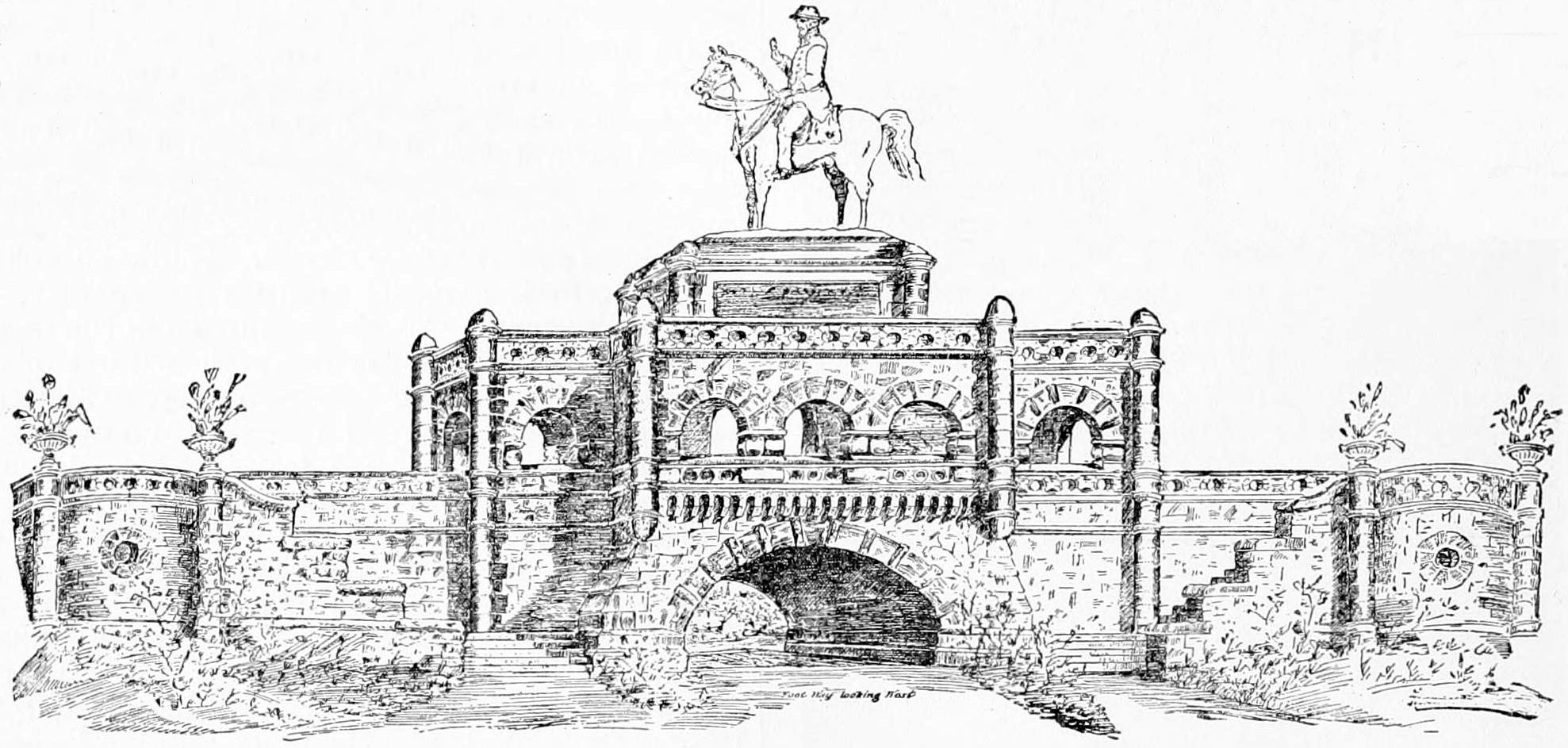
Italian-born sculptor Louis Rebisso was commissioned to design the monument. Rebisso, known for his monumental public works, depicted Grant in a contemplative equestrian pose—commanding and calm, rather than martial—emphasizing the burdens and responsibilities of leadership (Chicago Outdoor Sculptures Blog; Smithsonian Art Inventories Catalog).
Architect William Le Baron Jenney, a pioneer of the Chicago School, designed the granite pedestal, which is adorned with bronze reliefs depicting key moments from Grant’s military career, including the surrender at Appomattox and the Battle of Chattanooga. The use of Grant’s actual riding saddle and hat in the sculpture underscores the monument’s attention to historical authenticity (Wikipedia).
Monumental Features
At the time of its completion in 1891, the monument was the largest bronze statue ever cast in the United States, standing over 18 feet tall and composed of 22 joined bronze sections. Its elevated position atop a granite pedestal enhances its grandeur and visibility within Lincoln Park (Chicago Park District).
Dedication and Public Reception
The dedication ceremony on October 7, 1891, was a major civic event, attended by an estimated 250,000 people, including Civil War veterans and dignitaries from across the nation (Chicago Tribune Archives). The monument quickly became a focal point for Memorial Day observances and other patriotic gatherings, reinforcing Chicago’s identity as a city that honors its past and embraces public commemoration.
Restoration and Preservation
Over time, exposure to the elements necessitated several restoration efforts. Notably, a major conservation project in the 1990s included cleaning, masonry repair, bronze treatment, and the installation of new lighting, ensuring the monument’s preservation for future generations (Chicago Park District Restoration). The monument’s listing on the National Register of Historic Places affirms its status as a protected and valued historic site.
Civic and Educational Significance
The Ulysses S. Grant Monument is integral to Chicago’s tradition of public art, exemplifying the city’s late 19th-century movement to create accessible, meaningful landmarks in its parks and boulevards (Chicago Public Art Guide). The monument remains a popular site for school field trips, educational tours, and civic ceremonies, fostering public engagement with American history.
Interpretive signage and occasional guided tours help visitors understand Grant’s historical significance and the complexities of his legacy (Chicago Park District Education Programs).
Evolving Public Interpretation
In recent years, the Grant Monument has been reexamined in the context of national debates about the role of monuments and public memory. The Chicago Monuments Project included the Grant Monument among those under review for “problematic” aspects, particularly regarding Grant’s Native American policies during his presidency (Chicago Tribune; Public Ethics Blog). While Grant is celebrated for his military leadership and efforts to advance civil rights during Reconstruction, his “Peace Policy” toward Native Americans is now seen as deeply flawed, resulting in displacement and hardship for Indigenous peoples.
Rather than advocating for removal, many historians and civic leaders support contextualization—adding interpretive plaques and educational materials to provide a fuller picture of Grant’s complex legacy (Chicago Monuments Project). This approach encourages ongoing dialogue about history, identity, and the values reflected in public art.
Visitor Information: Hours, Tickets, Accessibility
Location
- Address: 2000 N. Cannon Dr., Chicago, IL 60614
- Located at the east end of Lincoln Park, near other cultural attractions and recreational facilities (Choose Chicago)
Visiting Hours
- The monument is accessible daily from 6:00 AM to 11:00 PM, in line with Lincoln Park’s operating hours. No restricted visiting times apply.
Admission and Tickets
- Free of charge; no tickets or reservations required.
Accessibility
- Wheelchair accessible with paved paths and ramps.
- Benches and shaded areas are available for rest.
Getting There
- Public Transit: CTA Red and Brown Lines (Fullerton Station), multiple bus routes to Lincoln Park.
- Parking: Paid lots and street parking nearby; limited spaces during peak periods.
- Bike: Divvy bike stations and trails throughout Lincoln Park.
Nearby Attractions and Travel Tips
- Lincoln Park Zoo: One of the oldest free zoos in the U.S., a short walk from the monument.
- Chicago History Museum: Offers exhibits on the city’s past, including Civil War-era Chicago.
- Peggy Notebaert Nature Museum: Family-friendly exhibits on natural history.
- Dining & Shopping: Lincoln Park neighborhood offers diverse restaurants and shops.
- Best Time to Visit: Weekday mornings or late afternoons for fewer crowds; spring and fall for scenic beauty.
- Photography: The monument’s open surroundings and elevated base offer excellent photo opportunities, especially during golden hour.
Frequently Asked Questions (FAQ)
Q: What are the visiting hours for the Ulysses S. Grant Monument?
A: The monument is accessible daily from 6:00 AM to 11:00 PM.
Q: Is there an admission fee or ticket required?
A: No, the site is free and open to the public.
Q: Is the monument accessible for people with disabilities?
A: Yes, the monument and surrounding paths are wheelchair accessible.
Q: Are guided tours available?
A: Occasionally, local historical societies and the Chicago Park District offer guided tours that include the monument.
Q: What other attractions are nearby?
A: Lincoln Park Zoo, Chicago History Museum, Peggy Notebaert Nature Museum, and other park amenities.
Q: Can I photograph the monument?
A: Yes, photography is encouraged.
Summary and Recommendations
The Ulysses S. Grant Monument is a striking blend of historical significance, artistic achievement, and cultural relevance. Its prominent location in Lincoln Park, accessibility, and proximity to other major attractions make it an essential stop for anyone interested in Chicago’s history or American public art. Restoration and contextualization efforts ensure that the monument remains a meaningful site for reflection, education, and ongoing public conversation about the nation’s past and future (Chicago Monuments Project; Choose Chicago).
To make the most of your visit:
- Allocate 30–45 minutes to explore the monument and its surroundings.
- Combine your trip with a visit to the zoo or museum for a full cultural experience.
- Take advantage of educational signage and guided tours when available.
- Check weather conditions and consider visiting during off-peak hours for a quieter experience.
- Download the Audiala app for guided tours and the latest information.
Listen to the full story in the app
Your Personal Curator, in Your Pocket.
Audio guides for 1,100+ cities across 96 countries. History, stories, and local insight — offline ready.
Audiala App
Available on iOS & Android
Join 50k+ Curators
Sources
Last reviewed: