
Historical Background and Urban Evolution
Site Origins: From Railroads to Urban Renewal
The land now home to The Heritage at Millennium Park and its neighboring green space tells the story of Chicago’s transformation. In 1852, the Illinois Central Railroad was granted land rights, and for decades, the area east of Michigan Avenue was dominated by rail lines and surface parking. This created a barrier between downtown and the lakefront (Chicago City Cast).
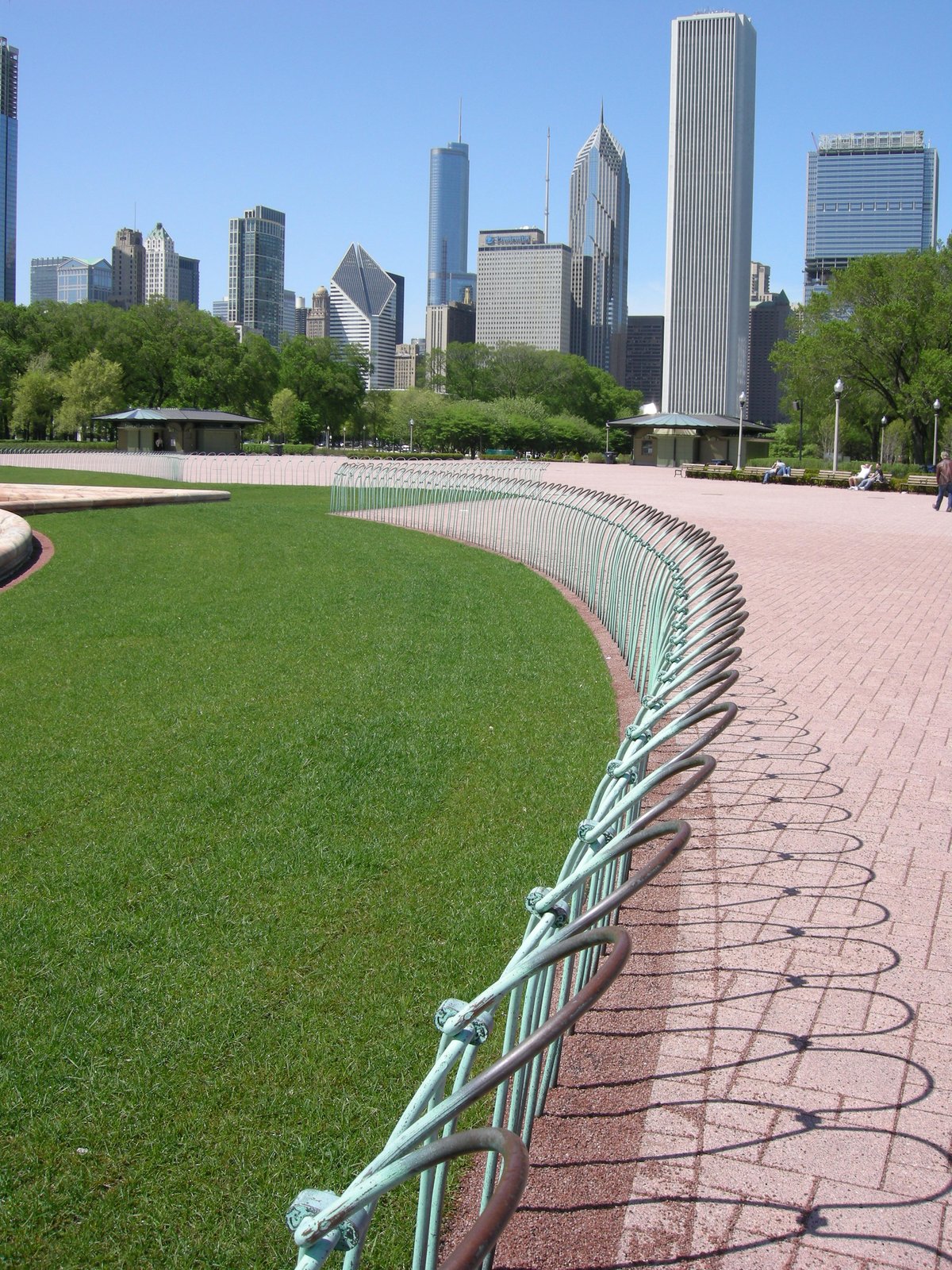
By the late 20th century, city leaders sought to reclaim and revitalize this underutilized land, envisioning a vibrant public park and new residential developments to reconnect the city with its waterfront.
Millennium Park and The Heritage: Planning and Development
Millennium Park’s planning began in 1996 and was publicly announced in 1998 by Mayor Richard M. Daley. Negotiations with the railroads enabled the city to secure land rights, paving the way for construction (Chicago City Cast). Originally projected for completion in 2000, the park ultimately opened in July 2004, following extended delays and a final cost of $490 million.
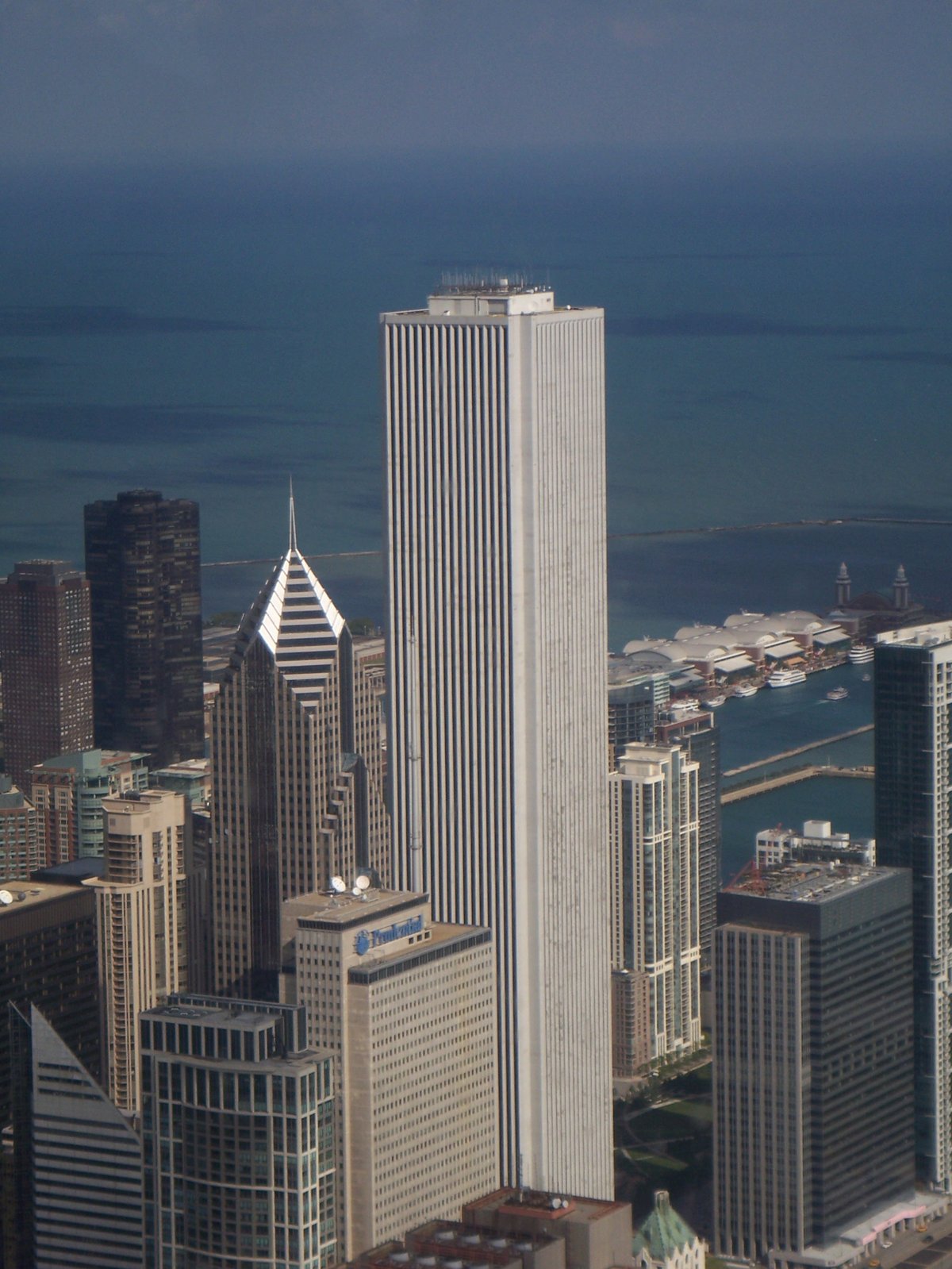
The Heritage at Millennium Park was completed in 2005, rising as a 57-story residential skyscraper with panoramic views of the park, lakefront, and skyline.
Architectural and Urban Significance
Design Context and Urban Integration
Designed by Solomon Cordwell Buenz, The Heritage at Millennium Park complements the city’s architectural heritage with a modern touch. The building features a sleek glass façade, vertical lines, and setbacks reminiscent of early 20th-century skyscrapers, reflecting Chicago’s “wedding cake” zoning and preserving sightlines to the park (Chicago Public Library; Choose Chicago).
Structural Innovations
The Heritage employs a reinforced concrete structural system for stability, acoustics, and fire resistance, with a central core housing elevators and mechanical systems. The integration of preserved historic masonry facades along Wabash Avenue at the tower’s base seamlessly connects the new development with Chicago’s architectural past.
Façade and Materials
The façade transitions from precast concrete panels with a limestone finish at lower levels to a glass curtain wall above, accented by aluminum mullions. Balconies provide private outdoor spaces, while high-performance glazing ensures comfort and sustainability.
Connection with Millennium Park
The Heritage’s main entrance, set back from Garland Court, creates a landscaped forecourt, contributing to the pedestrian-friendly environment. Ground-floor retail and lobby spaces with floor-to-ceiling windows foster a vibrant streetscape and visual connectivity with Millennium Park (Millennium Park Calendar).
Visiting Millennium Park
Hours, Tickets, and Visitor Tips
- Park Hours Open daily, 6:00 AM to 11:00 PM. Hours may be extended for special events (Choose Chicago).
- Admission Free. Tickets are only needed for select concerts or exhibitions.
- Attractions Cloud Gate (“The Bean”), Crown Fountain, Lurie Garden, BP Bridge, and Jay Pritzker Pavilion.
- Tours Guided tours of Millennium Park and surrounding landmarks are available through local providers.
Visitor Tips:
- Visit during early morning or late afternoon for the best photography light and fewer crowds.
- Check the official event calendar for concerts, festivals, and special exhibitions (Millennium Park Calendar).
- Commercial use of images of Cloud Gate is restricted (Chicago.gov).
Accessibility Features
- Wheelchair Access Paved paths, accessible restrooms, and entrances throughout the park.
- Assistive Devices Hearing assistance at Jay Pritzker Pavilion.
- Accessible Parking Millennium Garages provide accessible spaces, with online reservations encouraged.
- Pedway Access The Heritage directly connects to Chicago’s underground pedway for step-free access to transit and neighboring sites (HighrisesChicago).
Millennium Park’s Cultural and Social Impact
Millennium Park has become one of the Midwest’s top destinations, welcoming millions of visitors every year (Your Chicago Guide). Its acclaimed public art, free concerts, and year-round programming foster a sense of community and cultural vitality. The transformation of former rail yards into a lively urban oasis has spurred further investment in residential, retail, and hospitality development, with The Heritage at Millennium Park serving as a model for urban integration.
Nearby Historical Sites and Attractions
- Art Institute of Chicago Renowned museum with vast art collections.
- Chicago Cultural Center Historic venue with rotating exhibitions and free cultural programming.
- Grant Park Expansive lakefront park adjacent to Millennium Park.
- Maggie Daley Park Family-friendly green space with unique recreational facilities.
- Theater District Home to Broadway productions and historic theaters.
Frequently Asked Questions (FAQ)
Q: Can visitors tour inside The Heritage at Millennium Park?
A: The Heritage is a private residential building with no public tours or general access to residential areas. Ground-level retail spaces are open to the public.
Q: What are Millennium Park’s hours?
A: Daily, 6:00 AM to 11:00 PM. Special events may have extended hours.
Q: Do you need tickets for Millennium Park?
A: Admission is free. Some concerts or special events may require tickets.
Q: Is the area accessible for people with disabilities?
A: Yes, both The Heritage’s public areas and Millennium Park are accessible, with step-free entrances and accessible facilities.
Q: Where can I find event information?
A: The Millennium Park Calendar lists up-to-date events and exhibitions.