
Early Urban Development and the Birth of State/Lake Station
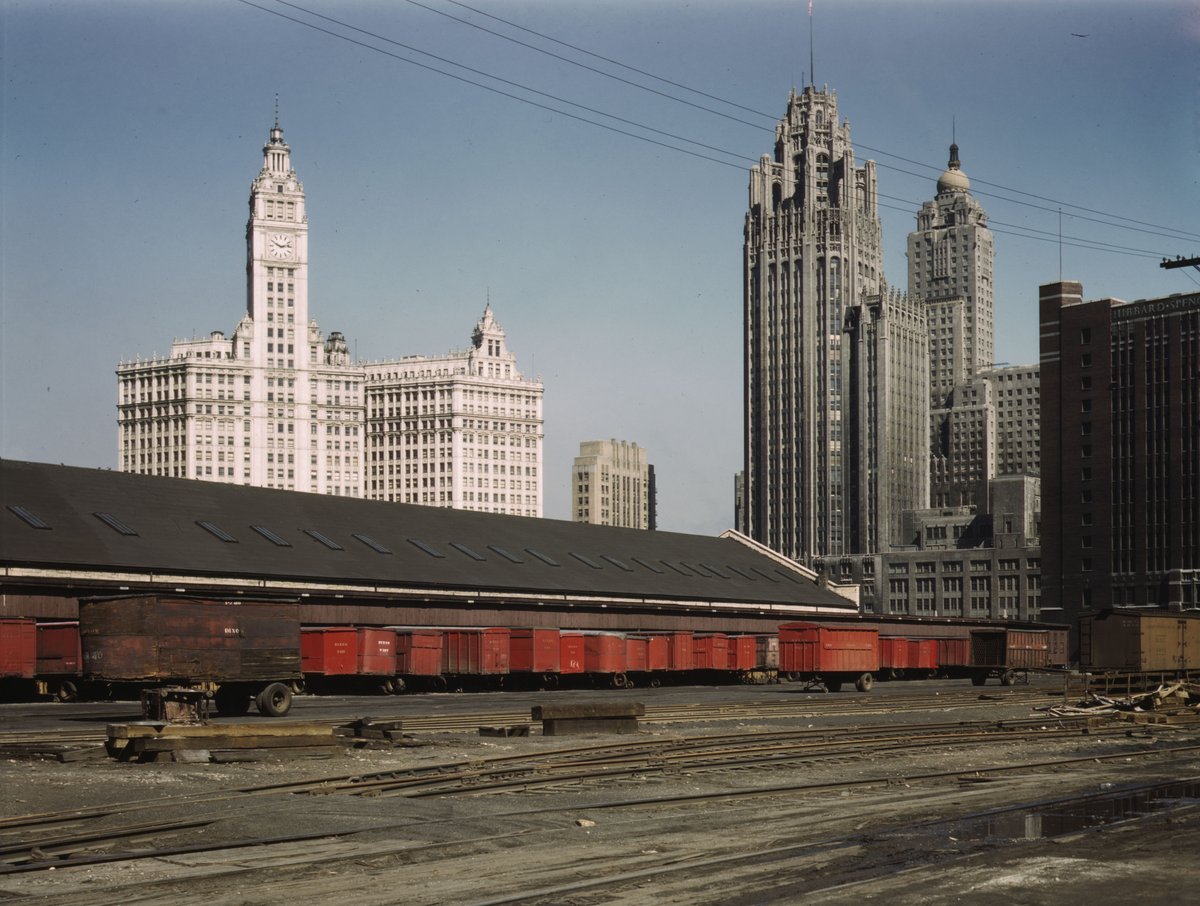
The story of State/Lake begins with Chicago’s explosive 19th-century growth. Situated at a key crossroads for trade and industry, the future Loop district was originally inhabited by Native American tribes taking advantage of the Chicago River and Lake Michigan (Britannica; History.com). After Chicago’s founding in 1833, infrastructural milestones such as the Illinois and Michigan Canal established the city as a transportation hub, rapidly transforming the Loop into Chicago’s commercial and cultural core.
By the late 1800s, State Street had become a bustling retail and entertainment corridor, and the need for efficient mass transit was critical as Chicago’s population soared (Chicago.gov).
The Rise of Elevated Rail and State/Lake’s Role
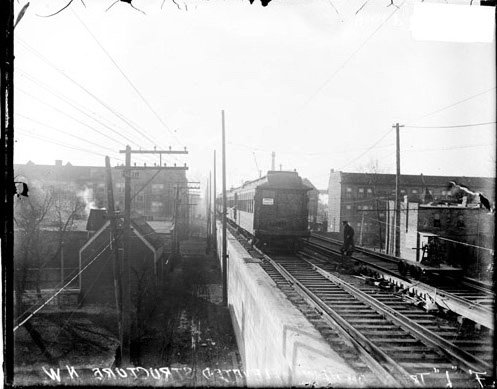
To meet unprecedented transit demands, the city constructed the elevated “L” system. State/Lake Station opened on September 22, 1895, as part of the Lake Street Elevated Railroad’s extension into the newly completed Union Loop (Wikipedia; Chicago-L.org). The elevated tracks—engineering marvels of their time—enabled efficient movement into the city’s heart, connecting commuters to theaters, department stores, and business offices. The station’s original decorative railings and canopies, some of which remain today, are a testament to its historic roots (Chicago-L.org).
Architectural Evolution and Historical Significance
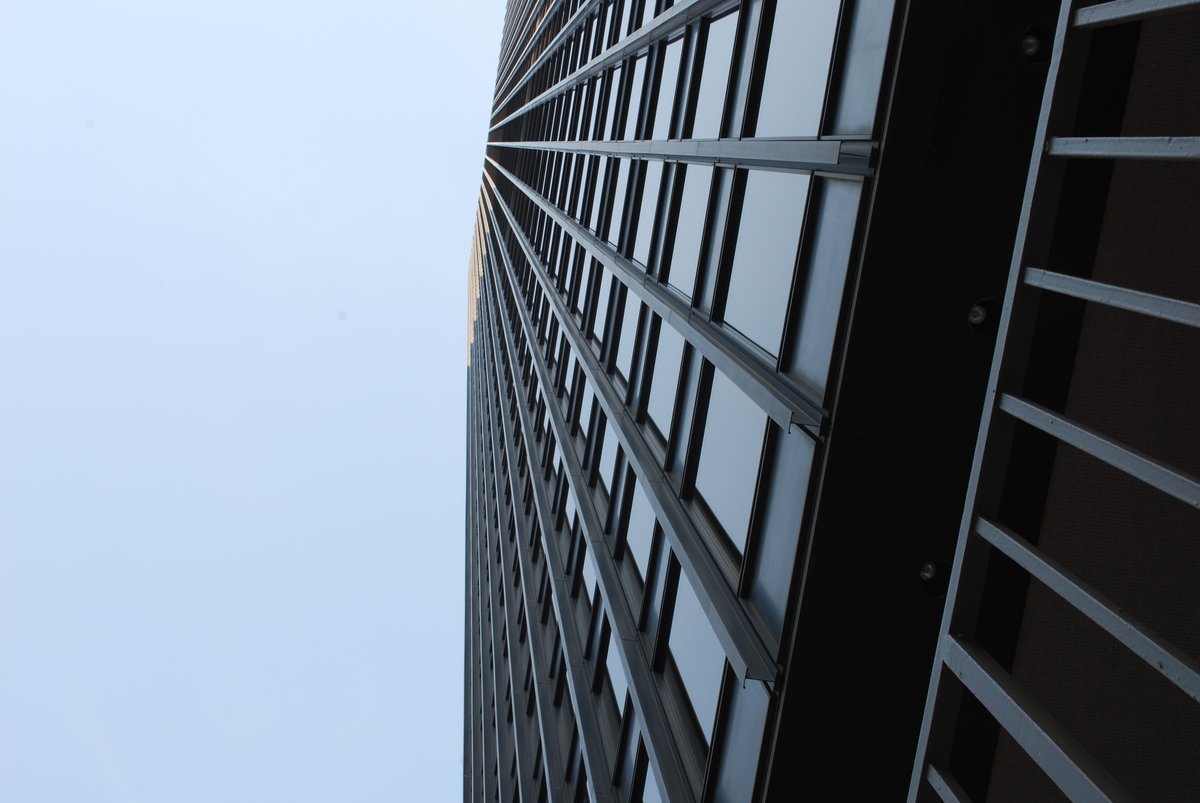
State/Lake Station’s architecture mirrors Chicago’s legacy of reinvention. While its original house was modest, upgrades over decades have balanced historic preservation with technological improvements. Notable features include the 2008 exterior curtain wall with programmable lighting, which celebrates city events and holidays (Chicago-L.org). Despite urban renewal and the aftermath of the Great Chicago Fire, State/Lake has remained a key landmark at the heart of the Loop (Loop Chicago).
Visiting Hours, Tickets, and Accessibility
- Hours State/Lake operates 24 hours, seven days a week.
- Tickets Purchase fares via the Ventra app, at station kiosks, or authorized retailers. For the latest pricing, refer to the CTA website.
- Accessibility While currently limited, a modernization project is underway to ensure full ADA compliance with elevators and ramps (SOM).
Travel Tips and Nearby Attractions
- Getting There State/Lake is served by five CTA rail lines—Brown, Green, Orange, Pink, and Purple (Wikipedia).
- Nearby Walk to the Chicago Theatre, Millennium Park, Art Institute, and State Street shopping.
- Safety Plan for crowds during peak hours; keep belongings secure.
State/Lake and the Growth of the Loop
The Loop, named for the circular route of the ‘L’ tracks, symbolizes Chicago’s transformation into a metropolis (Smithsonian Magazine). State Street, synonymous with commerce and entertainment, offers sweeping views of the city’s evolving architecture from State/Lake’s platforms (Loop Chicago).
Modernization and Preservation: The Future of State/Lake
In 2021, Chicago and the CTA announced a $180 million project to transform State/Lake into a fully accessible, modern transit hub while preserving historic features (SOM). Planned upgrades include a glass canopy, wider platforms, and public balconies. Funding is provided by federal, state, and local sources, including $119 million from the federal Congestion Mitigation and Air Quality Program (Chicago-L.org).
State/Lake in Chicago’s Social and Cultural Fabric
Beyond transit, State/Lake is a symbol of Chicago’s diversity and dynamism. In 2019, it saw over 3.7 million annual entries (Loop Chicago). Its blend of historic charm and modern convenience makes it a vital urban asset.
Historical Timeline and Key Milestones
- 1895 Station opens with the Lake Street Elevated Railroad (Wikipedia).
- 1900s The Loop thrives as a commercial epicenter (Bygonely).
- 1967 Escalators and modernization added (Chicago-L.org).
- 2008 Programmable curtain wall installed.
- 2021–Present Comprehensive modernization underway (SOM).
Historical Evolution: Origins to Modern Day
Origins and Early Years (1895–1940s)
State/Lake is one of Chicago’s oldest ‘L’ stations, opening in 1895 and quickly becoming a key node in the rapid transit network (chicago.gov). Its original wooden platforms and canopies reflected the era’s architectural style.
Mid-20th Century Developments
The station adapted to urban growth with upgrades to platforms, signage, and lighting, while preserving original cast-iron posts and railings (chicago-l.org).
Late 20th Century Renovations
Modern improvements included turnstiles for easier transfers and digital information panels. Yet, narrow platforms and lack of elevators persisted as challenges. By 2019, it ranked as the Loop’s second-busiest station (chicago.gov).
Present-Day Importance, Operations, and Visitor Insights
Central Role in the CTA Network
State/Lake connects five major lines and is within walking distance of Millennium Park, the Chicago Theatre, and the Art Institute. Trains run frequently, with real-time updates available online (unmissabletrips.com).
Accessibility and Customer Experience
While historic elements add character, the station’s current lack of elevators is being addressed by modernization efforts (chicago.gov). Use a Ventra card or contactless payment for the smoothest experience.
Visitor Tips
- Follow platform signs carefully.
- Peak hours are busiest; off-peak travel is more relaxed.
- Attractions such as the Chicago Theatre and Millennium Park are just steps away.
Modernization Plans: Redevelopment and Impact
A complete rebuild is planned, led by TranSystems and SOM (chicago.gov).
Key Features:
- Double-width platforms
- Four elevators (one at each corner) for full ADA compliance (chi.streetsblog.org)
- Glass canopy and scenic balconies
- Improved connectivity, including a direct, no-stairs Red Line transfer
Timeline & Funding:
Estimated at $180 million, with construction expected to begin soon after final funding and environmental review (chicago-l.org; reddit.com).
Impact:
The new State/Lake will set a benchmark for accessibility, safety, and rider experience.
Practical Traveler Information
- Location State & Lake, Chicago Loop
- Lines Served Brown, Green, Orange, Pink, Purple
- Operating Hours 24/7; check CTA schedules for real-time updates
- Fares $2.50 single ride; various pass options (unmissabletrips.com)
- Accessibility Major improvements forthcoming
- Nearby Chicago Theatre, Millennium Park, Art Institute, shopping
State/Lake: Gateway to Chicago’s Top Attractions
Why State/Lake is Your Urban Launchpad
Connected to five ‘L’ lines and located in the Loop, State/Lake offers unmatched convenience for exploring Chicago’s highlights (Urbanize Chicago). It’s the ideal starting point for visits to Millennium Park, the Art Institute, and the Theatre District.
Outdoor Spaces and Family Destinations
- Grant Park and Buckingham Fountain 12-minute walk, site of major festivals (Timeout Chicago)
- Lakefront Trail Access for walking, biking, and lake views (Secret Chicago)
- Maggie Daley Park Family-friendly recreation nearby
- Navy Pier Entertainment and boat tours, a short ride away (Timeout Chicago)
- Lincoln Park Zoo Free admission, accessible via the ‘L’
Dining, Nightlife, and Events
From deep-dish pizza to fine dining, the Loop offers a culinary spectrum. The Theatre District and Riverwalk provide nightlife and live entertainment (Timeout Chicago). Grant Park, Millennium Park, and nearby venues host festivals and concerts throughout the year (Choose Chicago).
Chicago Water Tower: Essential Visitor Guide
An enduring symbol of Chicago’s resilience, the Chicago Water Tower—built in 1869 and designed by William W. Boyington—survived the Great Chicago Fire and now stands as a gallery and visitor center along the Magnificent Mile.
Hours, Tickets, and Tours
- Open Daily 10 AM–6 PM
- Admission Free; special exhibitions may vary (Choose Chicago)
- Tours Many walking tours include the Water Tower (Nichole the Nomad)
Getting There
- Take the ‘L’ to State/Lake, then a short bus ride or 15–20 minute walk north (Mathematica)
- Divvy bikes and pedestrian-friendly routes available
Accessibility and Amenities
Accessible to visitors with mobility needs; nearby restrooms and visitor centers available (Mathematica; Chicago Visitor Center).
Safety and Tips
Downtown Chicago is generally safe, especially by day. Dress comfortably for walking and check the weather (The Broke Backpacker; The Savvy Globetrotter).
Summary and Final Tips
State/Lake Station isn’t just a transit stop—it’s a gateway to the best of Chicago, from historic landmarks to modern amenities (Chicago-L.org; Chicago.gov). With a transformative modernization project on the horizon and unbeatable access to the city’s attractions, State/Lake is the ideal starting point for any Chicago adventure.
For a seamless visit:
- Use a Ventra card for fares
- Download the Audiala app for real-time updates and travel tips
- Explore the Water Tower and other historic sites nearby
With its blend of history, innovation, and connectivity, State/Lake Station makes every Chicago visit richer and more memorable (CTA Website).