
1. South Side Park: A Historic Baseball Landmark
Visiting the Former Site
While South Side Park no longer stands, visitors can find its former location at West Pershing Road (formerly 39th Street) and South Princeton Avenue, now home to Wentworth Gardens. No official markers or structures remain, but a small baseball field nearby hints at the site’s storied past.
Location and Accessibility
The site is easily accessed by public transit (CTA Red Line Sox–35th station) or by car, with parking available in the area. Although there is no formal visitor center, combining a stop at the former park location with visits to nearby museums and neighborhoods is highly recommended.
Nearby Attractions
- Bronzeville Historic center of Black culture and entrepreneurship.
- DuSable Museum of African American History Celebrates Black heritage through exhibitions and programs.
- Armour Square Park Adjacent green space with recreational facilities.
- Guaranteed Rate Field Home of the Chicago White Sox, offering tours during the season (White Sox Official Site).
- Chinatown A vibrant neighborhood with dining and cultural experiences.
2. A Brief History of South Side Park
Early Development and White Sox Era
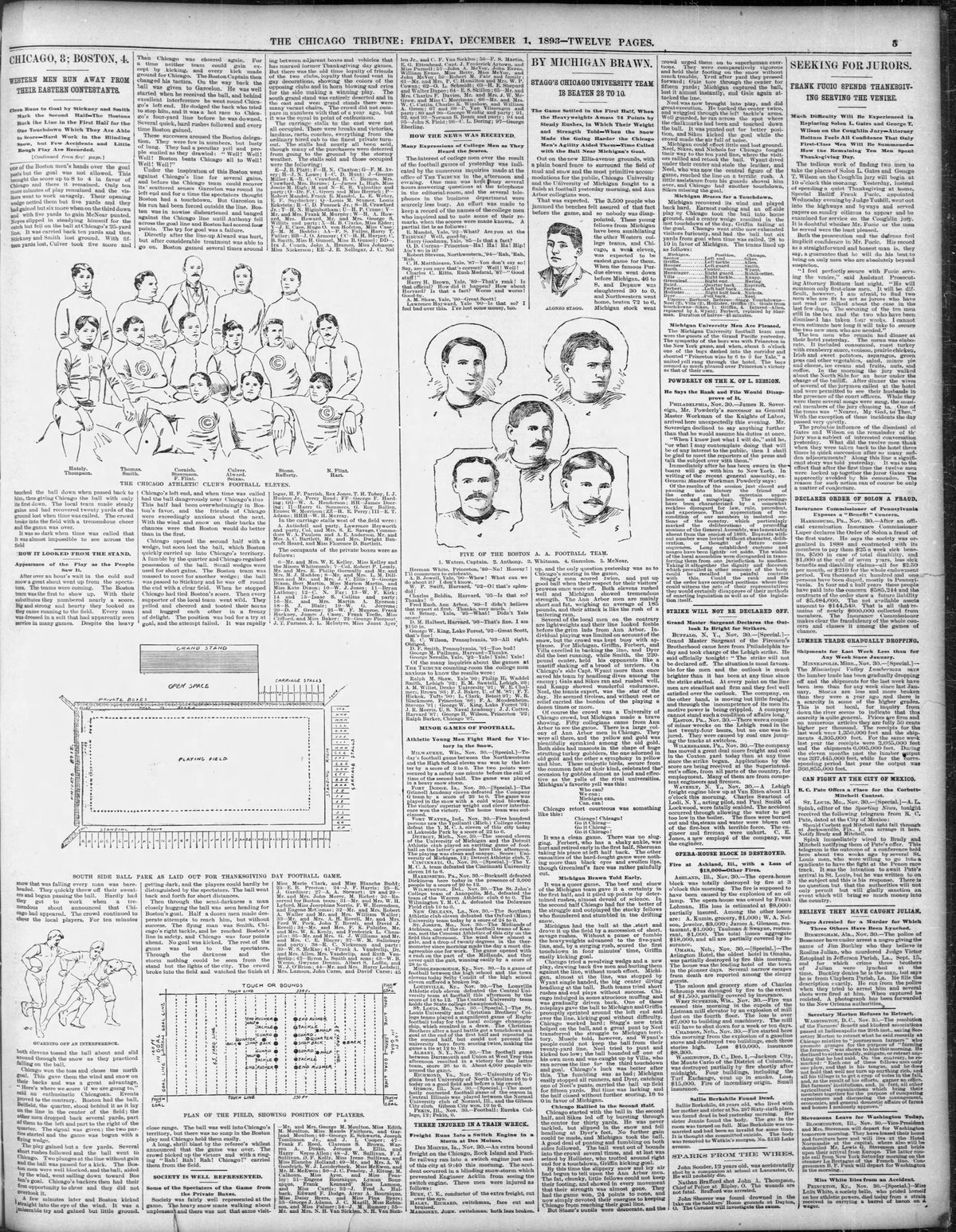
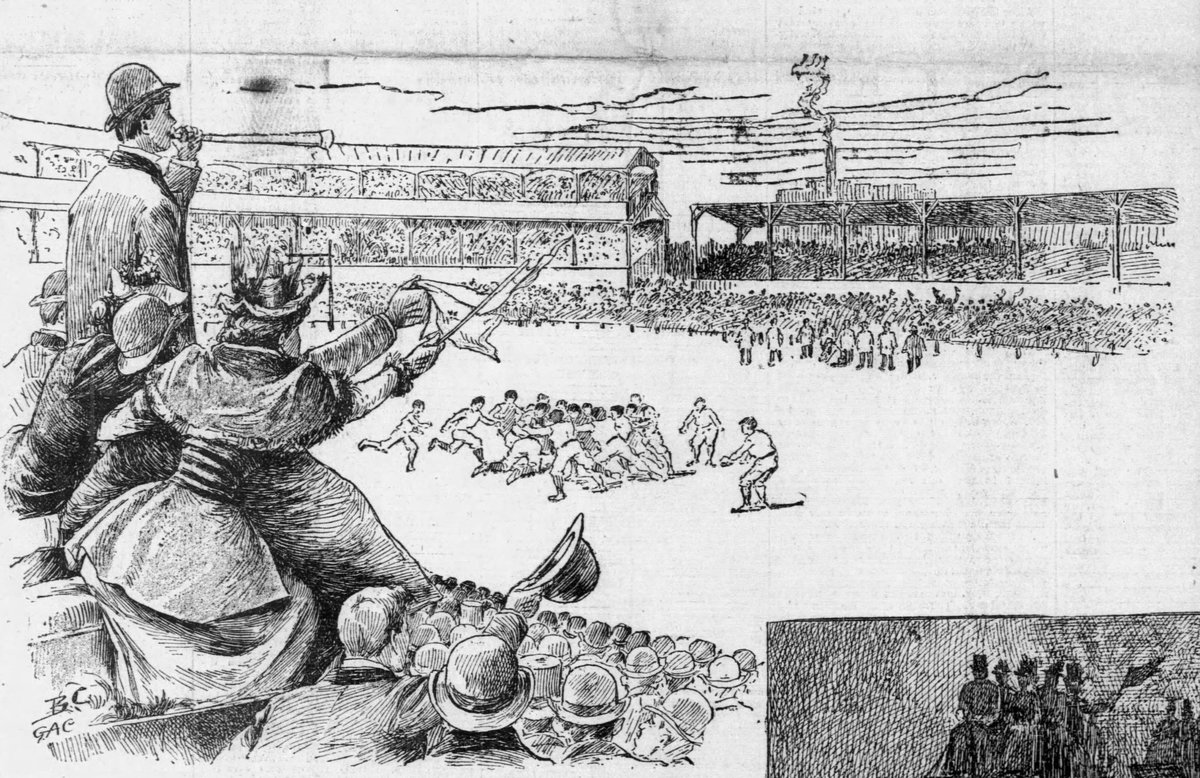
Constructed in 1891, South Side Park quickly became a core part of Chicago’s baseball scene. It hosted the Chicago White Sox from 1901 to 1910, witnessing their first American League pennant. The ballpark could accommodate up to 16,000 fans and was lauded for its accessibility and design.
The Negro Leagues and Schorling’s Park
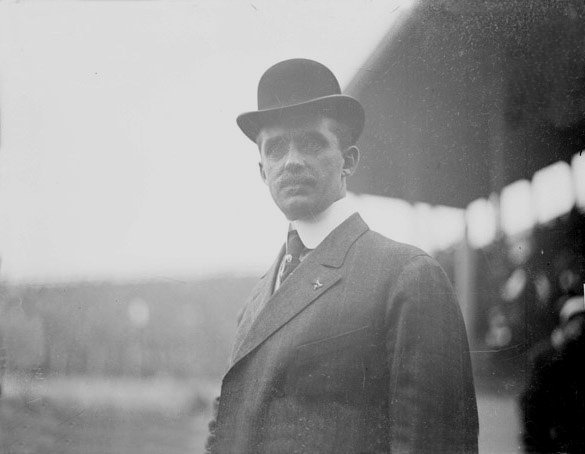
Following the White Sox’s move to Comiskey Park in 1910, the venue was renamed Schorling’s Park. It became the home of the Chicago American Giants, a flagship Negro League team. Under Rube Foster, Schorling’s Park became a focal point for Black baseball and community pride, hosting major events and barnstorming tours during segregation.
Decline and Enduring Legacy
Urban redevelopment in the 1940s led to the park’s demolition. Today, its legacy is preserved through local museums, cultural centers, and the continued celebration of Chicago’s rich sporting and Black cultural history.
3. FAQs About South Side Park
Can I visit South Side Park today?
The original ballpark no longer exists, but its site is accessible as a residential area with a small baseball field nearby.
Which teams played at South Side Park?
The Chicago Cubs (briefly in 1891), the Chicago White Sox (1901–1910), and the Chicago American Giants (Negro Leagues, 1911 onward).
Are there guided tours?
There are no official tours of the site, but several city walking tours and historical organizations cover related landmarks.
4. Historical and Cultural Foundations
African American Heritage and the Great Migration
The Great Migration transformed Chicago’s South Side, making neighborhoods like Bronzeville vibrant centers of African American culture, music, activism, and entrepreneurship. Landmarks and institutions in the vicinity, such as the DuSable Museum, preserve this powerful heritage (Eye & Pen).
Urban Transformation and Community Identity
The South Side has evolved from a mix of immigrant communities to a predominantly African American area, shaped by industrialization, redlining, and resilience through adversity (Grow Greater Englewood).
5. Urban Significance and Landmarks
Green Spaces and Recreation
The South Side features interconnected parks, including Washington Park and Jackson Park, which offer sports facilities, gardens, and historical landmarks like the site of the 1893 World’s Columbian Exposition (Time Out Chicago).
Architectural and Artistic Heritage
Iconic architecture and public art adorn the South Side, from Prairie School homes to the Stony Island Arts Bank, with murals and installations celebrating the area’s diversity (Urban Matter).
6. Cultural Institutions and Events
Museums and Cultural Centers
- DuSable Museum of African American History Chronicling Black experiences in Chicago and beyond.
- South Side Community Art Center The nation’s oldest African American art center (Eye & Pen).
Festivals and Community Gatherings
Annual events include the Chicago Jazz Festival, Chicago Blues Festival, and neighborhood art walks, bringing together residents and visitors to celebrate local talent (Choose Chicago).
7. Social and Economic Context
Community Resilience and Challenges
Despite economic challenges and disparities, the South Side’s community organizations and initiatives—such as urban farms and fresh food programs—work to build resilience (YMCA Chicago Community Assessment).
Education and Youth Engagement
Arts education, after-school programs, and mentorships are crucial for local youth, supported by schools and cultural institutions (YMCA Chicago Community Assessment).
8. Visiting Information
Hours, Admission, Accessibility
- Park Access The original park is not open as a public venue, but nearby parks (e.g., Armour Square) are open daily from dawn to dusk.
- Admission Free for public parks; check Chicago Park District for facility hours.
- Accessibility Most parks and public facilities are wheelchair accessible.
- Transit CTA Red Line Sox–35th station; CTA Trip Planner.
Guided Tours and Special Events
Walking tours and special events are often available seasonally; check with local organizations and The Crazy Tourist for current options.
Visitor Tips and Community Etiquette
- Visit during daylight hours, especially on game days.
- Respect residential areas (Wentworth Gardens).
- Support local businesses and cultural sites.
10. Frequently Asked Questions (FAQs)
Q: What are South Side Park’s visiting hours?
A: The site itself is not a public park, but nearby parks are open daily from dawn to dusk.
Q: Is there an entrance fee?
A: No, public parks are free; fees apply only for special events.
Q: How do I get there by transit?
A: Use the CTA Red Line Sox–35th station; plan with the CTA Trip Planner.
Q: Are there guided tours?
A: Several organizations offer tours focused on the area’s history and culture.
11. Plan Your Visit: Practical Checklist
- Best Time Baseball season (April–September) for stadium tours and neighborhood events.
- What to Bring Walking shoes, weather-appropriate clothing, water, and a camera.
- Local Etiquette Stay in public areas and respect residents.
- Apps Download the Audiala app for maps, events, and guided tours.
Discover More
Although the original South Side Park no longer stands, its legacy is woven into the fabric of Chicago’s South Side through rich historical narratives, cultural institutions, and a resilient community. The area offers a blend of history, culture, and recreation, inviting visitors to explore the enduring impact of Chicago’s baseball and African American heritage. Use resources like the Chicago Park District, White Sox Official Site, and local cultural guides to enrich your visit. Download the Audiala app for up-to-date maps, events, and recommendations, and support local businesses to be part of the community’s ongoing story. (South Side Park Chicago: History, Visiting Tips & Legacy, Exploring South Side Park: Visiting Hours, Tickets, and Chicago Historical Sites, Exploring South Side Park Chicago: History, Visiting Hours, and Nearby Attractions, Visiting South Side Park: Hours, History, Tips & Activities in Chicago)