Introduction
Located in Chicago’s historic Bronzeville neighborhood, the South Side Community Art Center (SSCAC) is a landmark institution dedicated to honoring and advancing African American art, culture, and history. Established in 1940 during the New Deal era, SSCAC is the oldest continuously operating Black arts institution in the United States. Housed in a stately 1893 mansion, the center was founded through the combined efforts of visionary Black artists and community leaders, with initial funding from the Federal Art Project under the Works Progress Administration (Sage Collective, Chicago YIMBY).
Throughout its history, SSCAC has nurtured and exhibited the work of legendary artists such as Gordon Parks, Elizabeth Catlett, Jacob Lawrence, and Gwendolyn Brooks. Its impact is further underscored by its designation as a Chicago Landmark, a National Treasure, and a listing on the National Register of Historic Places (Wikipedia, Saving Places, Chicago.gov, Toward Common Cause).
Although the center is temporarily closed for a major $15 million renovation and expansion project, SSCAC continues to serve as a cultural hub through virtual programs and community outreach. This comprehensive guide provides current information on visiting hours, ticketing, accessibility, historical context, and tips for planning your visit to one of Chicago’s most significant cultural sites (SSCAC Official, Black Art in America).
Origins and Founding (1938–1940)
The roots of SSCAC trace back to the late 1930s, a period of profound cultural change and economic challenge. In 1938, a group led by Golden B. Darby and Dr. Margaret Taylor-Burroughs began rallying support for a dedicated art space on Chicago’s South Side (Chicago YIMBY). Their efforts were part of the Federal Art Project under the WPA, which aimed to democratize art and support artists during the Great Depression (Sage Collective).
Through innovative fundraising events like the “Artists and Models Ball,” the committee purchased the current mansion at 3831 S. Michigan Avenue, originally designed by Gustav Hallberg in 1893 (Chicago Studies).
Early Years and Significance
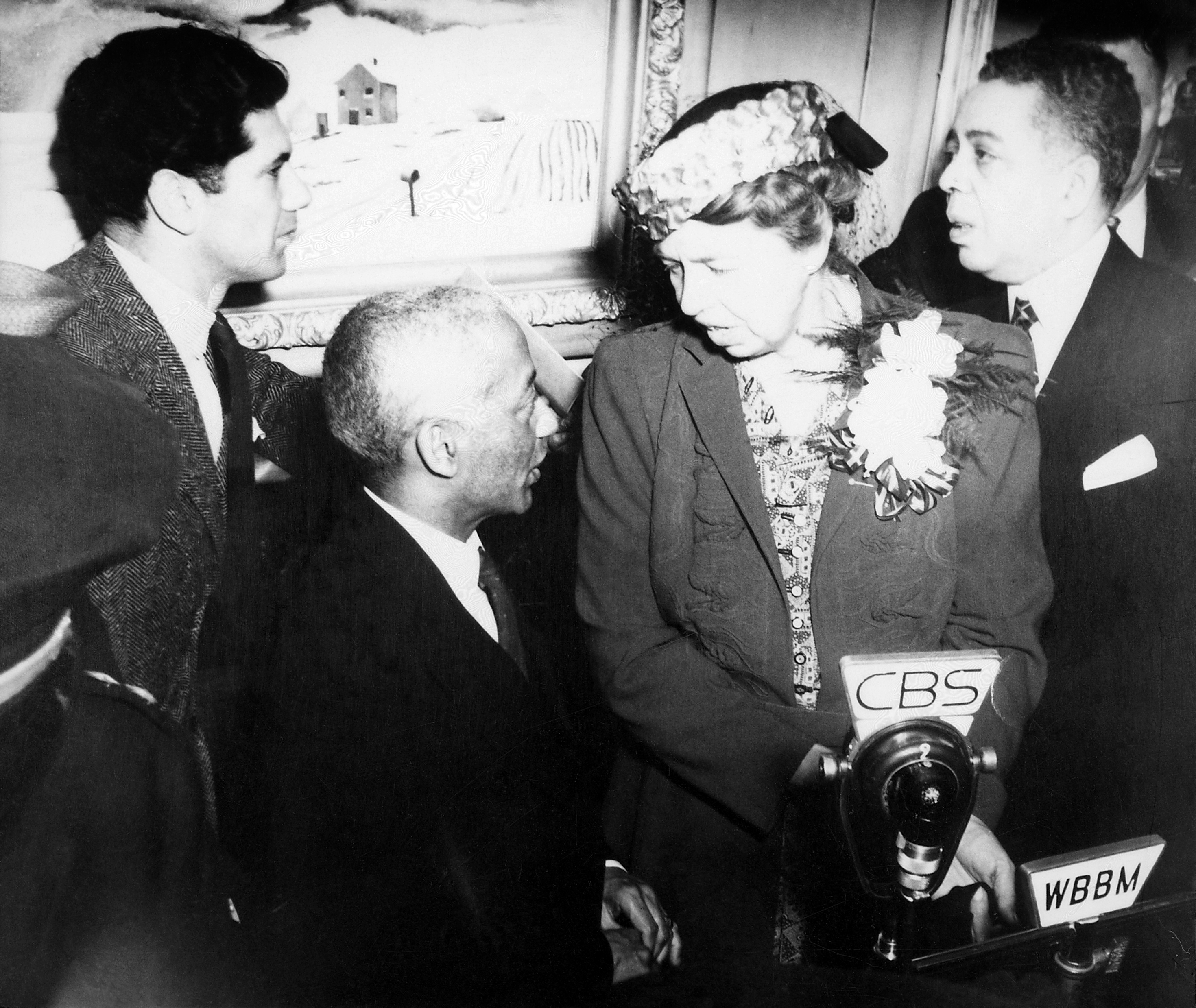
The mansion was remodeled with support from the Federal Art Project, and the SSCAC officially opened its doors in December 1940. In 1941, First Lady Eleanor Roosevelt dedicated the center, marking a pivotal moment in the recognition of Black artists on a national stage (Wikipedia, Saving Places).
Artistic and Community Impact
As the first Black art museum in the United States and the only WPA community art center still operating in its original building, SSCAC has played a crucial role in the development of African American art (Wikipedia). The center has supported eminent artists and provided comprehensive programming in visual arts, music, theater, and literature (Saving Places, Chicago.gov).
Architectural and Historic Recognition
The building’s Greek Revival architectural elements and historic significance have been carefully preserved. Its landmark status reflects both its architectural beauty and its role as a cultural anchor in Bronzeville (Wikipedia, Toward Common Cause).
Recent Developments and Expansion
In 2024, SSCAC embarked on a $15 million rehabilitation and expansion project led by Future Firm and wrkSHäp | kiloWatt. The renovation will add gallery space, modern lighting, and improved accessibility, ensuring SSCAC’s continued vibrancy for future generations (Chicago YIMBY, Black Art in America).
Planning Your Visit
Visiting Hours & Admission
Current Status:
As of July 2025, the SSCAC is closed for renovations. Visitors are encouraged to check the official SSCAC website or contact staff for updates on reopening.
General Hours (when open):
- Tuesday–Saturday: 11:00 AM – 6:00 PM
- Sunday: 12:00 PM – 5:00 PM
- Closed Mondays and major holidays
Admission:
Admission is typically free, with donations welcomed to support ongoing programs and preservation.
Accessibility
The SSCAC is committed to inclusivity. The renovation will further enhance accessibility for those with mobility challenges. For details on current or upcoming accessibility features, contact the center directly (SSCAC Official).
Guided Tours & Programs
Guided tours, workshops, lectures, and special events have been a core part of the SSCAC experience. These programs will resume after the expansion; check the website for schedules and booking information.
Directions & Nearby Attractions
Address: 3831 S. Michigan Avenue, Chicago, IL 60653
Public Transit: CTA Green Line (35th-Bronzeville-IIT or Indiana station) and bus routes along Michigan Avenue
Parking: Limited street parking available; public transit is recommended
Nearby Attractions:
- DuSable Museum of African American History
- Bronzeville Walk of Fame
- Bronzeville Visitor Information Center
- Local restaurants and cafés
Tips for Visitors
- Double-check visiting hours and event schedules before your trip.
- Subscribe to the SSCAC newsletter for reopening announcements and exhibition previews.
- Consider pairing your visit with a walking tour of Bronzeville for a deeper cultural experience.
Frequently Asked Questions (FAQ)
Q: What are the current visiting hours?
A: The SSCAC is temporarily closed. Reopening dates will be posted on the official website.
Q: Is there an admission fee?
A: No, admission is generally free. Donations are encouraged.
Q: Are tours available?
A: Guided tours and workshops will be available post-renovation. Check the SSCAC website for updates.
Q: Is the center accessible for people with disabilities?
A: The ongoing expansion will include enhanced accessibility features.
Q: How can I support SSCAC?
A: Donations, membership, and volunteering all help sustain SSCAC’s mission. Visit the Support SSCAC page for more information.
Visual Highlights

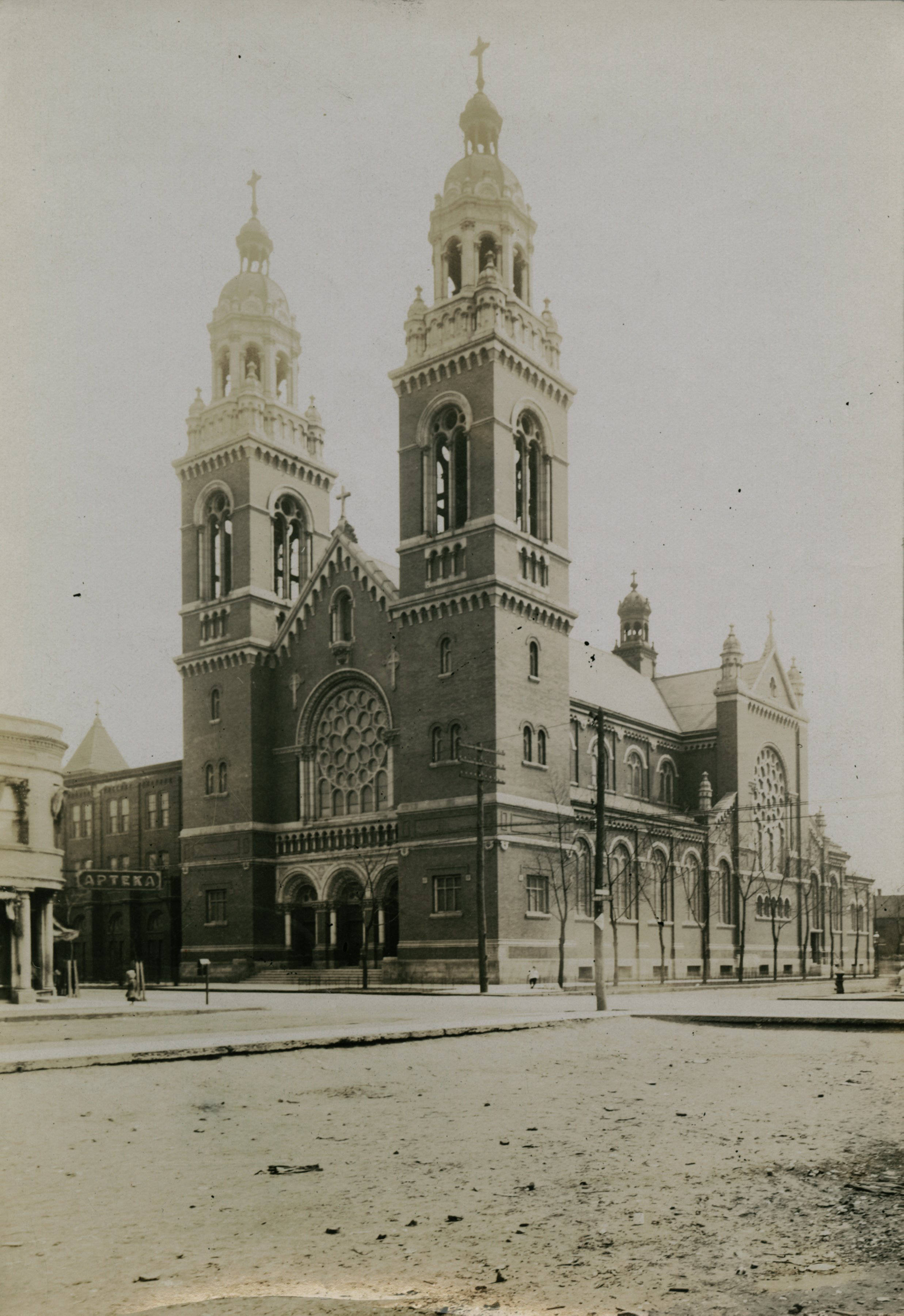
The historic mansion housing the SSCAC, a Chicago Landmark since 1994.

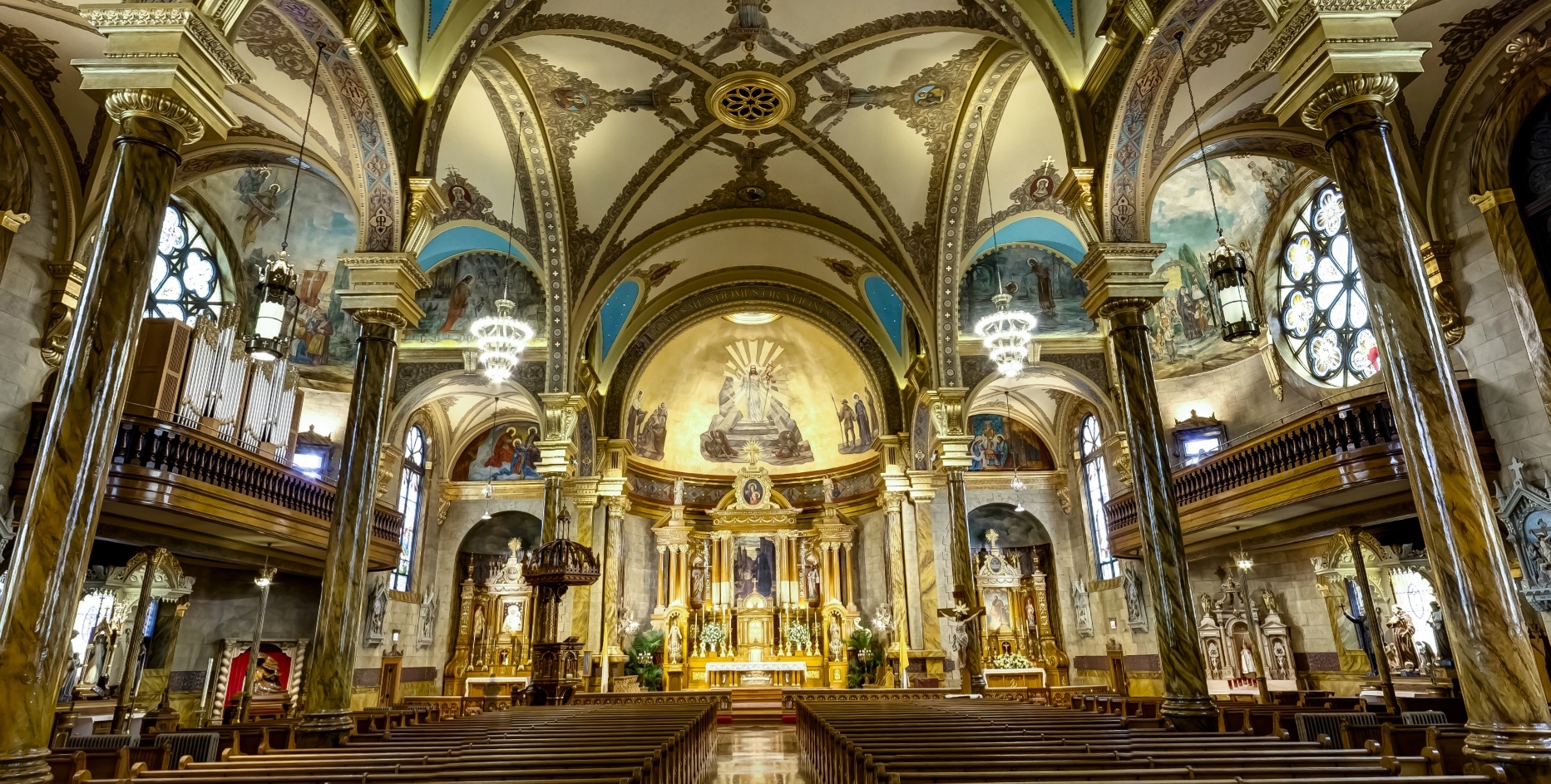
Inside the SSCAC, featuring works by renowned African American artists.
View SSCAC Virtual Tour
Google Map: South Side Community Art Center
Related Articles
- Exploring Bronzeville: Chicago’s Historic Black Neighborhood
- Top 10 Chicago Historical Sites to Visit
- Guide to African American Art Museums in the U.S.
Listen to the full story in the app
Your Personal Curator, in Your Pocket.
Audio guides for 1,100+ cities across 96 countries. History, stories, and local insight — offline ready.
Audiala App
Available on iOS & Android
Join 50k+ Curators
Sources
- verified
- verified
- verified
- verified
- verified
- verified
- verified
- verified
- verified
- verified
Last reviewed: