

1. Founding and Early Development
Rosehill Cemetery was chartered in February 1859 in response to growing public health concerns and spatial limitations of city-center burial grounds (Chicagology.com). Chosen for its elevated gravel ridge and mature oaks, the site provided well-drained soil and a park-like environment. The cemetery’s dedication occurred on July 28, 1859, with the first interment earlier that month. Founders included leading Chicagoans: William B. Ogden, Charles G. Hammond, John H. Kinzie, Levi D. Boone, and Dr. James V. Z. Blaney.
2. Architectural Highlights
- Entrance Arch Designed by William W. Boyington, the imposing castellated limestone gateway (completed 1864) marks Rosehill’s main entrance and was added to the National Register of Historic Places in 1975 (Chicagology.com).
- Rosehill Mausoleum The largest in Chicago, this 1914 structure houses over 13,000 crypts and niches, with Tiffany stained glass and two chapels, including the Shedd Interment Chapel.
- May Chapel Built in 1899 in the English Gothic style, this chapel is used for services and admired for its elegant stonework and windows (Chicago Beautiful).
- Victorian Monuments Elaborate mausoleums, statues, and funerary art throughout the grounds showcase Chicago’s 19th and early 20th-century tastes.
3. Notable Burials and Monuments
Rosehill is the final resting place for a diverse array of notable Chicagoans:
- Political Leaders William B. Ogden, Levi D. Boone, Benjamin W. Raymond, and Vice President Charles Gates Dawes.
- Business Innovators Richard Warren Sears (Sears, Roebuck), Aaron Montgomery Ward, Oscar Mayer, Ignaz Schwinn, Milton Florsheim, John G. Shedd, and Arthur Charles Nielsen.
- Cultural and Social Pioneers Eliza Emily Chappell Porter, Frances Willard, Leo Burnett.
- Military Figures Over 20 Union generals and hundreds of Civil War soldiers, including Thomas E.G. Ransom and Hermann Lieb, and a prominent Civil War memorial section (Battlefields.org).
- Ethnic and Community Sections The Scottish Society’s section and plots for various immigrant groups reflect Chicago’s evolving diversity.
4. Visiting Hours and Ticket Information
- Cemetery Hours Open daily, 8:00 AM to 5:00 PM (seasonal variations possible—confirm on the official website).
- Admission Free for general entry. Special tours and events may require tickets or reservations.
- Rosehill Civil War Museum Located in the administration building, open Tuesday–Saturday from 10:00 AM to 4:00 PM; $5 admission for adults, discounts for seniors, students, and children.
5. Tours, Events, and Photography
- Guided Tours Seasonal, covering cemetery history, architecture, and notable burials. Advance booking is recommended (Coimetromania).
- Special Events Annual Memorial Day ceremonies, living history reenactments, educational programs at the Civil War Museum.
- Photography Allowed for personal use (avoid funerals/mourners); commercial photography requires permission. Early morning and autumn are ideal for photos.
6. Accessibility and Travel Tips
- Accessibility Paved paths and accessible restrooms available. Some terrain is uneven; contact the office for special accommodations.
- Travel Tips Wear comfortable shoes, bring water, and dress for the season. Maps are available at the entrance.
- Etiquette Respect the site as an active burial ground—keep noise low, avoid touching monuments, and dispose of trash responsibly.
7. Location and Transportation
- Address 5800 North Ravenswood Avenue, Chicago, IL 60660.
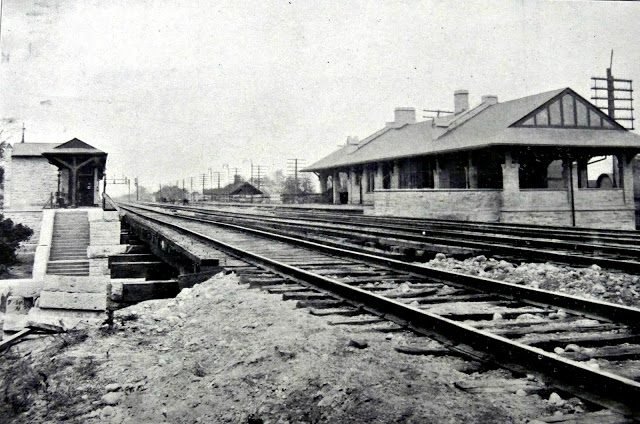
- Public Transit CTA #81 Lawrence, #11 Lincoln buses, and the Metra Union Pacific North Line (Ravenswood stop).
- Parking Available near the administration building.
- Cycling Permitted with caution; main roads only.
8. Landscape and Environmental Features
Rosehill’s landscape features a distinctive gravel ridge, mature trees, artificial lakes, and seasonal gardens, making it a haven for wildlife and a scenic destination in all seasons. The design encourages both walking and driving tours, with ample opportunities for reflection and exploration (Chicagology.com).
9. Legacy and Continuing Significance
Rosehill Cemetery remains a vital part of Chicago’s historical and cultural identity. Community activism has preserved it against commercial development, and ongoing programming—like the West Ridge Nature Park addition—ensures it remains a vibrant site for education, remembrance, and community events (Loyola University Chicago).
10. Frequently Asked Questions (FAQ)
Q: What are Rosehill Cemetery’s visiting hours?
A: Daily, 8:00 AM–5:00 PM. Confirm on the official website.
Q: Is there an admission fee?
A: General entry is free; museum and tours may require a fee.
Q: Are guided tours available?
A: Yes, seasonally. Check here for schedules.
Q: Is the cemetery wheelchair accessible?
A: Many main paths are accessible; some sections are uneven.
Q: Is parking available?
A: Yes, near the administration building.
Q: Can I bring my pet?
A: Only service animals are allowed.
Discover More
Rosehill Cemetery is much more than a burial ground; it is a living museum where Chicago’s architectural, cultural, and social history converge. Whether you seek to explore historic monuments, trace family roots, or enjoy tranquil landscapes, Rosehill offers an enriching experience.
Plan your visit by checking current hours and event listings on the official website. Enhance your exploration with guided tours or the Audiala app’s audio insights. For more on Chicago’s heritage, browse related articles and follow Rosehill Cemetery and local historical organizations on social media.
Experience the legacy of Chicago at Rosehill Cemetery—a place where history, art, and remembrance come alive.
Audiala2024
References