
Randolph Street, Chicago
Randolph Street is a major east–west thoroughfare that brings together Chicago’s commercial history, historic architecture, dining, cultural events, and urban life. Established in the 1830s as a market district, it is now known for Restaurant Row and the Fulton-Randolph Market District (Wikipedia; WTTW News).
History
Early development and markets
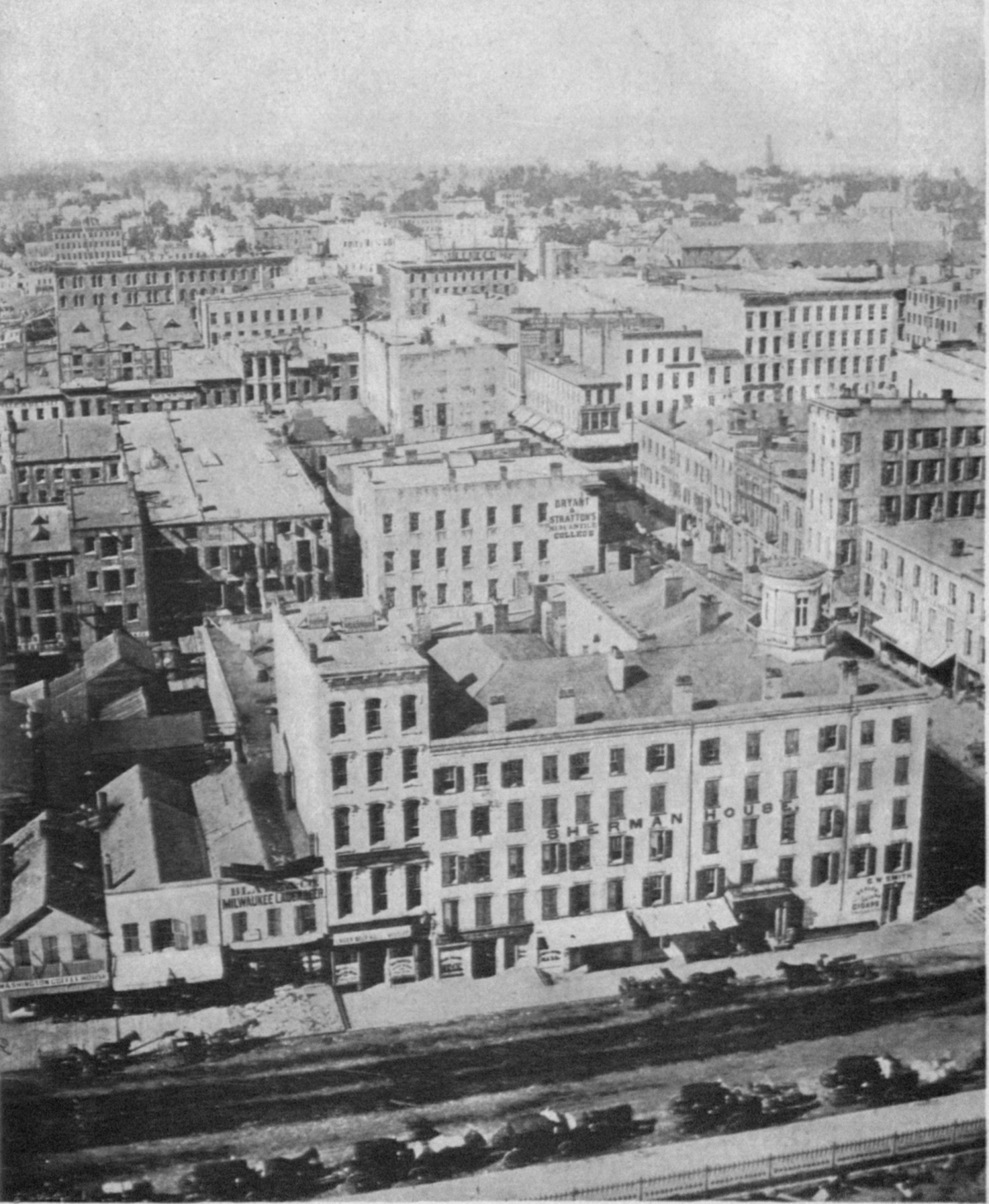
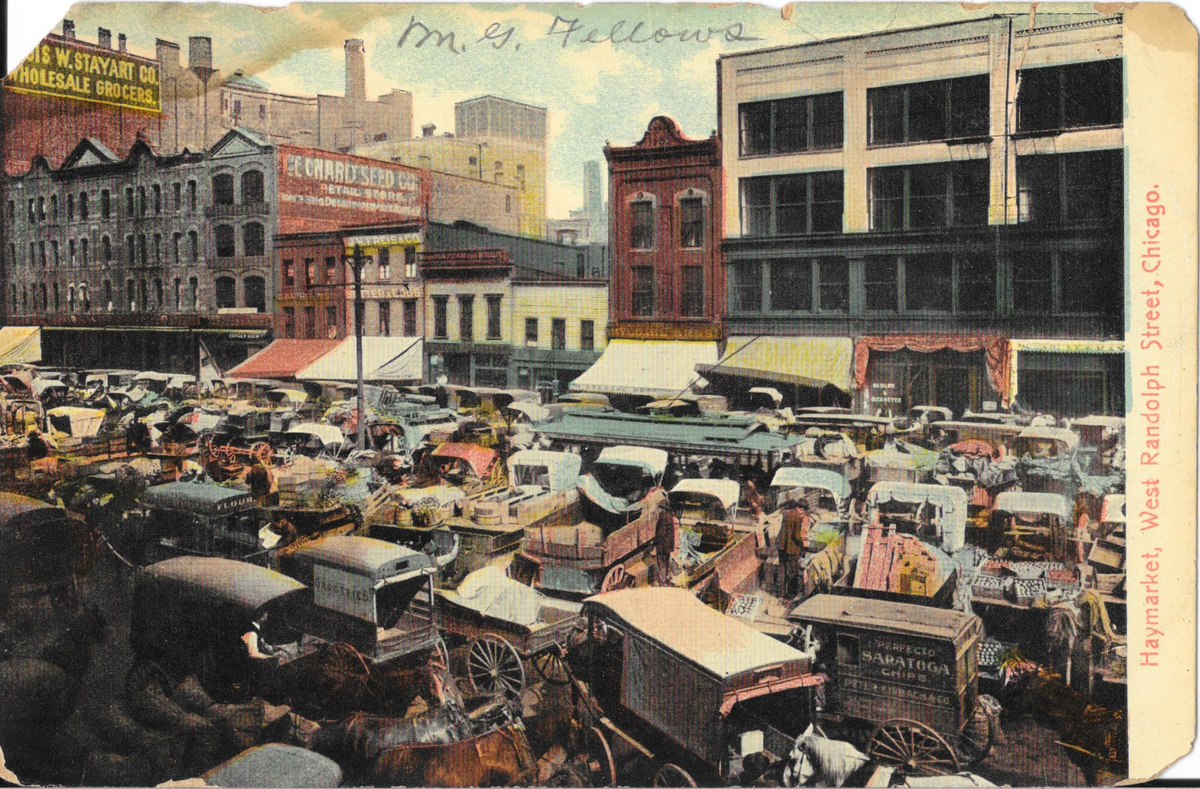
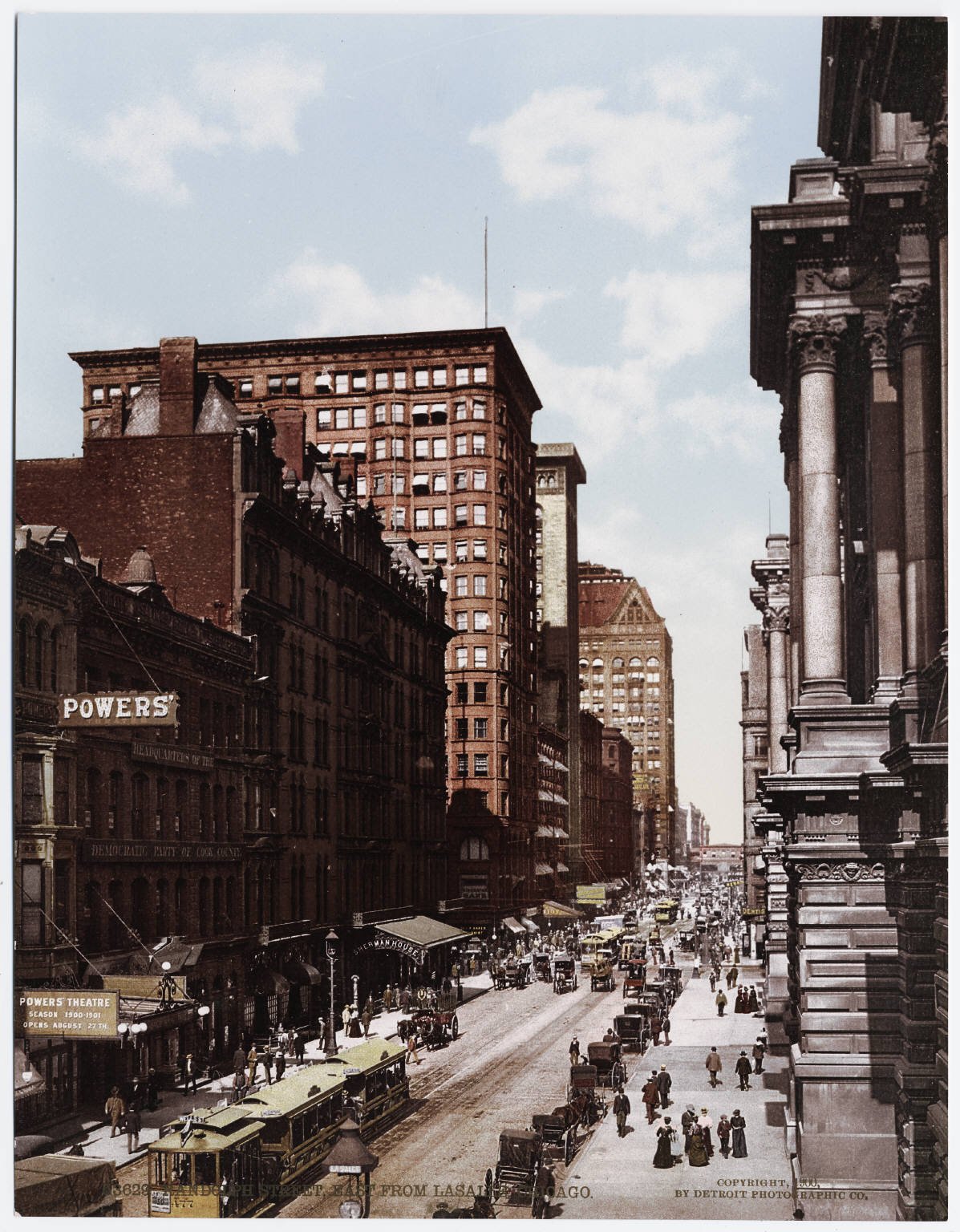
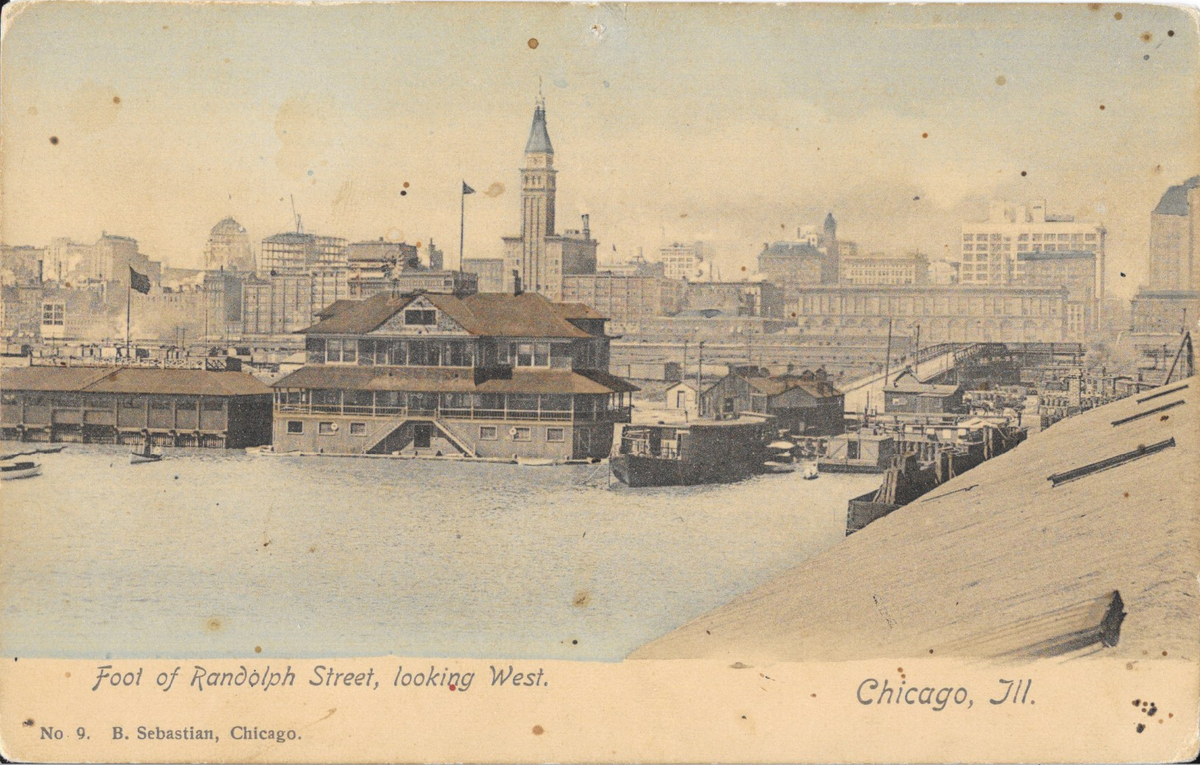
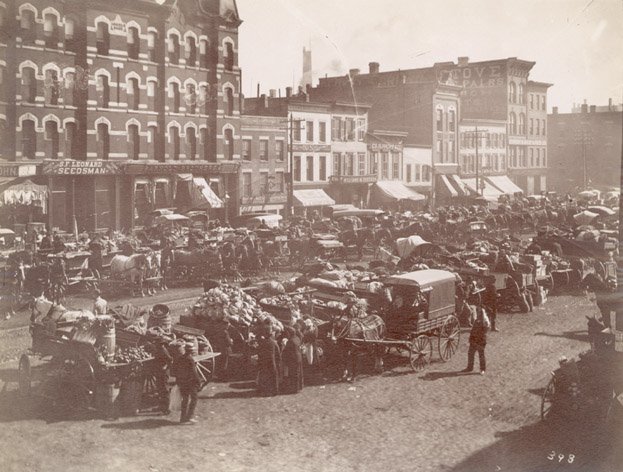
Randolph Street was laid out as one of Chicago’s original thoroughfares and named for Randolph County, Illinois. It became an important east–west connector. West Market Hall helped establish a marketplace for produce and other goods by the mid-19th century (Wikipedia; WTTW News).
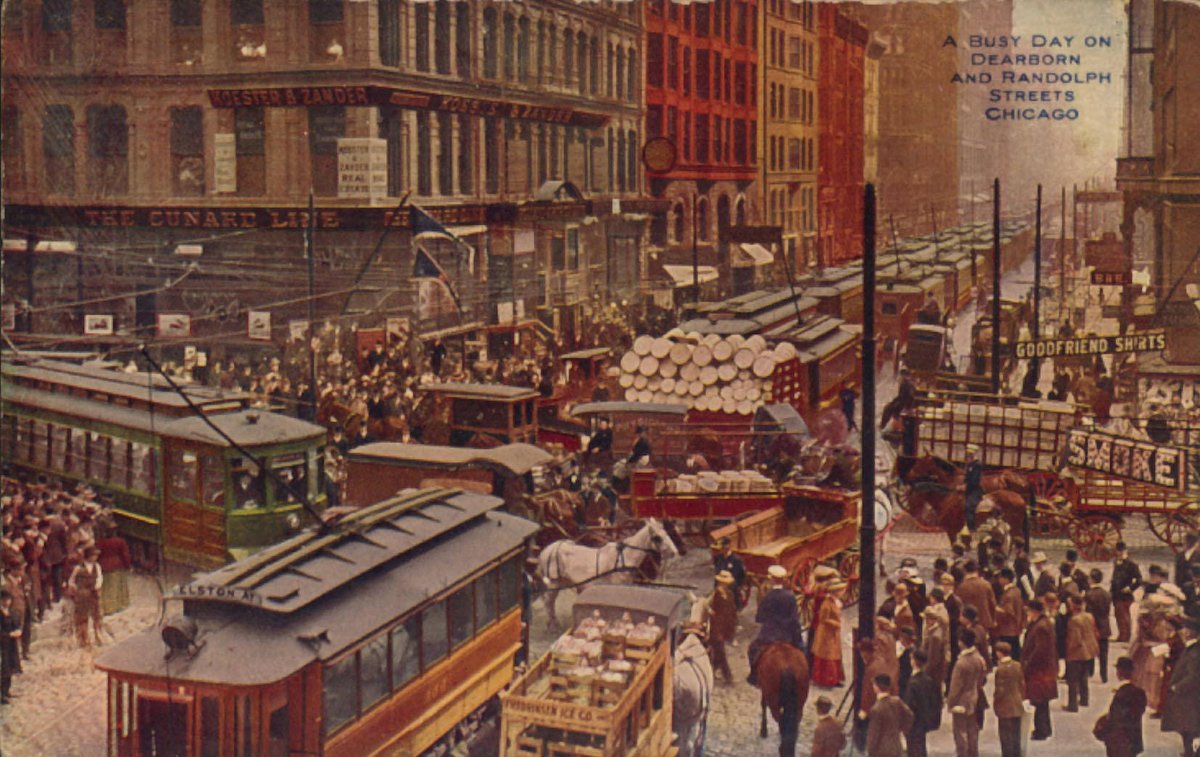
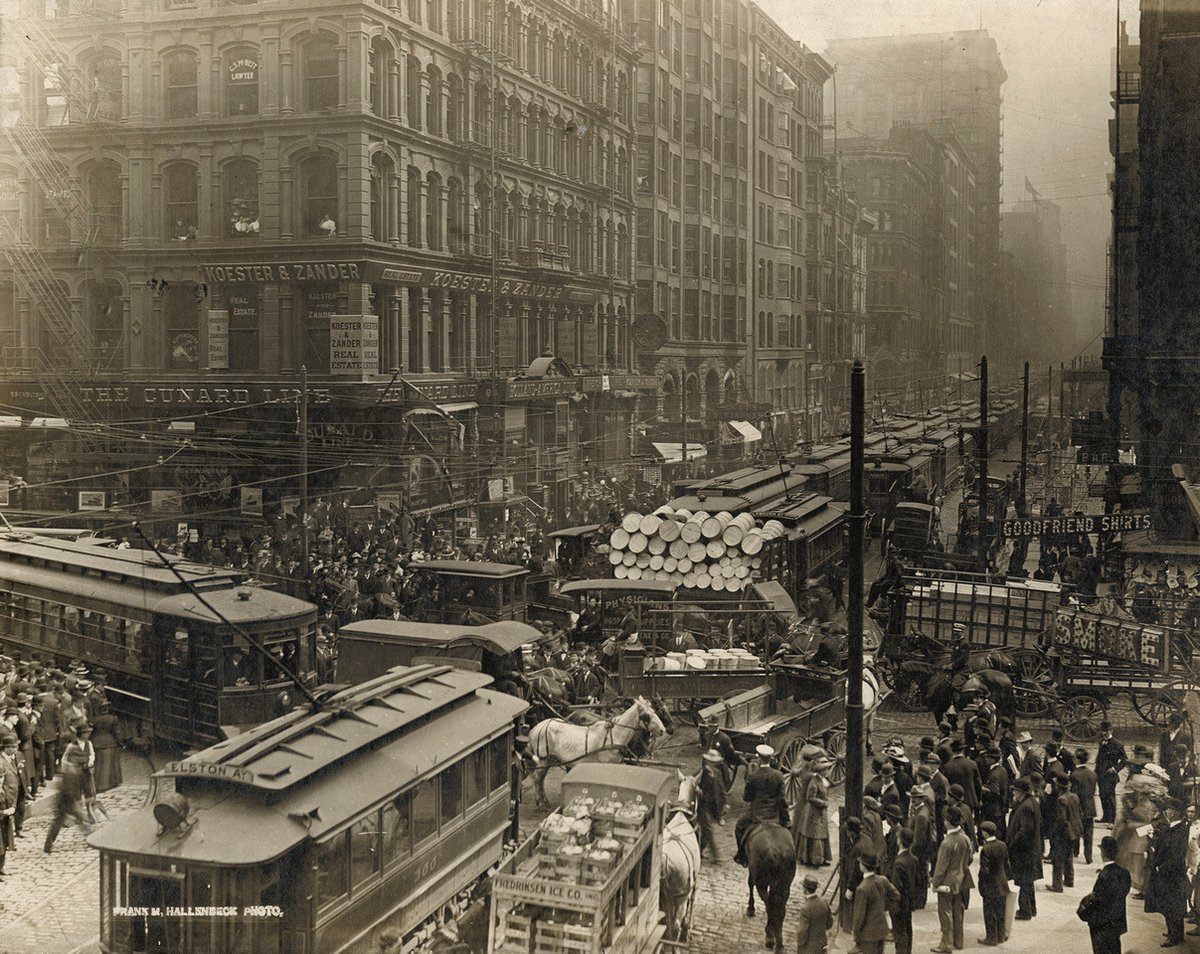
From the 1850s through the 1920s, Randolph Street and the Fulton-Randolph Market District developed into a major commercial corridor and food distribution center. The district became a center for Chicago’s produce and meatpacking trades, with multi-story warehouses and commission houses (Chicago.gov PDF; Chicago.gov PDF).
Social and architectural history
In the 19th century, Randolph Street was known as “Hairtrigger Block” for its lively saloons and frequent altercations. The area drew a diverse mix of residents and was connected to events including the Haymarket Affair, a turning point in labor history (Neighbors of West Loop; Chicago Architecture Center).
The area’s industrial and commercial heritage is visible in its terra cotta facades, large loading doors, and open interiors. Most buildings in the district date from 1880 to 1929. The district received landmark status in 2015, supporting preservation of its historic character (Chicago.gov).
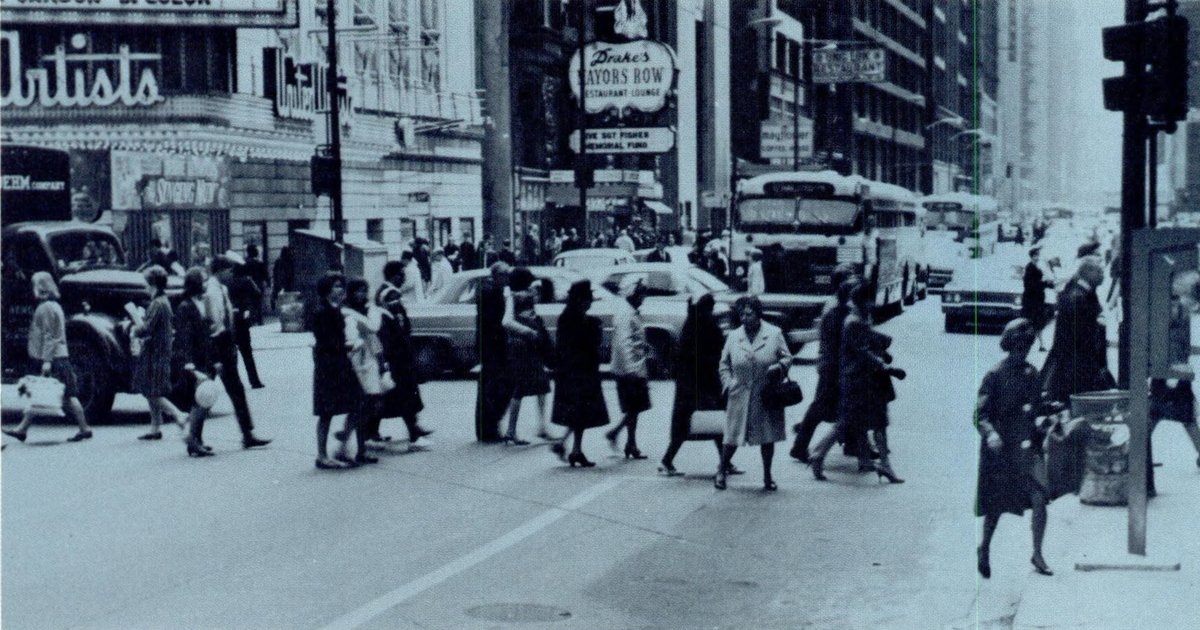
As traditional markets waned in the mid-20th century, revitalization transformed Randolph Street into Chicago’s “Restaurant Row.” The arrival of tech companies, art galleries, and new residents has contributed to the neighborhood’s modern character (Chicago Architecture Center; Neighbors of West Loop).
What to see and do
Restaurant Row
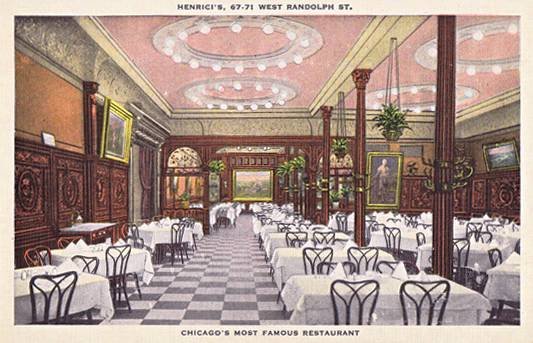
Randolph Street’s Restaurant Row, between Halsted and Ogden, has a concentration of Michelin-starred restaurants, gastropubs, and casual cafes (Chicago’s Property Shop). Notable restaurants include Girl & the Goat, Formento’s, and Au Cheval, with global and locally inspired cuisine.
Historic buildings and architecture
The Fulton-Randolph Market District is known for preserved industrial architecture and adaptive reuse (Chicago.gov). The Bell, also known as the Illinois Bell Building, is a Chicago landmark representing mid-century modern design. It is located at 225 West Randolph (NGE News).
Festivals and ongoing events
- Taste of Randolph Festival An annual June event featuring food, live music, and local vendors that draws tens of thousands of visitors (Block Club Chicago). The festival is free, with a suggested donation (Taste of Randolph).
- Randolph Street Market Festival Held on multiple weekends per year, with 125+ vendors offering antiques, art, and food. Some special events may require tickets (Randolph Street Market Festival).
- Art installations, food tours, and community events take place throughout the year.
Chicago Cultural Center
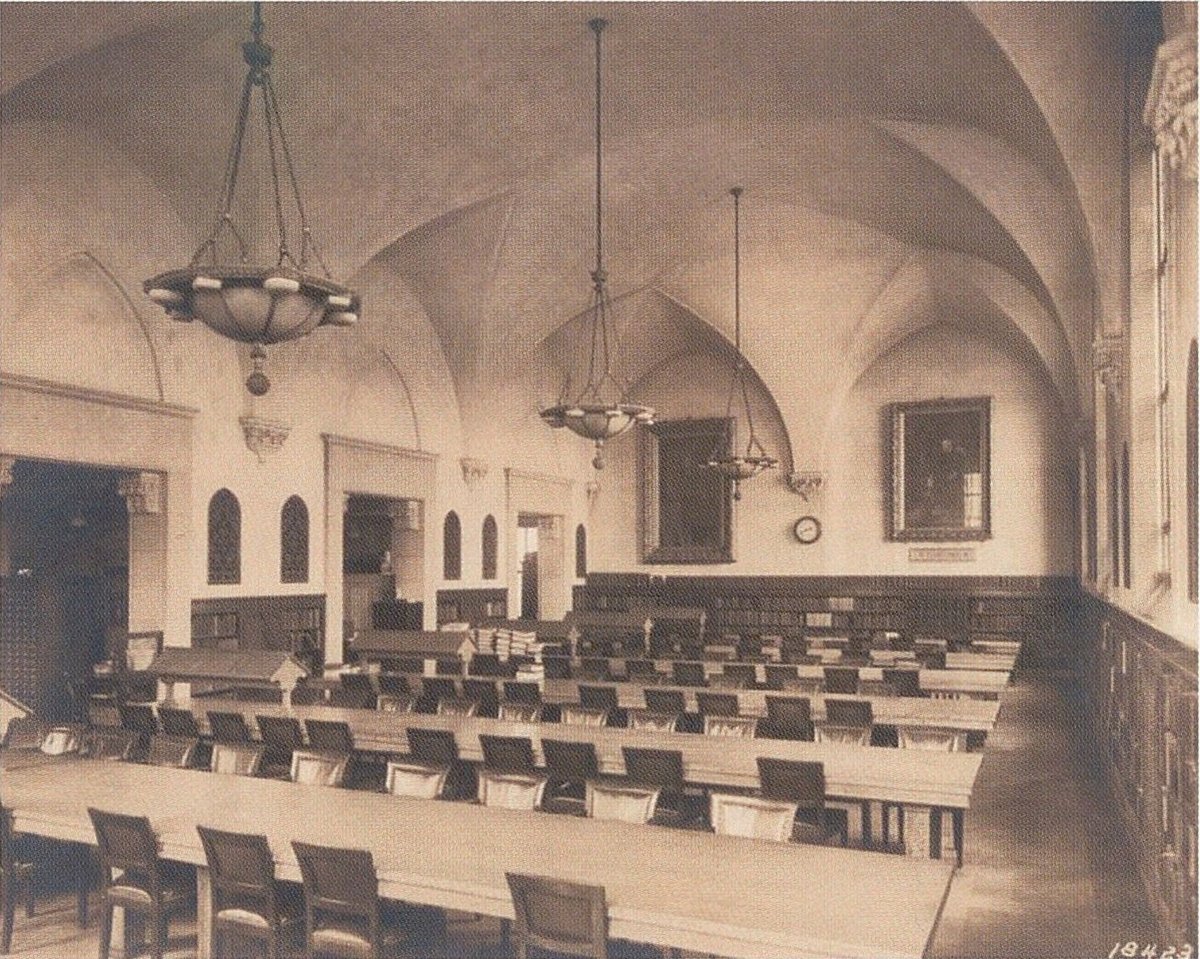
Built in 1897 as Chicago’s central library, the Chicago Cultural Center is known for its Tiffany stained-glass dome and architectural details. Today it hosts rotating exhibitions, free concerts, art shows, and public events.
- Address 78 East Washington Street
- Admission Free (Chicago Cultural Center)
- Accessibility Fully ADA-compliant
- Guided tours Free tours are offered on weekends and during special events; reservations are recommended.
- Events Check the official events calendar.
Randolph Street’s Restaurant Row is within walking distance of the Cultural Center (Time Out Chicago’s West Loop Guide).
Shopping, galleries, and nightlife
Boutique shops, art galleries, and nightlife venues can be found near Randolph and Michigan (200 S Michigan).
Practical visiting information
Hours
- Randolph Street Open 24/7 as a public street.
- Restaurants and shops Typically open from 10:00 AM to 10:00 PM; hours vary.
- Chicago Cultural Center Monday–Saturday, 9 AM–7 PM; Sunday, 10 AM–5 PM. Confirm hours before visiting (Chicago Cultural Center).
- Festivals and markets Hours vary by event; check official websites for details.
Tickets and admission
- Street access Free.
- Restaurants and shops No tickets required.
- Events Special events, including the Randolph Street Market Festival, may be ticketed (Randolph Street Market Festival). Taste of Randolph is free with a suggested donation (Taste of Randolph).
Getting there
- Public transit Take the CTA Green or Pink Line to Morgan Street station. Numerous bus routes also serve the area.
- Parking Availability is limited; public transit or ride-sharing is recommended.
Accessibility, tours, and photography
Most sidewalks and venues are wheelchair accessible; check with individual businesses about specific accommodations. Local tour operators offer walking tours focused on history, architecture, and food.
Photography is generally allowed, though restrictions may apply during exhibitions. Early morning and evening provide favorable light for photos of historic facades and nightlife.
Tips
- Book restaurant reservations in advance, especially during festivals (Chicago’s Property Shop).
- Chicago’s climate varies; layering can help with comfort (The Savvy Globetrotter).
- Parking is limited; use CTA or ride-sharing.
- The area is lively and generally safe; standard city precautions apply (Timeless Travel Steps).
- Consider using the Audiala app for real-time updates.
Nearby places
- Millennium Park Just east of Randolph Street, with Cloud Gate (“The Bean”) and cultural programming (Chicago.gov).
- Chicago Cultural Center A historic architectural and cultural landmark with free admission (Chicago Cultural Center).
- Art Institute of Chicago and the Riverwalk Accessible on foot from Randolph Street (Timeout Chicago).
- Other Chicago historical sites Chicago Loop Historic District, Fulton Market District, and Millennium Park.
Frequently Asked Questions
What are Randolph Street’s visiting hours?
Randolph Street is open 24/7. Individual venues and events have varying hours.
Is there an admission fee for Randolph Street or its markets?
General access to the street is free. Some festivals and special events may be ticketed.
How do I get there by public transportation?
Take the CTA Green or Pink Line to Morgan Street station. Several bus routes serve the area.
Are there guided tours?
Yes. Local operators offer tours focused on history, architecture, and food.
Is Randolph Street accessible?
Most sidewalks and venues are wheelchair accessible, but check with individual venues for details. The Chicago Cultural Center is fully ADA-compliant.
Is the Chicago Cultural Center free to visit?
Yes. Admission is free, and it is open daily, with occasional exceptions for special events.
Can I take photographs?
Photography is generally allowed, but restrictions may apply during exhibitions.