
History of the Magnificent Mile and Michigan Avenue
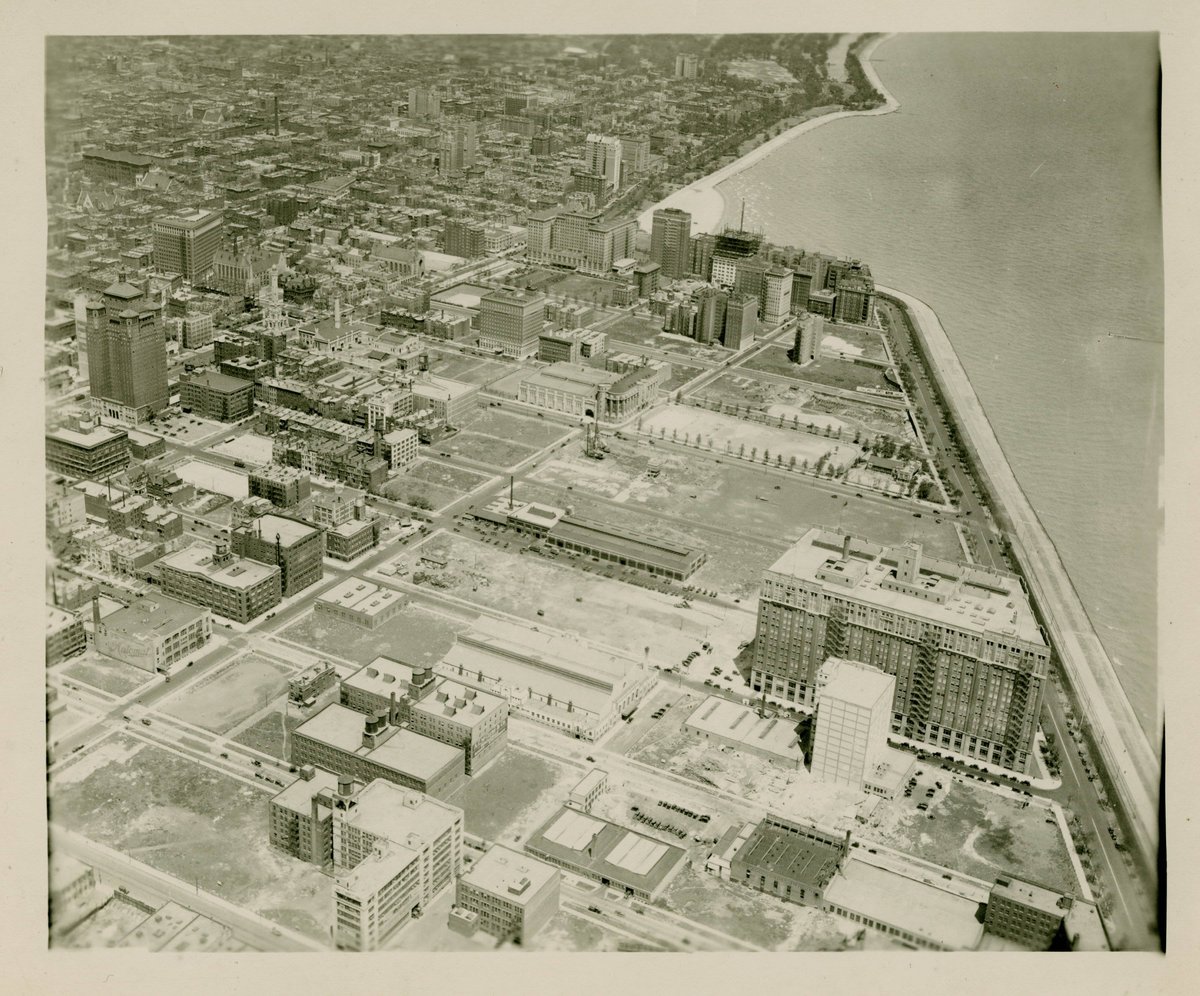
The stretch now known as the Magnificent Mile began as Pine Street, a modest area lined with warehouses and grand mansions. Following the devastation of the Great Chicago Fire in 1871, Michigan Boulevard (later Avenue) south of the river was transformed into an elegant promenade (CBS News). Daniel Burnham’s 1909 Plan of Chicago envisioned connecting the north and south sides via a grand boulevard, leading to the construction of the Michigan Avenue Bridge (now the DuSable Bridge) in 1920 (Encyclopedia of Chicago).
This bridge united Pine Street and Michigan Avenue, catalyzing a building boom in the 1920s that brought Beaux-Arts, Gothic Revival, and early modernist towers such as the Wrigley Building and Tribune Tower (The Magnificent Mile; 200 S Michigan). Urban growth paused during the Depression and WWII, but from the late 1940s onward, the avenue became a showcase for modern and postmodern architecture and a premier shopping and cultural destination (Encyclopedia of Chicago).
Urban Renewal and the Rise of One Magnificent Mile
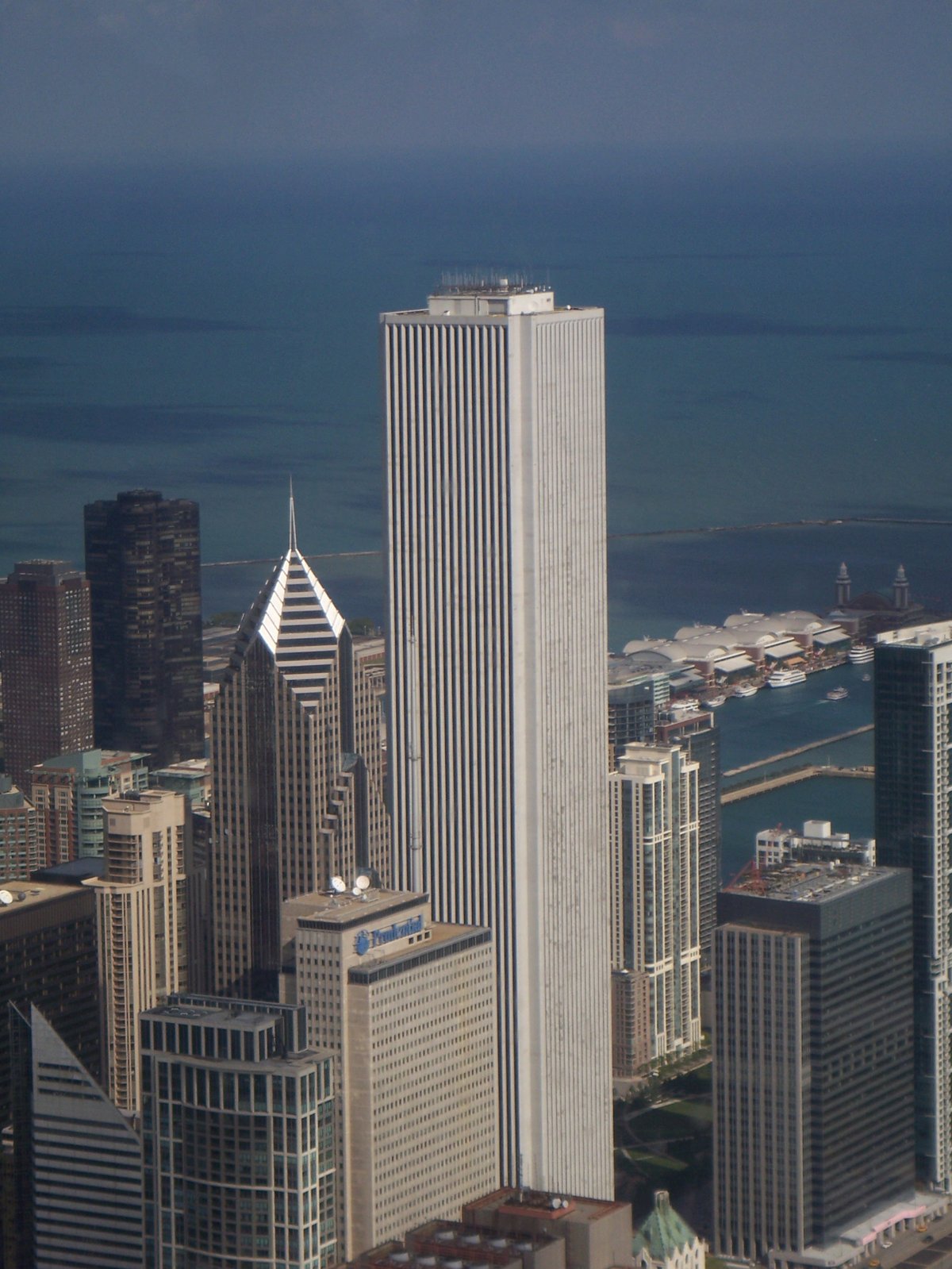
One Magnificent Mile, completed in 1983, was conceived as a vertical community with high-end retail, office space, and luxury condominiums (Wikipedia). Designed by Skidmore, Owings & Merrill, its postmodern style and innovative mixed-use functionality set a new standard for urban development. Its arrival marked the continued northward expansion and modernization of the Magnificent Mile (Architecture.org).
Architectural Features and Innovations
Design and Structure
- Style Late-modernist/postmodern, with a sleek glass-and-steel façade, vertical emphasis, and expressive detailing (GPSmyCity).
- Structure 57 stories, 673 feet (205 meters), featuring a reinforced concrete frame and reflective glass and aluminum cladding. The structure enables expansive, column-free interiors and panoramic views of Lake Michigan and the city (Buildings DB).
- Mixed-Use Program Retail occupies the lower floors, offices are on mid-levels, and luxury condos crown the tower. This integration fosters a vibrant, 24-hour urban community (Exotic Places to Travel).
Urban Integration
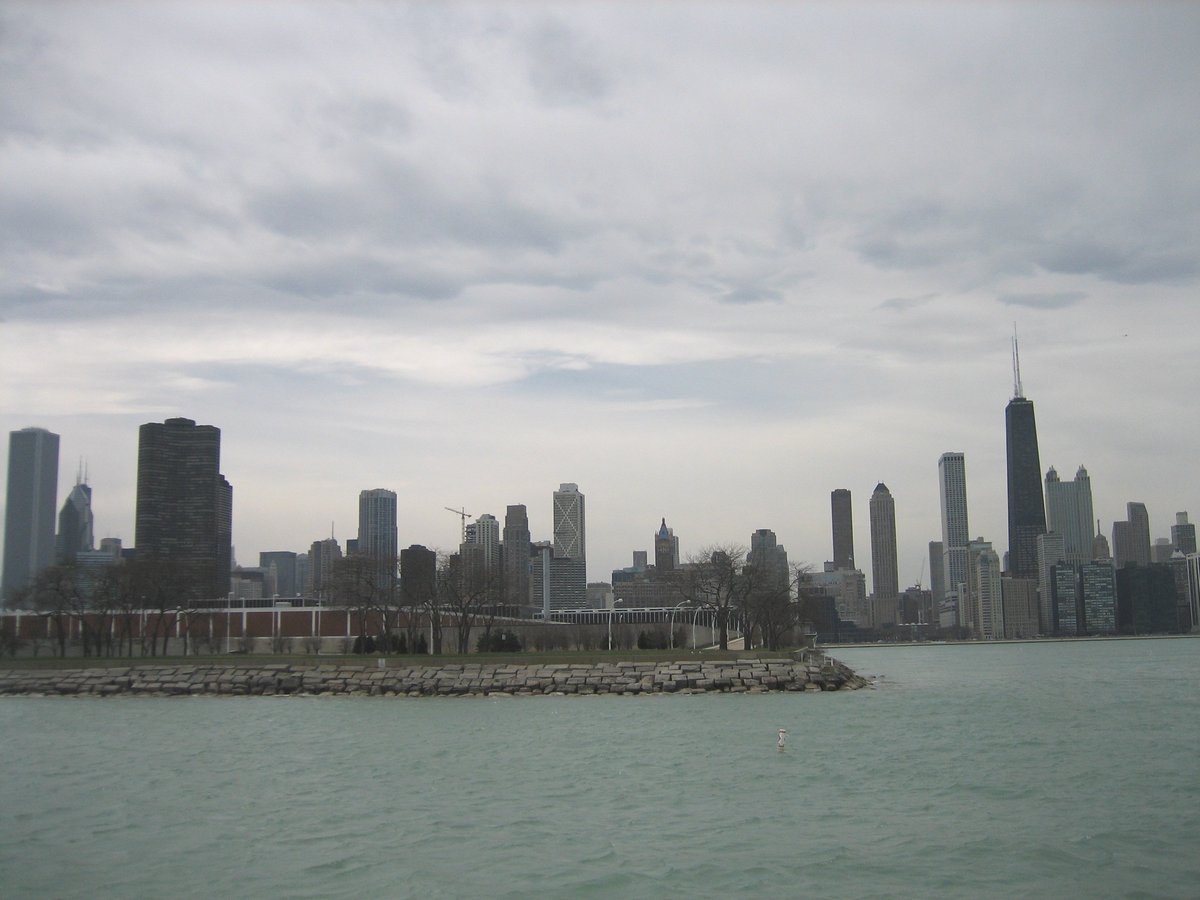
One Magnificent Mile anchors the northern gateway of the Magnificent Mile, acting as a bridge between the commercial district and the Gold Coast neighborhood. The building’s podium creates an inviting streetscape and seamless pedestrian experience (Your Chicago Guide).
Engineering and Sustainability
The tower’s core-and-outrigger system ensures stability in Chicago’s "Windy City" environment. Energy-efficient upgrades, including high-performance glazing and mechanical systems, have been implemented to maintain its competitive edge (Choose Chicago).
Visitor Information
Visiting Hours
- Retail and Dining Typically open from 10:00 AM to 8:00 PM (Monday–Saturday) and 11:00 AM to 6:00 PM (Sunday). Hours may vary by tenant, holiday, or special event.
- Public Access The building’s exterior and surrounding public spaces are accessible during daylight hours. Residential and office areas are private.
Ticketing and Tours
- General Access No admission fee or ticket is required to visit the retail or public areas.
- Guided Tours Several local companies and organizations, such as the Chicago Architecture Foundation, offer walking and architecture tours featuring One Magnificent Mile. Tour prices typically range from $20 to $50 (GPSmyCity; Choose Chicago). Advance booking is recommended for popular tours.
Accessibility
- Fully accessible entrances, elevators, and ADA-compliant restrooms.
- Easy access via CTA bus routes and the Red Line’s Chicago Avenue station.
- Nearby parking garages are available, but public transit is recommended due to high demand (Exotic Places to Travel).
Special Events
The Magnificent Mile district, including One Magnificent Mile, hosts seasonal festivals, shopping events, and the annual Magnificent Mile Lights Festival (Festival2025). Check the official website for event schedules.
Nearby Attractions
- Chicago Water Tower A rare survivor of the 1871 fire and a symbol of the city’s resilience (The Magnificent Mile).
- DuSable Bridge The historic gateway to the Magnificent Mile, adorned with sculptural reliefs.
- Wrigley Building and Tribune Tower Iconic skyscrapers at the district’s southern entrance (200 S Michigan).
- Museum of Contemporary Art Modern exhibits and cultural programming.
- Oak Street Beach Scenic views and recreation a short walk away.
Practical Tips and FAQs
Q: What are the visiting hours for One Magnificent Mile?
A: Retail and dining typically open 10:00 AM–8:00 PM (Mon–Sat), 11:00 AM–6:00 PM (Sun). Hours may vary.
Q: Are tickets required?
A: No tickets are needed to enter or shop. Guided tours may require advance purchase.
Q: Is the building accessible?
A: Yes, with elevators, ramps, and accessible restrooms.
Q: Are guided tours available?
A: Yes, several local providers include One Magnificent Mile in walking and architecture tours.
Q: What’s the best time to visit?
A: Weekday mornings or evenings to avoid crowds, especially outside of holidays.
Q: Is there an observation deck?
A: No, but panoramic views are accessible nearby at 360 CHICAGO atop the John Hancock Center.