
Discover the Neely Building: A Chicago Landmark
Origins & Architectural Highlights
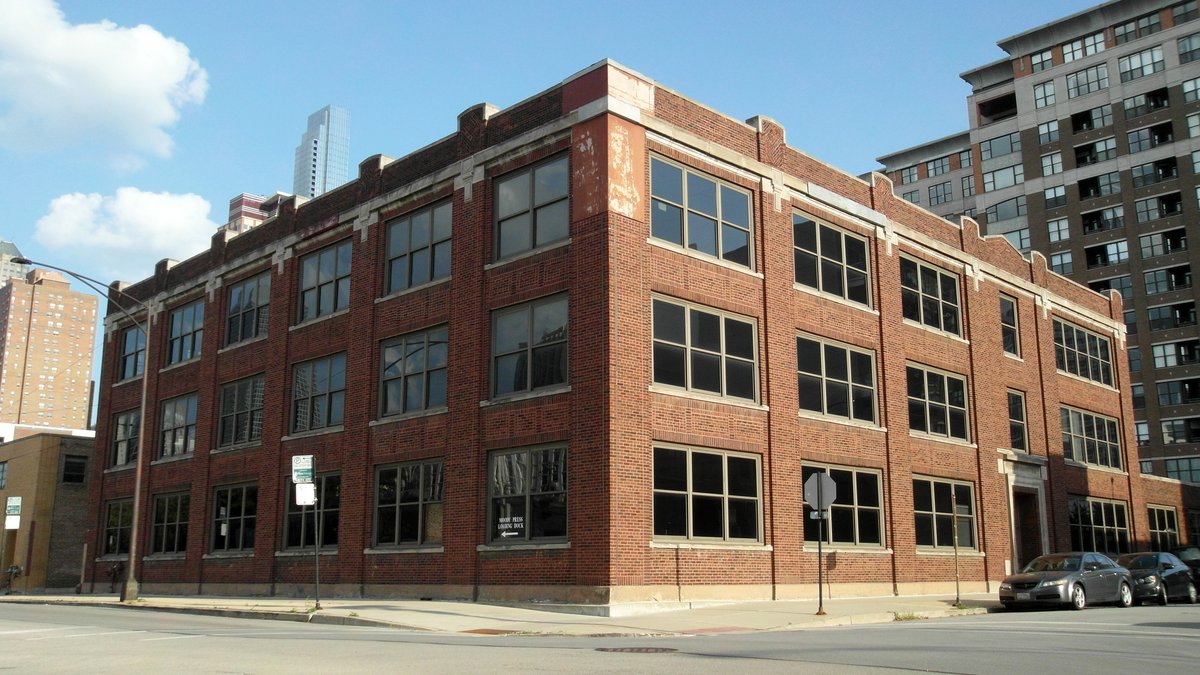
The Neely Building was completed in 1922 for the Neely Printing Company, exemplifying the Chicago School’s commercial style with its sturdy brickwork, steel frame, and restrained detailing. Expansions in 1936, 1941, and 1946 reflected the city’s industrial momentum, adapting the building to meet evolving commercial needs.
Modern Redevelopment
Transitioning from its industrial roots, the building was later acquired by the Moody Bible Institute and ultimately by JDL Development. Beginning in 2024, a major adaptive reuse project set out to convert the Neely Building into a 44-unit residential property with retail spaces at street level—preserving its historic character while introducing contemporary amenities.
Visitor Information
Visiting Hours & Admission
- Exterior Viewing The Neely Building’s exterior can be viewed from public sidewalks at any time.
- Interior Access No public interior tours are available during redevelopment.
- Retail Spaces Once open, retail areas will generally observe business hours (approx. 10 AM – 8 PM), but exact times may vary by tenant.
- Admission There is no fee to view the exterior or enter public retail areas.
Accessibility
- Current renovations include accessible entrances and pathways for all visitors.
- The surrounding neighborhood and transit options (Chicago ‘L’ Brown and Purple Lines, local buses) are fully accessible.
Guided Tours & Events
- While the Neely Building does not offer its own tours, it is often featured on neighborhood architectural walking tours.
- Special events, open houses, and community activities are expected as the North Union development progresses; check local listings for updates.
Photographic Spots
- The intersection of N. Franklin and W. Locust Streets offers excellent vantage points for capturing the building's historic façade amid Chicago’s urban landscape.
Neighborhood Guide: Exploring the Near North Side
The Neely Building’s prime location offers easy access to Chicago’s top cultural, shopping, and dining experiences:
- The Magnificent Mile Famed shopping and dining avenue nearby.
- Chicago Riverwalk Scenic paths and riverfront attractions.
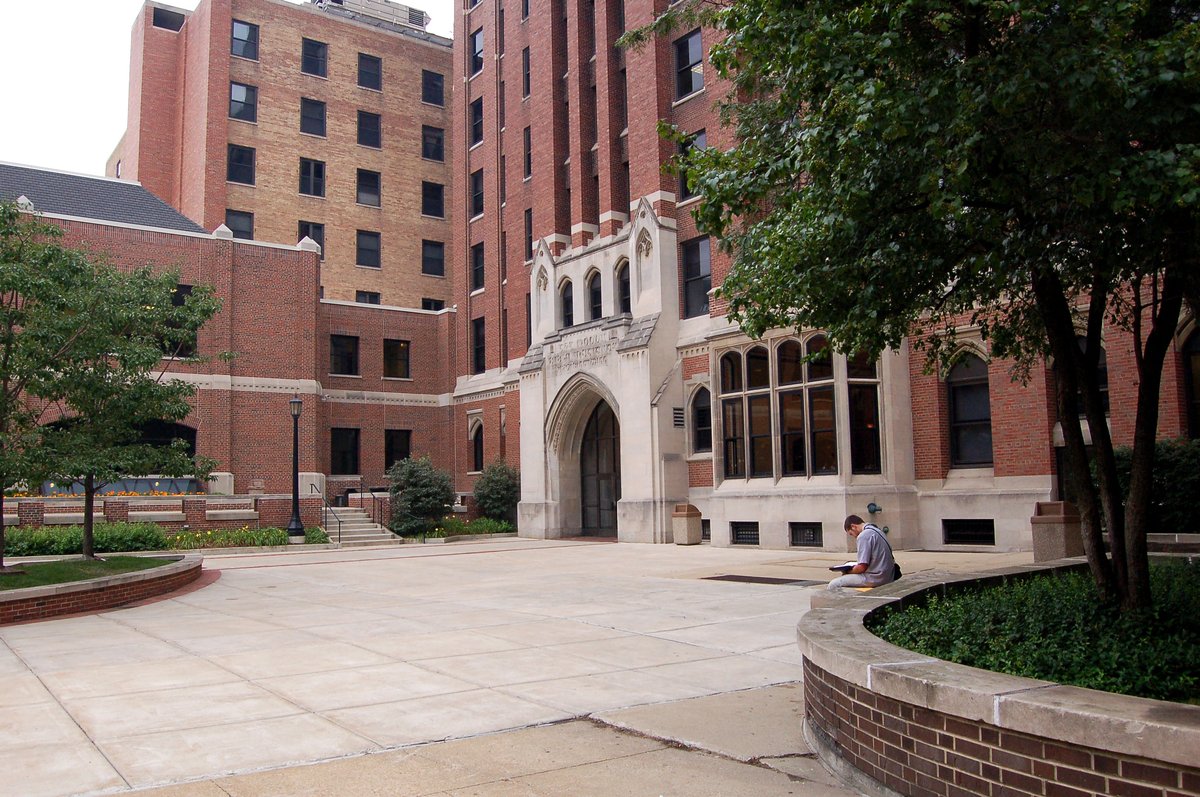
- Moody Bible Institute Campus Neighboring historic institution.
- Art Institute of Chicago & Millennium Park Iconic city landmarks within easy reach.
Public transit via the ‘L’ and several bus routes make reaching the area convenient for visitors.
Neely Building: Architectural & Cultural Significance
Historical Context
The Neely Building stands among Chicago’s architectural treasures, reflecting pivotal moments in the city’s industrial and urban development (Chicago Cultural Plan 2012). Surrounded by celebrated landmarks, it contributes to Chicago’s identity as a city of innovation and design (Choose Chicago).
Design Features
- Structural Innovation Early steel-frame construction and functional layouts.
- Façade Brick masonry with subtle ornamentation and large industrial windows.
- Redevelopment Contemporary additions use vertical-ribbed metal panels and aluminum windows, blending historic and modern aesthetics (source 3).
Cultural Role
- The Neely Building has hosted community events and is part of broader citywide architectural initiatives, such as the Chicago Architecture Biennial (ArchDaily).
- Its ongoing redevelopment integrates the site into Chicago’s cultural and social fabric through new retail, residential, and public spaces.
Preservation & Urban Development
Facadism & Adaptive Reuse
The Neely Building demonstrates the preservation strategy known as “facadism,” where the historic façade is maintained while new structures are built behind it. This approach, increasingly common in Chicago, balances the need to preserve historic streetscapes with modern development (Bleed Cubbie Blue).
Policy & Community Advocacy
While the Neely Building was not individually landmarked—limiting available preservation incentives—its story highlights ongoing tensions and collaborations between developers, city planners, and preservationists. Organizations like Preservation Chicago and Landmarks Illinois continue to advocate for the protection and appreciation of sites like the Neely Building (Chicago Historic Preservation, ArchDaily).
Frequently Asked Questions (FAQ)
Q: Can I tour the Neely Building’s interior?
A: No, interior access is not available during redevelopment. The exterior can be viewed from public sidewalks.
Q: Are there tickets or fees to visit?
A: No tickets are needed for exterior viewing. Retail spaces, when open, will be free to enter.
Q: Is the building accessible?
A: Yes, the redevelopment includes accessible entrances and pathways.
Q: Are guided tours available?
A: While no dedicated Neely Building tours exist, local architecture walking tours often include the site.
Q: What are other nearby attractions?
A: Millennium Park, Art Institute of Chicago, Chicago Riverwalk, and the Magnificent Mile.
Q: What is facadism?
A: Facadism involves preserving only the exterior façade of a historic building while constructing new interiors.
Travel Tips
- Use public transit for convenient access.
- Combine your visit with nearby attractions for a full day of cultural exploration.
- Check local event calendars or the Audiala app for updates on retail openings and community events.
- For the best photos, visit in the early morning or late afternoon.
Discover More
For current information on visiting hours, redevelopment progress, and local events:
- Download the Audiala app for personalized tours and notifications.
- Visit official city and tourism websites.
- Follow neighborhood and preservation organizations on social media.
Summary: Why Visit the Neely Building?
The Neely Building is more than a historic structure—it is a living narrative of Chicago’s industrial roots, urban evolution, and architectural ingenuity. Though interior access is currently restricted, its preserved façade and evolving role in the North Union neighborhood make it a vital piece of the city’s heritage and a must-see point of interest for anyone exploring Chicago’s storied landscape.