
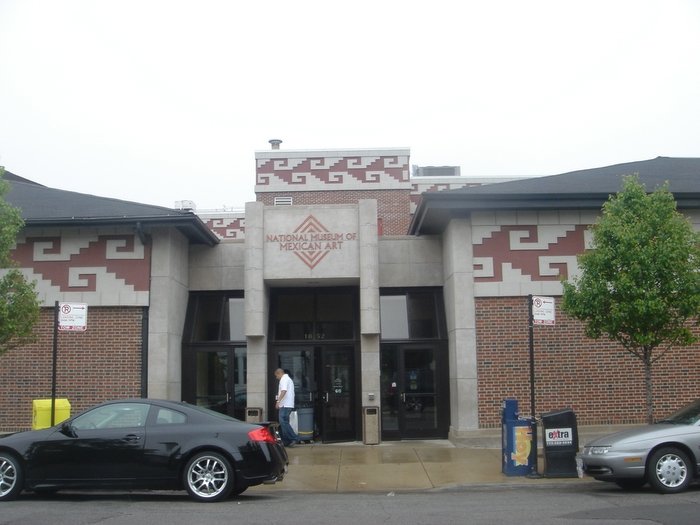
History and Cultural Significance
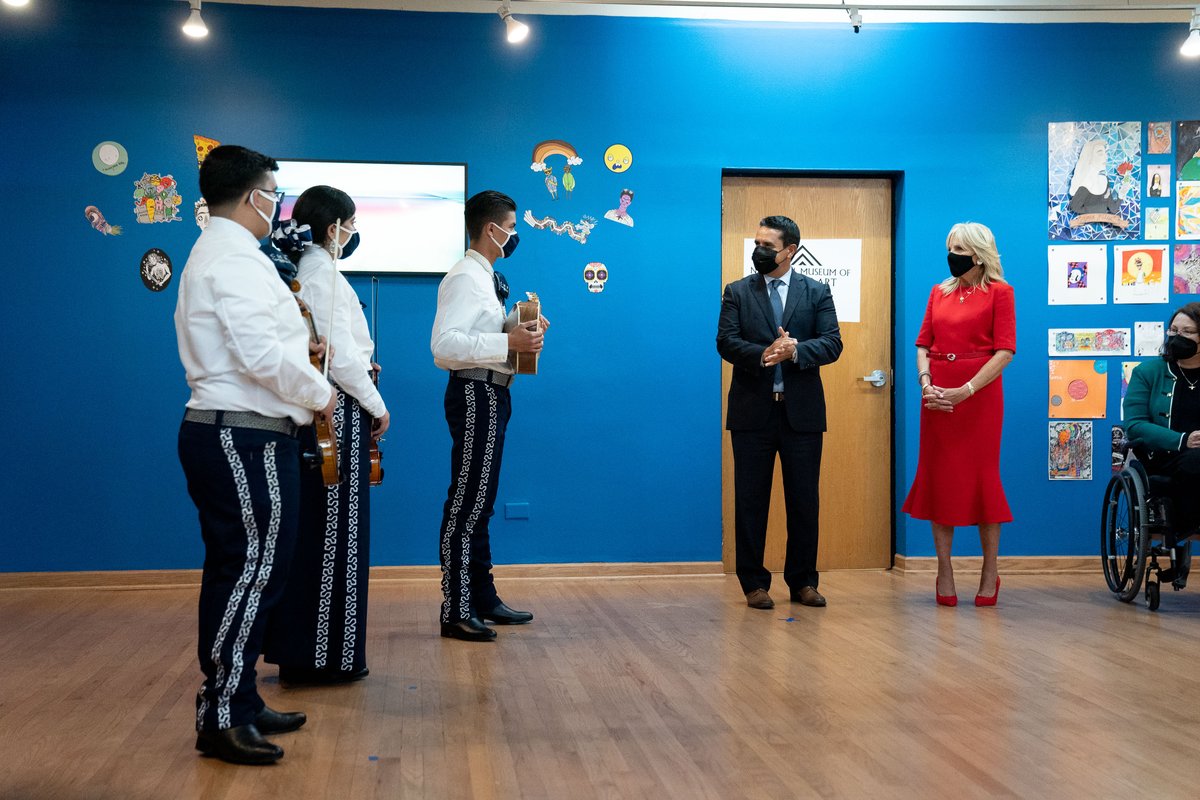
Founded in 1982 by Carlos Tortolero and a coalition of educators and community leaders, the NMMA was envisioned as a space where Mexican and Mexican-American stories could be told from their own perspectives. The museum opened to the public in 1987, quickly establishing itself as a vital resource for cultural preservation and creative expression (NMMA official site; NMMA History).
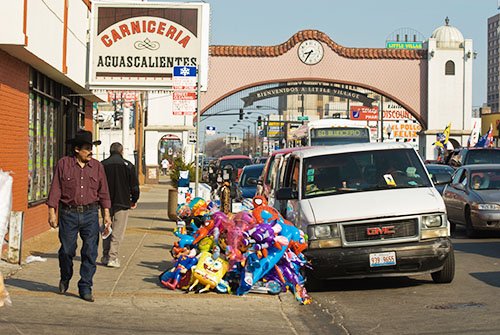
Its location in Pilsen—a neighborhood renowned for its rich Latino heritage and public art—further grounds the museum’s commitment to community engagement. NMMA’s programs and exhibitions promote dialogue around migration, social justice, and cultural identity, amplifying voices often underrepresented in mainstream institutions (Classic Chicago Magazine).
Collections and Exhibitions
Permanent Exhibitions
The NMMA’s permanent collection is one of the most comprehensive in the U.S., featuring more than 10,000 works spanning 3,000 years of artistic achievement (WhichMuseum). From ancient Mesoamerican ceramics and colonial religious paintings to vibrant folk art and contemporary pieces, the collection traces the evolution of Mexican identity and artistic innovation.
Key Permanent Galleries
- Nuestras Historias: Stories of Mexican Identity
Showcases the diversity of Mexican identity through works ranging from 18th-century paintings to modern installations, addressing themes like migration, spirituality, and family (TimeOut Chicago). - Mexicanidad: Our Past is Present
Explores the chronological development of Mexican art and culture, emphasizing indigenous influences and the interplay of tradition and modernity. - Folk Art and Popular Traditions
Features textiles, ceramics, masks, and retablos from across Mexico, celebrating craftsmanship and cultural continuity (NMMA Art Listing).
Notable Artists and Highlights
The collection includes works by Diego Rivera, Frida Kahlo, Remedios Varo, Jesús Helguera, Carlos Cortéz, René H. Arceo, and Victoria Delgadillo. Highlights include:
- Popocatépetl and Iztaccíhuatl by Jesús Helguera
- Monarca, cielo arriba by René H. Arceo
- Laura Berenice by Victoria Delgadillo (The Not So Innocents Abroad)
Día de Muertos Exhibition
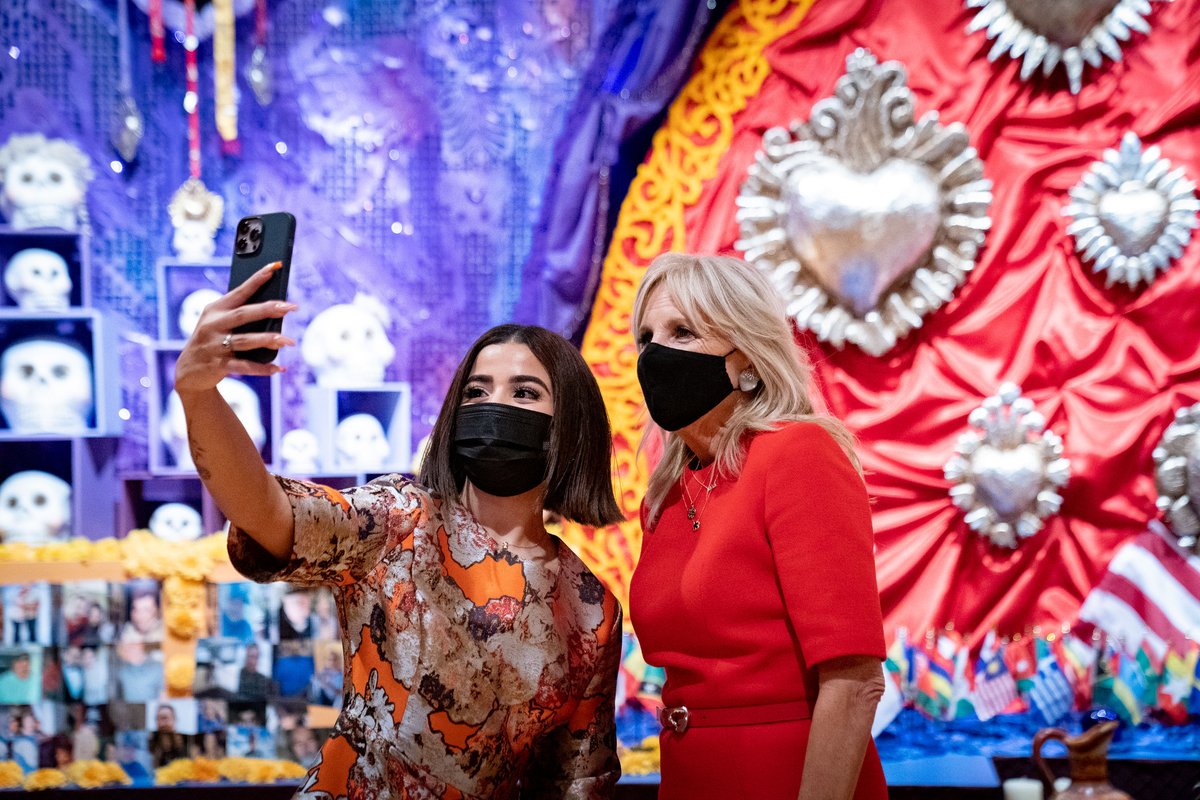
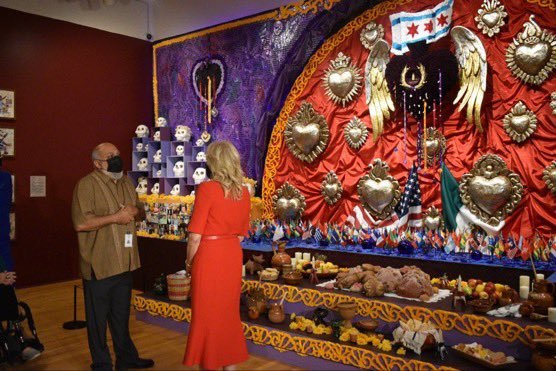
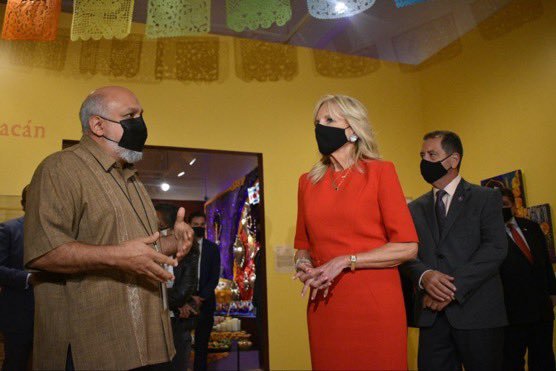
Each fall, NMMA hosts a renowned Día de Muertos (Day of the Dead) exhibition, featuring elaborate ofrendas (altars), mixed-media installations, and educational programming that explores the holiday’s profound cultural significance. The exhibition draws thousands of visitors annually and includes contributions from both local and internationally recognized artists (Toward Common Cause).
Temporary and Rotating Exhibitions
The museum curates several temporary exhibitions each year, focusing on themes such as migration, identity, gender, and social justice. These exhibitions often feature emerging and established artists from Mexico, the U.S., and the broader Latinx diaspora, and are curated from a "first voice" perspective (MacArthur Foundation).
Visitor Information
Visiting Hours
- Tuesday–Sunday 10:00 AM – 5:00 PM
- Closed Mondays and major holidays (NMMA official site)
Admission & Tickets
- Admission Always free; no tickets required for general entry (NMMA Visit).
- Special Exhibitions/Group Tours Advance reservations are recommended for guided tours and during peak events.
Guided Tours & Group Visits
- Languages Tours available in English and Spanish
- How to Book Arrange in advance via the museum’s website or by calling (312) 738-1503 (NMMA Contact)
Accessibility & Amenities
- Wheelchair Accessible The museum is fully wheelchair accessible with elevators and accessible restrooms.
- Family-Friendly Educational materials and activities for children are available.
- Food & Beverage No café on-site, but staff recommend nearby dining options in Pilsen.
Parking & Transportation
- Public Transit Easily accessible via CTA Pink Line (18th Street station) (Time Out Chicago).
- Parking Paid lots and free street parking nearby (check local signage for restrictions).
Visit Duration
Plan for at least one hour to explore the galleries; art enthusiasts or those attending events may wish to stay longer.
Special Events & Photography
- Events The museum hosts workshops, artist talks, performances, and annual festivals such as Día de Muertos and Sor Juana Festival (NMMA Events).
- Photography Non-flash photography is permitted in most galleries; some special exhibitions may have restrictions.
Exploring the Pilsen Neighborhood
Pilsen is a historic, multicultural neighborhood famed for its vibrant murals, dynamic arts scene, and excellent Mexican cuisine (Classic Chicago Magazine).
Neighborhood highlights:
- Murals Explore public art along 16th and 18th Streets, including Hector Duarte’s studio (NMMA Neighborhood).
- Mexican Cuisine Try local favorites like 5 Rabanitos, Carnitas Uruapan, and Xurro (Globalphile).
- Galleries & Shops Visit Women Made Gallery, Mana Contemporary, and unique vintage stores.
- Music & Nightlife Experience concerts at Thalia Hall or enjoy coffee at Café Jumping Bean.
Suggested Itinerary
- Morning Tour NMMA’s galleries and special exhibitions.
- Midday Shop for folk art and gifts at the museum store.
- Lunch Dine at a nearby Mexican restaurant.
- Afternoon Walk Pilsen’s mural-lined streets and visit local galleries.
- Evening Enjoy music or theater at Thalia Hall.
Frequently Asked Questions (FAQ)
Q: What are the museum’s visiting hours?
A: Tuesday–Sunday, 10:00 AM–5:00 PM; closed Mondays and holidays.
Q: Is admission free?
A: Yes, admission is always free.
Q: Are guided tours available?
A: Yes, in English and Spanish by advance reservation.
Q: Is the museum wheelchair accessible?
A: Yes, it is fully accessible.
Q: Can I take pictures inside?
A: Non-flash photography is allowed in most galleries.
Q: How do I get there by public transit?
A: Take the CTA Pink Line to 18th Street station.
Q: Are there family-friendly activities?
A: Yes, the museum and neighborhood offer many child-friendly options.