Origins and Historical Development
The World's Columbian Exposition and the Birth of Chicago’s Museums
The campus traces its roots to the influential 1893 World’s Columbian Exposition, which inspired the establishment of the Field Museum of Natural History. Funded by philanthropist Marshall Field and developed under Professor Frederic Ward Putnam’s guidance, the museum originally occupied the Palace of Fine Arts before relocating to its current neoclassical home in 1921 (Field Museum History).
Emergence and Unification of Museum Campus
The vision of a unified cultural park along the lakefront was articulated in Burnham’s 1909 Plan of Chicago. The Field Museum was joined by Shedd Aquarium and Adler Planetarium in 1930, both architectural and educational landmarks (Adler Planetarium History). In 1998, after rerouting Lake Shore Drive, 36 acres of parkland were opened, creating a pedestrian-friendly campus connecting these institutions (Museum Campus - Wikipedia).
Architectural and Urban Significance
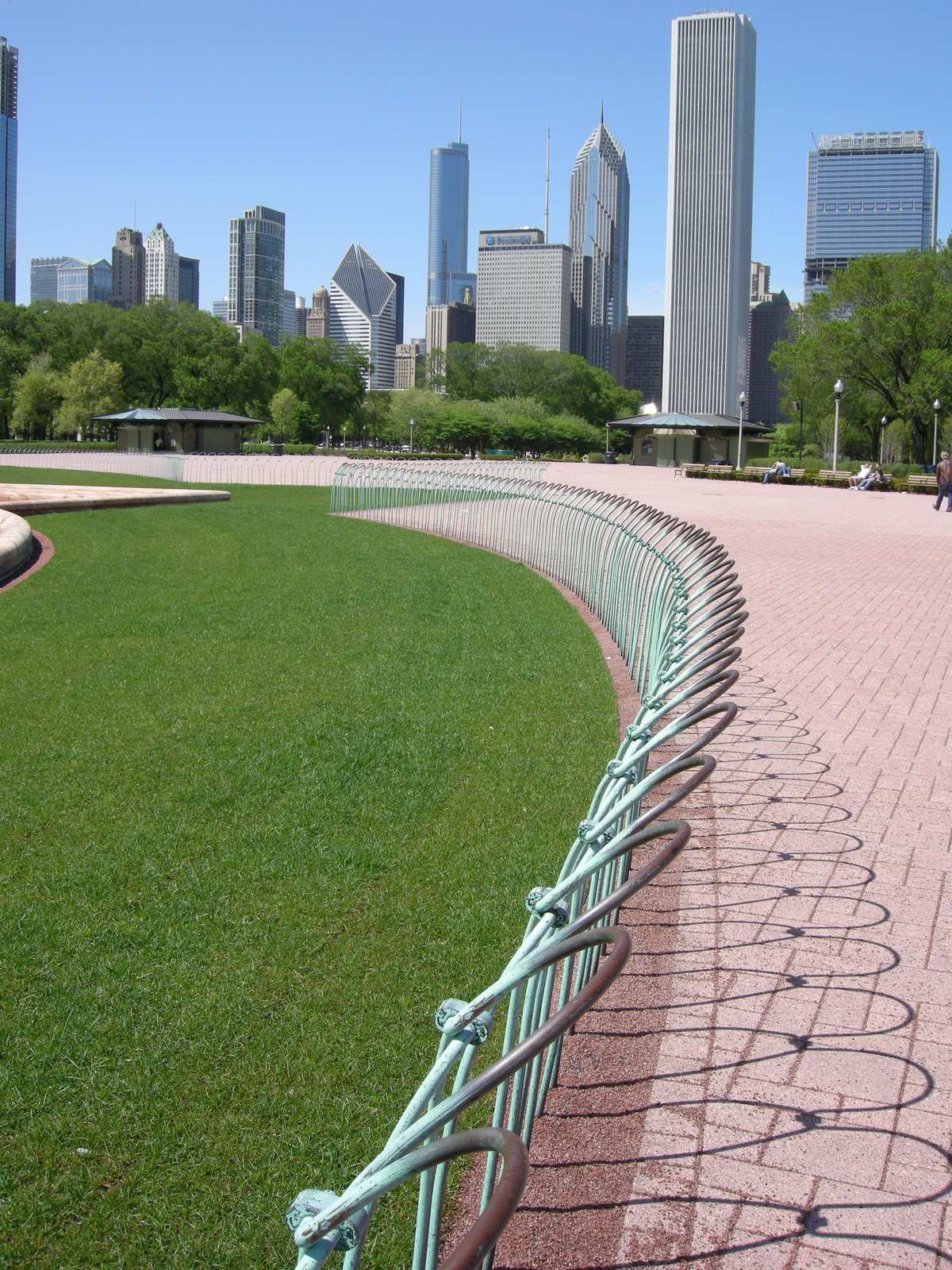
Museum Campus showcases neoclassical, Beaux-Arts, and Art Deco designs. The Field Museum boasts grand columns, Shedd Aquarium features elegant Beaux-Arts details, and Adler Planetarium’s iconic dome is a city landmark. The campus integrates Grant Park, Northerly Island, and Burnham Park, offering lush lawns, gardens, and breathtaking lakefront vistas (Thrillophilia: Museum Campus).
Visitor Information: Hours, Tickets, and Accessibility
Visiting Hours
- Field Museum Daily, 9:00 AM – 5:00 PM
- Shedd Aquarium Daily, 9:00 AM – 5:00 PM
- Adler Planetarium Daily, 9:00 AM – 4:00 PM
- Soldier Field Hours vary by event
Ticket Prices and Entry Policies
- Field Museum Adults $26, Seniors/Students/Youth $19, Children under 3 free. Special exhibits may add fees.
- Shedd Aquarium Adults $39.95, Children $29.95, with additional discounts available.
- Adler Planetarium Adults $19, Children/Seniors $14, sky shows extra.
Combined tickets (CityPASS®, Go City) offer savings and expedited entry (CityPASS®). Purchase tickets online in advance to secure your preferred time slots.
Accessibility
All institutions provide wheelchair accessibility, accessible entrances, elevators, and restrooms. Service animals are permitted. For specific needs, consult the respective websites.
Getting There
- Public Transit CTA buses 130, 146; Roosevelt Red, Green, and Orange Line ‘L’ stations.
- Parking Paid lots and garages at each venue; street parking is limited.
- Walking/Biking The Lakefront Trail and pedestrian pathways connect the campus to Grant Park and downtown (Choose Chicago).
Nearby Attractions and Activities
- Grant Park Stroll through gardens and public art installations.
- Northerly Island Birdwatching, walking trails, and lake views.
- Soldier Field Historic stadium hosting sports and events.
- Lakefront Trail Ideal for biking, jogging, and scenic walks.
- Downtown Landmarks Millennium Park, Art Institute of Chicago, and the Chicago Riverwalk.
Key Institutions
Field Museum of Natural History
- Founded 1893. Renowned for natural history collections, research, and education.
- Must-See Exhibits SUE the T. rex, Máximo the Titanosaur, Inside Ancient Egypt, Evolving Planet.
- Hours & Tickets 9:00 AM–5:00 PM. Adults $27+, discounts for children and seniors (Field Museum Tickets).
- Accessibility Fully accessible, with assistive devices and apps (govisitchicago.com).
Shedd Aquarium
- Founded 1930. Leader in aquatic conservation and education.
- Signature Exhibits Abbott Oceanarium, Wild Reef, Amazon Rising, interactive touch pools.
- Hours & Tickets 9:00 AM–5:00 PM. Adults $39.95+, children $29.95 (Shedd Aquarium Visiting Hours).
- Accessibility Wheelchair accessible, sensory-friendly resources available.
Adler Planetarium
- Founded 1930. First planetarium in the Western Hemisphere.
- Key Attractions Grainger Sky Theater, Doane Observatory, Space Visualization Lab.
- Hours & Tickets 9:30 AM–4:00 PM. Adults $19+, children/seniors $14 (Adler Planetarium Hours).
- Accessibility Fully accessible, skyline views, assistive services.
Cultural and Educational Impact
Museum Campus is a cornerstone of Chicago’s educational and cultural scene, attracting millions annually to explore world-class exhibits on natural history, marine biology, and astronomy. It hosts rotating exhibitions, community events, and innovative educational programs that inspire lifelong learning (Thrillophilia: Museum Campus).
The campus also provides green open spaces, jogging paths, and serves as a gathering point for city festivals and celebrations.
Frequently Asked Questions (FAQ)
Q: What are the opening hours for Museum Campus museums?
A: Field Museum and Shedd Aquarium: 9 AM–5 PM; Adler Planetarium: 9 AM–4 PM. Always check online for holiday or seasonal adjustments.
Q: Should I buy tickets in advance?
A: Yes, especially during peak times—online purchase ensures timed entry and may offer discounts.
Q: Is Museum Campus wheelchair accessible?
A: All major venues are fully accessible.
Q: Are bundled tickets available?
A: Yes, CityPASS® and Go Sightseeing passes provide combined and discounted admissions.
Q: How do I get there by public transit?
A: Take CTA buses #130 or #146, or the Roosevelt ‘L’ station; walk or bike via Lakefront Trail for scenic access.
Plan Your Visit
Tips for a Smooth Visit:
- Arrive early or late to avoid crowds, especially during summer and holidays.
- Allow 2–4 hours per museum for an in-depth experience.
- Download museum apps for interactive maps and audio guides.
- Check for Illinois resident free days and special events.
Visitor Experience Highlights
- Field Museum SUE the T. rex, Ancient Egypt, natural history galleries
- Shedd Aquarium Beluga whales, Wild Reef shark tank, Amazon Rising rainforest
- Adler Planetarium Immersive sky shows, public telescope, family-friendly labs
Dining, Accessibility, and Amenities
- On-site Dining Field Bistro, Soundings Café, and Café Galileo’s
- Picnic Areas Lakefront lawns and garden spaces
- Shops Unique museum stores in each institution
- Accessibility Ramps, elevators, family restrooms, sensory resources, free wheelchair loans
Practical Travel Tips
- Weather Prepare for changing lakefront conditions; dress in layers.
- Bag Policy Large bags may require check-in or inspection.
- Photography Allowed in most permanent exhibits (no flash); restrictions apply in special exhibitions.
- Safety Expect bag checks; use lost and found services if needed.
- Sustainability Recycling bins and green initiatives are in place; follow posted guidelines.
FAQ
Q: What are the best times to visit?
A: Weekdays and mornings are least crowded; spring and fall offer pleasant weather.
Q: Can I bring outside food?
A: Yes, enjoy picnics in designated outdoor areas—no food inside exhibit galleries.
Q: Are guided tours offered?
A: Yes, each museum has tour options and educational programs.
Q: Can I see all three museums in one day?
A: It’s possible but challenging; for a deeper experience, spread visits over two or more days.
Discover More
Chicago’s Museum Campus is a vibrant nexus of culture, science, and natural beauty. With world-renowned institutions, engaging exhibits, and stunning lakefront views, it promises an enriching experience for all ages. Plan ahead by checking visiting hours, purchasing tickets online, and exploring bundled pass options for the best value. For real-time updates, interactive maps, and exclusive deals, download the Audiala app. Share your adventures and keep up with events by following Museum Campus and Audiala on social media.
Make Museum Campus Chicago a highlight of your journey—immerse yourself in discovery, wonder, and Chicago’s rich heritage.