Introduction: History and Significance
The Metropolitan Correctional Center (MCC) Chicago is a striking landmark in downtown Chicago, known for its innovative high-rise design and significant role in the U.S. federal prison system. Completed in 1975 and designed by architect Harry Weese, the MCC exemplifies humane incarceration principles within a densely urban environment by integrating Brutalist architectural elements and a pioneering approach to inmate rehabilitation. Its unusual triangular footprint, concrete façade, and floor-to-ceiling slit windows distinguish it from traditional correctional facilities, while its central location ensures access to legal resources and maintains vital connections between detainees and their families (Blueprint Chicago; 99% Invisible).
This guide explores the MCC’s architectural and historical significance, essential visitor information—including visitation hours, access requirements, and security procedures—and offers tips for maximizing your visit. While interior access is restricted, the MCC’s remarkable exterior and urban context make it a must-see for architecture enthusiasts and those interested in Chicago’s civic landscape. For the latest updates on visitation protocols, always refer to official resources (MCC Chicago visitation page).
Photo Gallery
Explore Metropolitan Correctional Center, Chicago in Pictures

Main entrance of the Metropolitan Correctional Center in Chicago, showcasing the building facade and American flag

High-resolution aerial photograph of the Metropolitan Correctional Center in Chicago, showing the building layout, adjacent streets, and nearby city structures during the day.

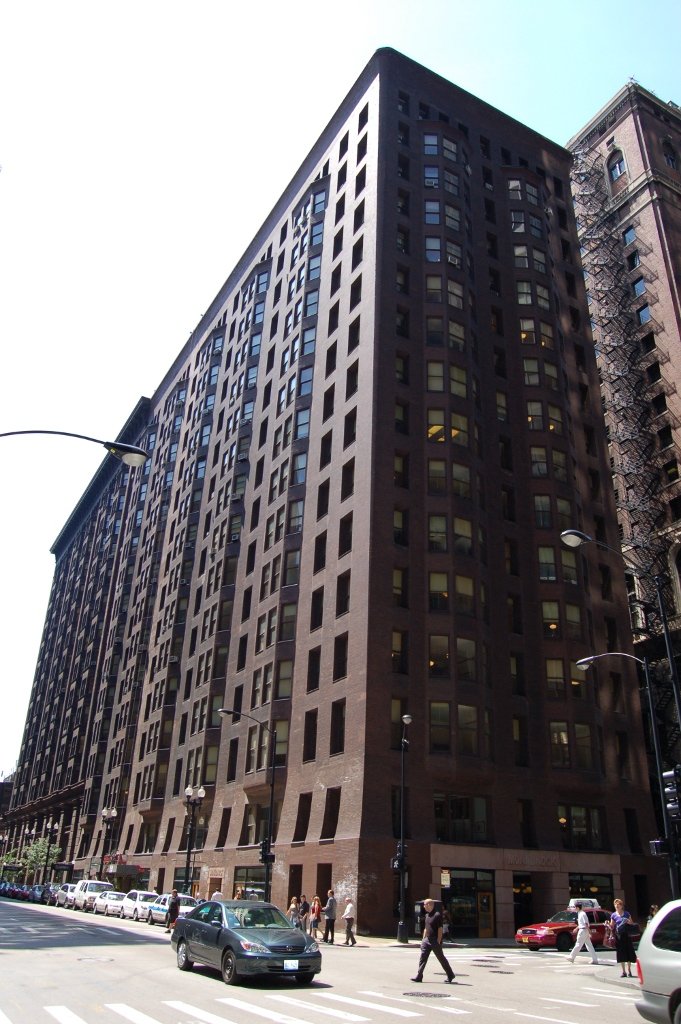
High-rise view of the Metropolitan Correctional Center in Chicago showcasing its modern architectural design
Origins and Architectural Vision
The MCC was conceived during a period of reform in the 1970s, initiated as part of a federal demonstration program to create more humane urban detention centers. Harry Weese’s design for the MCC stands apart from the sprawling, isolated prisons common at the time. Instead, the 27-story triangular skyscraper at 71 West Van Buren Street is situated within Chicago’s Loop, just steps from the federal courts, to streamline court transfers and facilitate family and legal visits (Blueprint Chicago; Archigardener). The triangular form allows for central security stations with clear sightlines, while the load-bearing concrete structure and tall, narrow windows maximize natural light without compromising safety (Skyscraper Center).
Humanitarian Intent and Federal Demonstration Program
As part of its reformist mission, the MCC was designed to house pre-trial detainees and short-term inmates in self-contained modular units, each with private cells and communal areas. The facility’s interior originally featured carpeted floors and colorful spaces, a stark departure from the institutional norm. Each cell’s floor-to-ceiling window—just five inches wide—provided daylight and urban views while maintaining security. Though the original design included a green plaza, this was later modified for security reasons (Blueprint Chicago).
Architectural Significance and Urban Context
The MCC is a rare example of a high-rise jail, blending functional innovation with bold Brutalist aesthetics. Its triangular form, slit windows, and raw concrete surfaces contrast with the glass-and-steel skyscrapers of downtown Chicago (Archigardener). The lobby’s Corbusian staircases and pilotis echo modernist precedents, while the building’s integration into the city fabric supports inmates’ continued connection to the outside world and legal system (Blueprint Chicago).
Notable Events and Security Features
Despite its advanced design, the MCC has faced security challenges. The rooftop exercise yard, once open to the elements, was covered with a net following rumors of escape attempts. In 2012, two inmates escaped by rappelling down the building, prompting further security enhancements. The MCC employs sophisticated surveillance, access controls, and emergency response systems to ensure safety while balancing its humanitarian mission (Blueprint Chicago).
Visitor Information: Hours, Access & Tours
Visiting Hours and Entry Requirements
MCC Chicago is an active federal detention center with strictly regulated access. The public may enter the lobby during regular weekday business hours, but access beyond this point is limited to authorized personnel and approved visitors only. There are no public tours or tickets for casual visitors; all visits must be scheduled and pre-approved through the facility.
- Visitation is available every day, including weekends and federal holidays. Hours and schedules may vary, so always check the official MCC Chicago website for up-to-date information.
- Approval: All visitors must be on an inmate’s approved list. Approval requires submitting identification details and may involve background checks.
- Identification: Valid government-issued photo ID is mandatory for all visitors aged 17 and older. Minors (16 and under) must be accompanied by an approved adult guardian.
- Dress Code: Strict dress code prohibits revealing clothing, hats, sunglasses, and items resembling inmate uniforms. Non-compliance may result in denied entry.
- Security Screening: All visitors undergo security checks, including metal detection and bag searches. Electronic devices and outside items are prohibited.
Accessibility
MCC Chicago is wheelchair accessible at the main entrance. If you require special accommodations, notify the facility in advance. Public sidewalks and plazas near the MCC are also accessible.
Getting There
Located at 71 West Van Buren Street, the MCC is easily reached by CTA trains and buses, with nearby stops for the Blue, Green, Pink, and Orange Lines. On-site parking is limited; public transit or nearby paid parking garages are recommended.
Nearby Attractions
Enhance your visit by exploring local landmarks:
- Dirksen Federal Building
- Chicago Cultural Center
- Millennium Park
- Art Institute of Chicago
- Daley Plaza
- Chicago Riverwalk
These sites offer additional insight into Chicago’s civic and architectural heritage.
Architectural Highlights and Photographic Spots
The MCC’s triangular silhouette, narrow vertical windows, and striking concrete façade are best captured from the street or adjacent plaza. While interior photography is prohibited, the exterior offers unique opportunities for architectural photography, especially during daylight hours. Elements such as the lobby’s pilotis and the juxtaposition with surrounding skyscrapers add to the visual interest.
Frequently Asked Questions (FAQ)
Q: Are public tours or tickets available for MCC Chicago?
A: No, there are no public tours or tickets. Visits are limited to approved visitors.
Q: What identification do I need?
A: A valid government-issued photo ID is required for all adult visitors.
Q: How do I get approved to visit?
A: Contact the facility or the inmate directly to be added to the approved list and schedule a visit.
Q: Is MCC Chicago accessible for disabled visitors?
A: Yes, the building and surrounding sidewalks are accessible. Contact MCC ahead of time for specific needs.
Q: Can I bring children?
A: Yes, but visitors under 17 must be accompanied by an approved legal guardian.
Q: Is photography allowed?
A: Photography of the exterior is allowed from public spaces. Photography inside the facility is strictly prohibited.
Q: What are the best nearby attractions?
A: Millennium Park, Art Institute of Chicago, Dirksen Federal Building, and the Chicago Riverwalk are all within walking distance.
Summary of Key Points and Visitor Tips
- The MCC’s bold Brutalist design and triangular form make it a standout architectural landmark in Chicago.
- Interior access is restricted; exterior viewing is available from public sidewalks.
- All visits must be pre-approved; strict identification, dress code, and security screening are enforced.
- The MCC is centrally located and accessible via public transit, with prominent cultural attractions nearby.
- For accurate visitation schedules and policies, consult the official MCC Chicago visitation page.
- Prepare in advance: confirm approval, bring correct identification, follow dress code, and check for updates before your visit.
Listen to the full story in the app
Your Personal Curator, in Your Pocket.
Audio guides for 1,100+ cities across 96 countries. History, stories, and local insight — offline ready.
Audiala App
Available on iOS & Android
Join 50k+ Curators
Sources
- verified
- verified
- verified
- verified
- verified
Last reviewed: