Plan and listen to Lincoln Park Zoo with Audiala.
Audio guide in your pocket, itinerary in your browser. Built for the way you actually visit.
Introduction
Lincoln Park Zoo, nestled in the heart of Chicago, Illinois, is one of North America's oldest and most cherished zoological institutions. Founded in 1868, the zoo started with a modest gift of swans from New York City's Central Park Board of Commissioners, marking the beginning of a rich history that has seen it grow into a world-renowned establishment (Wikipedia). Over the decades, Lincoln Park Zoo has become a symbol of Chicago's resilience and dedication to cultural and educational development, especially significant given its establishment just a year after the Great Chicago Fire.
Spanning approximately 35 acres, Lincoln Park Zoo is home to around 1,100 animals from 200 species, offering visitors a unique opportunity to engage with wildlife in an urban setting (Wikipedia). Its commitment to conservation, education, and community engagement is evident through its various programs and initiatives. The zoo's dedication to free admission ensures that everyone, regardless of socioeconomic status, can experience its wonders, making it a beloved destination for both locals and tourists alike (TripSavvy).
This comprehensive guide will delve into the zoo's rich history, notable exhibits, visitor information, and future prospects, providing you with all the essential details to make the most of your visit to Lincoln Park Zoo.

History of Lincoln Park Zoo
Founding and Early Years
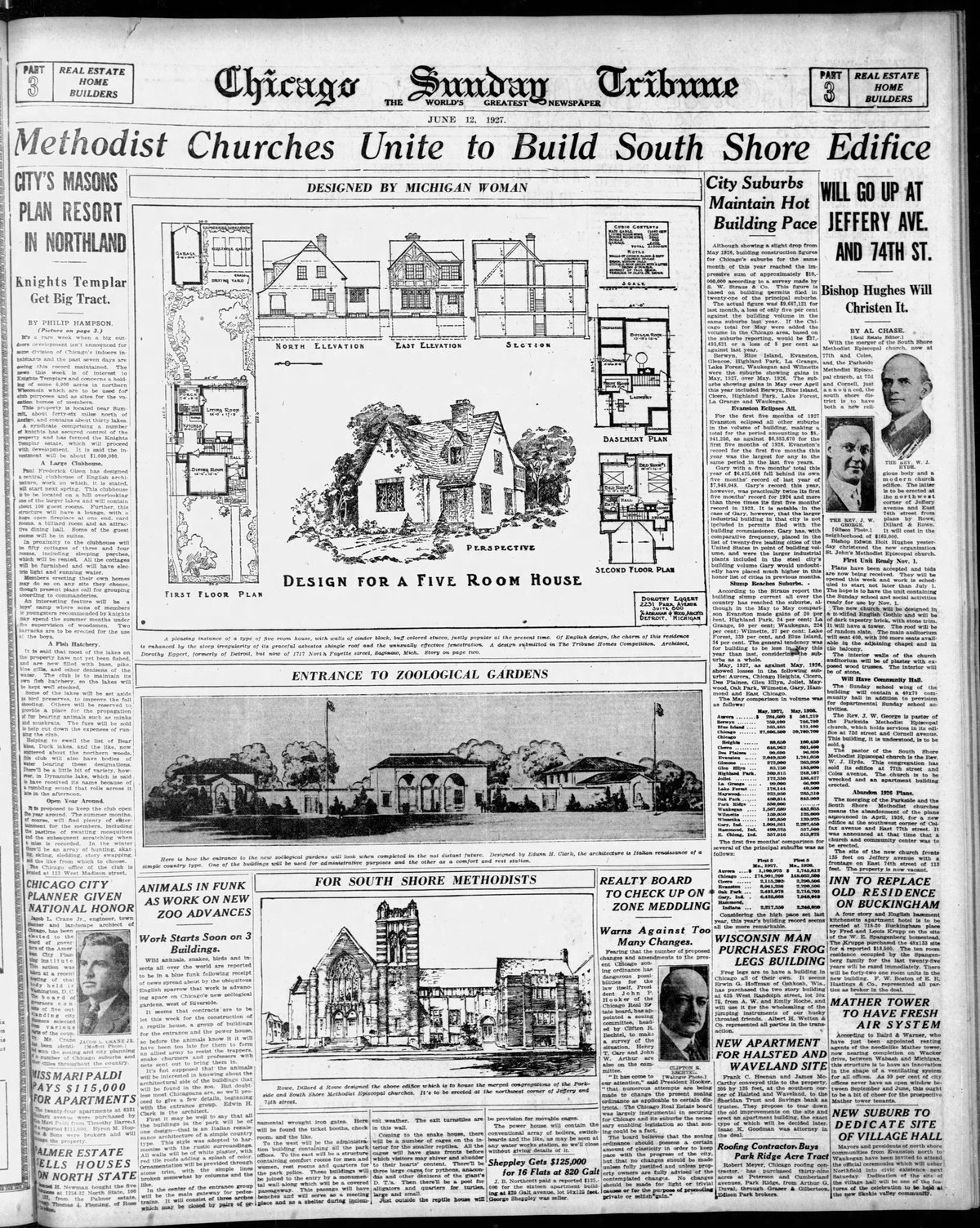
Lincoln Park Zoo's inception began with a modest gift from New York City's Central Park Board of Commissioners, who donated two pairs of swans to the Lincoln Park Commissioners in 1868 (Wikipedia). This humble beginning marked the start of what would become a significant cultural and educational institution in Chicago.
In the early years, the zoo expanded rapidly as more animals were donated. By 1874, the zoo had acquired a bear cub from the Philadelphia Zoo for $10, which became famous for its frequent escapes and nocturnal wanderings around Lincoln Park (Wikipedia). Other early additions included a puma, two elk, three wolves, four eagles, and eight peacocks (Wikipedia).
Growth and Development
The late 19th and early 20th centuries saw significant growth and development at Lincoln Park Zoo. In 1884, the zoo celebrated the birth of the first American bison born in captivity, a notable achievement given the species' near-extinction in the wild at the time (Wikipedia). By 1896, the U.S. government had purchased bison from the zoo to help re-establish the species in Yellowstone National Park (Wikipedia).
Mid-20th Century Innovations
The 1940s marked a transformative period for Lincoln Park Zoo. This decade saw the implementation of more naturalistic habitats and higher standards for animal welfare. Innovations included preventive veterinary medicine and applied science programs to enhance animal care (Better.net).
Modern Era and Conservation Efforts
In recent decades, Lincoln Park Zoo has continued to evolve, maintaining its commitment to conservation, education, and public engagement. The zoo is now home to approximately 1,100 animals representing around 200 species (Wikipedia). It has also become an accredited arboretum, highlighting its dedication to plant conservation alongside its animal exhibits (Wikipedia).
One of the zoo's most significant recent initiatives is 'The Pride of Chicago' campaign, a $135 million effort aimed at enhancing the zoo's environment and visitor experience (Better.net).
Visiting Lincoln Park Zoo
Visiting Hours and Tickets
Lincoln Park Zoo is open 365 days a year, typically from 10 a.m. to 5 p.m. However, hours may vary, so it's recommended to check the official website for the most up-to-date information. Remarkably, the zoo offers free admission to all visitors, a policy it has maintained since its founding in 1868 (TripSavvy).
Travel Tips and Nearby Attractions
Located in Lincoln Park, the zoo is easily accessible by public transportation and offers nearby parking options. Visitors are encouraged to explore nearby attractions such as the Chicago History Museum, the Peggy Notebaert Nature Museum, and the scenic Lakefront Trail.
Notable Exhibits and Attractions
Lincoln Park Zoo features several notable exhibits that reflect its commitment to providing enriching experiences for both animals and visitors. The Walter Family Arctic Tundra is a state-of-the-art habitat for polar bears, offering natural grass, an underwater viewing area, and a maternity den (Wikipedia). The Robert and Mayari Pritzker Penguin Cove provides a dynamic environment for penguins (Wikipedia).
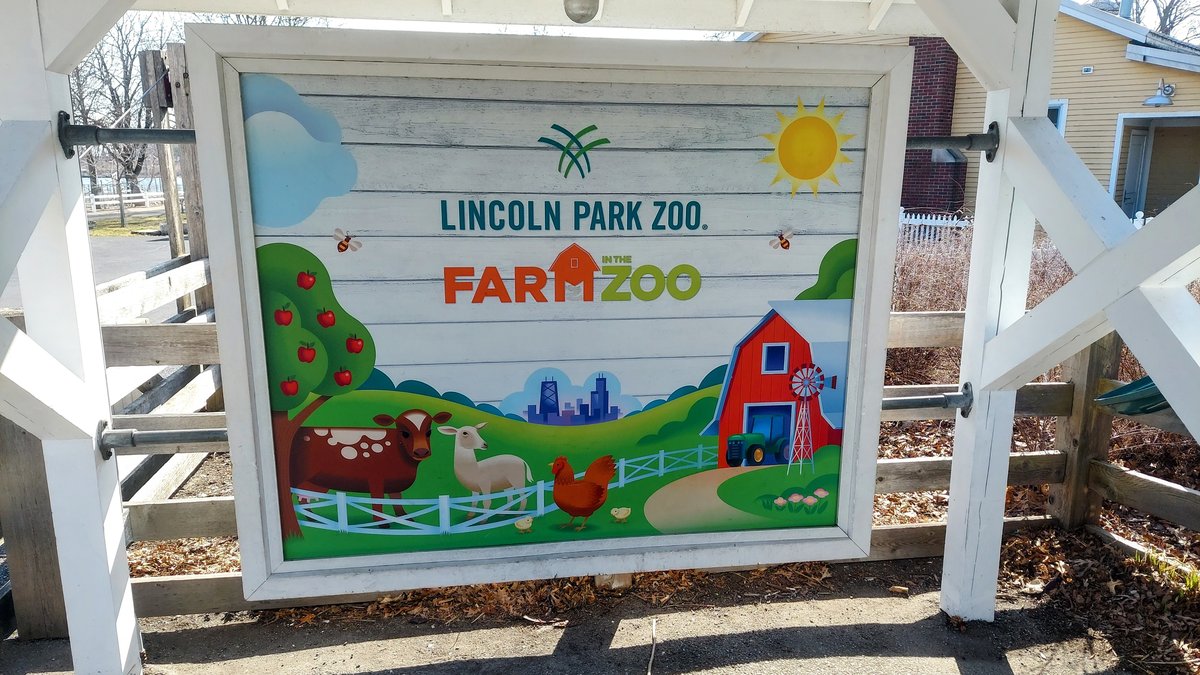
The zoo also commemorates its origins with the Hope B. McCormick Swan Pond, home to a pair of trumpeter swans that symbolize the zoo's long history (Wikipedia). Additionally, the Farm-in-the-Zoo exhibit, presented by John Deere, offers visitors a chance to experience rural life in an urban setting, complete with domestic animals and interactive exhibits (Wikipedia).
Community Engagement and Educational Programs
Lincoln Park Zoo is deeply committed to community engagement and education. The zoo offers a variety of programs designed to connect people with wildlife and nature. These include the LEAP (Learn, Explore, and Play) series, which provides children with opportunities to investigate and explore the natural world through play (Chicago Parent).
Throughout the year, the zoo hosts numerous family-friendly events, such as ZooLights, Fall Fest, and Spooky Zoo, which attract visitors of all ages (Chicago Parent). These events not only provide entertainment but also serve as educational opportunities to learn about wildlife and conservation.
Financial Sustainability and Free Admission
Lincoln Park Zoo's commitment to free admission is made possible through a combination of donor support, membership fees, and revenue from special events and attractions. Approximately 80% of the zoo's operating costs are covered by these sources, with the remaining funding provided by a subsidy from the Chicago Park District (Lincoln Park Zoo).
Future Prospects
As Lincoln Park Zoo looks to the future, it continues to prioritize innovation and excellence in animal care, conservation, and education. The zoo's ongoing efforts to enhance its exhibits and programs ensure that it remains a beloved and vital institution in Chicago. With its rich history and unwavering commitment to its mission, Lincoln Park Zoo is poised to continue making significant contributions to the fields of zoology and conservation for many years to come.
FAQ
What are the visiting hours for Lincoln Park Zoo?
- Lincoln Park Zoo is open daily from 10 a.m. to 5 p.m. However, hours may vary, so check the official website for up-to-date information.
How much do tickets cost for Lincoln Park Zoo?
- Admission to Lincoln Park Zoo is free for all visitors.
Is Lincoln Park Zoo accessible to visitors with disabilities?
- Yes, the zoo is wheelchair accessible and offers various amenities for visitors with disabilities. More information can be found on their website.
What are some nearby attractions to Lincoln Park Zoo?
- Nearby attractions include the Chicago History Museum, the Peggy Notebaert Nature Museum, and the Lakefront Trail.
Tickets & tours.
These are guided options from our partners — same price as booking direct.
Prices are indicative — final pricing and availability are confirmed at checkout. Audiala may earn a commission from bookings made through these links.
Listen to the full story in the app
The whole Lincoln Park Zoo,
told well.
Audio guides for 1,100+ cities across 96 countries. History, stories, and local insight — offline ready.
Verified, and shown.
Researched and written by the Audiala editorial team from historical records, architectural archives, and local expertise.
Lincoln Park Zoo
Visitor's Guide to Lincoln Park Zoo
Visitor FAQ
Lincoln Park Zoo with Kids
Researched from Wikidata, Wikipedia & official sources · fact-checked · How we make our guides →