What LaSalle/Van Buren is
At the crossroads of Chicago’s Loop, LaSalle/Van Buren brings together LaSalle Street Station, the elevated LaSalle/Van Buren CTA station, and a surrounding district of historic skyscrapers and civic buildings. The stations have helped establish Chicago as a national rail and transit center, while the neighborhood remains part of the city’s financial and governmental core.
The district combines historic architecture, public art, transit connections, restaurants, hotels, and nearby green spaces. Useful official resources include the Metra Official Site, the Chicago Transit Authority (CTA), and the Chicago Architecture Foundation.
History
LaSalle Street Station opened in 1852 as the terminus for the Chicago and Rock Island Railroad, a milestone in Chicago’s emergence as a national rail hub (Metra Official Site). A new station was built in 1866 to accommodate growing passenger and freight traffic, and additional railroads later joined as tenants. Its position beside the financial district made LaSalle Street a gateway for travelers and commerce from the east and south.
The station was rebuilt several times. The grand 1903 station featured a train shed that was among the largest of its era. The current LaSalle Street Station, designed by Frost & Granger, was completed in the early 1980s and is the fifth station on the site.
LaSalle Street Station once served intercity trains including the New York Central’s 20th Century Limited and the Rock Island–Southern Pacific Golden State Limited. Intercity services waned by the late 20th century; the station now serves Metra’s Rock Island District, carrying thousands of passengers each day.
The elevated LaSalle/Van Buren CTA station opened in 1897. It is a rare example of original Chicago ‘L’ architecture, with period woodwork and tin ceilings (Chicago-L.org).
The LaSalle/Congress Intermodal Transfer Center opened in 2011, connecting Metra with CTA buses and the Blue Line. The district’s history also includes recovery after the Great Chicago Fire and ongoing preservation efforts.
What to see
West Loop–LaSalle Street Historic District
Recognized on the National Register of Historic Places, the West Loop-LaSalle Historic District illustrates Chicago’s architectural development. Its dense collection of skyscrapers creates the Loop’s distinctive “canyon” streetscape. Architectural styles include Classical Revival, Chicago School, Art Deco, Romanesque Revival, and International Style. Firms represented in the district include Burnham & Root, Holabird & Roche, and Graham, Anderson, Probst & White.
The area’s architectural details include symmetrical, columned facades; steel frames and large windows; geometric Art Deco ornament and setbacks; heavy masonry and rounded arches; and mid-20th-century glass-and-steel modernism.
LaSalle Street Station
The current LaSalle Street Station integrates platforms and tracks within a 12-story steel-frame structure. It combines modern amenities with the site’s history as a transportation landmark.
LaSalle/Van Buren CTA station
The elevated station’s historic features include period woodwork and tin ceilings. Its platforms are exposed, with some canopy coverage.
The Rookery Building
Completed in 1888 by Burnham & Root, the Rookery Building combines load-bearing masonry with steel-frame construction. Its glass-covered light court and Frank Lloyd Wright’s 1905 Prairie-style lobby renovation are notable features. Guided Rookery Building Tours are offered Tuesday–Saturday, 10:00 AM–4:00 PM; advance booking is highly recommended. The building’s LEED Gold certification is one example of sustainable innovation alongside preservation.
Chicago Board of Trade Building
The Chicago Board of Trade Building is an Art Deco landmark completed in 1930. It is crowned by a pyramid-shaped roof and a statue of Ceres, and has long served as the Midwest’s commodity trading hub. Its position at the southern end of the district makes it a prominent part of LaSalle Street’s architectural “canyon.”
Other architecture and public spaces
The surrounding area also includes One North LaSalle, the Federal Reserve Bank of Chicago, and City Hall, reflecting the district’s financial and governmental role. Public art installations, sculptures, and commemorative plaques enliven the streetscape. Nearby green spaces include the Chicago Riverwalk and Grant Park.
Practical visiting information
LaSalle Street Station
- Hours Open daily from approximately 5:00 AM to midnight. Ticket-counter hours vary; see Metra Ticket Information.
- Tickets Metra tickets can be purchased online, through mobile apps, or at on-site counters. Mobile ticketing is recommended for convenience.
- Accessibility The station is fully accessible, with elevators, ramps, and accessible restrooms.
LaSalle/Van Buren CTA station
- Address 121 W. Van Buren Street (Moovit).
- Service The station serves the CTA Brown, Orange, Pink, and Purple Lines and is accessible from all corners of LaSalle and Van Buren.
- Hours Daily, 6:00 AM–11:00 PM (The Savvy Globetrotter).
- Facilities The platforms are exposed, with some canopy coverage. There are no restrooms.
- Accessibility The station is not ADA-accessible; access is by stairs only. The closest accessible alternative is Harold Washington Library-State/Van Buren.
- Payment CTA uses the Ventra system for tickets, passes, and contactless payments. Metra tickets must be purchased separately (Transit.Wiki).
Chicago Board of Trade Building
- Lobby access Free on weekdays, 8:00 AM–6:00 PM.
- Tours Local operators offer guided tours; advance booking is recommended.
- Getting there and accessibility The building is accessible by Metra, CTA trains, and bus lines. Its facilities are ADA-compliant.
- Amenities Restrooms are available in the lobby. Food options and Wi-Fi are available within a block.
General access and amenities
General access is listed as 8:00 AM–6:00 PM, though hours at specific attractions may vary. Most major buildings and sidewalks are wheelchair accessible. Parking is limited. Dining options range from classic pizza to fine dining, and cafes, restaurants, and hotels are available within easy walking distance.
Guided walking tours of the district’s financial and architectural highlights can be booked through the Chicago Architecture Center. The Chicago Architecture Center also offers expert-led tours. Special rail excursions, including historic steam locomotive visits, occur occasionally. Check Choose Chicago and local listings for current events and tour schedules.
Tips
- Midday and weekends are quieter times to visit; weekday rush hours are busier.
- The area is described as generally safe and closely monitored. The CTA station area is well-patrolled and has security features; observe standard urban precautions and station etiquette.
- Use transit apps for real-time updates and avoid peak rush hours for greater comfort.
- Prepare for weather on the CTA station’s open platforms.
- Ventra cards streamline CTA entry.
- There is no luggage storage, so pack light.
- Photography is permitted at the CTA station for personal use. The area’s historic facades and “canyon” streetscape offer photographic subjects; the Chicago Board of Trade Building can be photographed from LaSalle Street, and its lobby has intricate details.
- The CTA station has appeared in films, including Planes, Trains and Automobiles.
- For lost items, contact CTA at (312) 836-7000.
- Emergency contacts CTA Customer Service: (312) 836-7000; Police/Fire: 911; service alerts: CTA Alerts page.
- Summer events include Taste of Chicago in Grant Park and fireworks at Navy Pier. Check event calendars for street closures or transit changes (The Savvy Globetrotter).
Nearby places
- Chicago Board of Trade Building An Art Deco landmark and financial-district icon.
- The Rookery Building Known for its Frank Lloyd Wright-designed lobby.
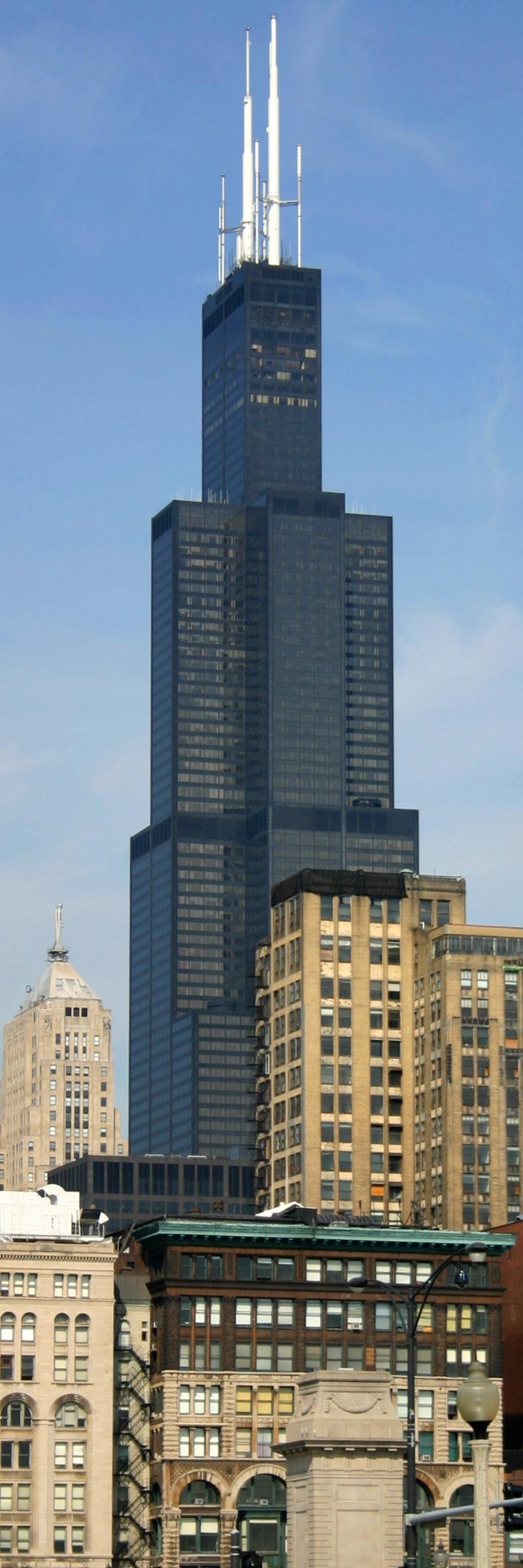
- Willis Tower Offers panoramic city views.
- Harold Washington Library A major cultural and architectural landmark and the closest accessible alternative to the LaSalle/Van Buren CTA station.
- Grant Park East of the Chicago Board of Trade Building.
- Art Institute of Chicago A five-minute walk from the Board of Trade Building.
- Route 66 Start Point At Adams Street and Michigan Avenue.
- Millennium Park and the Chicago Cultural Center Nearby venues for concerts, exhibitions, and festivals.
- Chicago Riverwalk and Grant Park Green spaces and scenic retreats near the district.
The district’s restaurants and rooftop bars offer access to Chicago’s culinary scene.
External links
- Metra Official Site
- Chicago Transit Authority (CTA)
- Choose Chicago – Official Tourism Site
- Chicago Architecture Foundation
- West Loop-LaSalle Historic District
- The Rookery Building
- Rookery Building Tours
- Chicago Board of Trade
- Chicago-L.org
- Moovit
- The Savvy Globetrotter
- Transit.Wiki
- CTA Alerts
- Chicago Riverwalk
- Chicago Architecture Center Tours
Related guides
- Articles on Chicago’s Loop and other historic stations
- Visitor guides for Millennium Park and the Riverwalk
Frequently Asked Questions (FAQ)
Q: What are the LaSalle Street Station hours?
A: Approximately 5:00 AM–midnight; ticket-counter hours may differ.
Q: How do I buy tickets?
A: Metra and CTA tickets are available through apps, vending machines, or at station counters. Metra and CTA tickets are separate; CTA uses Ventra.
Q: Is the station accessible?
A: LaSalle Street Station is fully accessible; LaSalle/Van Buren CTA station is not.
Q: What attractions are nearby?
A: The Chicago Board of Trade Building, Rookery Building, Willis Tower, and Harold Washington Library.
Audiala2024