What LaSalle Street Is
LaSalle Street is one of Chicago’s most recognizable and historic thoroughfares, renowned as the “Wall Street of the Midwest.” Its blend of architectural landmarks, financial heritage, and an evolving urban landscape makes it a notable part of the city. The Chicago Board of Trade Building and the Rookery Building anchor the corridor, and attractions such as Millennium Park and the Art Institute of Chicago are nearby (Wikipedia).
LaSalle Street is also at the heart of the LaSalle Street Reimagined initiative, a redevelopment plan combining historic preservation with mixed-use development, affordable housing, and improved public amenities (City of Chicago).
History and Financial Significance
LaSalle Street’s roots reach back to the early 1800s. It was named after French explorer René-Robert Cavelier, Sieur de La Salle, and included in the 1830 plat of Chicago. It soon became a central artery for commerce and transportation (Chicago Public Library). Its downtown section was called Pacific Avenue until 1901, reflecting Chicago’s early ambitions as a commercial hub.
Since the late 19th century, LaSalle Street has housed major banks, insurance firms, and trading houses. Its imposing skyscrapers lining a narrow corridor earned it the nickname “Canyon” (Wikipedia). The street is a symbol of Chicago’s resilience and ambition and has appeared in films, books, and iconic photographs.
What to See
Architectural Highlights
- Rookery Building (219 S. LaSalle) Completed in 1888, this building combines classic and modern engineering and features a Frank Lloyd Wright-designed lobby.
- One North LaSalle A 1930 Art Deco tower celebrating La Salle’s explorations.
- Chicago Board of Trade Building An Art Deco landmark and symbol of Chicago’s economic might, with a renowned rooftop statue.
- Chicago City Hall and James R. Thompson Center Prominent civic buildings that contribute to the street’s governmental significance.
Some interiors are accessible through guided tours; check official sites for availability and hours.
Other Experiences
- Federal Reserve Money Museum Free currency-themed exhibits and souvenirs.
- Chicago Greeter Tours Free guided walking tours with locals.
- Candlelight Concerts Intimate music performances at historic venues.
- Public art installations, pop-up events, and cultural festivals are common; check local listings for current events.
Redevelopment and Future Vision
To address post-pandemic vacancies and changing urban needs, Chicago launched the LaSalle Street Reimagined initiative (City of Chicago). Its priorities include repurposing vacant office towers for mixed-income housing, enhancing green spaces and pedestrian amenities, preserving historic architectural features, and encouraging equitable economic growth.
Key redevelopment projects include:
- 79 W. Monroe (Rector Building) 117 apartments, 35% of them affordable, a fitness center, and a restored “weather bell” sign. Construction began March 2025.
- 135 S. LaSalle (Former Bank of America) 386 residential units, 30% of them affordable, plus retail and office space. The investment is $241 million.
- Other projects 111 W. Monroe, 208 S. LaSalle, 30 N. LaSalle, and 105 W. Adams, all prioritizing affordable housing and historic preservation (NBC Chicago).
Practical Visiting Information
Hours, Tickets, and Tours
LaSalle Street is a public thoroughfare, open 24/7 and free to visit. Most architectural highlights can be admired from the street, making it suitable for self-guided tours.
- Chicago Board of Trade Building Lobby open weekdays, 8 AM–6 PM. Tours by appointment (official site).
- Rookery Building Guided tours on weekdays, 10 AM–4 PM. Tickets are available onsite or online.
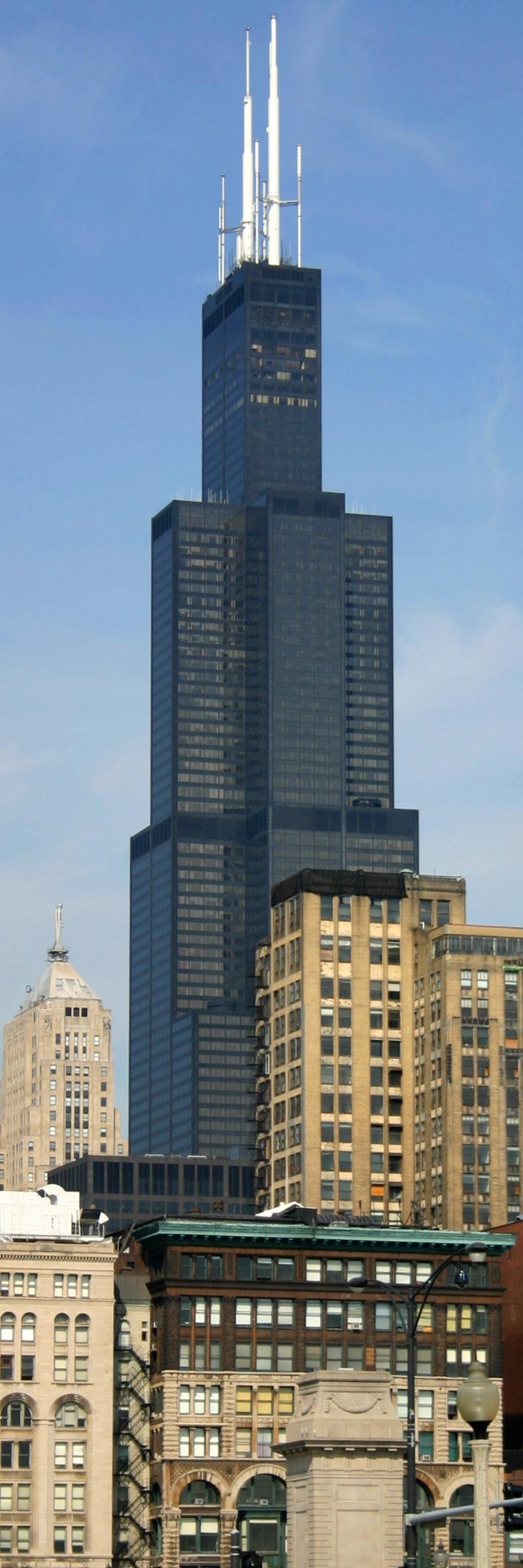
- Willis Tower (Skydeck) Open daily, 9 AM–10 PM. Tickets from $30.
- Federal Reserve Money Museum Free admission, weekdays 9 AM–4 PM.
- Art Institute of Chicago Open 10:30 AM–5 PM, Thursdays until 8 PM. Tickets from $25 (AnyTravelTips).
The Chicago Board of Trade and City Hall operate primarily during business hours (Monday–Friday, 8 AM–6 PM). Interior access may require prior arrangements or a guided tour. Walking and architecture tours are available through local providers or the Chicago Architecture Center.
Getting There and Around
LaSalle Street is served by LaSalle Street Station (Metra), multiple CTA lines, CTA Blue and Red Lines, and Divvy bike-share stations. The LaSalle Street Bridge is also nearby. Sidewalks and transit stations are wheelchair accessible.
Parking is limited; public transit is strongly recommended.
Accommodation, Dining, and Nightlife
River North, the Loop, and Streeterville offer a range of hotels. Book early during summer and event weekends for best rates (AnyTravelTips).
Chicago’s deep-dish pizza and Italian beef are local specialties. The Loop and nearby River North offer options ranging from food halls to fine dining (Choose Chicago). Jazz clubs, rooftop lounges, and the historic Chicago Theatre offer evening entertainment.
Accessibility and Inclusivity
Most attractions and public transit options on LaSalle Street are wheelchair accessible. Recent redevelopment projects are designed to meet or exceed ADA standards (Chicago.gov).
Tips for Visitors
- Wear comfortable shoes for walking tours.
- Weekdays, especially mornings, offer the most activity in the financial district. Summer festivals and events add vibrancy.
- Visit attractions early or late to avoid peak times, especially in July.
- July is hot and humid; dress accordingly and stay hydrated (AnyTravelTips).
- Downtown is generally safe; exercise standard city caution at night.
- Tipping 15–20% is customary at restaurants and for services.
- LaSalle Street’s revitalization emphasizes sustainability, adaptive reuse of historic buildings, and expanded green spaces (3M Zpadr). Visitors are encouraged to use public transit, support local businesses, and recycle.
- Book tours and accommodations in advance, utilize public transit, and take in the blend of history and modern life that defines LaSalle Street (Choose Chicago).
Nearby Places and Outdoor Experiences
Millennium Park, the Art Institute of Chicago, the Chicago Riverwalk, and the Magnificent Mile are within walking distance.
- Millennium Park Open daily, 6 AM–11 PM. Free events in summer.
- Lakefront Trail Open 24/7 for walking, jogging, or biking.
- Maggie Daley Park Seasonal activities and playgrounds for families.
Frequently Asked Questions
Q: Are there entrance fees to visit LaSalle Street?
A: The street itself is free and open to the public. Some attractions and tours require paid tickets.
Q: What are the best times to visit?
A: Weekdays, especially mornings, offer the most activity in the financial district. Summer festivals and events add vibrancy.
Q: Is LaSalle Street accessible for people with disabilities?
A: Yes. Most sidewalks, attractions, and transit stations are ADA accessible.
Q: Where can I find public restrooms?
A: In buildings like City Hall, the Art Institute, and select retail centers.
Q: How do I get tickets for tours or attractions?
A: Purchase online in advance or at official box offices. Advance booking is recommended during peak seasons (Avoid Crowds).