
What Hyde Park Is
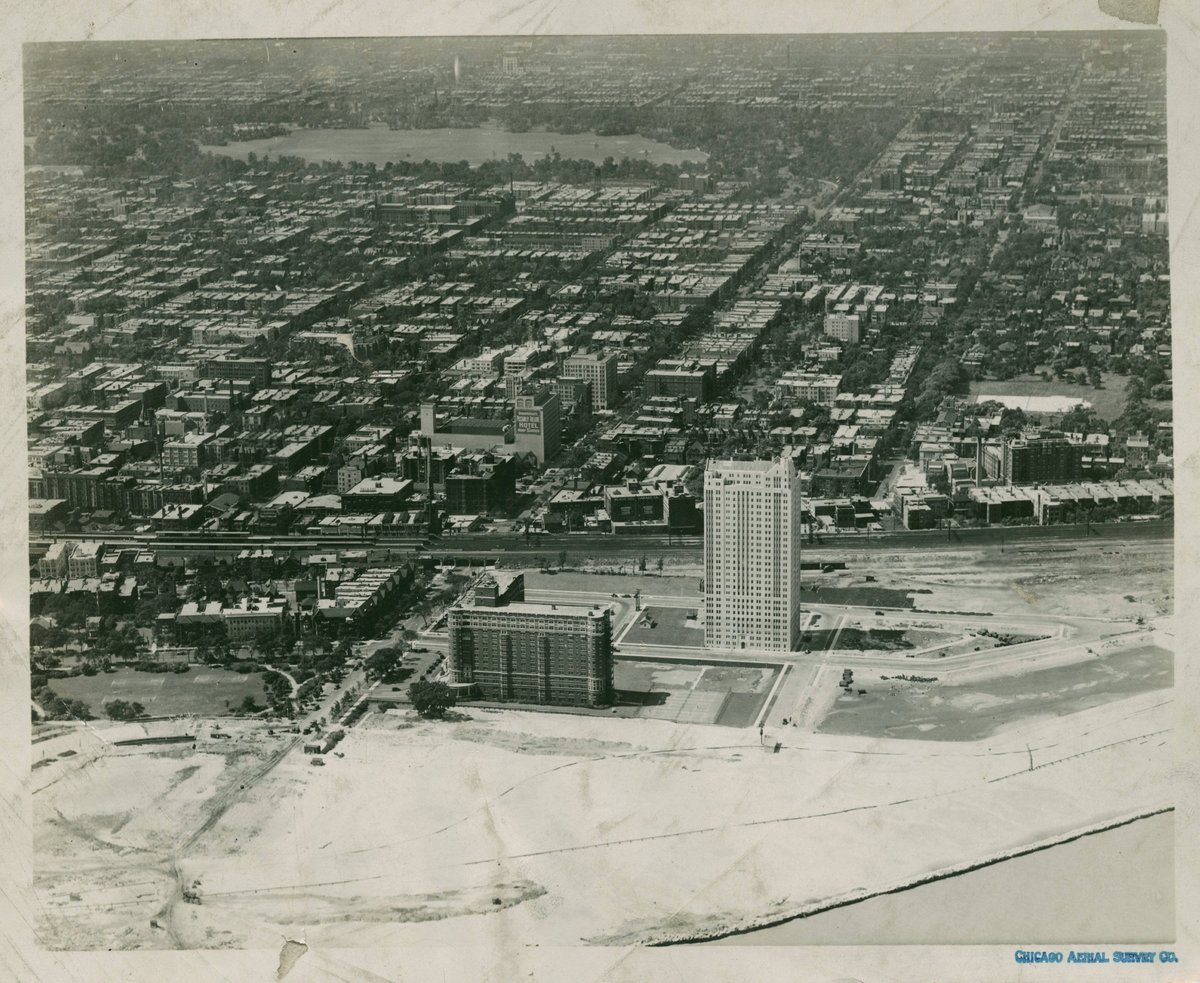
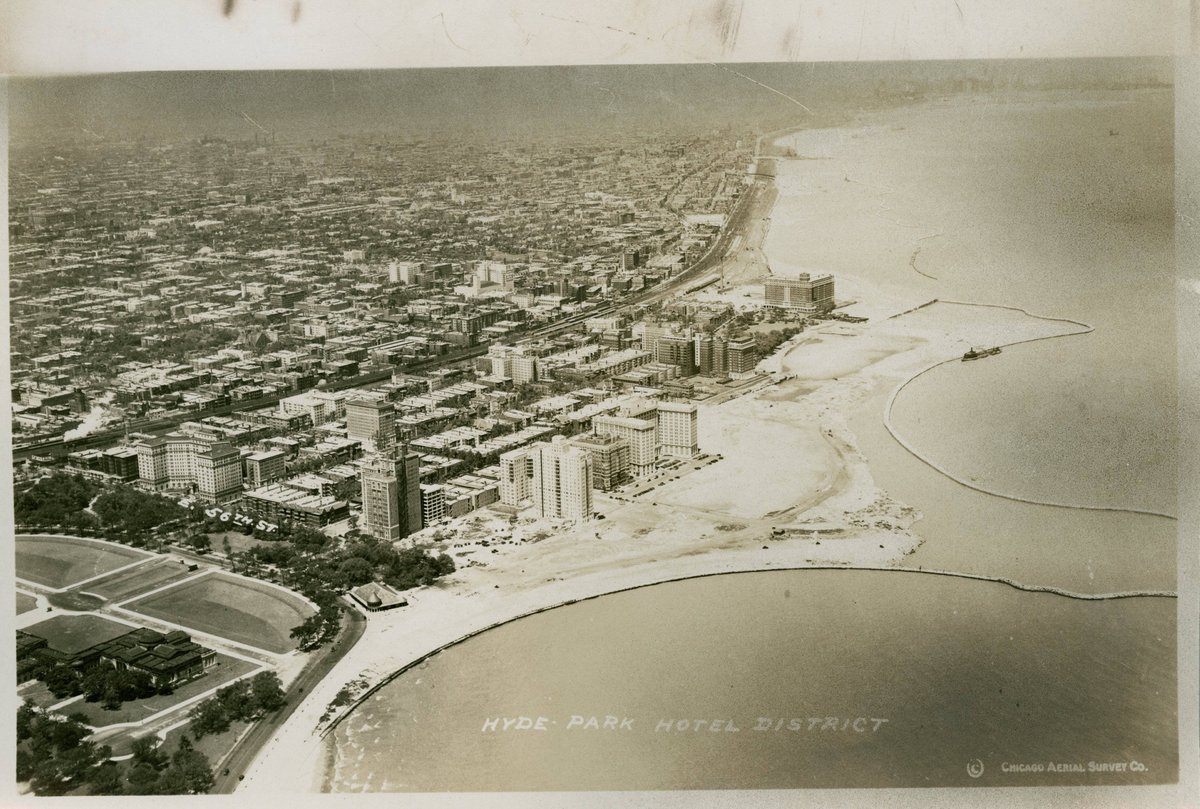
Hyde Park is a Chicago neighborhood on the South Side along Lake Michigan. Once a 19th-century suburban community, it is now known for its history, architecture, diverse population, academic heritage, and cultural institutions. Highlights include the University of Chicago, the Museum of Science and Industry, the DuSable Museum of African American History, landmarks from the World’s Columbian Exposition of 1893, and the Emmett Till and Mamie Till-Mobley House (Time Out Chicago; Museum of Science and Industry; Emmett Till and Mamie Till-Mobley House).
History
Early Development and Annexation
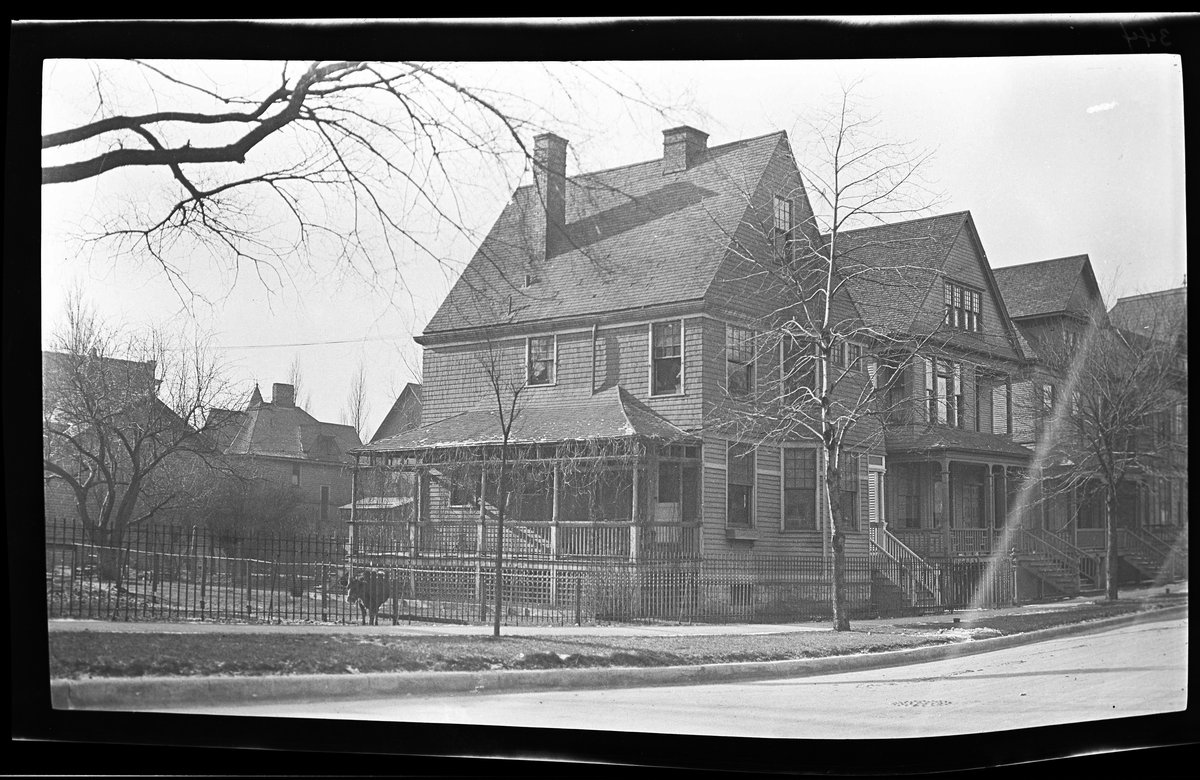
Hyde Park originated in 1853, when lawyer Paul Cornell purchased 300 acres along Lake Michigan to establish an upscale residential community. The Illinois Central Railroad arrived in 1856, connecting Hyde Park to downtown Chicago and spurring growth (Time Out Chicago).
By 1889, Hyde Park’s rapid development had prompted its annexation by the City of Chicago. This brought the area into the city’s governance and services and supported further residential and commercial expansion (Chicago.gov PDF).
World’s Columbian Exposition of 1893
Jackson Park hosted the 1893 World’s Columbian Exposition, which attracted over 27 million visitors. The event introduced innovations including the first Ferris wheel and widespread electric lighting. Its “White City” established new standards in urban planning and architecture. The Palace of Fine Arts, now the Museum of Science and Industry, is a lasting legacy of the exposition (Time Out Chicago; History Curator).
Social and Demographic Evolution
Hyde Park is known for community activism and diversity. In the mid-20th century, it became a model for racial integration and urban renewal. The neighborhood remains home to students, academics, and families, and has hosted influential figures such as President Barack Obama (Time Out Chicago).
Hyde Park’s history reflects wider changes in Chicago, from suburban growth and annexation to the city’s development in education and urban renewal.
What to See
Museums and the University of Chicago
Founded in 1890, the University of Chicago is central to Hyde Park’s identity and is known for academic excellence and architectural landmarks, including Frank Lloyd Wright’s Robie House.
On campus, visitors can see Collegiate Gothic architecture and visit the Smart Museum of Art and the Institute for the Study of Ancient Cultures.
The Museum of Science and Industry has over 2,000 interactive exhibits, including the U-505 submarine and a working coal mine. Find visiting hours and ticket info.
The DuSable Museum of African American History, also referred to as the DuSable Black History Museum, presents African American history and culture. See DuSable Museum tickets and hours.
The Hyde Park Art Center and Renaissance Society present contemporary art. Public art includes the Hyde Park Murals (Chicago History Museum).
Architecture and Religious Heritage
Hyde Park’s architecture ranges from Victorian mansions and Prairie School homes to mid-century modern buildings. The Robie House and Hyde Park Union Church are among its notable sites; many neighborhood buildings have landmark status (Chicago.gov PDF).
Parks and Public Art
- Jackson Park Designed by Frederick Law Olmsted, the park includes the restored Garden of the Phoenix, the iconic Statue of the Republic, and the Osaka Garden. Jackson Park is open daily from dawn to dusk.
- Washington Park Features expansive lawns and the Fountain of Time sculpture (Washington Park).
- Midway Plaisance Connects Jackson and Washington Parks and hosts seasonal events.
- Public art also includes the Thomas Masaryk Statue and the Fountain of Time.
Performing Arts
- Court Theatre Offers professional performances on campus (Court Theatre tickets).
- Logan Center for the Arts A multidisciplinary arts hub (Logan Center schedule).
Practical Visiting Information
Hours and Tickets
- Museum of Science and Industry 9:30 AM–4:00 PM, Tuesday–Sunday (MSI Chicago).
- DuSable Museum of African American History 11:00 AM–4:00 PM, Tuesday–Sunday (DuSable Museum).
- Robie House 10:00 AM–5:00 PM, Wednesday–Sunday; visits are by tour reservation (Frank Lloyd Wright Trust).
- Jackson Park and Garden of the Phoenix Open daily, dawn to dusk.
Fees vary by site. Museum of Science and Industry general admission is about $22.95 for adults; the DuSable Museum offers suggested donations. Some attractions, including Robie House, require advance online ticket purchases. Discounts are available for students, seniors, and local residents. Most museums require tickets, and online purchase is recommended.
Guided tours are available at major sites, including Robie House and the Museum of Science and Industry. Seasonal festivals, lectures, and community events take place throughout the year.
Emmett Till and Mamie Till-Mobley House
The house honors Emmett Till and his mother, Mamie Till-Mobley, pivotal figures in civil rights history. Exhibits, artifacts, and programs reflect on racial justice (Emmett Till and Mamie Till-Mobley House).
- Hours Wednesday–Sunday, 10:00 AM–5:00 PM.
- Admission Free; advance reservations are encouraged.
- Tours Guided tours are available on weekends.
- Accessibility Wheelchair accessible; contact the site about specific needs.
- Location 6421 S. St. Lawrence Avenue; accessible by the CTA Green Line and local buses.
Accessibility, Transit, and Safety
Metra and CTA transportation are fully accessible, and sidewalks have curb cuts. Major attractions offer wheelchair access, services for visitors with disabilities, sensory-friendly programs, and accessible restrooms. Accessible rooms are available at area hotels. Check individual attraction websites for details.
Hyde Park is generally considered safe, with additional security from the University of Chicago. Emergency services are readily available. The neighborhood is considered especially safe during the day, and standard urban safety practices are advised, particularly at night.
Hyde Park is accessible by Metra, CTA buses, and Lake Shore Drive. Street parking is limited; rideshare is recommended.
Tips
- Check attraction websites for current hours and ticketing policies, and purchase tickets online in advance for major attractions.
- Use public transit, including Metra and CTA buses, for convenience.
- Wear comfortable shoes for walking tours.
- June averages 78°F (26°C); pack layers and rain gear.
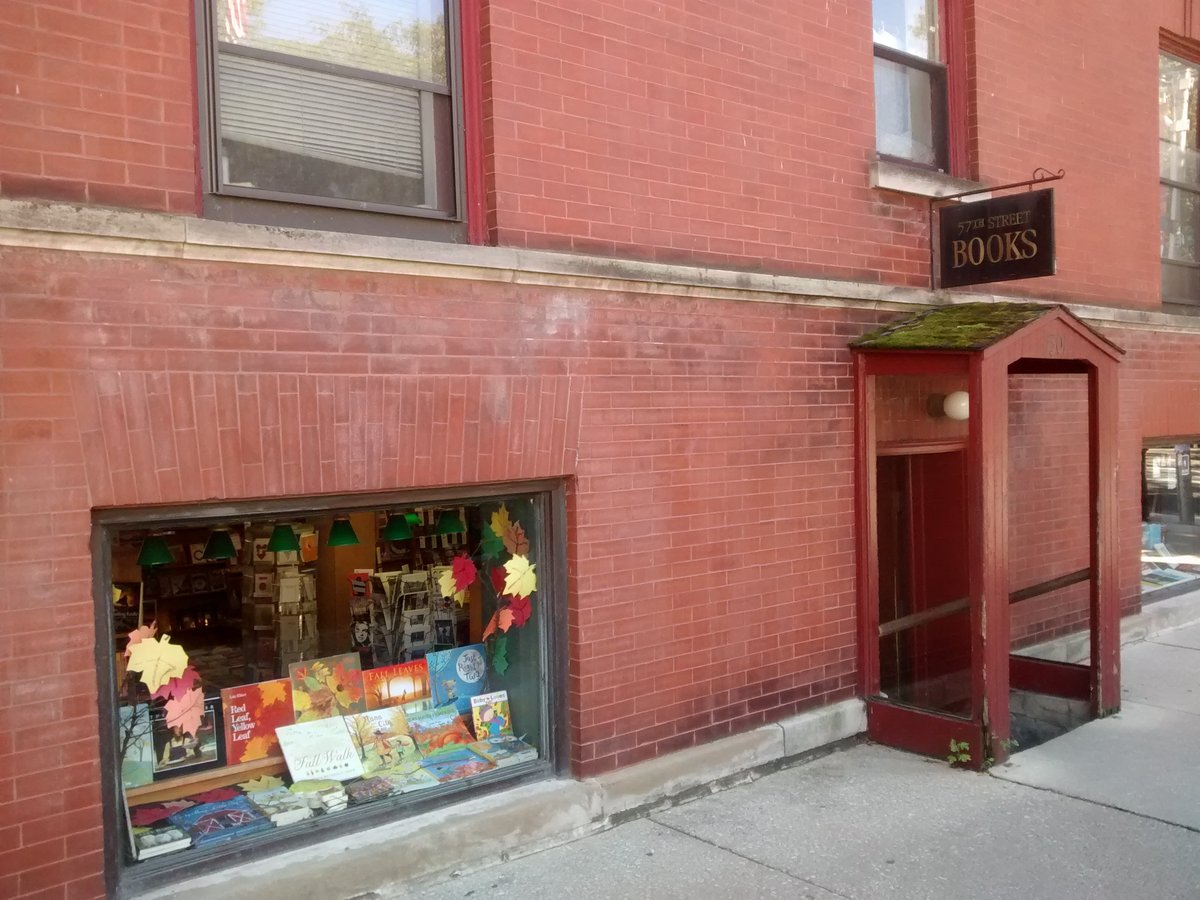
- Hyde Park has a wide range of accessible restaurants, especially on 53rd and 55th Streets.
- The Audiala app offers audio tours, maps, and up-to-date event information.
Nearby Places
Nearby attractions include the DuSable Museum and Hyde Park Art Center. Nearby dining options include Virtue Restaurant & Bar and Jade Court.
For an interactive map, see Explore Hyde Park on Interactive Map.
Frequently Asked Questions (FAQs)
- What are typical visiting hours? Most museums open between 9:30 and 11:00 AM and close by 4:00 or 5:00 PM.
- Are tickets required for museums? Yes. Most museums require tickets, and online purchase is recommended.
- Is Hyde Park accessible by public transit? Yes, via Metra and CTA buses.
- Are guided tours available? Yes, at key sites such as Robie House and the Museum of Science and Industry.
- How safe is Hyde Park? It is considered safe, especially during the day, with good public amenities.
- Are accommodations and attractions accessible? Most provide accessible facilities; check individual sites for details.