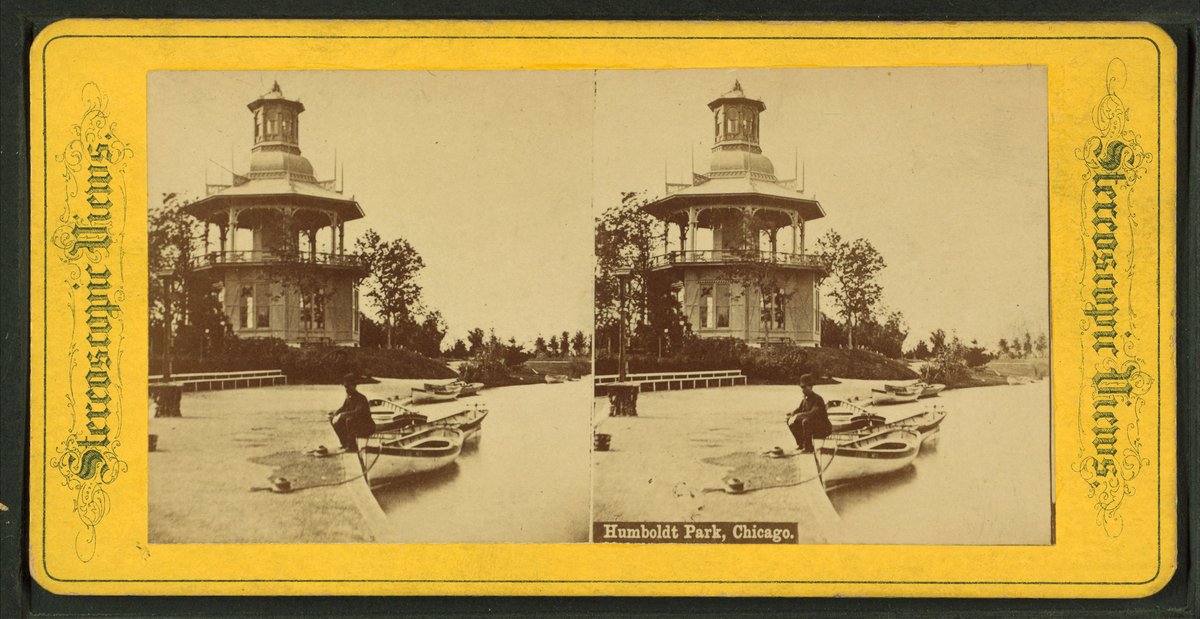

What Humboldt Park Is
Humboldt Park is a nearly 200-acre urban oasis on Chicago’s Northwest Side, known for its natural beauty, historic architecture, recreation, and Puerto Rican heritage. Designed in the late 19th century by William LeBaron Jenney, the park features lagoons, a historic boathouse, gardens, and spaces for community events.
The surrounding neighborhood is a cultural and social center for one of the largest Puerto Rican communities in the United States, and a nucleus of Puerto Rican culture in Chicago and the Midwest. Its cafes, shops, public art, and cultural events reflect the community’s history and identity (Choose Chicago; Boricua.com; Chicago Park District).
History and Puerto Rican Heritage
The neighborhood’s transformation into a Puerto Rican enclave began in the mid-20th century, as families arrived seeking opportunity and community. Activism and efforts to resist gentrification have shaped the area, with the development of Paseo Boricua and its steel flags serving as symbols of community resilience. After the 1977 riots, activism also contributed to structural changes, including increased representation in the Chicago Police Department (CCT; Palabra).
Paseo Boricua is a six-block stretch of Division Street marked at its entrance by monumental steel Puerto Rican flags. Erected in 1995 and designed by Marcos Raya, the flags represent community pride and resilience in the face of gentrification.
What to See and Do
Park Attractions and Recreation
- Lagoon and boathouse The park’s lagoon has walking paths and scenic views. Its historic 1907 boathouse hosts events.
- Rose Garden More than 1,000 rose bushes attract photographers and nature lovers.
- Inland beach and bison statues The park has Chicago’s only inland beach, as well as bison statues.
- Trails and open spaces Walking and biking trails connect to The 606. Open fields and picnic areas accommodate sports, yoga, and gatherings.
- Field House and gardens The Field House is a community hub for fitness, arts, and youth programs. Community gardens support urban agriculture and environmental stewardship.
- Sports and nature Little League baseball fields host games and tournaments. Lagoons and wetlands offer opportunities for birdwatching and nature walks.
- Other amenities Playground areas, seating, and food vendors offering Puerto Rican specialties contribute to the park’s community spaces.
Cultural Landmarks and Public Art
The National Museum of Puerto Rican Arts and Culture (NMPRAC) is the only institution of its kind in the continental United States. It occupies the historic Humboldt Park Stables and Receptory, built in 1895 and restored at a cost of $9 million. The building has galleries, performance spaces, art classrooms, and an outdoor courtyard. The museum preserves and shares Puerto Rican culture through exhibitions, workshops, and community events (Midstory).
Paseo Boricua, the symbolic heart of Puerto Rican Chicago, is lined with Puerto Rican cafes, bakeries, shops, and community centers. Notable public artworks include Cristian Roldán’s “La Voz del Paseo Boricua” mural and the La Casita de Don Pedro y Lolita garden. Murals and installations throughout the neighborhood celebrate Puerto Rican history, folklore, migration, activism, and community resilience, creating an open-air gallery.
Festivals, Education, and the Arts
Humboldt Park hosts cultural events and festivals throughout the year, including the Puerto Rican Festival and Parade.
- The Puerto Rican People’s Parade takes place every June. It brings together over a million attendees for floats, dancers, and live music.
- Fiesta Boricua, held in August, is a block party with live music, traditional Puerto Rican food, artisan vendors, and family activities.
- The Barrio Arts Festival, hosted at NMPRAC, features over 50 artists and vendors, as well as workshops and performances.
NMPRAC offers painting, sculpture, and photography workshops for all ages. Its annual Ceiba Award honors individuals who have made significant contributions to Puerto Rican culture.
Food and Local Businesses
Family-owned restaurants serve Puerto Rican dishes such as mofongo, jibaritos, and arroz con gandules. Café Colao and Mercado Del Pueblo are popular destinations for cuisine and local goods.
Practical Visiting Information
Hours, Admission, and Tickets
- Humboldt Park Open daily from 6:00 AM to 11:00 PM year-round. Hours may be extended for special events.
- Admission Free for the park and its outdoor attractions. Some events may require tickets; check the official website for details.
- NMPRAC Open Tuesday–Saturday, 11:00 AM to 5:00 PM. Entry is free, and donations are encouraged.
Accessibility and Facilities
Park paths are paved and wheelchair accessible. Playgrounds and picnic areas are available, and the main facilities and paths are wheelchair- and stroller-friendly. NMPRAC is fully accessible. Park facilities include restrooms, water fountains, and seating areas.
Getting There and Parking
CTA bus routes 56 and 94 and the Blue Line’s Western station offer access to the park and Paseo Boricua. The park is also accessible by multiple CTA bus routes and nearby train stations. There are multiple access points; street parking is limited.
Nearby Places
Nearby Logan Square and the Chicago History Museum offer further opportunities to explore Chicago’s neighborhoods and history.
Frequently Asked Questions (FAQs)
What are Humboldt Park’s visiting hours?
The park is open daily from 6:00 AM to 11:00 PM. NMPRAC is open Tuesday–Saturday, 11:00 AM–5:00 PM.
Is there an entrance fee?
No. Admission to the park and NMPRAC is free. Donations are accepted at the museum, and some events may require tickets.
When are the major festivals held?
The Puerto Rican People’s Parade takes place in June, Fiesta Boricua in August, and the Barrio Arts Festival in early summer.
Are guided tours available?
Yes. Chicago Greeter and other local groups offer guided tours.
Are pets allowed?
Yes. Leashed pets are welcome.
Are the facilities accessible?
Yes. The main facilities and paths are wheelchair and stroller friendly.
Where can I find event information?
Check the Chicago Park District website or the Field House.