
Essential Sites to Visit
Chicago Water Tower & Pumping Station
The Chicago Water Tower (806 N. Michigan Ave.) is the most iconic survivor of the fire. Built in 1869, this limestone tower withstood the flames and stands as a symbol of resilience. Next door, the Chicago Avenue Pumping Station also survived and now houses the Lookingglass Theatre.
- Hours Water Tower open daily, 10:00 am–7:00 pm (may vary by season).
- Tickets Free admission to both the exterior and City Gallery inside.
- Tip Visit the commemorative plaques and the rotating art exhibitions in the City Gallery. The Pumping Station’s public hours depend on theater events—check the official site.
**
Chicago Fire Academy and “Tongues of Flame” Sculpture
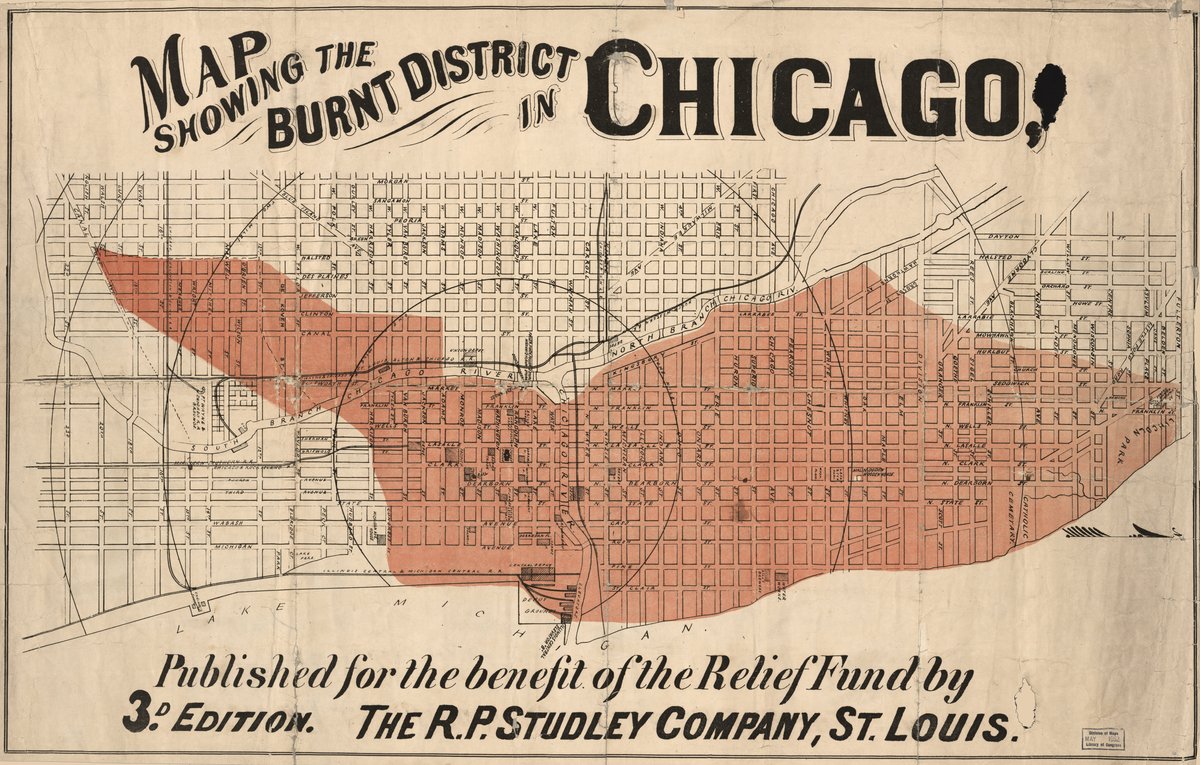
At 558 W. DeKoven St., the Chicago Fire Academy marks the fire’s origin. Outside stands the “Tongues of Flame” sculpture, commemorating the site where the blaze began.
- Hours The outdoor sculpture and marker are accessible year-round.
- Tickets Free to visit the exterior; the Academy itself is not open for public tours.
- Tip Pair this stop with a walk through the South Loop’s other historic sites.
**
Chicago History Museum
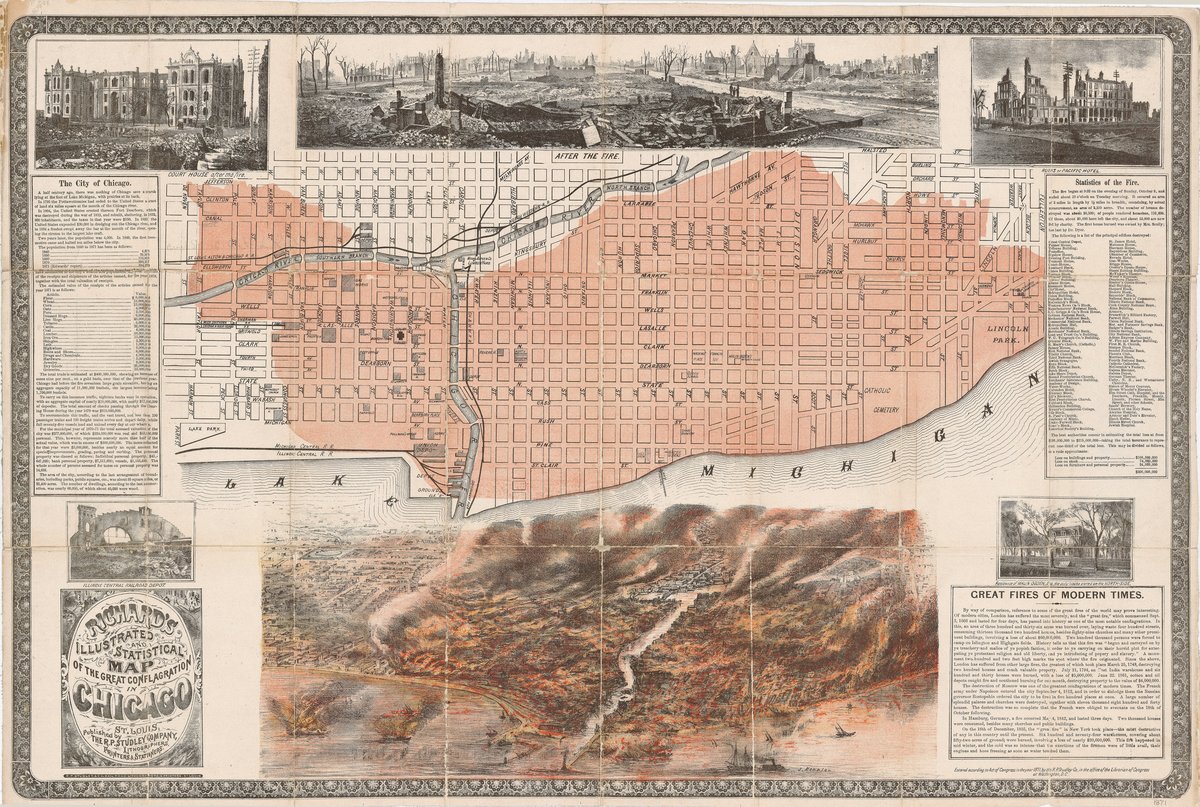
The Chicago History Museum (1601 N. Clark St.) houses the city’s most comprehensive Great Chicago Fire exhibit, “City on Fire: Chicago 1871.” Artifacts, survivor stories, and interactive displays—including a 40-foot cyclorama—bring the fire’s history to life (greatchicagofire.org).
- Hours Tuesday–Sunday, 9:30 am–4:30 pm (closed Mondays; check for holiday hours).
- Tickets $19 for adults, with discounts for students, seniors, and children; Illinois residents receive reduced rates.
- Tip Watch for free museum days and special fire anniversary events.
**
St. James Cathedral
St. James Cathedral (65 E. Huron St.) is another rare survivor. The fire-blackened top of its tower remains visible today as a testament to the disaster’s reach.
- Hours Open daily; check their website for service times and special events.
- Tickets Free.
- Tip Look for interpretive signage detailing the fire’s impact.
The Last Wooden Street
A short stretch of wooden block pavement on The Last Wooden Street (between Astor and State Streets) offers a glimpse of pre-fire Chicago construction.
- Hours Open to the public at all times.
- Tickets Free.
- Tip The surface can be uneven; wear sturdy shoes.
Tours, Events, and Planning Your Visit
- Guided Tours The Chicago History Museum, Great Chicago Fire Tours, and the Chicago Architecture Center offer walking and bus tours of fire-related sites and post-fire architecture.
- Self-Guided Download maps and audio guides from greatchicagofire.org or the Chicago History Museum.
- Annual Events Each October, museums and historical societies host lectures, walking tours, and reenactments commemorating the fire (chicago1871.org; Chicago Beautiful).
Accessibility, Travel Tips, and Amenities
- Wheelchair Access The Chicago History Museum and Water Tower are accessible; some outdoor sites, like The Last Wooden Street, may be less so.
- Transit Major sites are near CTA train and bus stops (e.g., Red Line to Water Tower, Brown Line to History Museum). Divvy bike-share is convenient for getting around.
- Restrooms Available in the Chicago History Museum and along Michigan Avenue.
- Dining The Magnificent Mile and Lincoln Park offer diverse food options. For a historic treat, try Margie’s Candies.
- Photography Allowed at most sites, but check restrictions in museums.
- Safety These sites are in well-trafficked neighborhoods; standard city precautions apply.
- Weather Dress in layers and prepare for changing conditions, especially when walking between sites.
Frequently Asked Questions (FAQ)
Q: What are the visiting hours for major sites?
A: The Chicago Water Tower is generally open daily 10 am–7 pm; the Chicago History Museum operates Tuesday–Sunday, 9:30 am–4:30 pm. Outdoor markers are accessible anytime. Confirm hours on official websites before visiting.
Q: Are tickets required?
A: Most outdoor sites are free. The Chicago History Museum charges admission, with discounts available.
Q: Are guided tours available?
A: Yes, both guided and self-guided tours are widely available through museums and local tour companies.
Q: Are sites accessible for those with mobility challenges?
A: The Chicago History Museum and Water Tower are accessible; some outdoor historic surfaces may be uneven.
Q: Is the area safe for tourists?
A: Yes; these sites are located in safe, central neighborhoods.
Suggested Itinerary
Morning:
- Visit the “Tongues of Flame” sculpture at the Chicago Fire Academy site.
Midday: - Explore the Chicago Water Tower and City Gallery.
Afternoon: - Tour the Chicago History Museum’s fire exhibits.
Evening: - Take an architecture river cruise to see the skyline shaped by the “Great Rebuilding.”
This route provides a comprehensive overview of the Great Fire’s origins, its survivors, and the legacy of innovation that followed.