Introduction
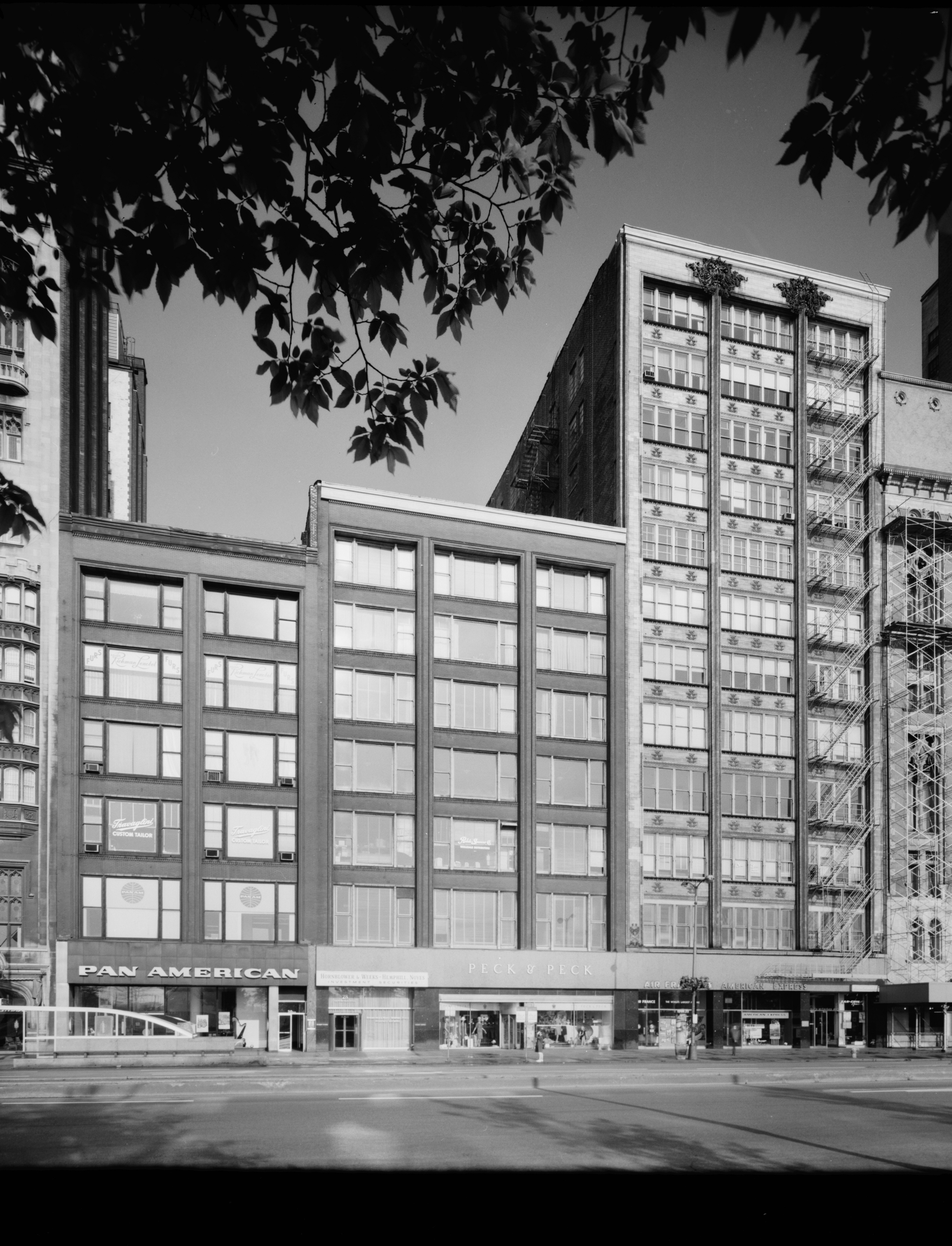
Prominently located on Chicago’s famed Michigan Avenue, the Gage Group Buildings are enduring icons of architectural innovation and commercial history. Built between 1890 and 1899 at 18, 24, and 30 South Michigan Avenue, these three adjacent structures offer a vivid window into the evolution of the Chicago School of architecture. Notably, 18 South Michigan Avenue features a rare and exquisite terra cotta façade designed by Louis Sullivan—one of the movement’s most influential figures—demonstrating his philosophy of “form follows function” through intricate organic ornamentation. The Gage Group Buildings collectively tell the story of Chicago’s post-fire commercial boom, the prominence of the millinery industry, and the city’s ongoing commitment to architectural preservation.
Visitors can experience these historic exteriors at no charge, with public spaces like The Gage restaurant providing interior access. The buildings are centrally located and easily reached via Chicago’s robust transit network, making them an accessible destination for architecture enthusiasts, history buffs, and casual travelers alike. Their proximity to Millennium Park, the Art Institute of Chicago, and the Chicago Cultural Center further enhances the visitor experience.
For more details, consult official sources such as Chicago Landmarks, The Gage Restaurant, and trusted guides like TimeOut Chicago.
- Introduction & Overview
- History and Origins
- Architectural Significance
- The Millinery Industry & Commercial Context
- Landmark Status and Preservation
- Adaptive Reuse and Modern Use
- Visiting Information
- Nearby Attractions & Photography
- FAQs
- Conclusion & Resources
1. Discover the Gage Group Buildings: A Chicago Historical Site
Located at the heart of Michigan Avenue, the Gage Group Buildings offer a compelling glimpse into Chicago’s commercial and architectural evolution. Their distinctive façades and storied past make them a must-visit for anyone interested in Chicago historical sites and innovative design.
2. History and Origins
Built between 1890 and 1899, the Gage Group Buildings originally housed three prominent millinery firms: Gage Brothers & Company, Edson Keith & Company, and Theodore Ascher & Company. Developed during a post-fire building boom, the buildings were designed primarily by Holabird & Roche, with the northernmost property (18 S. Michigan) showcasing a unique façade by Louis Sullivan (AroundUs). This architectural cluster played a pivotal role in the city’s transition from Victorian ornamentation to modern design.
3. Architectural Significance and the Chicago School
These buildings are exemplary works of the Chicago School, a movement noted for steel-frame construction, expansive windows, and a focus on function. The Keith and Ascher buildings (24 and 30 S. Michigan) feature the “Chicago window,” maximizing natural light. In contrast, the Gage Brothers & Company Building at 18 S. Michigan is adorned with Sullivan’s ornate terra cotta work, one of only five such surviving façades in Chicago (Visual Arts Cork).
Key features:
- Steel-frame construction for height and fire resistance
- Large, arched windows for daylight and openness
- Sullivan’s organic ornamentation—a hallmark of Art Nouveau and early modernism
These design choices helped shape the modern skyscraper and influenced future generations of architects.
4. The Millinery Industry & Commercial Context
The Gage Group Buildings reflect the millinery industry’s prominence in late 19th-century Chicago. Positioned on Michigan Avenue, the location provided visibility and accessibility for hat manufacturers with national reach. Today, the buildings’ retail and commercial tenants echo the original spirit of enterprise and innovation.
5. Landmark Status and Preservation
Recognized for their historical and architectural value, the Gage Group Buildings were added to the National Register of Historic Places in 1985 and designated as Chicago Landmarks in 1996 (Chicago Landmarks). As part of the Historic Michigan Boulevard District, they embody the city’s dedication to heritage preservation. Notably, during the 1902 addition of four stories to the Gage Brothers & Company Building, Sullivan’s terra cotta ornamentation was carefully relocated to the new roofline.
6. Adaptive Reuse and Modern Use
Today, the Gage Group Buildings house an array of modern tenants, including boutique shops, creative agencies, and the acclaimed The Gage Restaurant on the ground floor of 18 S. Michigan. Renovations and adaptive reuse have respected the buildings’ historic character, integrating modern amenities with preserved architectural details. The result is a vibrant commercial hub that honors its storied past.
7. Visiting Information
Visiting Hours
- General exterior viewing: No restrictions; accessible year-round along Michigan Avenue.
- Public areas (e.g., The Gage Restaurant): Typically open daily from 11:30 AM to 11:00 PM; check individual business hours for details.
- Ground-floor retail and cafes: Usually open Monday–Saturday, 9:00 AM to 6:00 PM. Hours may vary by tenant.
Tickets & Tours
- No ticket required to view exteriors or enter public ground-floor areas.
- Guided architectural tours are available through local companies; tickets can be reserved online or at visitor centers (The Savvy Globetrotter).
Accessibility
- Wheelchair access is available at street level, especially through The Gage Restaurant.
- Accessible sidewalks and nearby public transit (CTA ‘L’ stations: Adams/Wabash, Monroe).
Travel Tips
- Use public transportation to avoid downtown parking challenges.
- Best times for photography: early morning or late afternoon for optimal lighting.
- Consider visiting on weekdays for fewer crowds, especially during festivals.
8. Nearby Attractions & Photography
- Millennium Park: Across the street; home to Cloud Gate (“The Bean”) and frequent public events.
- Art Institute of Chicago: Renowned art museum nearby.
- Chicago Cultural Center: Free exhibitions and public amenities.
- Theatre District: Just a short walk away.
Photography Tip: The Sullivan façade at 18 S. Michigan is a highlight, especially when captured with the city skyline in the background.
9. Frequently Asked Questions (FAQ)
Q: What are the visiting hours for the Gage Group Buildings?
A: The exteriors are viewable at all times. Public businesses on the ground floor typically open from 9:00 AM to 6:00 PM, and The Gage Restaurant is open daily.
Q: Is there an entry fee or ticket required?
A: No—exterior viewing and most public areas are free. Guided tours may require advance booking and a fee.
Q: Are the buildings wheelchair accessible?
A: Yes, street-level access is wheelchair-friendly; check with individual businesses for specific needs.
Q: Are guided tours available?
A: Yes. Several local tour companies include the Gage Group Buildings in their itineraries.
Q: What’s the best way to get there?
A: By CTA ‘L’ train (Adams/Wabash, Monroe) or bus. Public parking is limited; public transit is recommended.
Listen to the full story in the app
Your Personal Curator, in Your Pocket.
Audio guides for 1,100+ cities across 96 countries. History, stories, and local insight — offline ready.
Audiala App
Available on iOS & Android
Join 50k+ Curators
Sources
- verified
- verified
- verified
- verified
- verified
- verified
- verified
Last reviewed: