Introduction
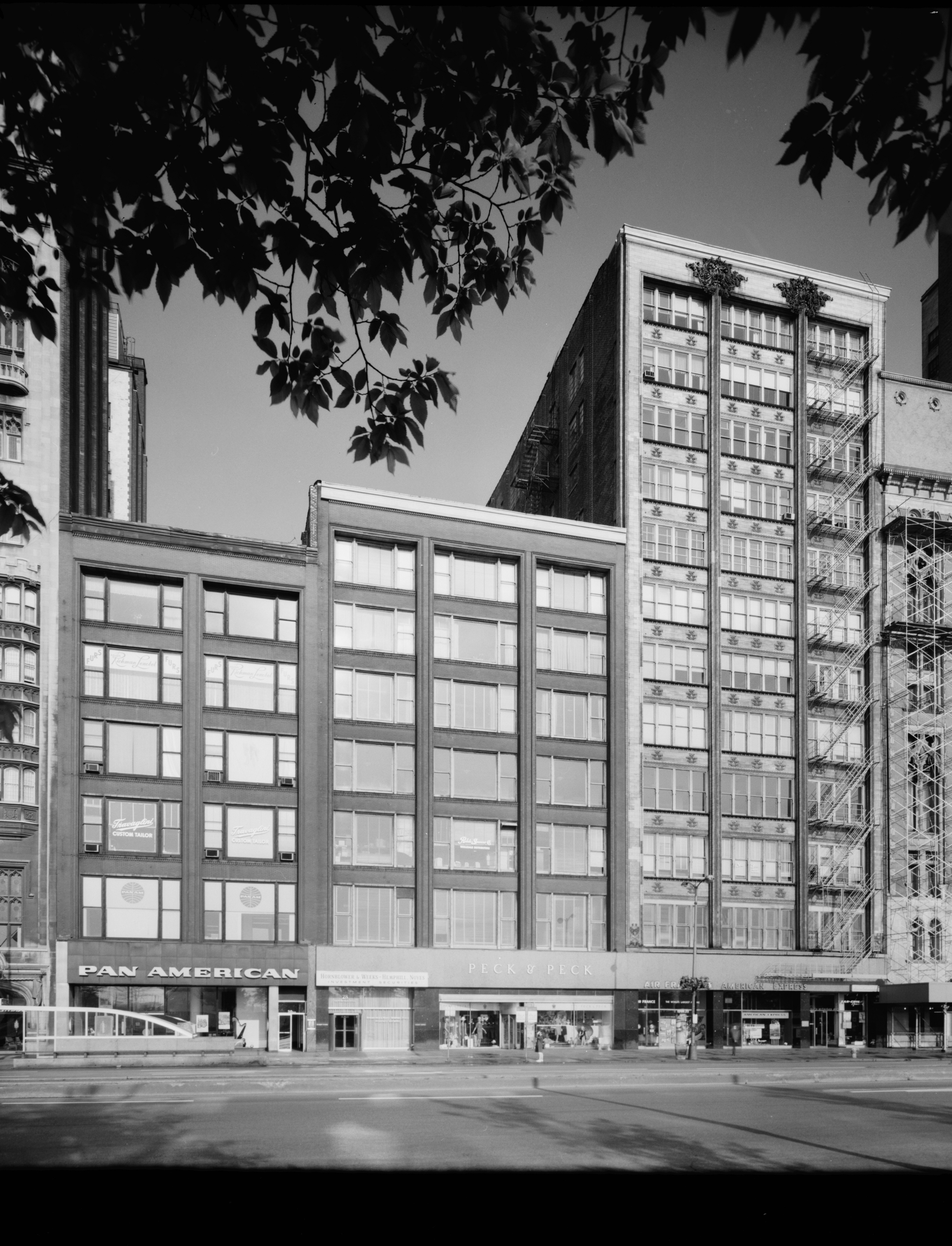
Nestled in the heart of Chicago’s Loop district, the Fisher Building stands as a striking monument to the city’s architectural innovation and urban vitality. Designed by Charles B. Atwood of D.H. Burnham & Company and completed in 1896, this 20-story neo-Gothic skyscraper features groundbreaking steel-frame construction and an elaborate terra cotta façade. Its whimsical marine-themed ornamentation, inspired by original owner Lucius Fisher, sets the building apart as both an architectural wonder and a symbol of Chicago’s vibrant spirit at the turn of the 20th century (City Club Apartments; Chicago Architecture Center).
Today, while the Fisher Building primarily serves as a residential and commercial space, its historic lobby and ground-floor areas welcome visitors during business hours, free of charge. Its central location at 343 South Dearborn Street places it within easy reach of major Chicago landmarks, making it a must-see for architecture enthusiasts and casual explorers alike (Chicago Loop Alliance; Birdeye).
This guide provides comprehensive information for planning your visit, including architectural highlights, historical context, accessibility, tours, nearby attractions, and practical tips to enrich your experience.
Design Philosophy and Structural Innovation
The Fisher Building exemplifies the Chicago School’s pioneering approach to skyscraper design. With its steel-frame structure—then a revolutionary technology—the building achieved unprecedented height (originally 18 stories, expanded to 20 in 1907, reaching 275 feet) and featured a curtain wall system with approximately 75% of the façade composed of glass (Skyscraper Center; Historic Structures). This allowed for thinner walls, larger windows, and abundant natural light, marking a significant leap in urban construction.
Thematic Ornamentation and Symbolism
Charles Atwood’s neo-Gothic design is distinguished by lavish terra cotta ornamentation and marine-themed motifs—a playful nod to Lucius Fisher’s surname. The façade and vestibule showcase intricate depictions of fish, crabs, dolphins (even as door handles), starfish, and mythical sea creatures (City Club Apartments). The building’s vertical lines, pointed arches, and ornate tracery evoke the grandeur of European Gothic cathedrals, infusing the structure with both spiritual and artistic energy.
Preservation and Adaptive Reuse
Recognized for its architectural importance, the Fisher Building was added to the National Register of Historic Places in 1976 and designated a Chicago Landmark in 1978. A major restoration and conversion in 2001 transformed former office spaces into residential apartments while preserving historic details. Restoration efforts have included the replacement of thousands of terra cotta pieces, recreation of original entrances, and repair of wood-frame windows (City Club Apartments).
Visiting Information
Visiting Hours and Ticketing
- Lobby Hours: Monday through Friday, 8:00 AM–6:00 PM; Saturday, 9:00 AM–4:00 PM. Weekend and holiday access may be limited—check ahead for updates (Birdeye).
- Admission: Entrance to the lobby and ground floor is free. No tickets are required for public areas. Access to upper residential floors is restricted.
- Guided Tours: The Fisher Building is regularly featured on Chicago architecture walking tours. These tours offer expert insights into the building’s history and design. Booking information is available through the Chicago Architecture Center and other tour providers.
Accessibility and Transportation
The Fisher Building is fully accessible to visitors with mobility challenges, with ramps, elevators, and accessible restrooms on the ground floor. It is conveniently located near the Harold Washington Library-State/Van Buren CTA station and the Jackson Red and Blue Line stations. Multiple bus routes and nearby parking garages serve the area, although public transportation is recommended during peak hours.
Architectural Highlights and Photography Tips
- Terra Cotta Façade: Admire the golden glazed terra cotta, with marine and mythical motifs that wrap around the building’s exterior.
- Lobby Interiors: The historic lobby features polished marble, bronze details, mahogany trim, and original etched glass doors.
- Verticality: The building’s slender piers and uninterrupted vertical lines emphasize its height and Gothic aspirations.
- Best Photo Angles: Exterior shots from Dearborn and Adams Streets, especially during early morning or late afternoon, offer dramatic lighting. Interior photography is permitted in the lobby; please respect resident privacy.
Nearby Attractions
Combine your visit to the Fisher Building with other Chicago landmarks, all within walking distance:
- Harold Washington Library Center
- Art Institute of Chicago
- Millennium Park
- Chicago Cultural Center
- Monadnock and Rookery Buildings
Explore nearby Printer’s Row for literary history and discover local dining and retail options (Timeout; Chicago Loop Alliance).
Visitor Tips and Etiquette
- Plan for Weekdays: Visit during business hours for full lobby access and optimal lighting.
- Use Public Transit: Parking is limited; the CTA offers convenient access.
- Join a Tour: Consider a guided architecture walk for deeper historical context (Globe Gazers).
- Dress Comfortably: Weather in Chicago is variable; bring layers and comfortable shoes (Full Suitcase).
- Be Respectful: The upper floors are private residences. Please limit your visit to public areas and maintain quiet in shared spaces.
- Photography: Permitted in public areas. Always respect the privacy of residents and staff.
Frequently Asked Questions (FAQ)
Q: Are tickets required to visit the Fisher Building?
A: No, entry to the lobby and public areas is free.
Q: What are the visiting hours?
A: Monday–Friday, 8:00 AM–6:00 PM; Saturday, 9:00 AM–4:00 PM. Confirm hours for weekends and holidays.
Q: Are guided tours available?
A: The building is featured on many architecture walking tours, though not all include interior access.
Q: Is the building wheelchair accessible?
A: Yes, the lobby and ground floor are accessible, with elevators available.
Q: Can I take photos inside?
A: Yes, in public areas such as the lobby. Be respectful of residents.
Q: Where can I park?
A: Several parking garages are nearby, but public transit is recommended.
Visitor Ratings and Reviews
Residents and visitors praise the Fisher Building City Club Apartments for their blend of historic charm and modern amenities. The building maintains a 4-star rating, with positive reviews highlighting attentive staff, cleanliness, and unique architecture (Birdeye). On-site amenities include a 7-Eleven and Brandos Speakeasy bar.
Listen to the full story in the app
Your Personal Curator, in Your Pocket.
Audio guides for 1,100+ cities across 96 countries. History, stories, and local insight — offline ready.
Audiala App
Available on iOS & Android
Join 50k+ Curators
Sources
-
verified
City Club Apartments
Fisher Building Chicago: Visiting Hours, Tickets, and Architectural Highlights
-
verified
Chicago Architecture Center
Explore Chicago Architecture
-
verified
Chicago Loop Alliance
Discover the Chicago Loop
-
verified
Birdeye
Fisher Building City Club Apartments Reviews
-
verified
Skyscraper Center
Fisher Building
-
verified
Timeout
Best Things to Do in Chicago
-
verified
Globe Gazers
Visit Chicago Travel Tips
-
verified
Audiala
Guided Tours and Insider Tips
- verified
Last reviewed: