Introduction to the Field Building and Its Significance
Located at 135 South LaSalle Street in the heart of Chicago’s Loop, the Field Building stands as an enduring symbol of the city’s architectural innovation, economic resilience, and rich cultural heritage. Originally constructed between 1931 and 1934—during the Great Depression—the Field Building, also known as the Bank of America Building (and formerly the LaSalle National Bank Building), is a striking 43-story Art Deco skyscraper that exemplifies the transition from the ornate Beaux-Arts style to the modern, streamlined Art Deco aesthetic. With its elegant geometric façade, terrazzo mosaic floors, and pioneering technologies such as high-speed elevators and early air conditioning, the Field Building remains a pivotal landmark in Chicago’s architectural narrative (chicagology.com; buildingsdb.com).
Today, the Field Building welcomes visitors to its grand lobby and public spaces free of charge during weekday business hours. It is frequently featured in architectural walking tours and provides a unique vantage point into Chicago’s Art Deco era. Its central location near Millennium Park, the Chicago Board of Trade Building, and the historic Home Insurance Building site makes it an essential stop for anyone seeking to immerse themselves in the city’s vibrant history (Chicago Architecture Foundation; forevervacation.com).
This guide offers comprehensive insights into visiting hours, accessibility, architectural highlights, nearby attractions, and practical tips to ensure a rewarding experience at one of Chicago’s most cherished landmarks.
Origins and Construction (1931–1934)
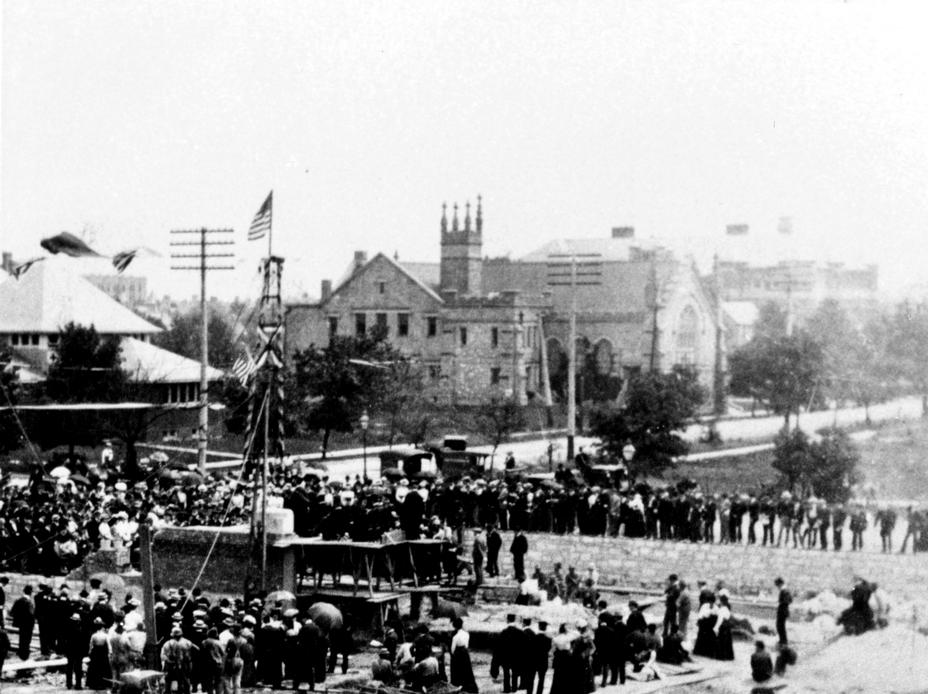
The Field Building’s construction began in 1931, commissioned by the estate of Marshall Field, the legendary Chicago merchant. Despite the Great Depression, the project pressed on, costing approximately $15 million. Designed by the renowned firm Graham, Anderson, Probst & White (GAP&W), the building marked a distinct shift from Beaux-Arts to Art Deco style, completed in three phases by 1934. At 535 feet and 43 stories (excluding the 13th floor), it quickly became a dominant feature of the Chicago skyline (chicagology.com; buildingsdb.com).
Architectural Style and Innovations
As a prime example of Art Deco architecture, the Field Building is characterized by bold geometric forms, vertical lines, and stylized decorative motifs. Its lobby features intricate terrazzo mosaics and distinctive double "F" motifs honoring the Field legacy. Technological innovations included high-speed elevators, early air conditioning, concealed radiation heating, and a fireproof steel frame—advances that showcased Chicago’s leadership in modern building design (buildingsdb.com).
Historical Significance and Landmark Status
The Field Building was the last major office skyscraper constructed in Chicago prior to a 25-year hiatus in high-rise construction, symbolizing the city’s resilience during tough economic times. It was designated a National Historic Landmark in 1994, securing its place as a touchstone of Chicago’s Art Deco movement and American urban architecture (chicagology.com; buildingsdb.com).
Visiting the Field Building
Visiting Hours and Tickets
- Lobby Access: Open Monday through Friday, 8:00 AM – 6:00 PM
- Weekends & Holidays: Closed to the public
- Admission: Free; no tickets required for lobby access
Accessibility
- Wheelchair Access: Ramps and elevators are available throughout public areas.
- Service Animals: Permitted.
- Additional Assistance: Available upon request to accommodate visitors with special needs.
Guided Tours and Special Events
While the Field Building does not offer self-hosted tours, it is regularly featured in Chicago architecture walking tours and Art Deco heritage tours. Special events occasionally take place in the lobby; visitors should check the building’s management website or local event calendars for updates (Chicago Architecture Foundation).
Travel Tips and Nearby Attractions
- Location: Centrally located in the Loop, easily accessible via CTA trains (LaSalle, Clark/Lake stations) and bus routes.
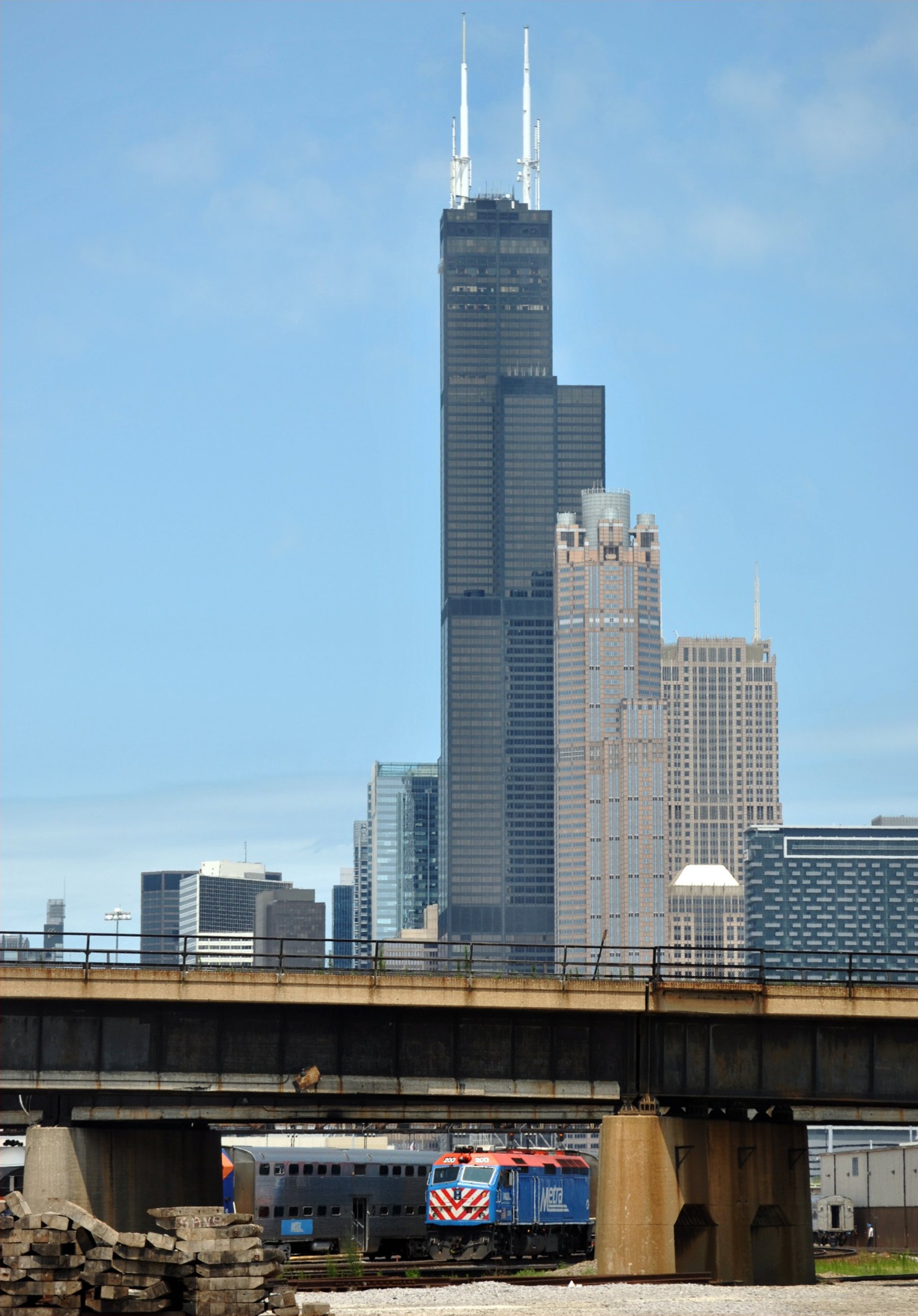
- Nearby Landmarks: Millennium Park, Chicago Board of Trade Building, Rookery Building, Willis Tower, and the original Home Insurance Building site.
- Photography: The Art Deco details and terrazzo mosaics in the lobby offer excellent photo opportunities, especially during daylight hours.
- Dining and Shopping: Numerous options are available within walking distance.
The Architects: Graham, Anderson, Probst & White
Founded in 1912, GAP&W played a pivotal role in shaping Chicago’s architectural identity, transitioning from Beaux-Arts to sleek Art Deco designs. Their work on the Field Building is celebrated for its blend of technological innovation and lasting elegance (buildingsdb.com).
The Field Legacy and Cultural Impact
The Field Building stands as a tribute to Marshall Field’s entrepreneurial vision and Chicago’s commercial growth (forevervacation.com). Its nearly continuous full occupancy since 1942 reflects its enduring role in the city’s business and cultural life. The site’s historic importance is further heightened by its location on the former site of the Home Insurance Building—regarded as the world’s first skyscraper (chicagology.com).
Preservation and Modern Use
The Field Building continues to serve as a thriving office space, balancing modern tenant needs with historic preservation. Its National Historic Landmark status ensures the careful maintenance of its Art Deco features and architectural integrity (buildingsdb.com).
Frequently Asked Questions (FAQ)
Q: What are the Field Building visiting hours?
A: The lobby is open Monday–Friday, 8:00 AM–6:00 PM; closed on weekends and holidays.
Q: Is there an admission fee or tickets required?
A: No, entrance to the lobby and public areas is free.
Q: Is the Field Building accessible for visitors with disabilities?
A: Yes, the building is fully wheelchair accessible and assistance is available upon request.
Q: Are guided tours available?
A: The Field Building is included in many guided architectural tours, though it does not offer its own in-house tours.
Q: What are some nearby Chicago historical sites?
A: Millennium Park, the Chicago Board of Trade Building, Rookery Building, Willis Tower, and the historic Home Insurance Building site.
Q: Can I take photographs inside the building?
A: Yes, photography is allowed in the public lobby areas.
Images and Interactive Media
- Include high-quality photos of the Field Building’s exterior, lobby terrazzo mosaics, and Art Deco details with descriptive alt tags such as “Field Building Chicago Art Deco facade” and “Field Building lobby terrazzo mosaic floor.”
- Embed an interactive map of the building’s location and nearby attractions.
- Link to virtual tours of Chicago’s Loop when available.
Summary of Key Points
- The Field Building is a cornerstone of Chicago’s Art Deco movement and commercial history (chicagology.com; buildingsdb.com).
- Public lobby access is free on weekdays; guided tours are available through local organizations.
- The building is wheelchair accessible and located in the Loop, with easy access to public transit and other major attractions (Chicago Architecture Foundation).
- Photography is permitted in public areas.
- Its legacy as the last major skyscraper built before a long pause in construction underscores its historical and cultural value.
- Download the Audiala app for enhanced self-guided tours and visitor resources (forevervacation.com; buildingsdb.com).
Listen to the full story in the app
Your Personal Curator, in Your Pocket.
Audio guides for 1,100+ cities across 96 countries. History, stories, and local insight — offline ready.
Audiala App
Available on iOS & Android
Join 50k+ Curators
Sources
- verified
- verified
- verified
- verified
- verified
Last reviewed: