Introduction
Dearborn Station, located in Chicago’s South Loop, stands as an enduring symbol of the city’s railroad heritage and architectural distinction. Since its opening in 1885, it has played a pivotal role in the development of Chicago’s transportation network and the revitalization of the surrounding neighborhoods. Though no longer an active rail terminal, Dearborn Station’s preserved headhouse, impressive Romanesque Revival architecture, and vibrant contemporary uses make it a must-see destination for visitors and locals alike. This guide provides comprehensive information on Dearborn Station’s history, architectural significance, visiting hours, ticketing, accessibility, nearby attractions, and travel tips.
For further information, reference resources such as Wikipedia, American Rails, and the South Loop Historical Society.
Origins and Construction
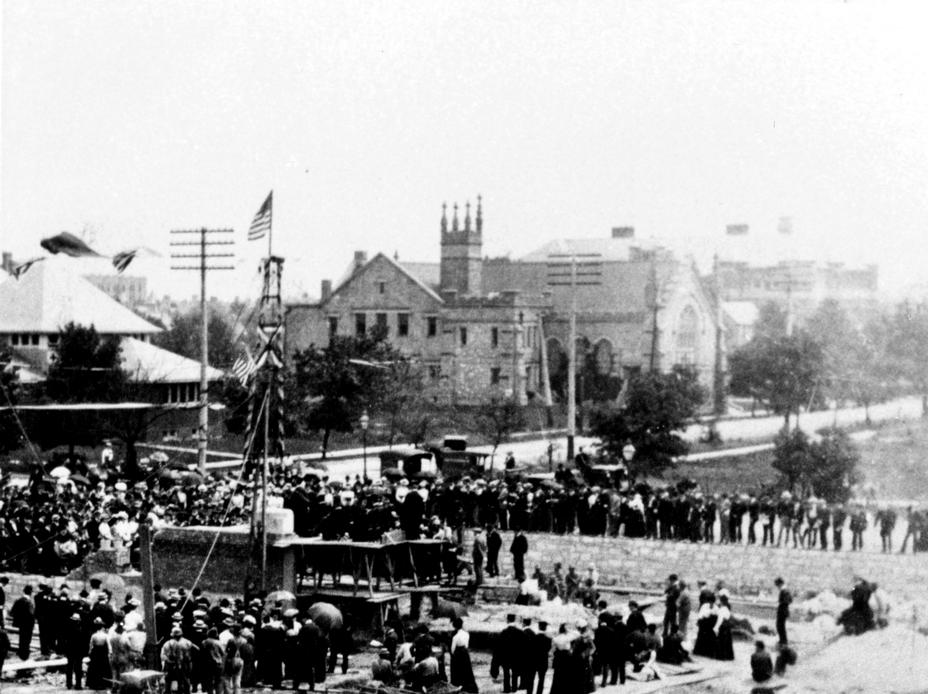
Dearborn Station, sometimes called the Polk Street Depot, was conceived in the early 1880s to address inefficiencies in Chicago’s fragmented passenger rail system. The Chicago and Western Indiana Railroad (C&WI), collectively owned by several railroads, acquired the strategic site at Dearborn and Polk Streets in 1881 (Sloopin; Wikipedia). Construction began in 1883, and the station opened to the public on May 8, 1885, at a cost of nearly $500,000—a considerable investment at the time. Designed by Cyrus L.W. Eidlitz, the facility was the first in Chicago to serve multiple railroads, including the Chicago and Eastern Illinois Railroad, Michigan Central Railroad, Wabash Railroad, and the Atchison, Topeka & Santa Fe Railway (Chicagology; American Rails).
Architectural Significance
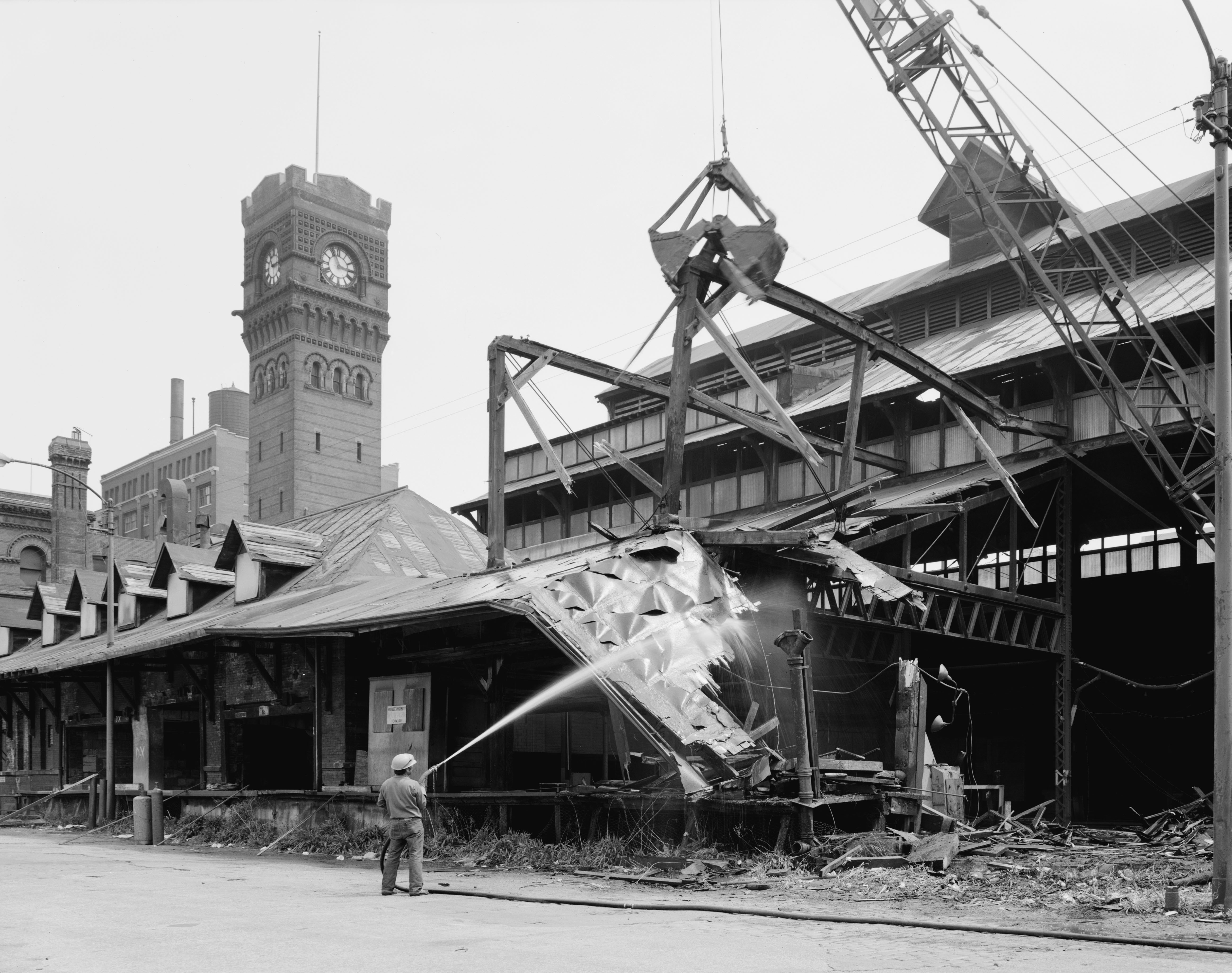
Dearborn Station exemplifies Romanesque Revival architecture, characterized by robust red brickwork, rounded arches, and detailed ornamentation. The original design featured a dramatic twelve-story clock tower soaring over 170 feet, which became a prominent landmark in Chicago’s skyline (Chicago YIMBY). The building's façade, constructed from pink granite and pressed brick, set it apart from other Chicago terminals. Its interior once boasted marble fittings, grand fireplaces, and the renowned Harvey House Restaurant.
A major fire in 1922 destroyed the steeply pitched roof and damaged the tower. During restoration, architects replaced the pitched roof with a flat one and reduced the tower’s height, resulting in the silhouette seen today (Chicago YIMBY). Despite these changes, the station’s architectural grandeur and historical character remain intact.
Role in Chicago’s Development
As one of Chicago’s six major intercity rail terminals, Dearborn Station was a critical hub for both passengers and freight. At its peak in the 1920s, it hosted up to 146 trains and 17,000 passengers daily (American Rails). The station spurred economic growth in the South Loop and Printer’s Row, transforming these neighborhoods into bustling commercial and cultural centers (Sloopin). It was the departure point for notable trains such as the Santa Fe’s Super Chief and El Capitan, linking Chicago with destinations across the country.
Decline, Closure, and Adaptive Reuse
Following World War II, competition from automobiles and airlines led to a decline in rail travel. The creation of Amtrak in 1971 centralized intercity services at Union Station, and Dearborn Station’s last intercity passenger train departed on April 30, 1971 (Wikipedia). The commuter sheds were demolished in 1976, but the headhouse survived.
A successful adaptive reuse project in the 1980s transformed the headhouse into a commercial and office complex, preserving its historic exterior (Monon.org). The surrounding rail yards became Dearborn Park, a residential development that contributed to the revitalization of the South Loop (Wikipedia). Today, the station houses offices, shops, restaurants, and cultural venues like the Jazz Showcase.
Visiting Hours, Tickets & Accessibility
- Visiting Hours: The building is open Monday through Friday from 8:00 AM to 6:00 PM. Some businesses may have extended or weekend hours. Check with individual establishments for specifics.
- Tickets: No tickets are required to visit the building itself. Tickets may be necessary for certain events or performances at tenant venues.
- Accessibility: Dearborn Station is ADA accessible with ramps and elevators. Parking is available nearby, and the site is easily reached by CTA buses and trains.
- Amenities: Public restrooms are limited. The building offers a range of shops, cafes, and cultural spaces.
Travel Tips & Nearby Attractions
- Getting There: Located at 47 W Polk St, the station is accessible by public transit and near several parking garages (Choose Chicago).
- Nearby Attractions:
- Printer’s Row: Historic printing district with bookstores, cafes, and lofts.
- Dearborn Park: Landscaped green space for relaxation and photography.
- Grant Park: Gardens, Buckingham Fountain, and major events.
- Art Institute of Chicago: World-class museum just a short walk away.
- Wabash Arts Corridor: Outdoor murals and public art installations.
- Dining: Enjoy options ranging from classic diners to contemporary eateries in the surrounding area.
- Tours: Guided walking tours of the South Loop and Printer’s Row often include Dearborn Station (Choose Chicago).
Frequently Asked Questions (FAQ)
Q: What are Dearborn Station’s visiting hours?
A: Monday to Friday, 8:00 AM to 6:00 PM. Some businesses may be open weekends.
Q: Is there an admission fee?
A: No, visiting the building is free; event venues may charge admission.
Q: Is the station wheelchair accessible?
A: Yes, there are ramps and elevators.
Q: Are guided tours available?
A: Yes, local historical and preservation groups offer tours; advance booking is advised.
Q: Is parking available?
A: Yes, there are parking garages nearby; rates vary.
Listen to the full story in the app
Your Personal Curator, in Your Pocket.
Audio guides for 1,100+ cities across 96 countries. History, stories, and local insight — offline ready.
Audiala App
Available on iOS & Android
Join 50k+ Curators
Sources
- verified
- verified
- verified
- verified
- verified
- verified
- verified
- verified
Last reviewed: