
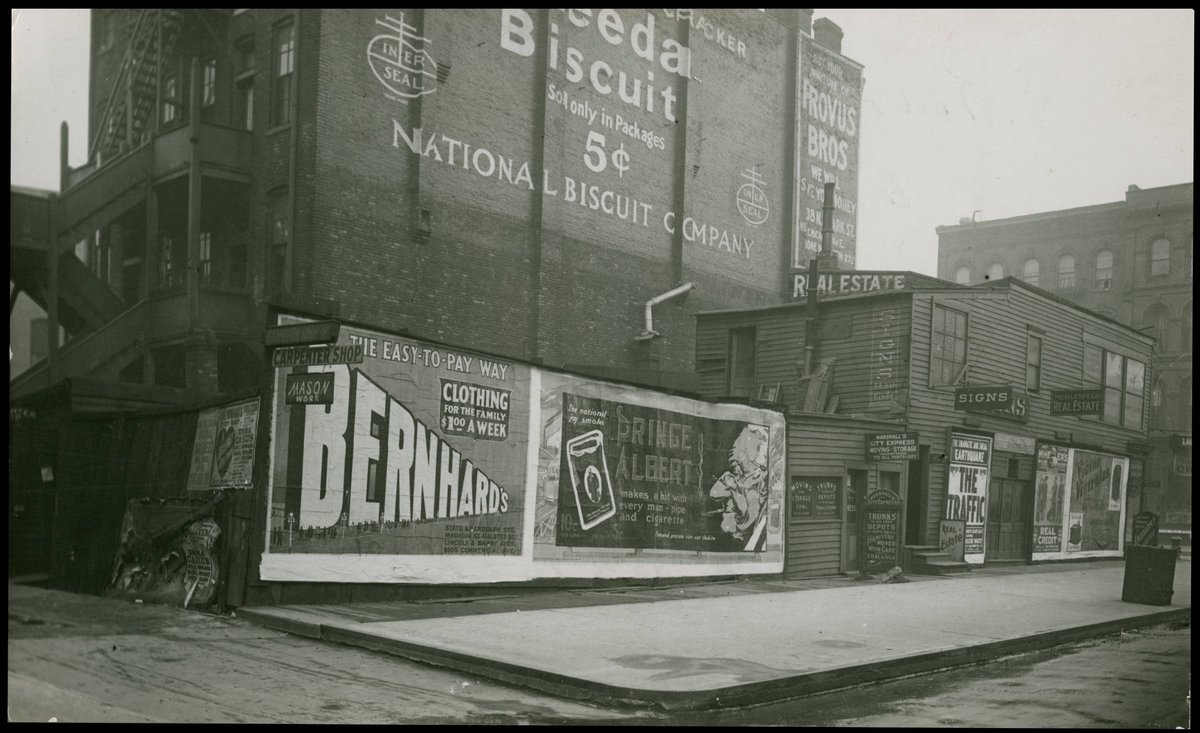
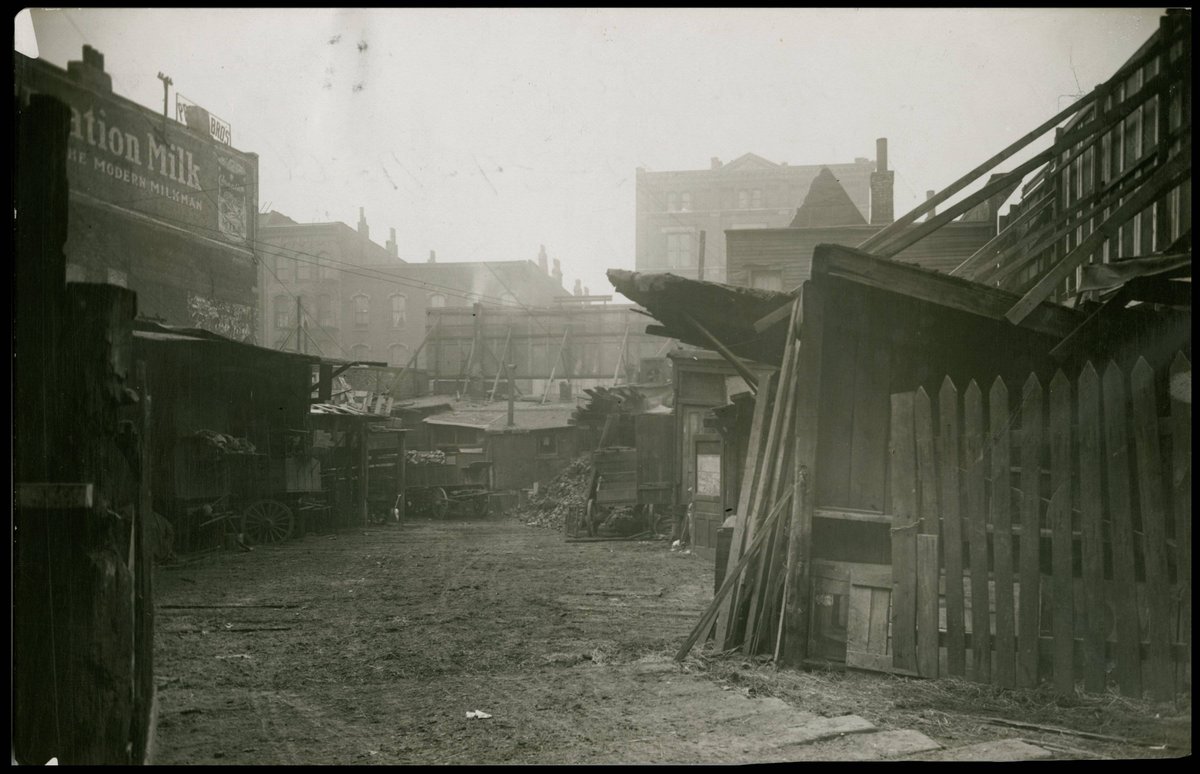
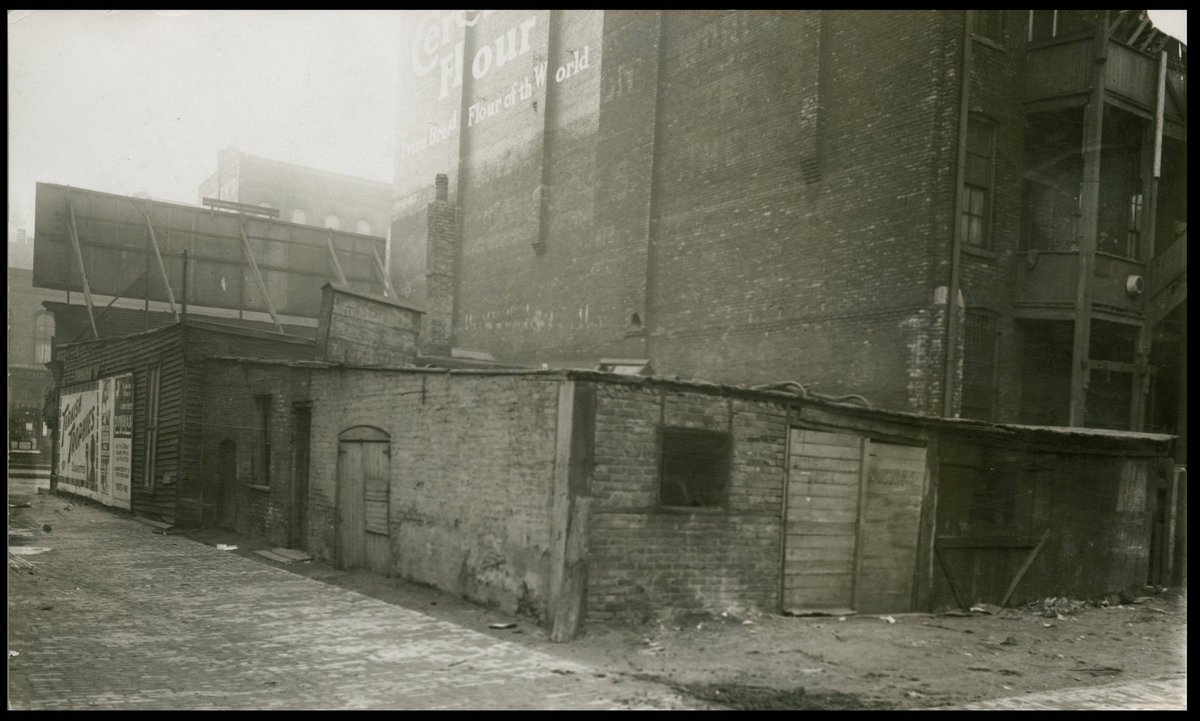
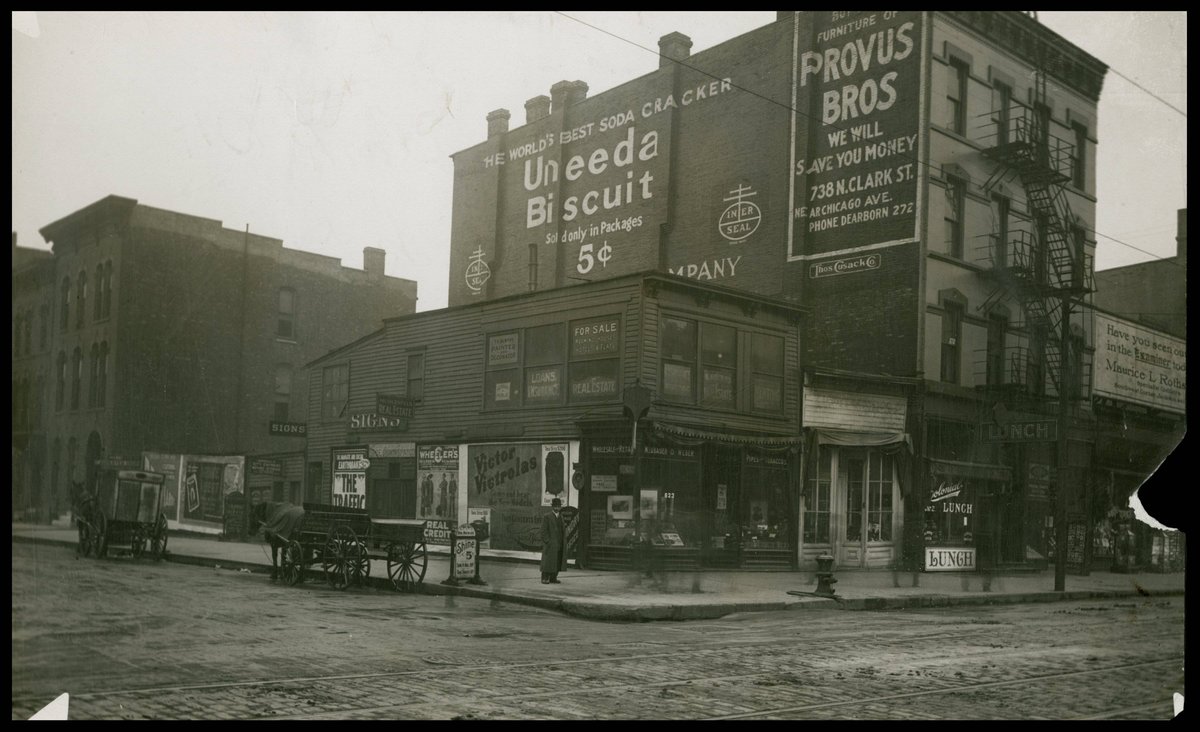
What Clark Street Is
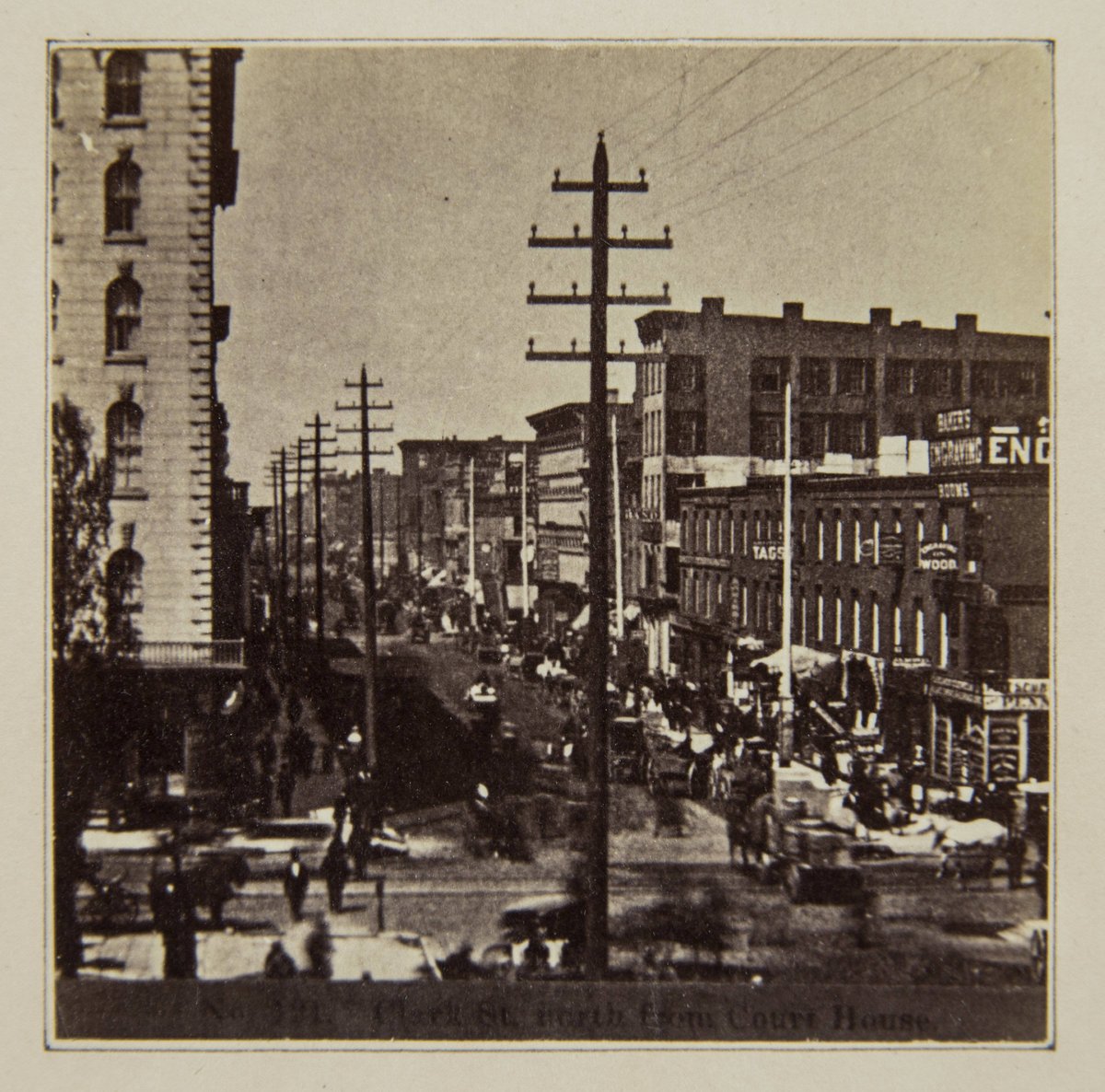
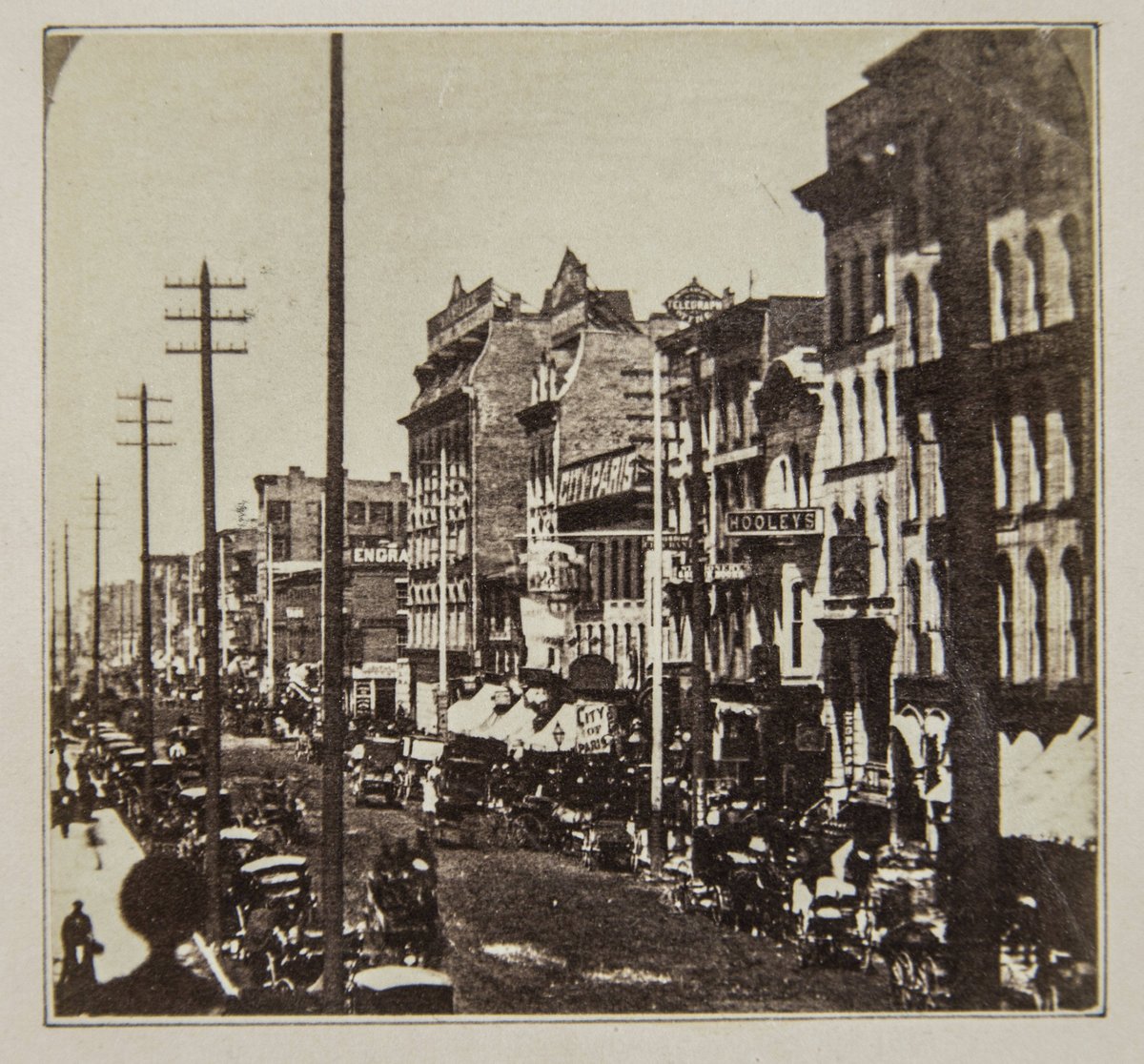
Clark Street is one of Chicago’s major north–south thoroughfares, connecting the city’s early settlement near the Chicago River with northern neighborhoods. It is a commercial and cultural corridor lined with historic architecture, independent shops, theaters, restaurants, and community venues. Clark Street itself is open 24/7.
Named for Revolutionary War hero George Rogers Clark, the street today passes through or near neighborhoods including Andersonville, Lakeview, Lincoln Park, Old Town, River North, the Loop, and the South Loop. It is also associated with festivals such as the Chicago Pride Parade and Andersonville’s Midsommarfest.
History and Cultural Significance
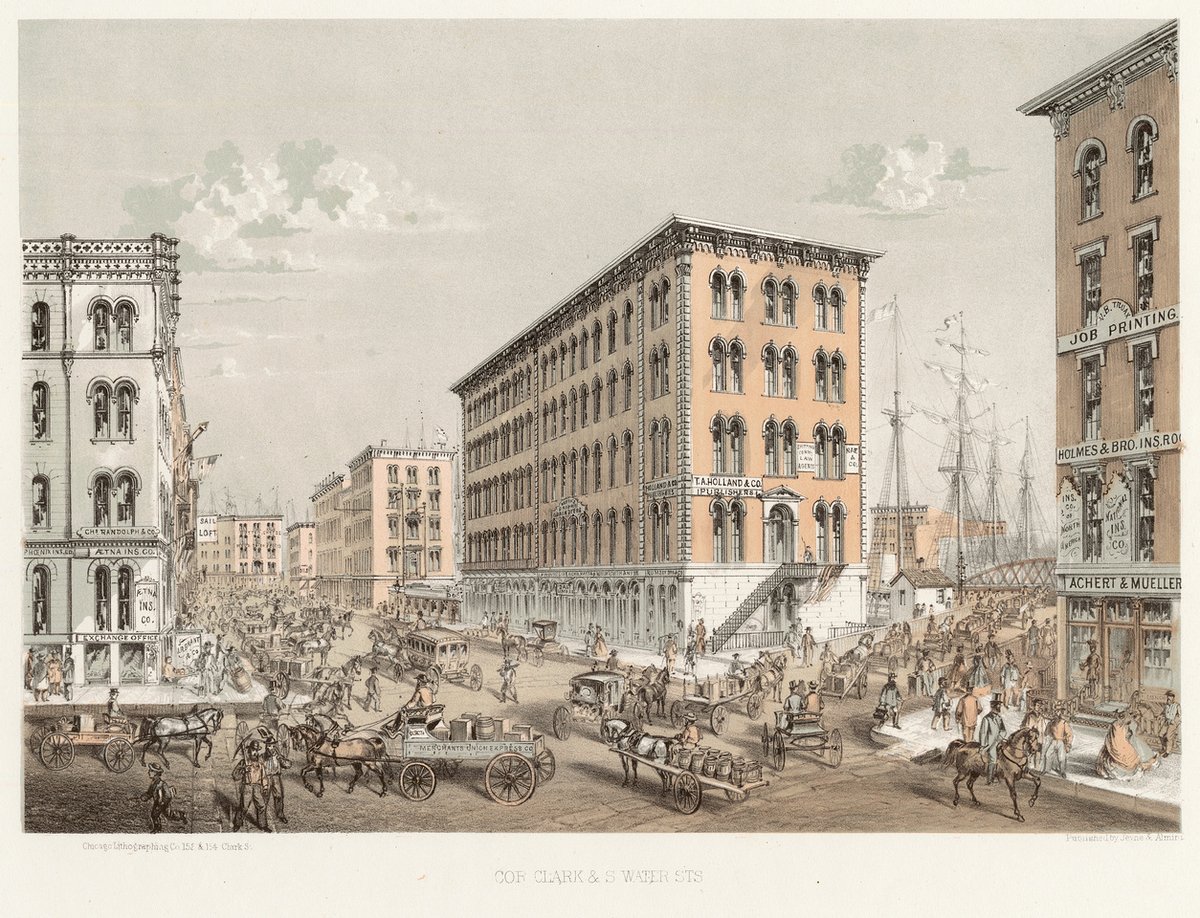
Clark Street was established in the 1830s and became an important route as Chicago grew. It connected the original settlement near the Chicago River to emerging northern neighborhoods and developed into a commercial hub with shops, taverns, and boarding houses (History Curator). The thoroughfare follows the ancient Green Bay Trail and has been integral to Chicago’s growth since the city’s founding (Chicago Historical Society).
The Great Chicago Fire of 1871 devastated much of Clark Street’s early architecture. Rebuilding followed quickly, using fire-resistant materials and introducing new architectural styles. The Old Chicago Water Tower is among the enduring symbols of the city’s resilience (Your Chicago Guide).
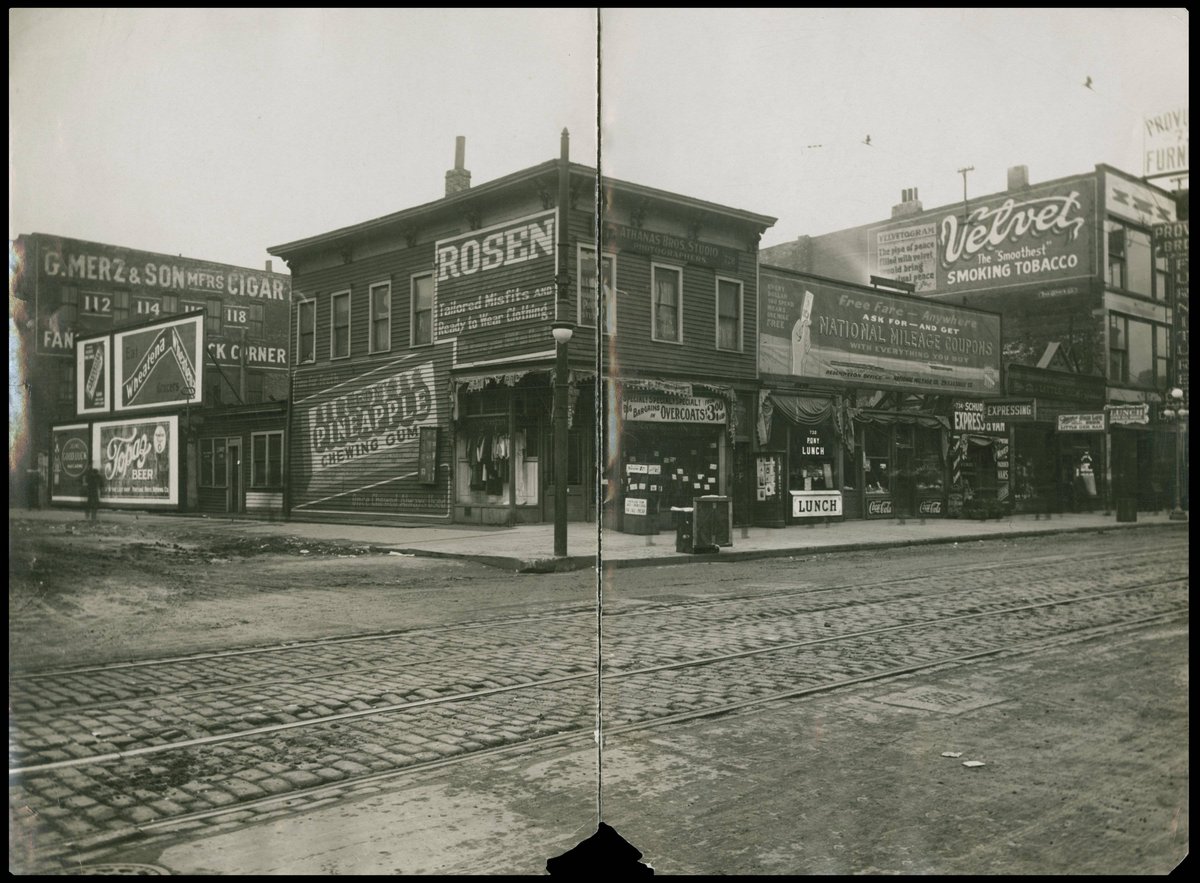
German, Irish, Swedish, Eastern European, and Latin American communities have all contributed to the street’s history. The area once known as “German Broadway” was a commercial center for Chicago’s German-American population; the historic Germania Club reflects that heritage (Chicago.gov). Andersonville also reflects Swedish heritage, while the section designated “Chuck Renslow Way” honors LGBTQ+ contributions and activism.
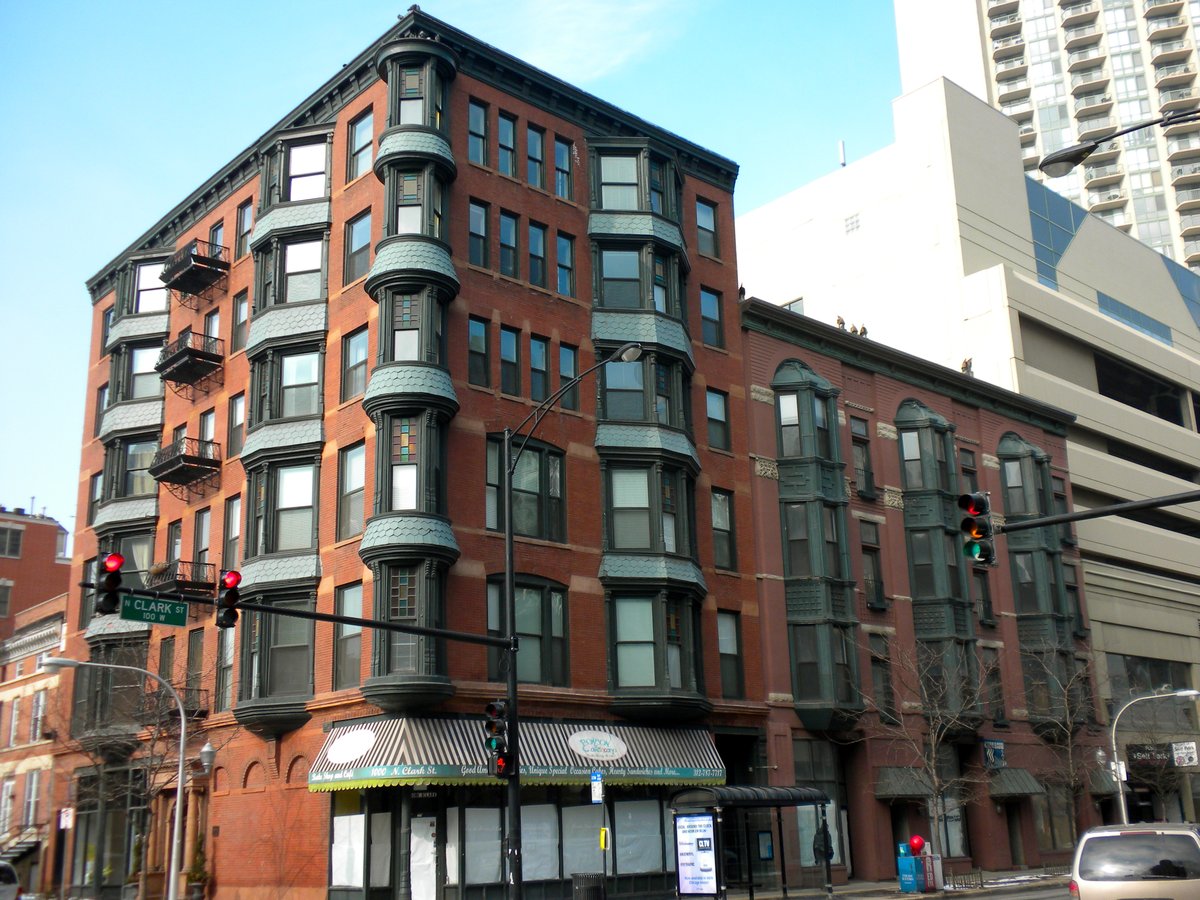
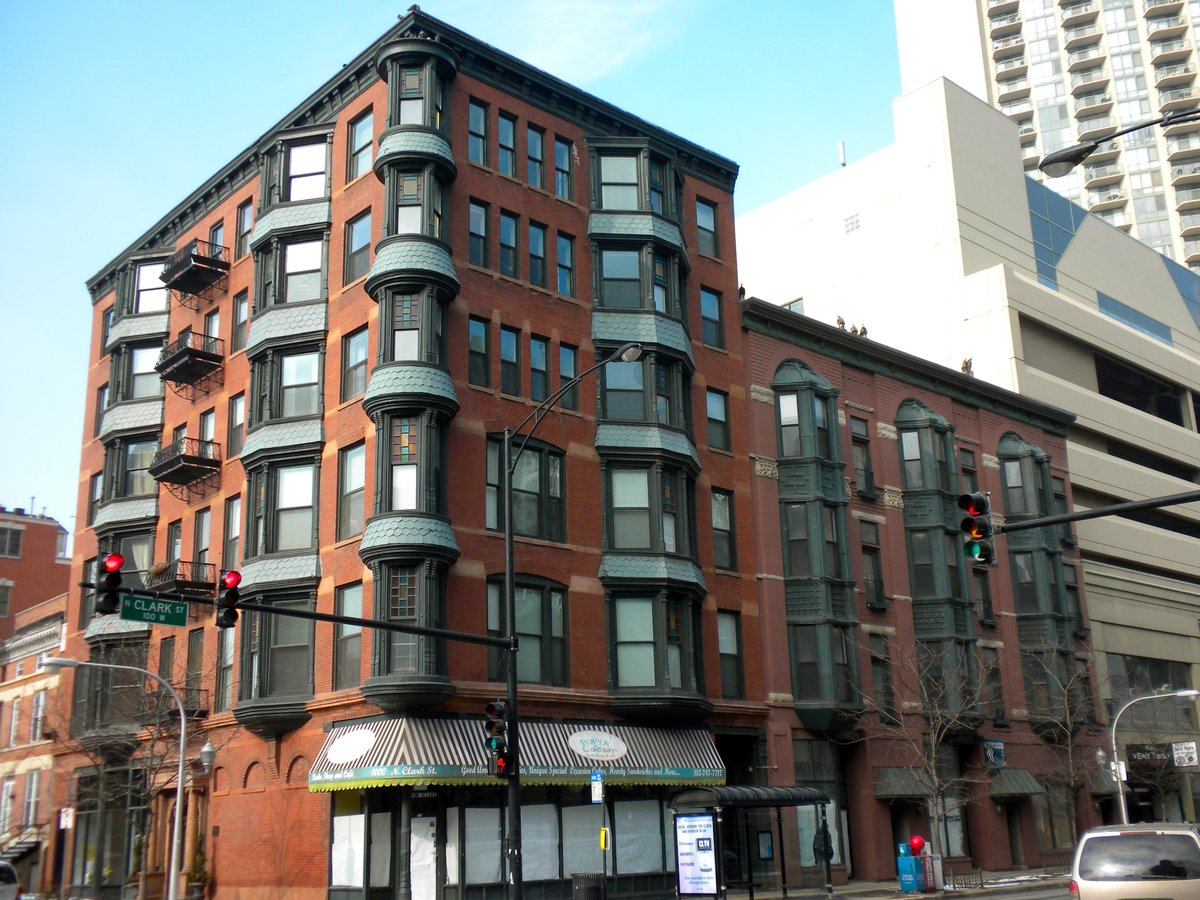
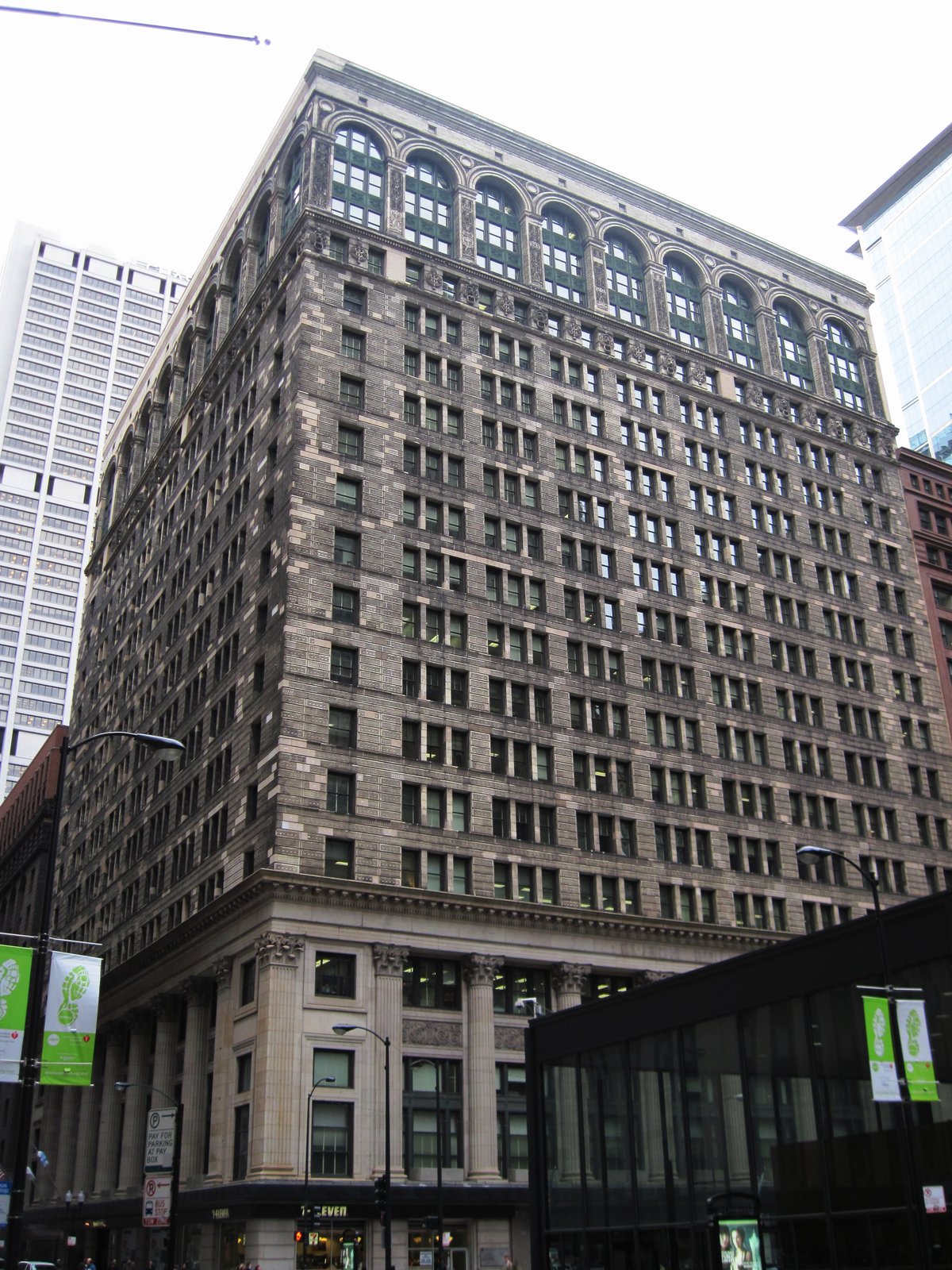
Clark Street has served as a commercial and social hub for more than a century, with department stores, theaters, and community events. Its architecture ranges from 19th-century row houses to modern high-rises. The street includes landmarks protected by city ordinance, including the Clark Street Bridge and historic buildings in Andersonville and Old Town (Wikipedia; Historic Bridges).
What to See and Do
Historic Landmarks
-
Chicago History Museum, 1601 N. Clark Street Located at the edge of Lincoln Park, the museum has permanent and rotating exhibits, guided tours, and educational programs. It is fully accessible. Listed hours differ: Tuesday–Sunday, 9:30 AM–4:00 PM, closed Mondays; and Tuesday–Sunday, 9:30 AM–4:30 PM. Listed admission is $19 for adults, $15 for seniors and $12 for students, with free admission for children under 12; another listing gives $19 for adults and $17 for seniors/students, with children under 12 free (Your Chicago Guide).
-
Clark Street Bridge Built in 1929, this Chicago-style bascule bridge crosses the Chicago River. It is open to pedestrians and offers city and river views (Historic Bridges).
-
Old Chicago Water Tower A notable survivor of the Great Chicago Fire and a popular photo stop.
-
St. Valentine’s Day Massacre Site A historic point of interest best visited during the day. Chicago Pizza and Oven Grinder Co. is nearby (Chicago Doe Tours; Chicago Pizza and Oven Grinder Co.).
-
Clark–Howard intersection A key transit point served by the CTA Purple Line (Chicago History Today).
-
Graceland Cemetery Open daily from dawn to dusk, with free admission and seasonal guided tours.
-
Clark Street Monument Located near Andersonville, the monument honors Chicago’s early settlers, Indigenous peoples, and immigrant communities. Its inscriptions and sculptures tell the story of the city’s growth and resilience. The monument is listed as open daily, 9:00 AM–7:00 PM, with extended hours during summer and special events. Entry is free; guided tours and exhibitions require tickets, listed at $10 for adults, $7 for seniors/students, and free for children under 12. Guided tours can be booked online or at the visitor center. The site is wheelchair accessible and has assistive listening devices and nearby accessible parking. The visitor center has restrooms and a gift shop. Personal photography is welcome; commercial use requires permission.
Neighborhoods and Cultural Venues
- Andersonville Known for Swedish heritage, LGBTQ+-friendly venues, the Andersonville Commercial Historic District, the Swedish American Museum, Women & Children First bookstore, and Scandinavian bakeries (Time Out Chicago).
- Lakeview and Wrigleyville Home to sports bars, live music, and Wrigley Field. Wrigley Field guided tours are typically available from 10 AM–4 PM and cost $25–$35; check MLB Cubs for seasonal hours.
- Lincoln Park and Old Town Offer theaters, comedy clubs, historic architecture, nightlife, and the Old Town Historic District. The Neo-Futurists and Annoyance Theatre are among the theaters; check individual sites for tickets.
- Near North Side and River North Known for art galleries, restaurants, nightlife, independent shops, and eateries.
- The Loop Includes City Hall, Daley Center, Millennium Park, museums, and theaters.
- South Loop Includes the Prairie Avenue Historic District, Clarke-Ford House, and lakefront access.
Clark Street’s cultural offerings also include jazz bars, LGBTQ+ venues, themed events, galleries, and eateries. Public art includes murals celebrating cultural diversity. Festivals and local traditions include the Chicago Pride Parade, Andersonville’s Midsommarfest in June, farmers’ markets, and street fairs. Midsommarfest celebrates Swedish heritage, music, and community (Choose Chicago).
Dining, Shopping, and Outdoor Activities
Dining ranges from Chicago-style and deep-dish pizza to international, vegetarian, and Scandinavian bakery options. Andersonville has a variety of eateries; Chicago Pizza and Oven Grinder Co. is another named dining destination.
Independent retail includes bookstores, record stores, boutiques, and antique shops. Outdoor options include Lincoln Park, lakefront access, scenic trails, and small pocket parks. Lincoln Park Zoo is open daily, 10 AM–5 PM, with free admission (360Chicago). Wrigley Field is also a major sports destination.
Practical Visiting Information
- Hours Clark Street is open 24/7. Attraction hours vary; most attractions are open from morning to early evening, so check individual sites in advance.
- Tickets No ticket is required to visit the street itself. Tickets are required for some museums, tours, and venues; check online for details.
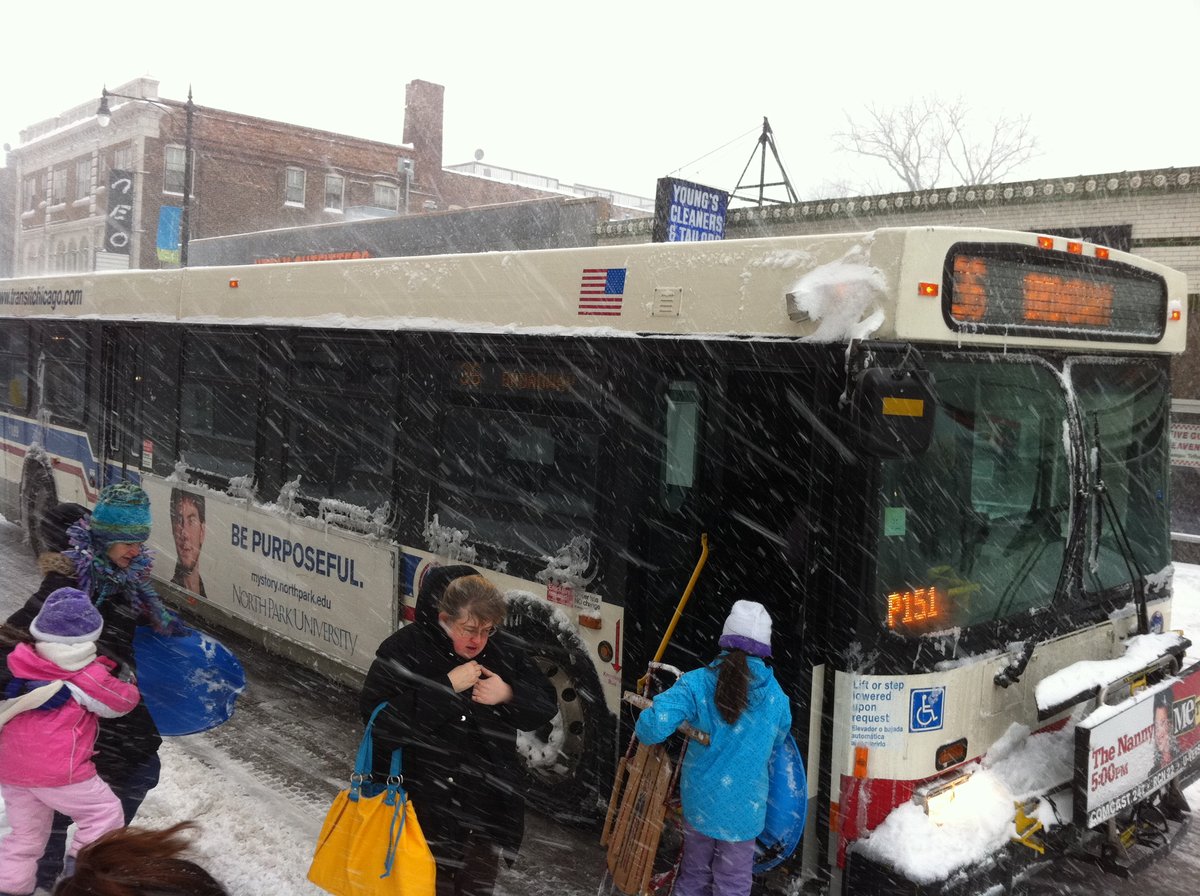
- Transit The CTA 22 Clark bus runs 24/7. The area is also served by the Brown Line at Clark/Lake, the Red Line at Clark/Division, the Purple Line at Clark–Howard, and multiple “L” train stations (CTA Official Site).
- Accessibility Major attractions and sidewalks are wheelchair accessible, and most venues are accessible. Accessibility varies by site, so confirm with individual venues in advance.
- Tours Local operators offer walking and bike tours focused on history, architecture, and food. Advance booking is recommended.
Tips
- Check attraction hours and ticket information before visiting, as schedules and prices vary.
- Public transportation provides access to the corridor and its neighborhoods.
- Photo spots include the Clark Street Bridge, Old Chicago Water Tower, Wrigley Field, and historic districts in Old Town and Lincoln Park.
- For monument visits, personal photography is permitted; commercial photography requires permission.
- The monument hosts Chicago Heritage Day in September, a Winter Lighting Ceremony in December, and monthly history talks. Check its official website for updates.
- Guided tours of the monument can be booked online or at the visitor center.
- Walking tours along Clark Street cover historical sites; bike tours are also available.
- The Audiala app is listed as an option for guided audio tours and updates.
Nearby Places
Nearby attractions and destinations include Lincoln Park Zoo, Lincoln Park Conservatory, the Andersonville Historical Museum, the Old Town Historic District, the Prairie Avenue Historic District, and the lakefront. Lincoln Park also has scenic trails and historic architecture. Diverse dining options and neighborhood shops are found throughout the area.
FAQ
What are Clark Street’s visiting hours?
The street is open 24/7. Attraction hours vary. The Chicago History Museum is listed as open Tuesday–Sunday, 9:30 AM–4:00 PM, closed Mondays, and elsewhere as Tuesday–Sunday, 9:30 AM–4:30 PM. The Clark Street Monument is listed as open daily, 9:00 AM–7:00 PM, with extended hours during summer and special events.
Do I need tickets to visit Clark Street?
No ticket is required for the street itself. Tickets are required for some museums, tours, and venues. The Clark Street Monument is free to enter; guided tours and exhibitions require tickets, listed at $10 for adults, $7 for seniors/students, and free for children under 12.
Is the Clark Street Bridge open to pedestrians?
Yes. The pedestrian-friendly bridge offers city and river views and photo opportunities.
Are guided tours available?
Yes. Local companies offer walking and bike tours, and guided walking tours cover historical sites along Clark Street. The monument’s tours can be booked online or at its visitor center.
How do I get to Clark Street?
The CTA 22 Clark bus runs 24/7. The Brown Line at Clark/Lake, Red Line at Clark/Division, Purple Line at Clark–Howard, and other “L” train stops also serve the area.
Is Clark Street accessible?
Major attractions and sidewalks are wheelchair accessible, and most sites are accessible. The monument is listed as wheelchair accessible and has assistive listening devices and nearby accessible parking. Confirm access details with individual venues in advance.
Are attractions family-friendly?
Lincoln Park Zoo and the Chicago History Museum are among the family-friendly attractions.
Can I take photos at the Clark Street Monument?
Personal photography is welcome; commercial use requires permission.