Introduction: The Enduring Significance of the Chicago Picasso
Rising from the heart of Daley Plaza in downtown Chicago, the Chicago Picasso is an iconic symbol of the city’s civic ambition and cultural transformation. Since its unveiling in 1967, this 50-foot Cor-Ten steel sculpture—conceived by Pablo Picasso—has redefined public art in America, shifting expectations from traditional, representational monuments to bold, abstract statements that invite public interpretation and engagement. Freely accessible in the bustling Loop, the Chicago Picasso is much more than a piece of art: it is a gathering place, a conversation starter, and a testament to Chicago’s innovative spirit.
This guide provides all the essential information you need to plan your visit, including hours, ticketing, accessibility, travel tips, and nearby attractions. You’ll also find a detailed exploration of the sculpture’s history, artistic significance, and lasting legacy. For further reading on the artwork and its cultural impact, see pablopicasso.org, WTTW’s feature, and the City of Chicago official site.
- Introduction
- Visiting the Chicago Picasso: Hours, Tickets, and Accessibility
- Historical Background
- Artistic Significance and Legacy
- Nearby Attractions and Amenities
- Frequently Asked Questions
- Conclusion and Visitor Tips
- Further Resources
Photo Gallery
Explore Chicago Picasso in Pictures
US Navy aircraft preparing for takeoff on the flight deck of an aircraft carrier during naval operations.
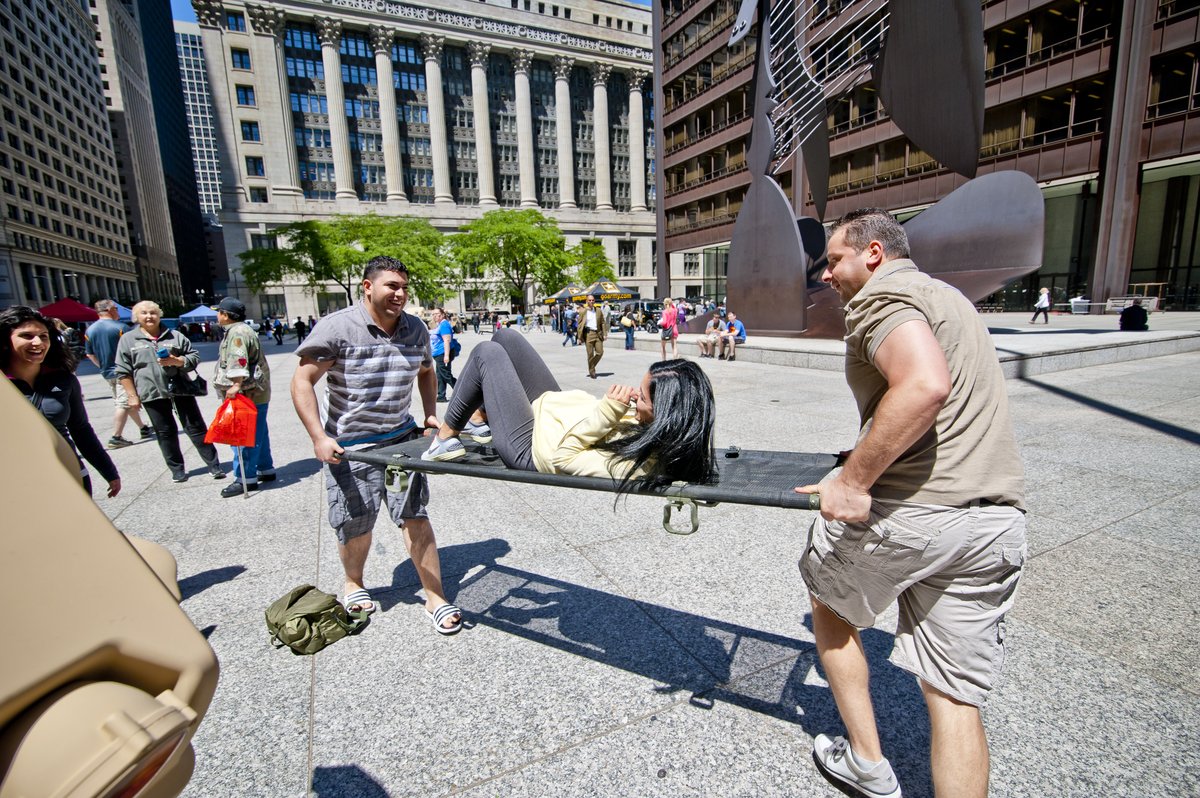
Image of US Navy sailors performing duties aboard the USS Fitzgerald, a guided missile destroyer.
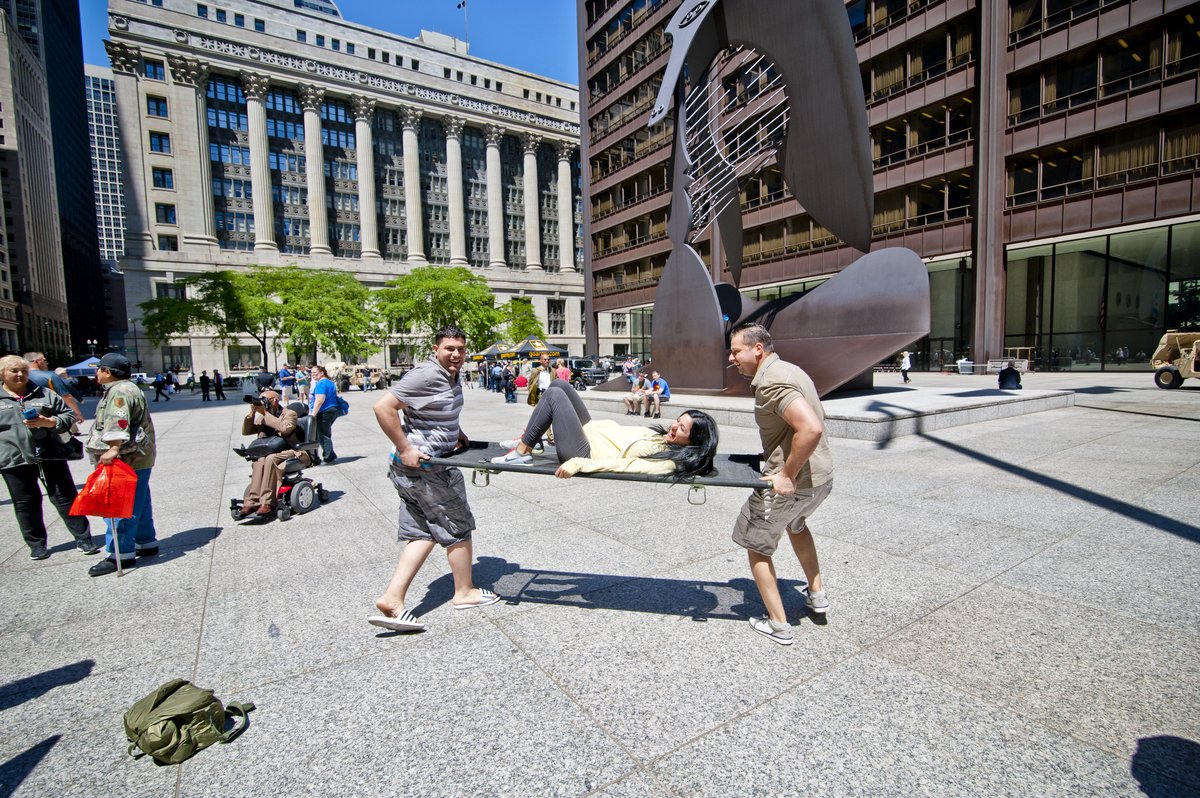
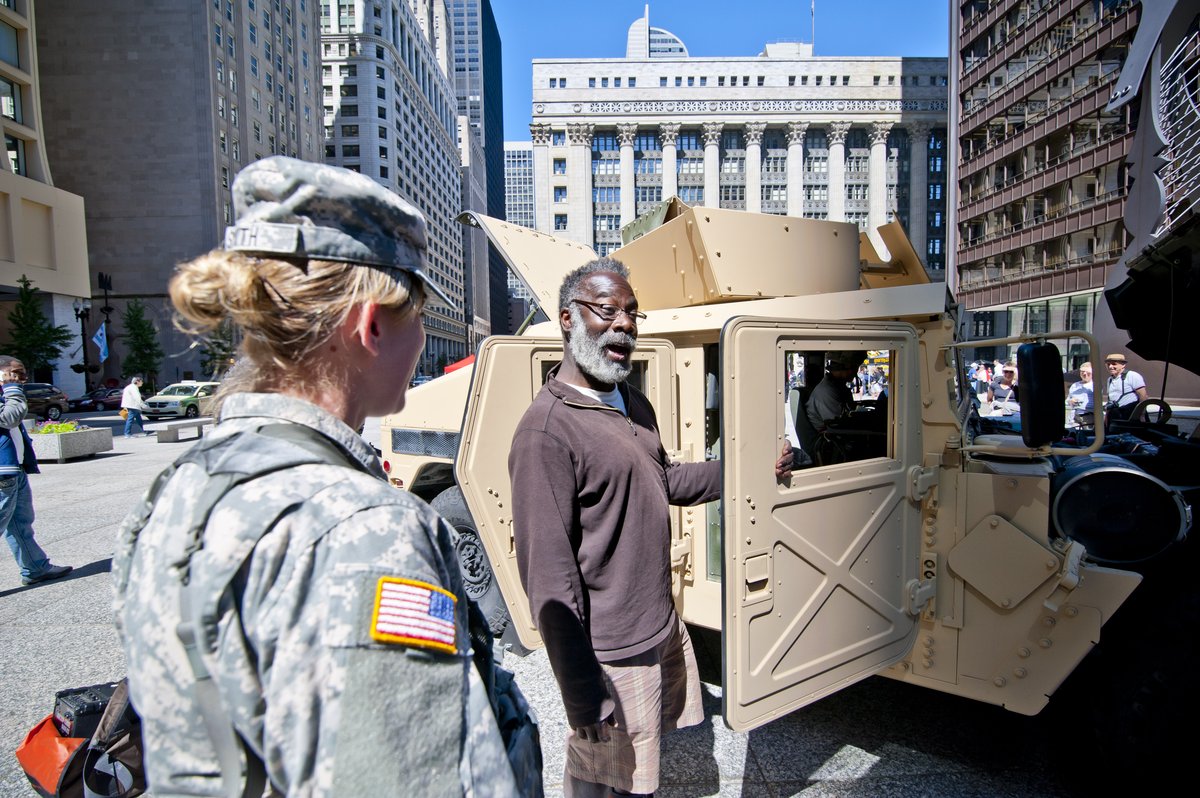
A U.S. Marine Corps training exercise featuring military personnel operating vehicles and equipment, demonstrating tactical and operational preparedness.
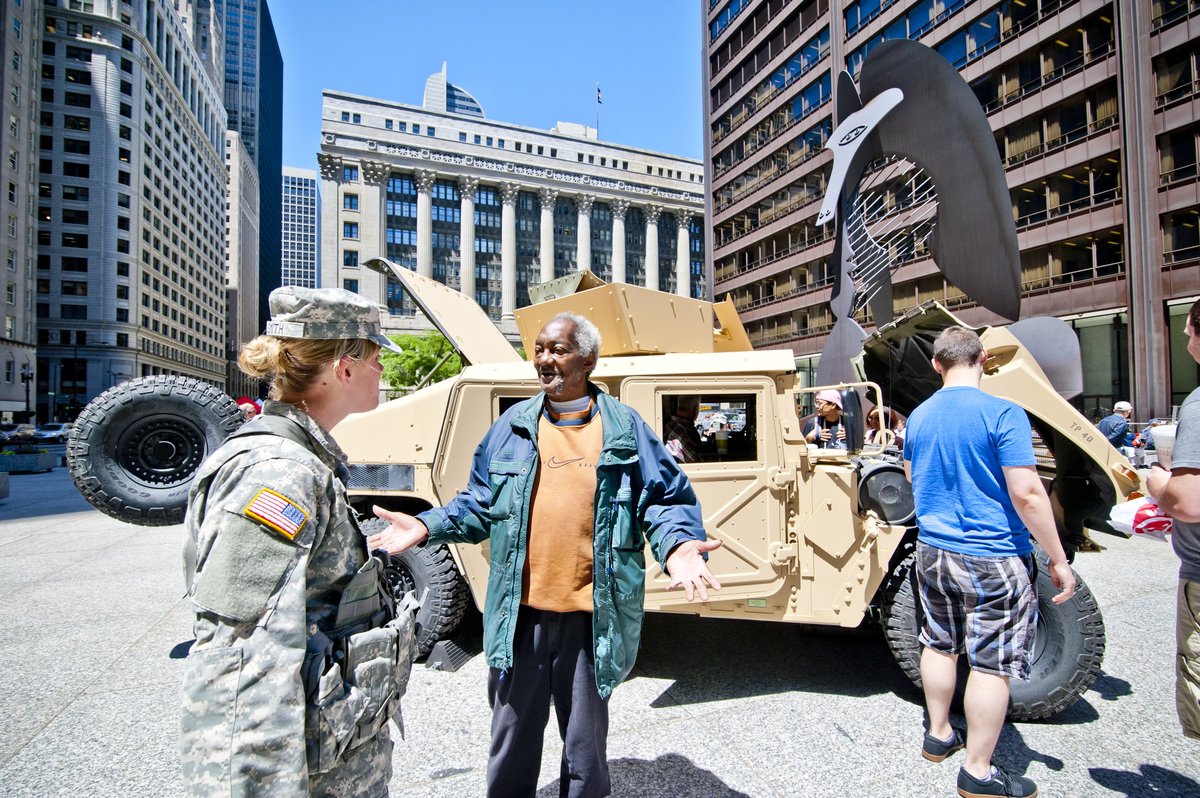
American soldier equipped with full combat gear aiming a rifle during military operations in a desert terrain.
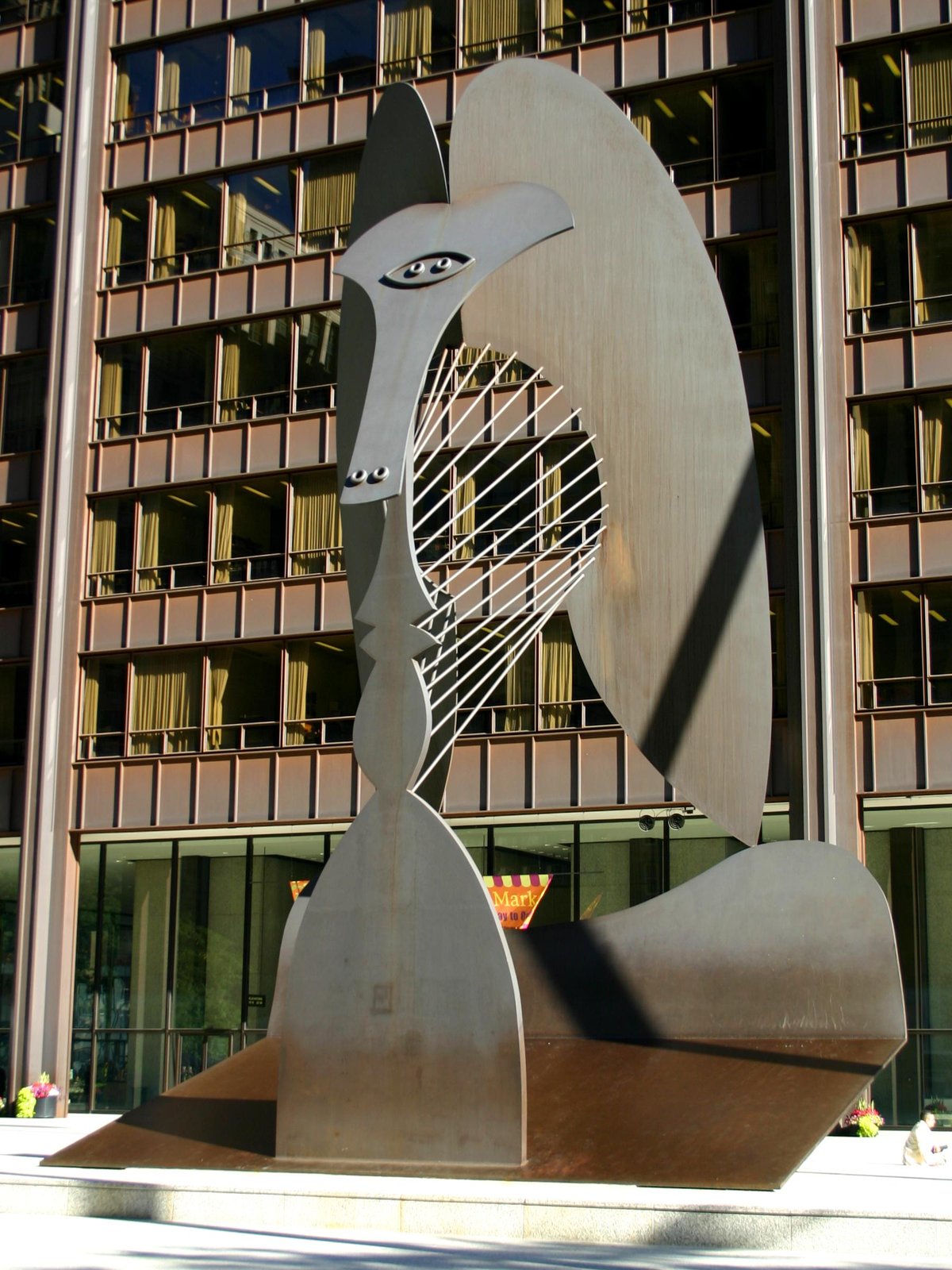
The iconic Picasso sculpture located in Daley Plaza, Chicago, Illinois, USA, known for its abstract form and artistic significance.
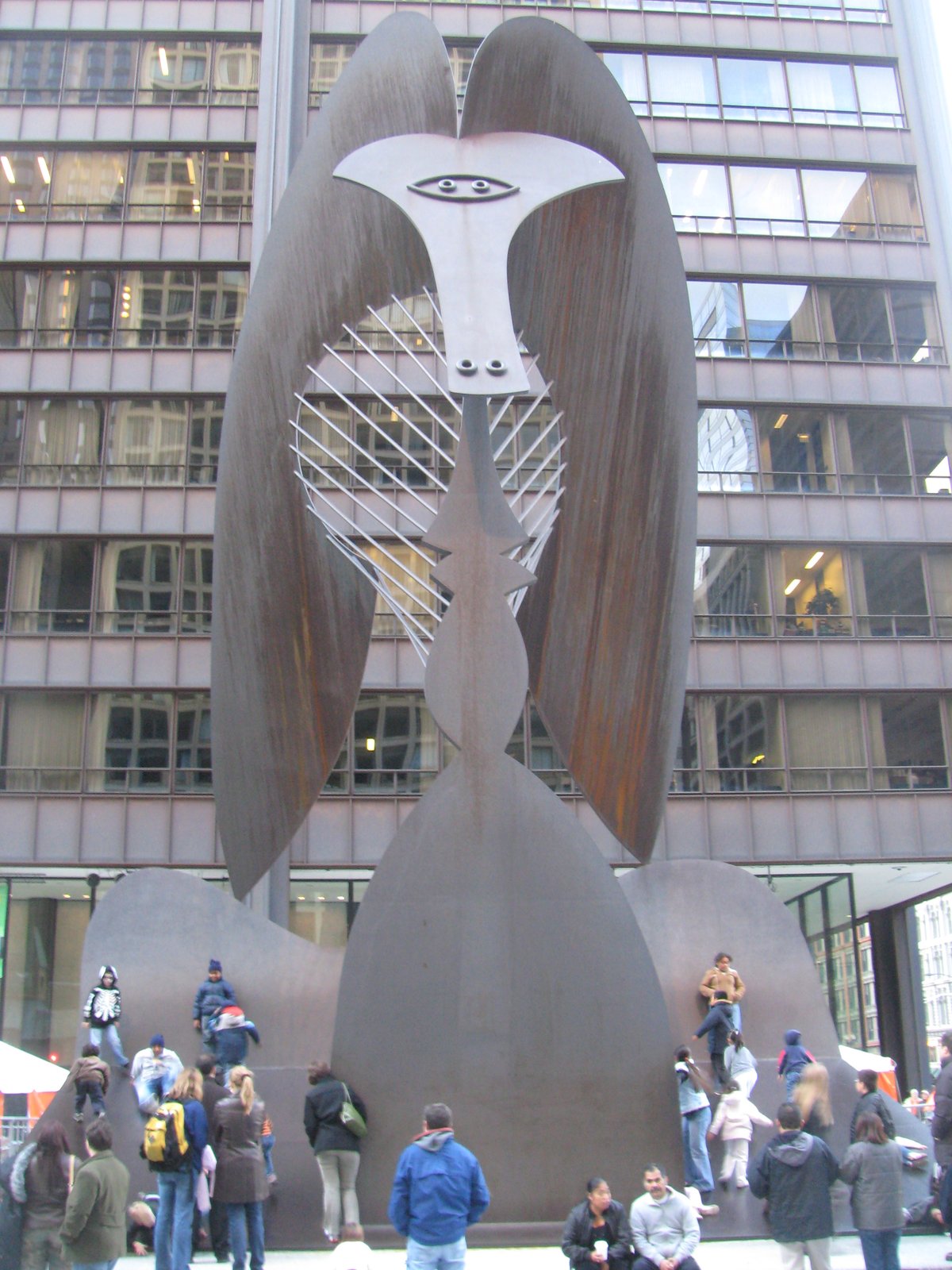
Colorful abstract Chicago Picasso sculpture with children playing at Daley Plaza in Chicago
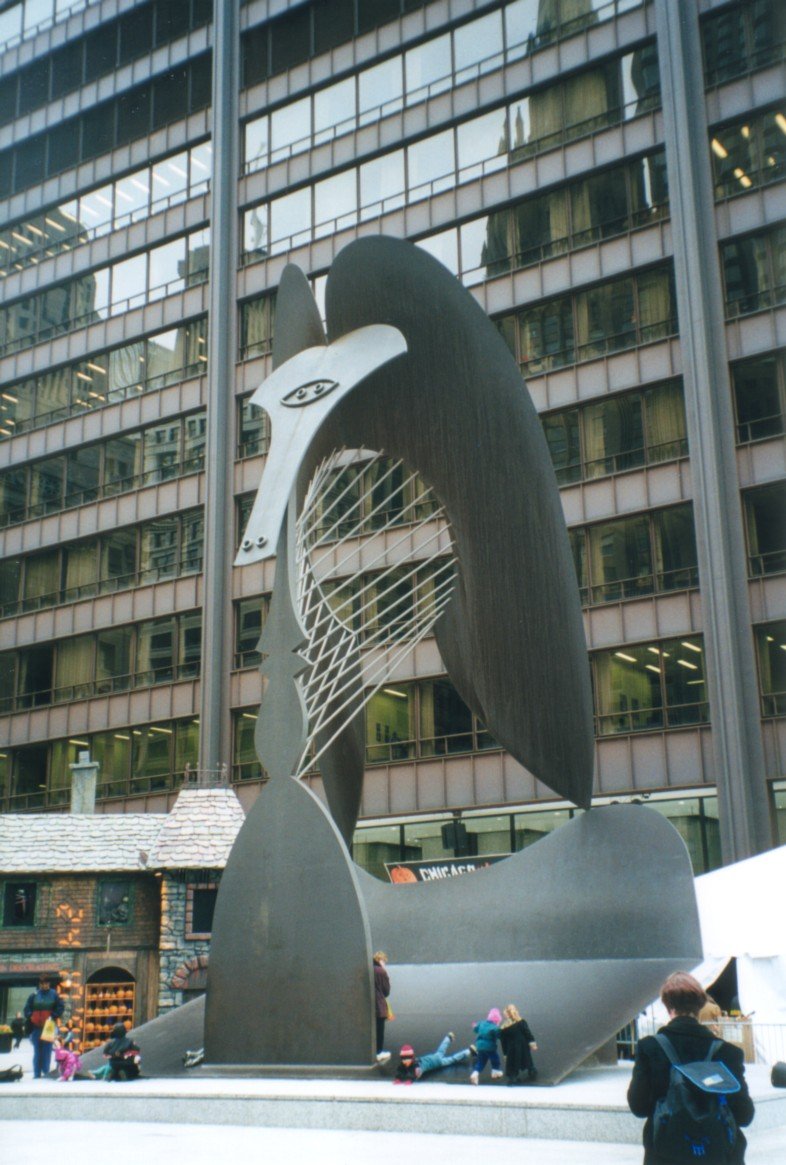
Chicago's famous public artwork, an abstract cubist sculpture by Pablo Picasso, located outdoors on the road in the city.
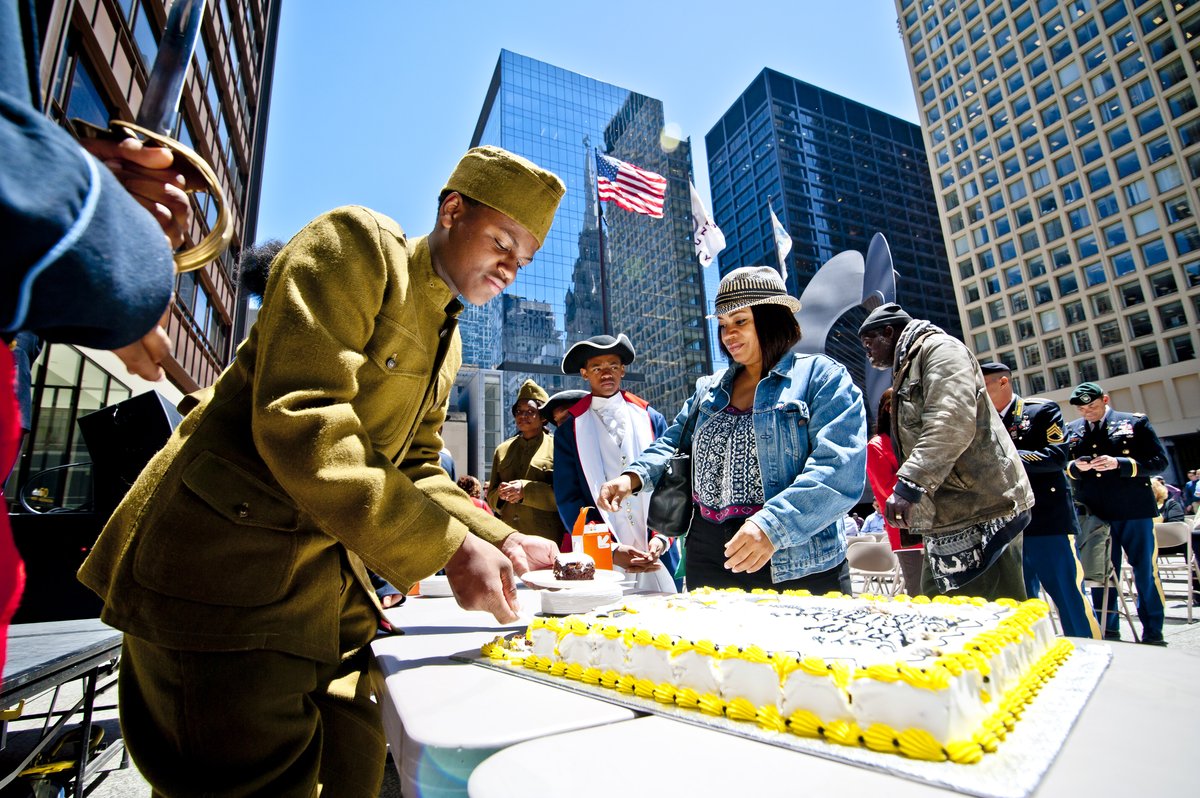
Kamren Williams, a JROTC cadet from Chicago Military Academy at Bronzeville, dressed in WWI replica uniform, serves cake to residents and visitors at Richard J. Daley Center in downtown Chicago for Army's 239th birthday celebration on June 13.
1. Visiting the Chicago Picasso: Hours, Tickets, and Accessibility
Hours
The Chicago Picasso is located outdoors in Daley Plaza (50 W. Washington St.) and is accessible 24 hours a day, seven days a week. The plaza’s open design allows visitors to experience the sculpture at any time. For optimal viewing and photography, daylight hours are recommended, but the work is beautifully illuminated at night as well.
Tickets and Admission
There is no admission fee or ticket required. The Chicago Picasso is a public artwork, freely accessible to all visitors year-round.
Accessibility
Daley Plaza is wheelchair accessible, with smooth, level pathways and curb cuts. The Loop is well-served by CTA train lines (Blue, Red, Brown, Orange, Pink, Purple) and multiple bus routes. Parking garages are nearby, though public transit is advisable due to traffic.
Travel Tips
- Best Times to Visit: Early mornings or late afternoons during weekdays are quieter.
- Photography: Early or late daylight creates dramatic shadows and highlights the sculpture’s rust-hued Cor-Ten steel.
- Events: Daley Plaza often hosts seasonal events (Christkindlmarket, farmers’ markets, performances) that can enhance your visit (Chicago History Museum).
2. Historical Background
Origins and Commissioning
The story of the Chicago Picasso began in the early 1960s, as city planners sought a modern artistic statement for the new Civic Center (now Richard J. Daley Center). Eschewing traditional statuary, the architects invited Pablo Picasso—then the world’s most influential living artist—to design a monumental work for the plaza (WTTW). Picasso agreed, ultimately gifting the design to the city and refusing the $100,000 fee (pablopicasso.org).
Design and Creation
Picasso’s abstract maquette—today housed at the Art Institute of Chicago—was transformed into a 50-foot, 162-ton Cor-Ten steel sculpture by U.S. Steel in Gary, Indiana (pablopicasso.org). The material was chosen for its durability and evolving patina, matching the modernist façade of the adjacent Daley Center. The project’s cost was covered by several local foundations.
Unveiling and Public Reaction
On August 15, 1967, the sculpture was unveiled before thousands, accompanied by performances and a poem by Gwendolyn Brooks (WTTW). Initial reactions were deeply divided: some called it a “colossal booboo,” while others hailed its audacity. Its ambiguous form—variously interpreted as a woman, a dog, or a mythical creature—sparked widespread debate, but in time, the Picasso became a beloved city landmark.
3. Artistic Significance and Legacy
Abstract Innovation
The Chicago Picasso was America’s first major abstract sculpture in a prominent civic space (pablopicasso.org). Its non-representational design challenged public expectations and opened the door for modern art in public life.
Enduring Mystique
Picasso never explained the sculpture’s meaning, and he died without ever seeing it in person. The work’s open-ended symbolism invites endless interpretation, making it a living conversation piece (WTTW).
Civic Impact
The sculpture’s success inspired Chicago’s “Percent for Art” ordinance, ensuring that public art remains integral to the city’s identity (pablopicasso.org). Today, the city’s plazas feature works by Calder, Miró, Chagall, and Kapoor, making Chicago an open-air museum renowned for its collection of modern and contemporary public art.
Community Role
The Chicago Picasso serves as a gathering point for daily life, protests, markets, and celebrations. Its climbable base is popular with children and families, reinforcing its role as a living, interactive work (Chicago History Museum).
4. Nearby Attractions and Amenities
Daley Plaza is surrounded by a wealth of notable sites:
- Art Institute of Chicago: View Picasso’s maquette and explore world-class art (Art Institute website).
- Millennium Park: Home to “Cloud Gate” and other public art, a 10-minute walk away.
- Chicago Cultural Center: Free exhibits and performances.
- Richard J. Daley Center: Adjacent to the sculpture.
- Other Public Art: Joan Miró’s “Chicago” and Chagall’s “Four Seasons” mosaic are both nearby (Choose Chicago).
Cafes, restaurants, and convenience stores are abundant in the Loop. During events, food trucks and pop-up vendors are common on the plaza.
5. Frequently Asked Questions
Is the Chicago Picasso free to visit?
Yes, it is open to all, 24/7, with no tickets or fees required.
Is it wheelchair accessible?
Yes, Daley Plaza and its approaches are fully accessible.
Are guided tours available?
Yes, many local organizations offer art and architecture walking tours that include the Picasso.
Can I climb on the sculpture?
Light climbing is common, especially for children, but visitors should exercise caution and respect.
When is the best time to visit?
Daylight hours are best for photography and safety; early mornings and late afternoons are quieter.
Where can I learn more about the sculpture?
Visit the Art Institute of Chicago for Picasso’s maquette and preparatory sketches.
Are there any special events in Daley Plaza?
Yes, including farmers’ markets, festivals, and the Christkindlmarket in winter.
Listen to the full story in the app
Your Personal Curator, in Your Pocket.
Audio guides for 1,100+ cities across 96 countries. History, stories, and local insight — offline ready.
Audiala App
Available on iOS & Android
Join 50k+ Curators
Sources
- verified
- verified
- verified
- verified
- verified
- verified
- verified
- verified
- verified
Last reviewed: