Introduction
Central Music Hall in Chicago stands as a testament to the city’s resilience, innovation, and cultural ambition in the aftermath of the Great Chicago Fire. Though the original building was demolished in the early 20th century, its influence continues to permeate Chicago’s architectural, musical, and urban fabric. This guide explores the Hall’s history, architectural significance, enduring legacy, and provides practical information for visitors seeking to experience Chicago’s rich musical heritage through its current landmarks and institutions (Chicago Architecture Center, Digital Chicago History).
Origins and Early Development
Central Music Hall emerged in 1879 at the pivotal intersection of State and Randolph Streets, embodying Chicago’s determination to reinvent itself after the devastation of 1871. Visionary businessman George B. Carpenter spearheaded the project, commissioning Dankmar Adler, a pioneering architect and acoustician, to design a venue that would serve as both a cultural gathering place and a hub for civic engagement. The Hall’s opening marked a new era for Chicago’s downtown, as it became a nucleus for the arts and public life (Chicago Architecture Center).
Architectural Significance
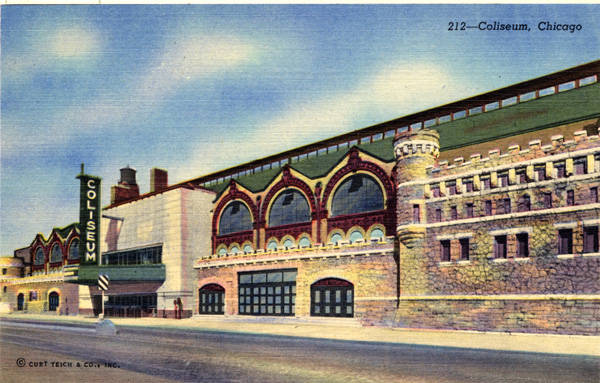
Dankmar Adler’s design for Central Music Hall was revolutionary. The auditorium’s horseshoe configuration and advanced acoustics set new standards for American theater architecture. Adler’s use of sound-reflective surfaces and attention to spatial proportion created a listening environment considered exceptional for its time. The building’s mixed-use approach—combining a performance hall with office space—was ahead of its era, influencing later urban architecture in Chicago. Its restrained brick façade, large arched windows, and modernist accents reflected an architectural transition that would shape the city’s identity (Chicago Tribune Archives).
Notable Events and Performances
Central Music Hall quickly became the stage for Chicago’s burgeoning artistic scene. It hosted the Apollo Club, the Chicago Symphony Orchestra in its early years, and welcomed celebrated figures such as Oscar Wilde and Susan B. Anthony. The Hall was a gathering place for intellectual societies and political movements, fostering a democratization of culture and bringing together diverse audiences (Encyclopedia of Chicago).
Decline and Lasting Influence
Changing urban dynamics and the construction of newer facilities in the early 20th century led to Central Music Hall’s decline. The building was demolished in 1901, making way for commercial expansion. Despite its disappearance, the Hall’s legacy lives on in the design philosophies of subsequent venues and in the thriving cultural scene of the Loop (Chicago Loop Alliance).
Experiencing Central Music Hall Today
Visiting the Site and Alternatives
While Central Music Hall itself no longer stands, its site at State and Randolph is now home to Macy’s on State Street, a designated National Historic Landmark. There are no direct visiting hours or tickets for Central Music Hall, but visitors can experience the legacy through:
- Macy’s State Street: Open Monday–Saturday 10:00 AM–8:00 PM, Sunday 11:00 AM–7:00 PM (verify with Choose Chicago). Architecture-focused tours, including those offered by the Chicago Architecture Center, frequently highlight the building’s history and its famed Tiffany ceiling.
- Guided Walking Tours: The Chicago Architecture Center and local guides offer tours of the theater district, often referencing Central Music Hall’s site and its role in the city’s evolution (Chicago Architecture Center).
Chicago’s Musical Heritage Venues
To experience Chicago’s vibrant music scene and architectural history:
- Symphony Center: Home to the Chicago Symphony Orchestra (Chicago Symphony Orchestra History).
- Auditorium Theatre: A masterpiece by Adler & Sullivan, open for performances and guided tours (Auditorium Theatre).
- Chicago Theatre: An iconic landmark with diverse programming.
- Jay Pritzker Pavilion in Millennium Park: Hosts free concerts and cultural events.
- Chicago Cultural Center: Offers exhibits, concerts, and public programs.
Accessibility and Visitor Tips
- Public Transit: The Loop is well served by CTA ‘L’ lines and bus routes. The State/Lake and Randolph/Wabash stations are steps from the original Central Music Hall site (Chicago Transit Authority).
- On Foot: The Loop is pedestrian-friendly; comfortable shoes are recommended.
- Pedway: Use the Chicago Pedway for indoor navigation during inclement weather (Gateway Travel).
Accessibility: Most venues are accessible to those with mobility needs—check individual sites for specific accommodations (Choose Chicago Visitor Resources).
Nearby Attractions and Photo Ops
- Millennium Park: Modern public art and gardens.
- Art Institute of Chicago: Renowned art collections.
- Chicago Riverwalk: Scenic strolls and river views.
- Historic Theaters & Museums: Many within walking distance.
- Photographic Spots: The Chicago Theatre marquee, Millennium Park, and Macy’s Tiffany ceiling.
Exploring the Hall’s Enduring Legacy
Innovation and Impact
Dankmar Adler’s innovative use of steel framing, plate glass, and acoustical engineering at Central Music Hall influenced the design of later Chicago School architecture. His partnership with Louis Sullivan set new benchmarks for integrating artistic vision and technical mastery (Architectuul).
Role in the Theater District
Central Music Hall’s success catalyzed the growth of Chicago’s theater district, attracting other prominent venues and fostering a dynamic cultural ecosystem (Digital Chicago History).
Continuing Inspiration
Though the Hall no longer stands, its legacy persists in the city’s ongoing commitment to music, architecture, and community engagement. The vibrancy of Chicago’s festivals, theaters, and urban spaces all echo the pioneering spirit of Central Music Hall (The Hype Magazine).
Visitor Information: Hours, Tickets, and Accessibility
- Central Music Hall: Demolished, no direct access.
- Macy’s State Street: Open daily; no ticket required. Guided tours available via the Chicago Architecture Center and other providers.
- Auditorium Theatre: Visit Auditorium Theatre’s website for tour and event details.
- Accessibility: Most Loop attractions are accessible. Contact venues for specific needs.
Frequently Asked Questions (FAQ)
Q: Can I visit Central Music Hall today?
A: No, the building was demolished in 1901. Explore the site at State and Randolph and nearby venues for historical context.
Q: What replaced Central Music Hall?
A: Macy’s on State Street now occupies the original site.
Q: Are there tours about Central Music Hall?
A: Many architecture and theater tours in the Loop include the Hall’s history.
Q: Which venues offer similar experiences today?
A: Symphony Center, Auditorium Theatre, and Chicago Theatre.
Q: Is the Loop accessible by public transit?
A: Yes, it is served by multiple CTA trains and buses.
Visual Gallery
- Historic photograph of Central Music Hall interior, with horseshoe-shaped seating (1880s).
- Modern view of the Chicago Theatre marquee near the original site.
- Jay Pritzker Pavilion in Millennium Park, a contemporary outdoor concert venue.
Internal and External Links
Sources:
- Chicago Architecture Center
- Chicago Tribune Archives
- Encyclopedia of Chicago
- Digital Chicago History
- Time Out Chicago
- WTTW
- Choose Chicago
- Architectuul
- The Hype Magazine
- Chicago Loop Alliance
- Auditorium Theatre
- Globe Gazers
Discover More
Although Central Music Hall itself cannot be visited, its legacy endures in the architecture, music, and communal energy of Chicago’s Loop. By exploring nearby landmarks, participating in guided tours, and attending performances at venues shaped by the Hall’s innovations, visitors can experience the spirit that made the Hall a beacon of Chicago’s cultural renaissance. For an enriched journey through the city’s history and live events, download the Audiala app, explore our related posts, and follow us on social media for the latest updates and travel inspiration.
Audiala2024
Listen to the full story in the app
Your Personal Curator, in Your Pocket.
Audio guides for 1,100+ cities across 96 countries. History, stories, and local insight — offline ready.
Audiala App
Available on iOS & Android
Join 50k+ Curators
Sources
- verified
- verified
- verified
- verified
- verified
- verified
- verified
- verified
- verified
- verified
- verified
- verified
- verified
Last reviewed: