Introduction
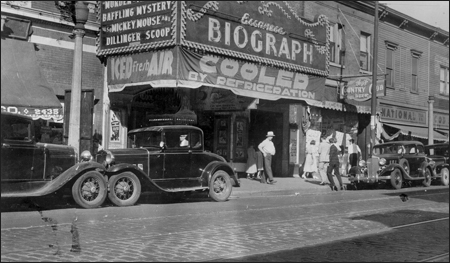
The Auditorium Theatre in Chicago, Illinois, is a crown jewel of the city’s architectural and cultural landscape. Opened in 1889, this National Historic Landmark stands as a testament to the vision of philanthropist Ferdinand Wythe Peck and the architectural ingenuity of Dankmar Adler and Louis Sullivan. Famed for its acoustical brilliance, ornate design, and pivotal role in Chicago’s performing arts history, the Auditorium Theatre continues to captivate audiences with a diverse program of events, ranging from classical symphonies and opera to contemporary dance and Broadway shows.
Conveniently located at 50 East Ida B. Wells Drive in the heart of Chicago’s Loop, the theatre is easily accessible by public transportation and is surrounded by a host of other cultural attractions. Visitors can participate in guided tours, attend world-class performances, and experience firsthand the artistry and innovation that have defined this iconic venue for over a century.
This comprehensive guide details everything you need to know about visiting the Auditorium Theatre: hours of operation, ticketing, accessibility, nearby attractions, travel tips, and the theatre’s historical and architectural significance. For the most current information, always refer to the Auditorium Theatre official website.
Visiting Hours and Ticketing
- Guided Tours: Typically available Tuesday through Saturday, 10:00 AM to 4:00 PM. Advance booking is recommended due to limited availability.
- Box Office Hours: Monday to Friday, 12:00 PM–5:00 PM; and three hours before showtime on event days.
- Performance Hours: Vary by event; check the official calendar for specific showtimes.
Ticket Purchase Options:
- Online via the Auditorium Theatre website
- At the box office
- Through authorized vendors (e.g., AXS, Ticketmaster)
Ticket Prices: Vary by event and seating section. Discounts are often available for students, seniors, and groups. For popular performances, early booking is advised.
Accessibility and Visitor Services
The Auditorium Theatre is committed to providing an inclusive experience for all guests:
- Wheelchair Access: Step-free entry via ramp near Ida B. Wells Drive and Wabash Avenue.
- Accessible Seating: Available primarily on the main floor; reserve in advance.
- Accessible Restrooms: Located on the main lobby’s southwest corner and Level 3.
- Assistive Listening Devices: Infrared devices available (photo ID required for loan).
- Audio Description, ASL, and Captioning: Available with at least three weeks’ notice.
- Service Animals: Certified service animals are permitted with prior notification.
- Front-of-House Assistance: Staff are available to assist throughout your visit.
For more details, consult the Auditorium Theatre Accessibility page and the Choose Chicago Accessibility Guide.
Directions and Parking
- Address: 50 East Ida B. Wells Drive, Chicago, IL
- Public Transit: Conveniently served by CTA Red, Blue, Brown, and Green Lines (Harold Washington Library-State/Van Buren station) and several bus routes.
- Parking: Recommended at Loop Auto Parks (524 S. Wabash Avenue), just half a block from the venue. Metered street parking and additional garages are also nearby.
- Travel Tip: Arrive early, especially for major events, to allow time for parking and exploring the surrounding neighborhood.
Nearby Attractions and Tips
The theatre’s central Loop location places visitors within walking distance of Chicago’s premier cultural destinations:
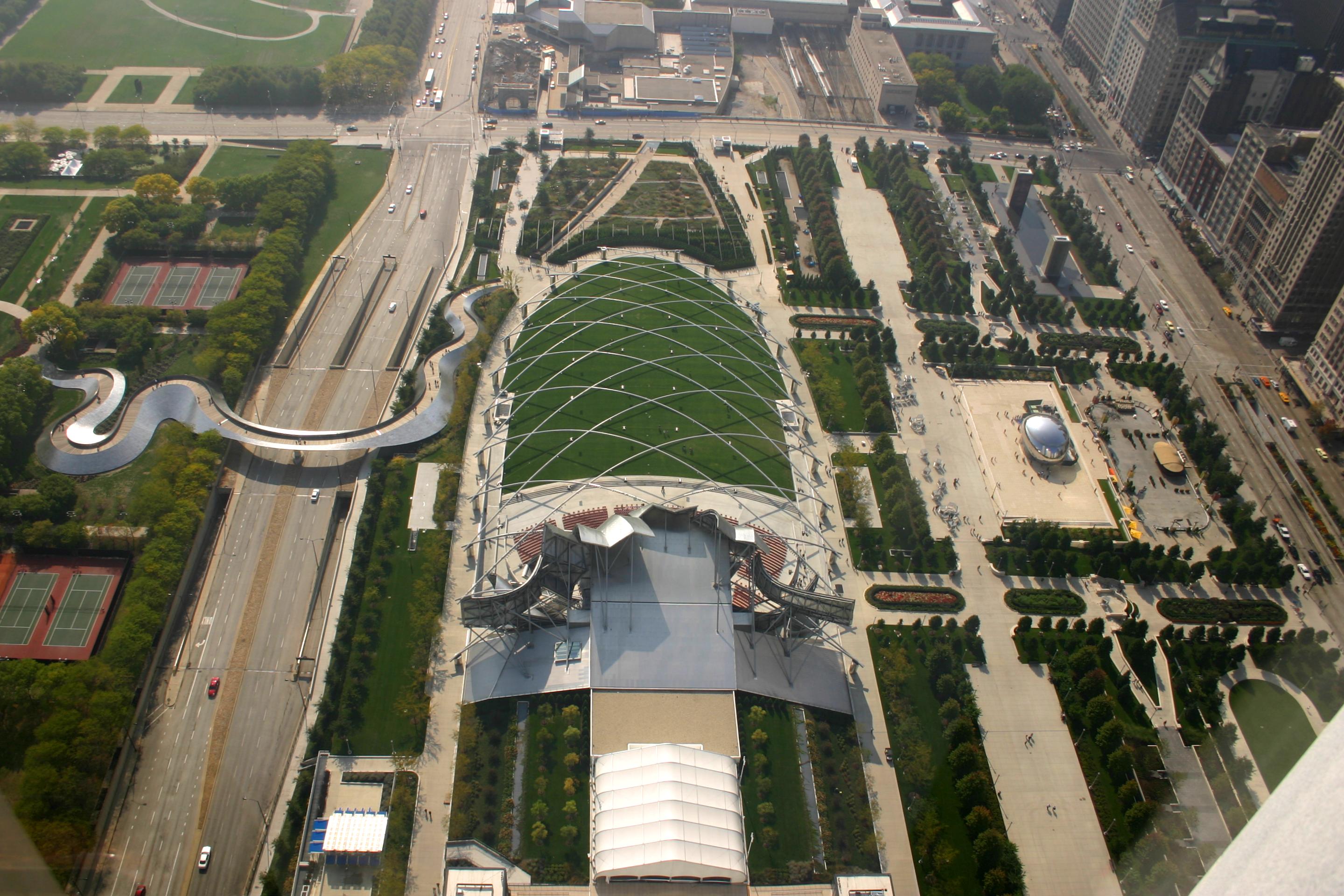
- Millennium Park
- Art Institute of Chicago
- Chicago Cultural Center
- Chicago Symphony Center
The area also offers a variety of dining—from casual cafes to fine dining—making it easy to enjoy a meal before or after your visit.
Historical and Architectural Highlights
Origins and Construction
Ferdinand Wythe Peck envisioned the Auditorium Theatre as a democratic space to make the arts accessible to all Chicagoans after the Great Fire of 1871. Construction began in 1887 under the guidance of Adler & Sullivan, who designed a multi-use structure combining a grand theater, hotel, and office spaces—a first for American architecture. The grand opening on December 9, 1889, was a landmark event attended by dignitaries and the public alike (Auditorium Theatre: List of Shows 1889-Present).
Engineering and Design Innovations
Foundation: Adler’s innovative “floating raft” foundation—using layers of railroad ties and steel beams—addressed Chicago’s unstable, clay-rich soil and allowed for the building’s immense weight to be distributed evenly (e-a-a.com).
Auditorium Design: The horseshoe-shaped seating and column-free interior were achieved with a steel frame. Sullivan’s ornamentation—gold-leafed arches, mosaics, and intricate plasterwork—reflects the Chicago School’s philosophy of “form follows function” (chicagodetours.com).
Acoustics: The auditorium’s unique shape and materials deliver world-renowned acoustics, eliminating echoes and ensuring perfect sound distribution (e-a-a.com).
Lighting: Over 3,500 Edison bulbs originally illuminated the space, enhancing its golden ambiance and highlighting Sullivan’s stenciled designs (auditoriumtheatre.org).
Cultural Impact and Notable Events
From its inception, the theatre has been a cornerstone of Chicago’s arts scene, hosting:
- The Chicago Symphony Orchestra and Chicago Grand Opera Company
- Historic political events, including the 1888 Republican National Convention
- World-class performers and premieres, from Adelina Patti to Mitski (Auditorium Theatre: List of Shows 1889-Present)
Annual traditions such as “Too Hot to Handel” and “Holidays of Joy” continue to draw audiences (Annual Events, 2024-2025).
Preservation and Restoration
After periods of closure and deterioration, the theatre was restored in the 1960s—led by architect Harry Weese—preserving its original grandeur (e-a-a.com). Designated a National Historic Landmark in 1975, it is now stewarded by Roosevelt University, ensuring its ongoing cultural and educational role (auditoriumtheatre.org).
Legacy and Community Engagement
The Auditorium Theatre’s influence can be seen in theaters across the country. Its mission of accessibility and education is reflected in robust outreach programs, partnerships with local arts organizations, and a commitment to serving diverse audiences. The theatre’s enduring legacy is one of artistic excellence, community engagement, and architectural innovation.
Visitor FAQs
Q: What are the Auditorium Theatre’s visiting hours?
A: Guided tours are typically available Tuesday–Saturday, 10:00 AM–4:00 PM. Box office hours are Monday–Friday, 12:00 PM–5:00 PM. Showtimes vary by event.
Q: How can I buy tickets?
A: Purchase online, at the box office, or through authorized vendors.
Q: Is the theatre accessible?
A: Yes, with step-free entry, accessible seating, restrooms, assistive devices, and staff support.
Q: Are guided tours available?
A: Yes, but advance booking is recommended due to limited capacity.
Q: What attractions are nearby?
A: Millennium Park, Art Institute of Chicago, Chicago Cultural Center, and more.
Planning Your Visit
- Reserve tickets early—especially for accessible seating and high-demand events.
- Arrive early to enjoy the neighborhood and avoid event-time congestion.
- Notify staff in advance for accessibility services requiring special arrangements.
- Check the official website for up-to-date schedules, visitor policies, and special events.
- Stay connected by following the theatre on social media and exploring digital resources.
Listen to the full story in the app
Your Personal Curator, in Your Pocket.
Audio guides for 1,100+ cities across 96 countries. History, stories, and local insight — offline ready.
Audiala App
Available on iOS & Android
Join 50k+ Curators
Sources
- verified
- verified
- verified
- verified
- verified
- verified
- verified
Last reviewed: