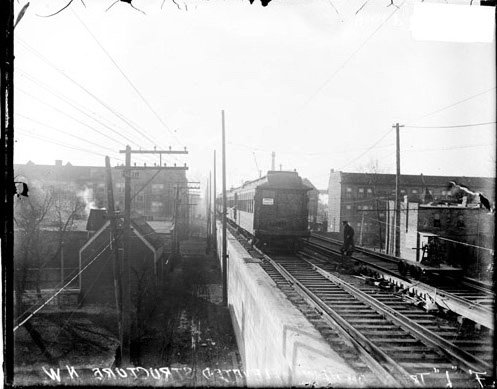
History and Early Settlement
The origins of 99th Street trace back to the early 19th century, when the Potawatomi people and early settlers like DeWitt Lane and Norman Rexford established a presence along the Blue Island Ridge. Following the 1833 cession of land, John Blackstone and others purchased parcels and laid the groundwork for permanent settlement. The adjacent Morgan Park neighborhood derives its name from Thomas Morgan, who acquired land in 1844. The area initially developed as a “dry” settlement, prohibiting alcohol sales.
Railroads and Suburban Development
The landscape of Beverly and 99th Street changed dramatically in the late 19th century. The arrival of the Rock Island Railroad and the Panhandle Route transformed the area into a desirable streetcar suburb. After the 1871 Chicago Fire, many city dwellers relocated here, sparking rapid growth. The expansion of Metra’s Rock Island District Line, especially the 99th Street–Beverly Hills station, solidified the neighborhood's role as a transit-accessible residential enclave.
Integration into Chicago
By 1890, portions of Beverly north of 95th Street were annexed into Chicago, while other sectors joined Washington Heights. This integration brought enhanced municipal services, infrastructure, and further development, setting the stage for Beverly’s enduring character.
Neighborhood Identity and Etymology
The “Beverly Hills” name likely references Beverly, Massachusetts, or the area’s distinctive hilly terrain. Notably, Beverly Hills, California, adopted the name years after Chicago’s own Beverly neighborhood. The neighborhood remains defined by its rolling landscapes, tree-lined streets, and strong community identity (BAPA).
99th Street Today: Community and Culture
99th Street is a lively commercial and social hub, especially near Longwood Drive and Walden Parkway. The area is home to independent shops, cafés, and the 99th Street Metra station, making it easily accessible. The neighborhood is recognized for its diversity, family-friendly events, and low crime rates. Annual highlights include the Beverly Art Walk, South Side Irish Parade, and various cultural festivals (Islands.com).
Architectural Landmarks and Historic Districts
Ridge Historic District
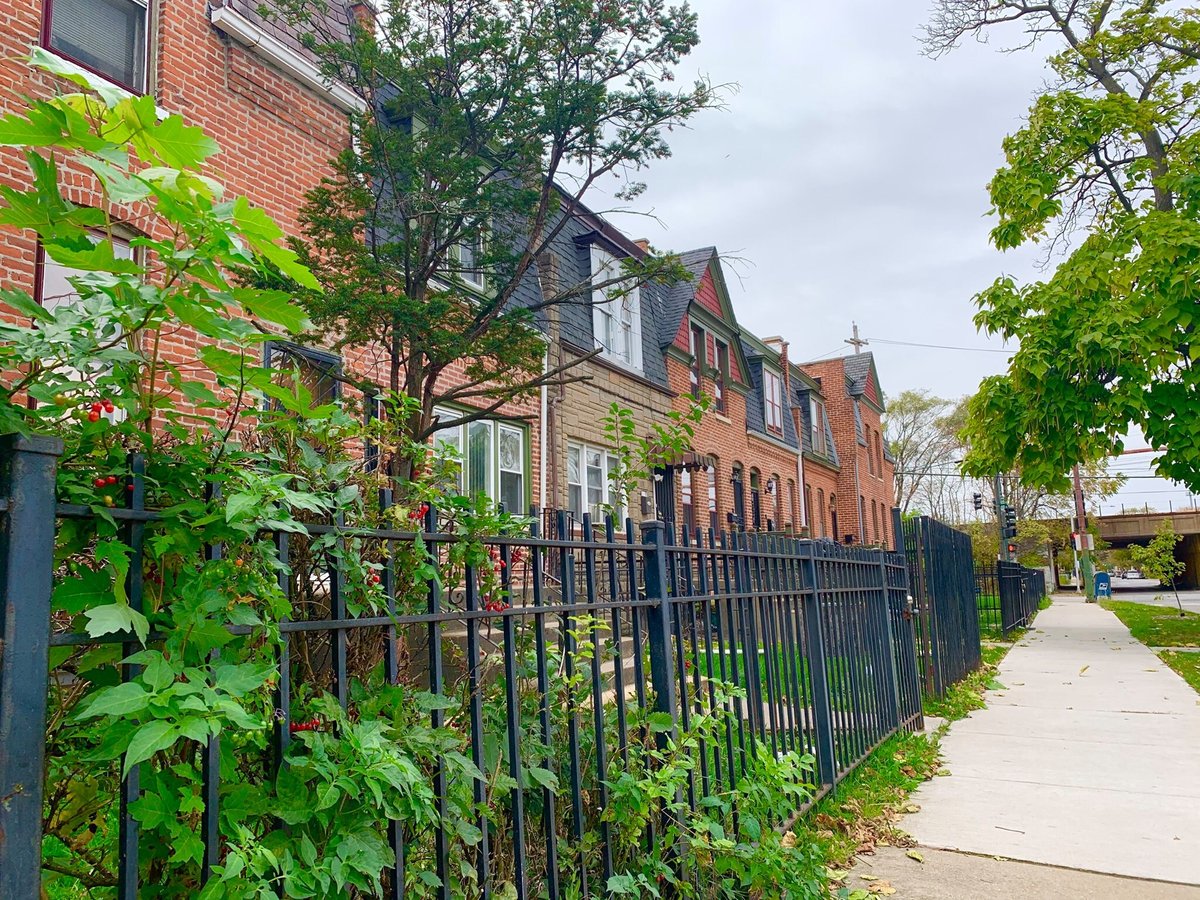
The Ridge Historic District, established in 1976, encompasses 99th Street and features over 3,000 buildings showcasing Italianate, Queen Anne, Prairie School, and Chicago Bungalow designs. The district’s winding streets follow the Blue Island Ridge, contrasting with Chicago’s typical grid layout.
Longwood Drive Historic District
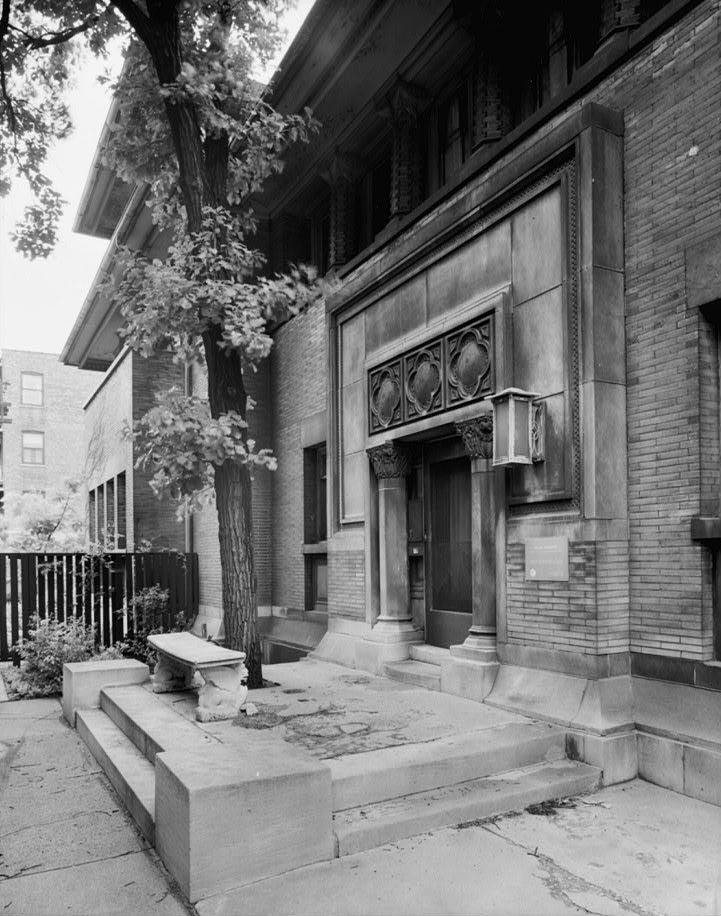
Running from 9800 to 11000 S. Longwood Drive (and 10400–10700 S. Seeley Ave.), this landmark district includes homes by iconic architects such as Frank Lloyd Wright, Walter Burley Griffin, George W. Maher, Daniel Burnham, and Howard Van Doren Shaw (Globalphile).
Frank Lloyd Wright Homes
- William and Jessie Adams House (9326 S. Pleasant Ave.): An early Prairie School example, landmarked and viewable from the street.
- Raymond W. Evans House (9914 S. Longwood Dr.): A striking hilltop Prairie School home.
- Howard Hyde House (10541 S. Hoyne Ave.): Part of Wright’s “American System-Built Homes.”
- Guy C. Smith House (10410 S. Hoyne Ave.): Another System-Built model.
Note: These residences are private and can be viewed from public sidewalks only.
Other Key Sites
- Givins Beverly Castle Chicago’s only castle, open for occasional tours (Chicago Architecture Foundation).
- Beverly/Morgan Park Railroad Station Historic District Featuring the 99th Street Metra station and historic commuter rail stations (Trains.com).
- Ridge Historical Society Located at the Graver-Driscoll House (10621 S. Seeley Ave.), preserving neighborhood history.
Visitor Information: Hours, Tickets, Accessibility, and Tours
- Visiting Hours Outdoor sites and parks are open daily. Shops typically operate 10 AM–6 PM, with extended hours during events. Some historic interiors are accessible by appointment or during special events.
- Tickets Most attractions are free; guided tours (such as those offered by the Chicago Architecture Center) may require advance ticket purchase.
- Accessibility The area is pedestrian- and wheelchair-friendly, though some historic homes may have limited accessibility.
- Guided Tours Seasonal walking tours are available via the Ridge Historical Society and BAPA. The Beverly Art Walk and neighborhood events also offer unique access to local venues.
Dining, Parks, and Local Experiences
Food and Drink
- Horse Thief Hollow Restaurant & Brewery 10426 S. Western Ave. Microbrewery and gastropub, open daily (Chicago Tribune).
- Open Outcry Brewing Company 10934 S. Western Ave. Rooftop beer garden and brewpub.
- Two Mile Coffee Bar 9907 S. Walden Parkway and 1766 W. 95th Street.
- Fontano’s Subs & Calabria Imports: Classic Italian delis nearby.
- Wild Blossom Meadery & Winery 9030 S. Hermitage Ave. Known for unique meads.
- Cork & Kerry 10614 S. Western Ave. Irish pub with beer garden.
Parks and Green Spaces
- Dan Ryan Woods 275-acre forest preserve just west of 99th Street, featuring trails, picnic areas, and scenic views.
- Multiple smaller parks (Barnard, Ridge, Hurley, Graver, Munroe, Ridge Wetlands, King-Lockhart) are accessible for recreation.
Practical Travel Tips
- Getting There Take the Metra Rock Island District line to the 99th Street–Beverly Hills station. Buses and street parking are available.
- Exploring Walking and cycling are recommended for experiencing the area’s architecture and natural beauty (Choose Chicago).
- Photography Capture scenic views from Blue Island Ridge, historic homes, and bustling Walden Parkway boutiques.
- Events Check the Chicago event calendar for seasonal festivals, art walks, and parades.
Frequently Asked Questions (FAQ)
Q: Are there entrance fees for 99th Street attractions?
A: Most outdoor sites and parks are free. Some guided tours or special events may charge admission.
Q: Can I tour the Frank Lloyd Wright homes?
A: These are private residences, not open for public tours, but can be admired from the sidewalk.
Q: Is 99th Street accessible by public transit?
A: Yes, the 99th Street Metra station offers direct service to downtown Chicago.
Q: What are the best times to visit?
A: Spring through fall is ideal for outdoor activities and events.
Q: Is the neighborhood family-friendly and safe?
A: Yes, Beverly is known for its welcoming atmosphere, low crime rates, and community events.