
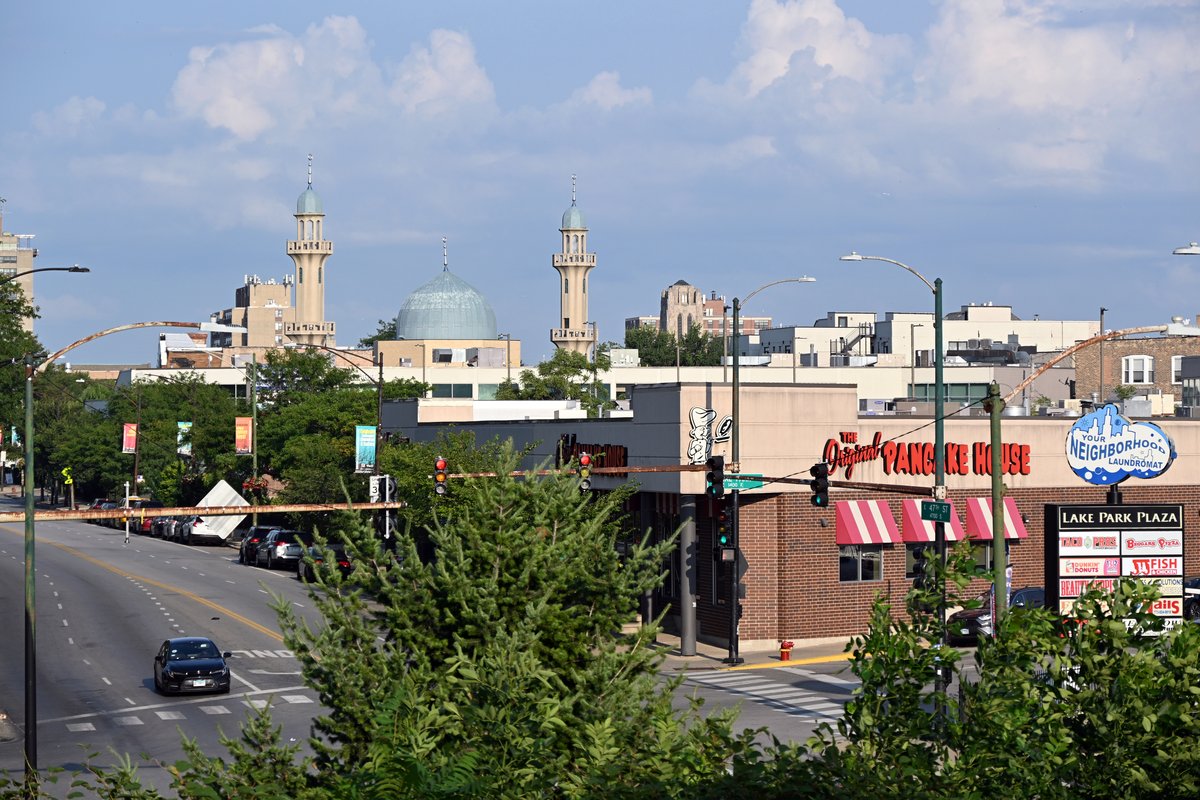
About 47th Street and Kenwood
Situated on Chicago’s South Side, the historic 47th Street corridor in Kenwood is known for its architecture, cultural landmarks, and African American heritage. Once called the “Lake Forest of the South Side,” Kenwood developed from a 19th-century suburban enclave for Chicago’s elite into a diverse community reflecting the city’s social and cultural evolution (Chicago Beautiful).
Kenwood is an open neighborhood, accessible year-round. The corridor and its surroundings include architectural styles such as Italianate, Queen Anne, Prairie School, Art Deco, Colonial Revival, Romanesque Revival, and Beaux-Arts. Its cultural landmarks include the DuSable Museum of African American History and the former Regal Theater site, associated with the area’s history during the Great Migration.
History
Kenwood developed between the late 1850s and 1880s, attracting industrialists and civic leaders including Martin Ryerson and Julius Rosenwald (Chicago Beautiful). Spacious lots and grand homes helped establish its reputation as an affluent district. Architects associated with the area include George Maher and Frank Lloyd Wright (City of Chicago Landmarks).
Designated a Chicago Landmark in 1979, the Kenwood District reflects the neighborhood’s transition from an affluent 19th-century enclave to a diverse, culturally significant urban community (City of Chicago Landmarks). Notable architectural examples include Romanesque Revival row houses and the Italianate C.S. Bouton House. Kenwood is also associated with Earl B. Dickerson and the Obama family’s Georgian Revival mansion.
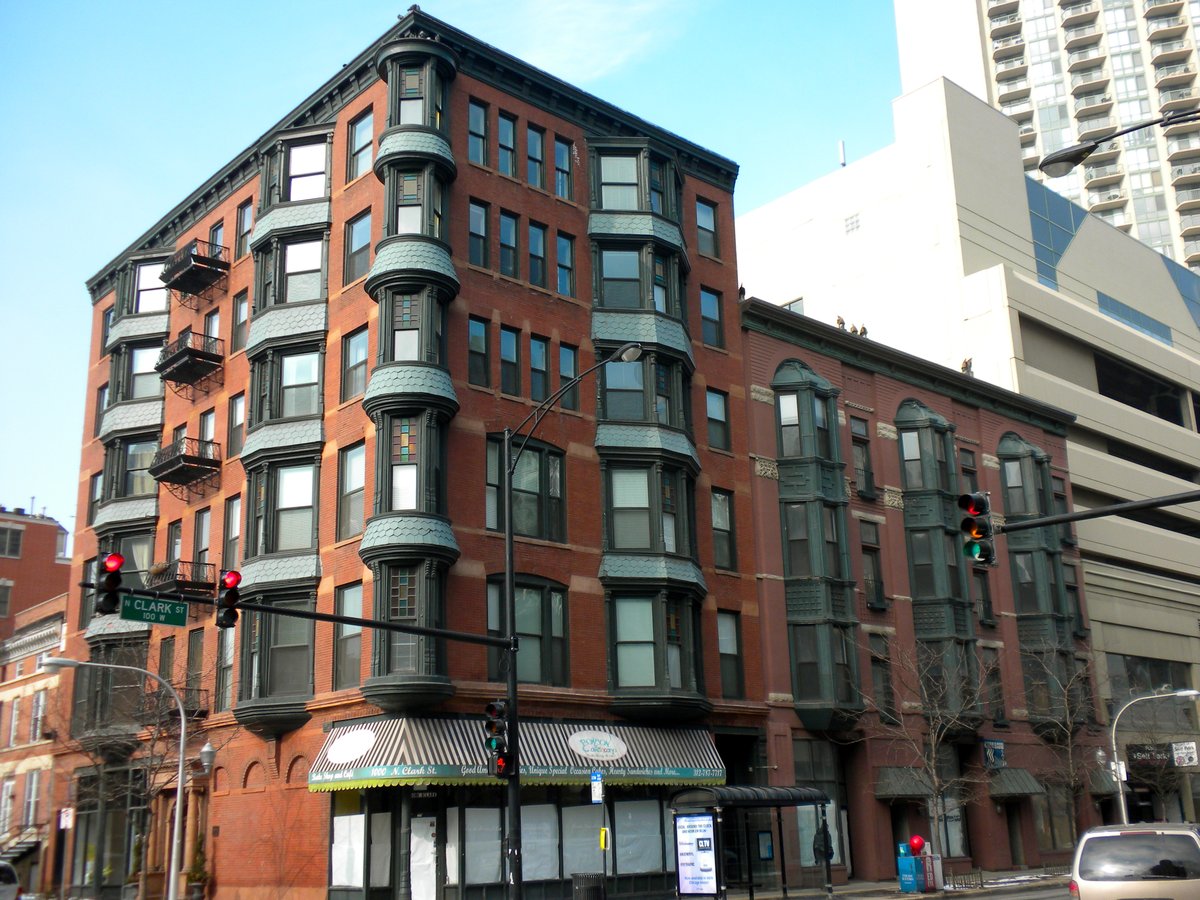
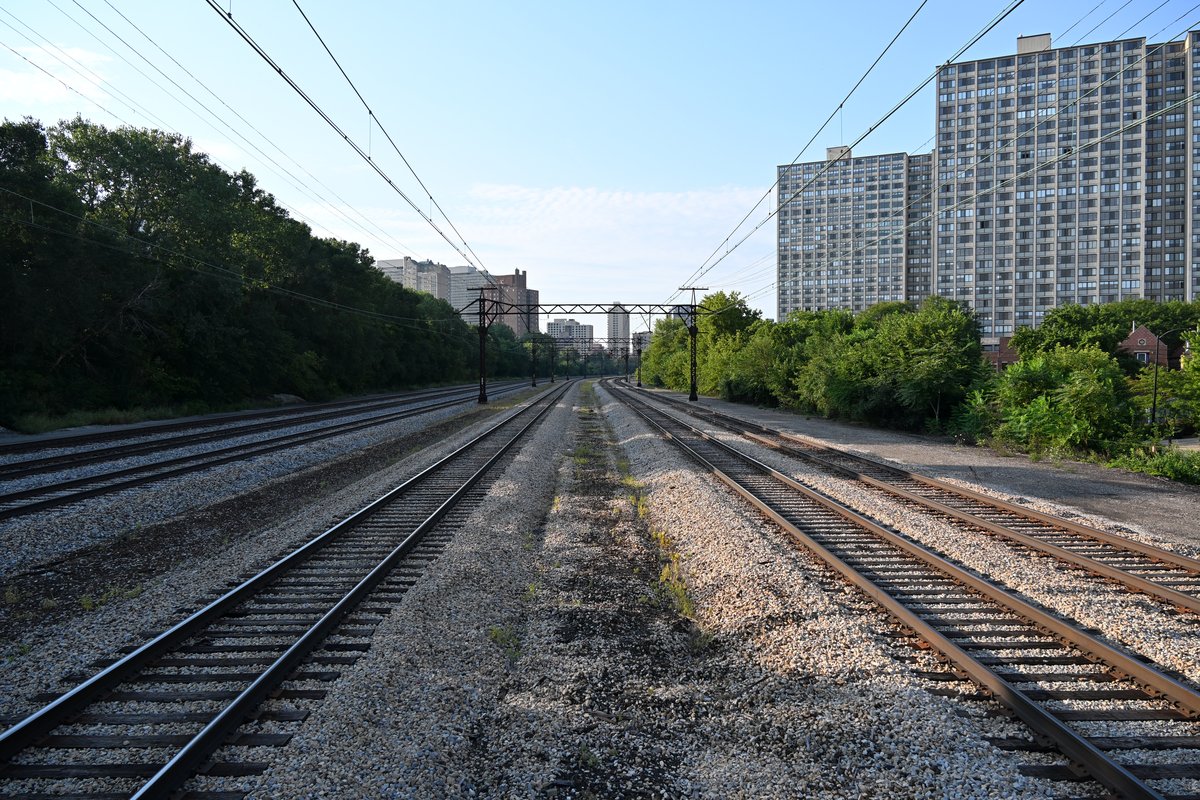
Historically, 47th Street was a commercial and cultural artery lined with retail, theaters, and community spaces. The opening of the “L” rapid transit in 1907 contributed to its development (Evaluating Urban Places). Walk-up apartments and Art Deco buildings east of the tracks marked Kenwood’s urban evolution (Chicago Beautiful).
The former Regal Theater at 47th Street and Martin Luther King Drive was once a center of Black cultural life during the Great Migration. Its legacy is now honored through the Harold Washington Cultural Center’s ongoing arts programming.
Kenwood later weathered population decline and economic challenges during the era of redlining, and many grand homes were subdivided or altered. Preservation efforts since the late 1970s have helped protect the district’s architectural heritage, while recent redevelopment has revitalized the area (Evaluating Urban Places). Today, Kenwood and 47th Street are home to a diverse community with a strong Black middle class, restaurants, boutiques, salons, gyms, and access to Hyde Park’s cultural offerings (Ellington Elite Realty).
What to See
Architecture and historic sites
- Rosenwald Court Apartments At 46–78 E. 47th Street, the complex was formerly known as the Michigan Boulevard Garden Apartments. Commissioned by Julius Rosenwald, it provided affordable housing during an era of discrimination and is recognized as a Chicago Landmark (Rosenwald Court Apartments PDF). It is residential, so visitors can view the exterior from public areas during daylight. Guided tours are occasionally available; check local resources for updates.
- Blackstone Library Opened in 1904, this community library is known for its Beaux-Arts architecture and public programming (Chicago Beautiful). Admission is free. Hours are Tuesday–Saturday, 10 AM–6 PM (Chicago Public Library).
- Hyde Park Arts Center A short distance from 47th Street, the center offers exhibitions, classes, and community events (Evaluating Urban Places). It is open Wednesday–Saturday. Admission is free, though some events require tickets.
- Religious landmarks Kenwood’s historic religious sites include Kenwood United Church of Christ, in the Gothic Revival style, and KAM Isaiah Israel, in the Byzantine style (Exotic Places to Travel).
DuSable Museum of African American History
Founded in 1961 and named after Jean Baptiste Point du Sable, the DuSable Museum preserves and presents African American history, art, and culture (DuSable Museum Official).
Hours and tickets
- Tuesday–Saturday: 10 AM–5 PM
- Sunday: 12 PM–5 PM
- Closed Mondays and major holidays
- Tickets: $10 for adults, $8 for seniors and students, and free for children under 12
- Group discounts are available. Tickets can be purchased online or at the entrance.
The museum hosts lectures, workshops, and guided tours; check its website for the latest schedule. It is fully wheelchair accessible.
Parks and cultural programming
East of 47th Street, Burnham Park is a lakefront green space with trails, picnic areas, and a beach. Nichols Park offers additional recreation south of 47th Street.
Kenwood’s cultural programming includes performances at the Harold Washington Cultural Center, neighborhood festivals, seasonal house tours, and art exhibitions. Check local event listings for current programming.
Practical Visiting Information
Kenwood’s streets and sidewalks are open to visitors throughout the year, and there is no admission fee to visit the neighborhood. Most historic homes are private residences, but their exteriors can be viewed from public sidewalks. Paved sidewalks and ramps make the area wheelchair accessible.
Street parking is available on residential streets, but parking is limited; public transportation is recommended (Moovit).
Public transportation to the DuSable Museum
- CTA Green Line 47th Street station, a 9-minute walk
- Metra Electric District 47th St. (Kenwood) station, a 1-minute walk
- CTA buses Routes 6, 28, and 47 stop nearby (Moovit)
- Transit stations have ramps and elevators.
Organizations offer periodic guided and self-guided walking tours focused on Kenwood’s architecture and civil rights history. The Chicago Architecture Foundation and local heritage groups provide seasonal tours; virtual options are available through city preservation websites. Virtual tours, interactive maps, and photo galleries of Kenwood’s architecture and landmarks are also available on preservation and tourism websites. The Audiala app is suggested for guided tours and current event listings.
Further information
- Chicago Beautiful: Kenwood
- City of Chicago Landmarks: Kenwood District
- Exotic Places to Travel: Exploring Kenwood and 47th Street Chicago
- DuSable Museum of African American History
- Moovit: 47th Street Kenwood Public Transit
- Choose Chicago: Attractions and Events
- Evaluating Urban Places: Kenwood Success Story
- Ellington Elite Realty: North Kenwood Neighborhood
- Chicago Public Library: Blackstone Branch
Visitor Tips
- Take a guided or self-guided walking tour to appreciate Kenwood’s architectural diversity (Chicago Beautiful).
- Explore Drexel Boulevard and the areas between 45th and 50th Streets (City of Chicago Landmarks).
- Check for festivals and performances, especially in summer and fall.
- Use CTA buses and trains for convenient access (Midwest Explored).
- Visit during daylight and be aware of your surroundings (Evaluating Urban Places).
Nearby Places
Kenwood’s proximity to Hyde Park provides access to the Museum of Science and Industry, Smart Museum of Art, and Robie House (Exotic Places to Travel; Choose Chicago). Dining options along 47th Street and in Hyde Park include a range of cuisines reflecting the area’s diversity.
Frequently Asked Questions
Are there admission fees to visit Kenwood?
No. The neighborhood is public, though some tours and events may require tickets.
Are guided tours available?
Yes. The Chicago Architecture Foundation and local organizations offer tours.
Is the area accessible by public transit?
Yes. It is served by CTA buses, the Green Line, and the Metra Electric District.
What are the best times to visit?
Spring through fall offers pleasant weather and events.
Are the historic homes open to the public?
Most are private residences; their exteriors can be viewed from the street.