Introduction
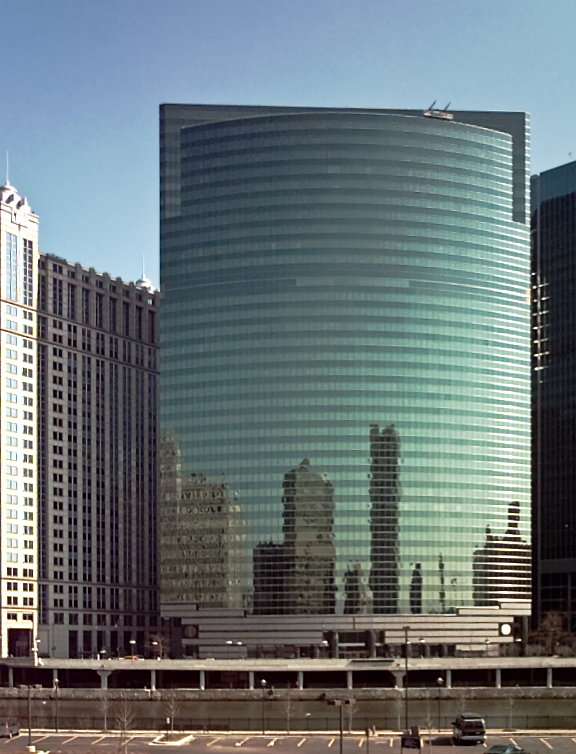
Situated at a dramatic bend along the Chicago River, 333 Wacker Drive is a celebrated landmark and a striking example of postmodern architecture. Designed by Kohn Pedersen Fox Associates and completed in 1983, its iconic curved green glass façade reflects both the river’s contours and the city’s dynamic urban fabric. While the building serves primarily as an office tower with limited interior public access, its exterior and riverside setting provide a rich experience for architecture enthusiasts, photographers, and visitors eager to discover Chicago’s cultural heritage.
This guide presents everything you need for your visit: transportation and accessibility details, architectural highlights, practical visitor tips, and recommendations for nearby attractions—including the Chicago Riverwalk, Millennium Park, and the Chicago Architecture Center. Whether you’re a film buff drawn to its cinematic legacy or a traveler seeking the best riverfront views, this resource ensures you make the most of your time at 333 Wacker Drive.
For further details and architectural insights, consult the Kohn Pedersen Fox official project page and the Chicago Architecture Center.
Welcome to 333 Wacker Drive: A Must-See Chicago Landmark
333 Wacker Drive’s signature curved façade and prime riverfront location make it one of Chicago’s most photographed and admired buildings. Whether you’re exploring the city’s architectural legacy or seeking the perfect skyline view, this guide covers all the essentials for your visit.
Quick Facts About 333 Wacker Drive
- Address: 333 Wacker Drive, Chicago, IL
- Completion: 1983
- Architect: Kohn Pedersen Fox Associates (KPF)
- Stories: 36
- Floor Area: Approximately 1 million square feet
Visiting 333 Wacker Drive
Visiting Hours and Access
333 Wacker Drive is an office building, so public access to the interior is restricted. The exterior—including the adjacent Riverwalk—is freely accessible year-round from dawn to dusk. The best times to visit for photography and architectural appreciation are during daylight, especially in the morning or late afternoon for dynamic light reflections.
- Riverwalk Access: Open daily, dawn to dusk
- Lobby Access: Restricted to tenants and authorized visitors
Tickets and Guided Tours
There are no public interior tours of 333 Wacker Drive. However, many Chicago architecture river cruises and walking tours highlight the building and discuss its design and significance. For an immersive experience, book a Chicago River Architecture Tour, where 333 Wacker Drive is a featured stop.
Getting There and Accessibility
Location and Transportation
Located in the Loop, 333 Wacker Drive is easily reached by public transit, car, or on foot:
- CTA Train: Closest stops include Washington/Wells (Brown, Orange, Pink, Purple lines), State/Lake (Red, Green, Brown, Pink, Purple lines), Clark/Lake, and Merchandise Mart stations
- Bus: Multiple lines serve Wacker Drive and State Street
- Driving: Limited parking nearby—public transit or ride-sharing is recommended due to high demand and cost
Accessibility
The Riverwalk and sidewalks around 333 Wacker Drive are wheelchair accessible with ramps and elevators, offering barrier-free enjoyment of the building’s exterior and the riverfront.
Architectural Highlights
Curved Glass Façade
The sweeping blue-green glass exterior mirrors the river’s bend, creating a harmonious dialogue between the building and its natural surroundings. This design not only enhances the visual appeal but also exemplifies site-responsive architecture.
Integration with the City Grid
While the river-facing façade follows the water’s curve, the southern elevation aligns precisely with Chicago’s street grid, symbolizing a seamless connection between nature and urban order.
Postmodern Design Elements
The structure incorporates a strong granite and marble base, with a tripartite composition (base, shaft, capital) reminiscent of Chicago’s early skyscrapers. Its innovative use of reflective materials and curves set a precedent for future architectural projects in the city (Kohn Pedersen Fox official project page).
Nearby Attractions and Amenities
- Chicago Riverwalk: A hub for dining, public art, and river cruises
- Chicago Theatre: Historic venue for shows and events
- Millennium Park: Home to Cloud Gate (“The Bean”) and the Jay Pritzker Pavilion
- Chicago Architecture Center: Exhibits and tours for architecture enthusiasts
- Merchandise Mart, Civic Opera House, Willis Tower Skydeck: All within walking distance
Frequently Asked Questions (FAQ)
Q: Can I enter the building?
A: Interior access is restricted; the exterior and Riverwalk are open to visitors.
Q: Are guided tours available?
A: No interior tours, but river cruises and walking tours include 333 Wacker Drive.
Q: Is the area wheelchair accessible?
A: Yes, the Riverwalk and adjacent sidewalks are accessible.
Q: What’s the best time for photography?
A: Late afternoon and sunset provide optimal lighting for the glass façade.
333 Wacker Drive: Architectural Icon and Cultural Landmark
Significance in Chicago’s Skyline
333 Wacker Drive is recognized globally for its innovative form and integration with the cityscape, earning a spot on the Council on Tall Buildings and Urban Habitat’s list of the 50 most influential tall buildings of the last 50 years (KPF News). Its reflective façade serves as a living canvas for Chicago’s changing light and weather, making it a favorite for artists and photographers.
Cinematic and Popular Culture Significance
The building features prominently in the film “Ferris Bueller’s Day Off” and other productions, symbolizing the modern vibrancy of downtown Chicago. Its silhouette is often used in postcards, travel guides, and city branding (Time Out Chicago).
Role in Architecture Tours and Education
333 Wacker Drive is highlighted in Chicago Architecture Center river cruises and educational programs that explore modern urban planning and site-responsive design (Choose Chicago).
Community and Cultural Events
Located along the Riverwalk, the building is a backdrop for public art installations, festivals, and citywide celebrations like the Chicago River Dyeing for St. Patrick’s Day and the Chicago Architecture Biennial. The surrounding area is lively with restaurants and seasonal activities.
Visiting 333 Wacker Drive: Practical Tips
- Public Transit: Use CTA trains/buses for easy access; driving is possible but parking is limited (Chicago Transit Authority)
- Riverwalk Experience: Relax on benches, enjoy outdoor dining, and capture stunning photos from the Franklin-Orleans Street Bridge
- Safety: The Loop and Riverwalk are safe and well-patrolled; remain aware of your surroundings, especially after dark (Timeless Travel Steps)
- Weather: Dress in layers—Chicago weather can change quickly
Exploring Millennium Park and Nearby Attractions
Millennium Park
Just a 10-minute walk from 333 Wacker Drive, Millennium Park is a hub for public art, music, and architecture. Highlights include Cloud Gate, the Crown Fountain, and Jay Pritzker Pavilion. The park is open daily from 6:00 AM to 11:00 PM, and admission is free (Official Millennium Park Website).
More Attractions
- Art Institute of Chicago: World-class art museum
- Chicago Riverwalk: Scenic strolls, boat tours, and riverside dining
- Skydeck Chicago at Willis Tower: Panoramic city views
- Magnificent Mile: Shopping, dining, and historic architecture
- Family-Friendly Destinations: Navy Pier, Shedd Aquarium, and Maggie Daley Park
Visitor Tips
- Use public transit for convenience
- Visit in spring through fall for outdoor events
- Enjoy annual festivals like the Chicago Blues Festival and the St. Patrick’s Day River Dyeing
Visuals and Interactive Elements
- Photography: Capture the building’s curved façade from the Riverwalk and Franklin-Orleans Street Bridge
- Maps: Use interactive maps to navigate the riverfront, find CTA stations, and nearby attractions
- Virtual Tours: Explore online resources for virtual experiences
Discover More
333 Wacker Drive is a masterful blend of architectural innovation and urban integration, standing as an icon on Chicago’s riverfront. While interior access is restricted, the surrounding Riverwalk, river cruises, and nearby attractions provide ample opportunities to engage with the building’s legacy. Plan your visit for daylight hours, consider booking a river architecture cruise, and explore the area’s vibrant dining and cultural offerings.
For more insider tips and up-to-date event information, download the Audiala app and consult authoritative sources like the Chicago Architecture Center and Kohn Pedersen Fox.
Listen to the full story in the app
Your Personal Curator, in Your Pocket.
Audio guides for 1,100+ cities across 96 countries. History, stories, and local insight — offline ready.
Audiala App
Available on iOS & Android
Join 50k+ Curators
Sources
- verified
- verified
- verified
- verified
- verified
Last reviewed: