The Pullman Legacy: A Living Cultural Landmark
The Birth of a Model Industrial Community
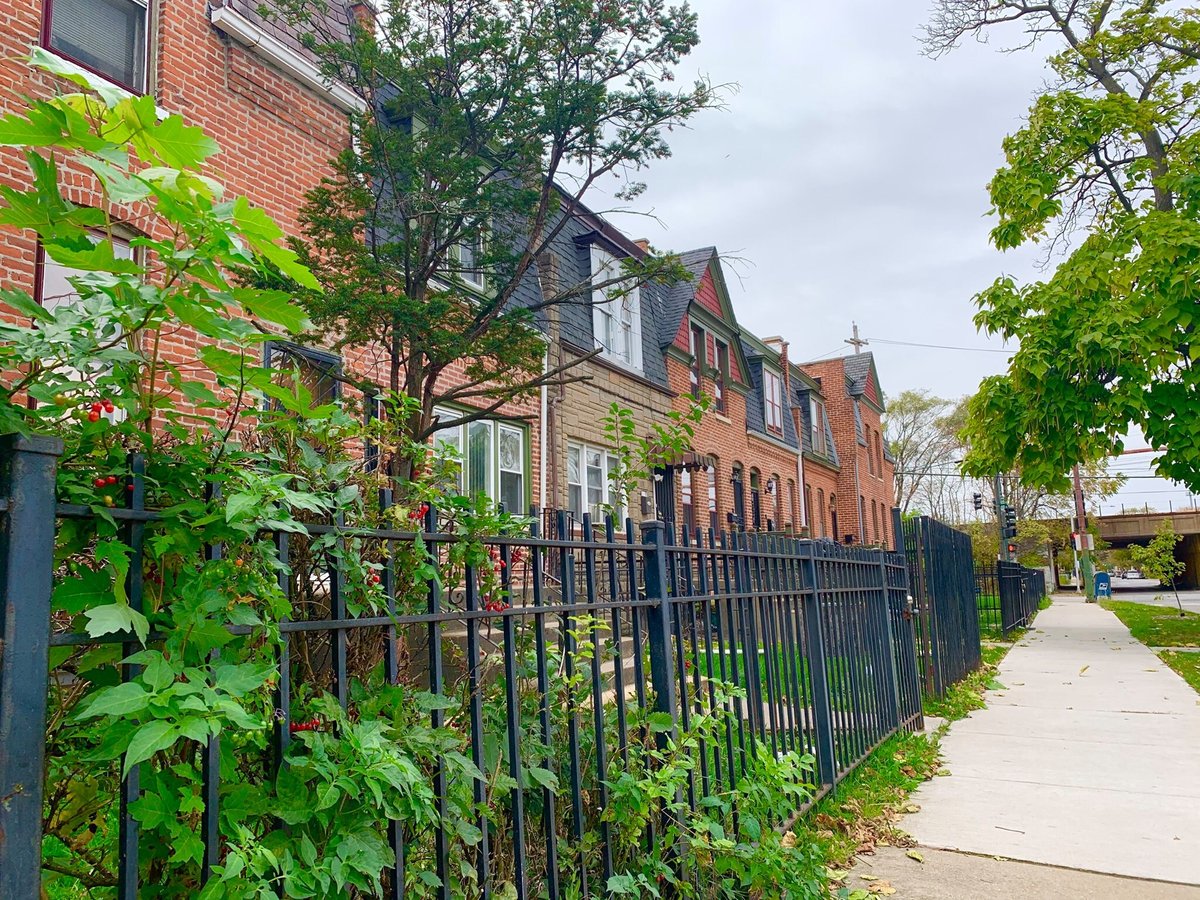
111th Street in Pullman is a living example of ambitious social planning. Conceived in the 1880s by George Pullman, president of the Pullman Palace Car Company, the neighborhood was designed as a utopian town for workers, complete with dignified housing, green spaces, and modern amenities—unusual luxuries for the time (Choose Chicago). The street itself was home to executive residences, with a clear hierarchy reflected in the architecture as one moves south.
Pullman and the Labor Movement
The Pullman neighborhood is inseparable from American labor history. Economic hardship in 1893 led to wage cuts without reductions in rent, sparking the historic 1894 Pullman Strike. This event catalyzed the growth of organized labor and shaped national policy (Choose Chicago). The legacy of the Pullman porters—African American men who worked on luxury railcars—also endures, particularly through the Brotherhood of Sleeping Car Porters, the first Black union chartered by the American Federation of Labor. The A. Philip Randolph Pullman Porter Museum on 111th Street honors these contributions.
Architectural and Urban Heritage
Pullman’s 111th Street showcases late 19th-century urban planning. The street’s rowhouses and executive mansions, surrounded by green spaces, illustrate the social structure of the company town. Notable landmarks include the Greenstone Church, the Florence Hotel, and the restored clock tower that now houses the Pullman National Historical Park Visitor Center (Choose Chicago).
Visitor Information: Hours, Tickets, and Accessibility
Visiting Hours
- Visitor Center Open daily, 9:00 AM–5:00 PM (winter hours: 9:00 AM–4:30 PM). Closed Thanksgiving, Christmas, and New Year’s Day (Beyond My Door).
- Park Grounds Open dawn to dusk.
- Exhibit Hall Located at 614 E. 113th Street, with rotating and permanent exhibits.
Check the official National Park Service site for updates or seasonal changes.
Tickets and Admission
- Admission to the park and Visitor Center is free.
- Some special events and guided tours (e.g., Historic Pullman House Tour, Pullman Railroad Days) require tickets, which can be purchased online at the Historic Pullman Foundation or at the Visitor Center.
- Discounts are available for seniors, students, and children under 12.
Accessibility
- The Visitor Center and major attractions are wheelchair accessible.
- Audio description devices are available upon request.
- Accessible restrooms and handicap parking are located at the Visitor Center.
- For specific needs, contact the park or Historic Pullman Foundation ahead of your visit.
Transportation
- Metra Electric Line The 111th Street/Pullman Metra Electric Station offers direct rail access from downtown Chicago (Pullman IL).
- CTA Buses Several routes serve the Pullman area.
- By Car Take I-94 south to exit 66 (111th Street). Free parking is available at the Visitor Center and on nearby streets (Beyond My Door).
- By Bike Bike racks are available near the Visitor Center.
Annual Events and Community Traditions
111th Street is at the heart of Pullman’s vibrant annual events:
- Historic Pullman House Tour Each October, visitors tour landmark homes, experiencing the area’s architectural diversity (Historic Pullman Foundation).
- Pullman Railroad Days Held in early June, this festival offers access to historic railcars, model train exhibits, guided tours, entertainment, food vendors, and family activities (Pullman IL, I&M Canal, Illinois Labor History).
- Community Cookouts and Festivals Ongoing events foster neighborhood engagement and welcome visitors.
Living History and Community Engagement
Pullman’s cultural significance is alive and evolving. The Historic Pullman Foundation and the Pullman Civic Organization offer educational programs, preservation initiatives, and neighborhood events. Pullman’s designation as a National Monument in 2015 elevated its status as a center for history, attracting visitors worldwide (Choose Chicago). Community engagement remains strong through open houses, walking tours, and collaborative projects (Pullman Newsroom).
Frequently Asked Questions (FAQ)
What are the park’s visiting hours?
Visitor Center is open daily, 9:00 AM–5:00 PM (winter: 9:00 AM–4:30 PM). Park grounds are open dawn to dusk.
Is there an admission fee?
General admission is free. Some special events and tours require tickets.
Where can I buy tickets for tours/events?
Tickets are available online via the Historic Pullman Foundation or at the Visitor Center.
Is Pullman accessible by public transport?
Yes. Take the Metra Electric Line to 111th Street/Pullman Station.
Is the park wheelchair accessible?
Most major sites are accessible. Some historic buildings have limited access. Contact the park ahead for details.
Is parking available?
Free parking is at the Visitor Center and adjacent streets, but fills quickly during weekends/events.
Are pets allowed?
Pets are welcome but must be leashed and follow park rules.
When is Pullman Railroad Days?
Annually in early June. Check Historic Pullman Foundation for dates and tickets.
Essential Visitor Tips
- Best Time to Visit Late spring to early fall for optimal weather and programming. Weekdays are quieter.
- What to Bring Comfortable shoes, water, snacks, and a camera.
- Safety Respect the residential community; follow park rules and be aware of surroundings, especially after dark (Full Suitcase).
- Family and Groups Free admission for kids under 12 during ticketed events. Group rates available (Choose Chicago).
Tours and Experiences
- Self-Guided Walking Tours Brochures available at the Exhibit Hall (Pullman IL). Interpretive signage provides context throughout the neighborhood.
- Guided Tours First Sunday Walking Tours (May–October), specialty themed tours, and group/school tours are available (Pullman IL).
- Exhibits The Exhibit Hall at 614 E. 113th Street and the Administration-Clock Tower Building feature detailed displays and interactive experiences.
Nearby Attractions
- Roseland Neighborhood Explore additional South Side history.
- Calumet Fisheries A historic local eatery.
- In-Park Experiences Arcade Park, public murals, and restored rowhouses.