Introduction
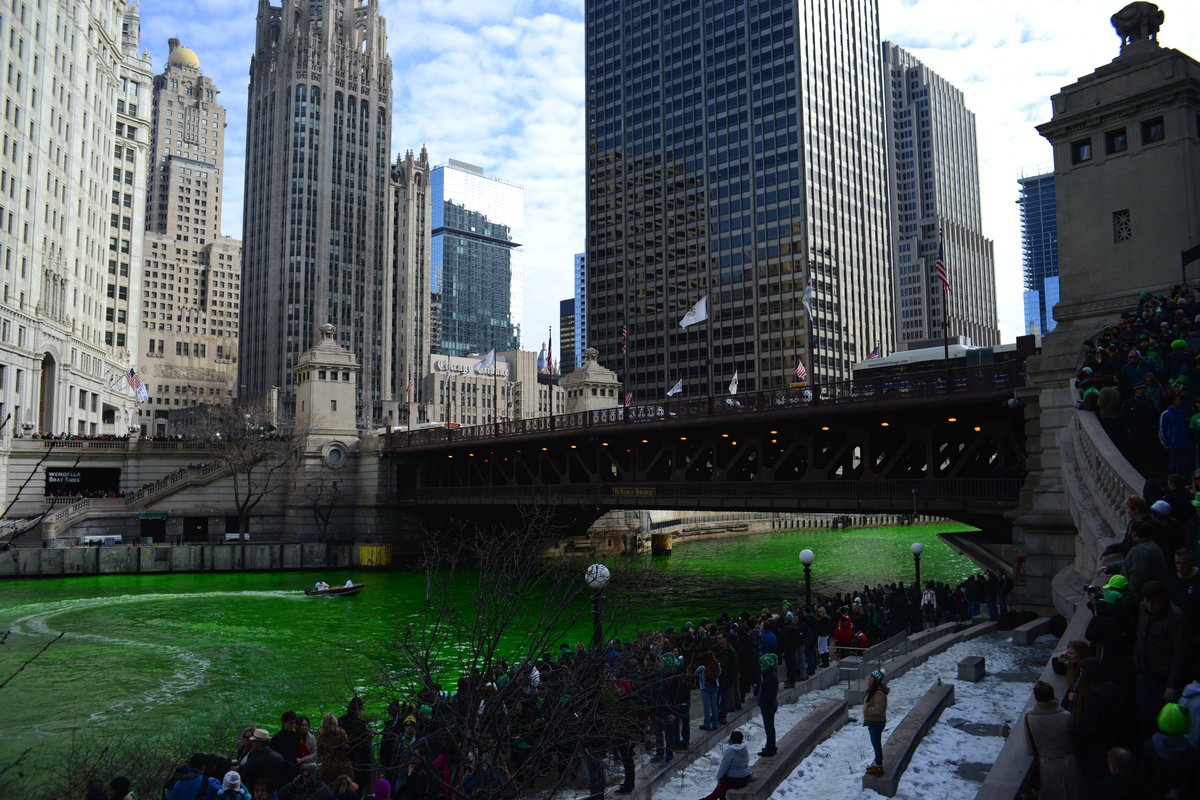
The first time the Chicago River smells like chocolate, you understand the city runs on its own rules. That scent drifts from the Blommer factory near the Loop while the river itself glows electric green on St. Patrick's Day, a Midwestern practical joke played at monumental scale. This is where America first learned to build tall and think bigger, yet the same place still slows down for a proper Italian beef sandwich eaten standing up.
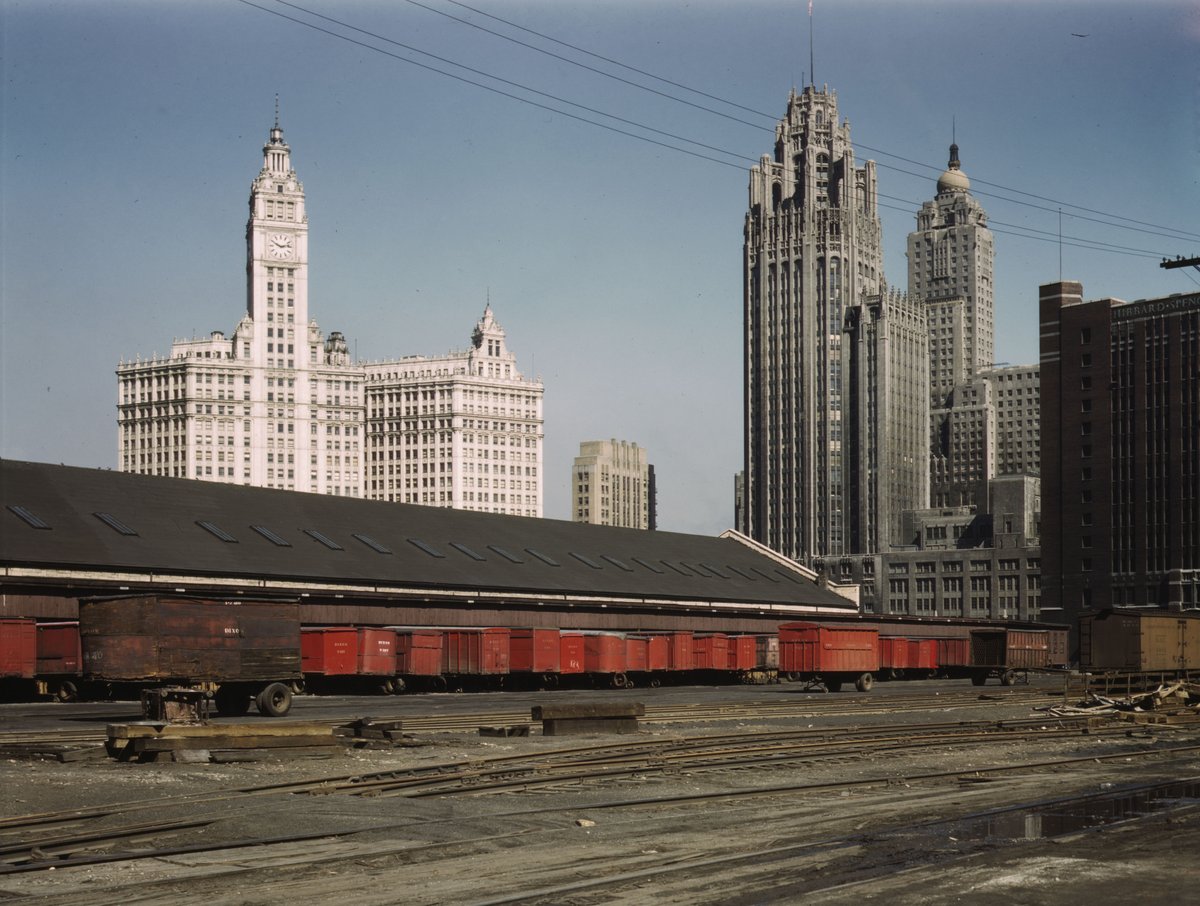
The 1871 fire cleared the slate. What rose afterward changed how every city on earth looks today. Steel frames, elevators, and plate-glass windows announced themselves in the Rookery, the Monadnock, and Louis Sullivan's iron-laced Carson Pirie Scott. Frank Lloyd Wright arrived in 1887, absorbed those lessons, then quietly rewrote domestic architecture in Hyde Park with the 1906 Robie House. The buildings still argue with one another in the Loop. Listen long enough and you start hearing the conversation.
Chicago refuses to be just one thing. Blues howls from Kingston Mines until 4 a.m. while improv comics at The Second City tear down whatever just happened onstage. The same resident who quotes Mies van der Rohe on a Tuesday will spend Saturday kayaking the river then arguing about whether Lou Malnati's or Pequod's makes the superior deep-dish. That stubborn mix of sophistication and Midwestern directness is the real local dialect.
And yet the surprises keep coming. A cemetery filled with dead architects. An indoor lily pool designed like a Japanese garden tucked inside Lincoln Park. The sudden understanding, halfway across the Ledge at Willis Tower, that the flat grid stretching to the horizon was all built by people who once stared at ashes.
Places to Visit
The Most Interesting Places in Chicago
Field Museum of Natural History
The Field Museum of Natural History, located at 1400 S.
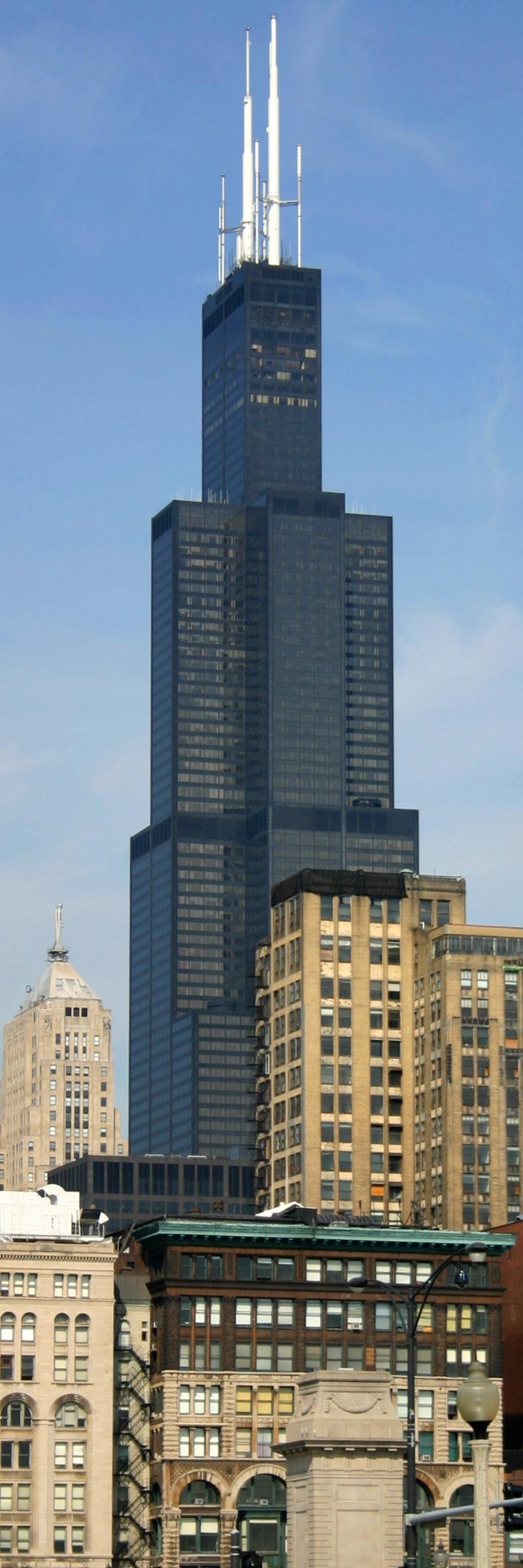
Willis Tower
Skydeck Chicago, located on the 103rd floor of the Willis Tower (formerly known as the Sears Tower), is a must-visit destination for anyone traveling to…
Near North Side
The Chicago Riverwalk is a vibrant and pedestrian-friendly path that meanders through the heart of Chicago, showcasing the city's stunning transformation from…
Lincoln Park Zoo
Lincoln Park Zoo, nestled in the heart of Chicago, Illinois, is one of North America's oldest and most cherished zoological institutions.
875 North Michigan Avenue
875 North Michigan Avenue, formerly known as the John Hancock Center, stands as one of Chicago's most iconic landmarks.
Grant Park
East Balbo Drive in Chicago is not just a road; it is a historical and cultural landmark that offers a rich tapestry of experiences for visitors.
Trump International Hotel and Tower
The Trump International Hotel and Tower Chicago stands as a spectacular architectural icon in the heart of Chicago’s bustling urban landscape.
Comiskey Park
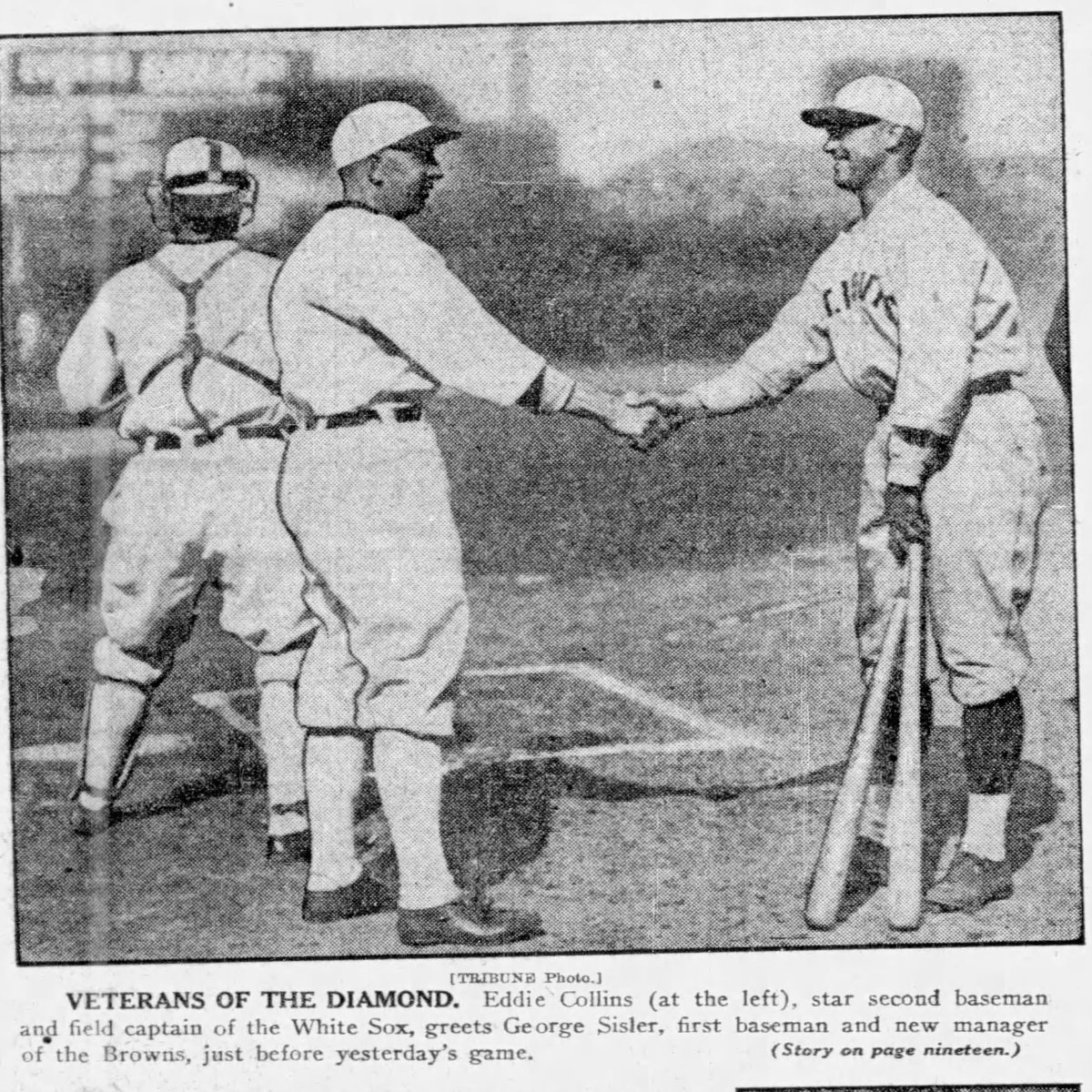
Nestled in the vibrant South Side of Chicago, Comiskey Park stands as a cornerstone of American baseball history and cultural heritage.
Museum of Science and Industry
The Griffin Museum of Science and Industry in Chicago is not just another science museum; it represents a remarkable journey of evolution, adaptation, and…
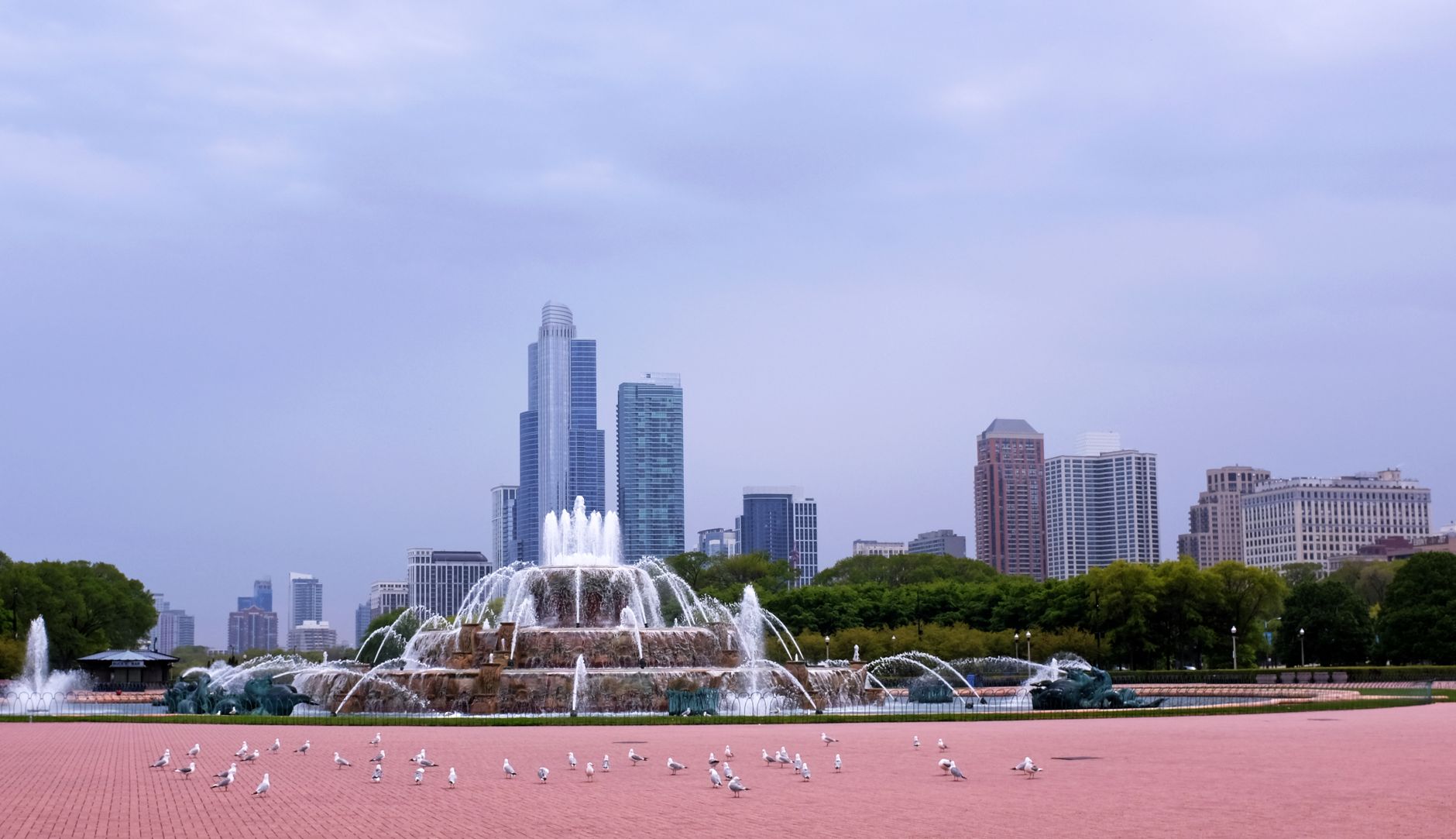
Buckingham Fountain
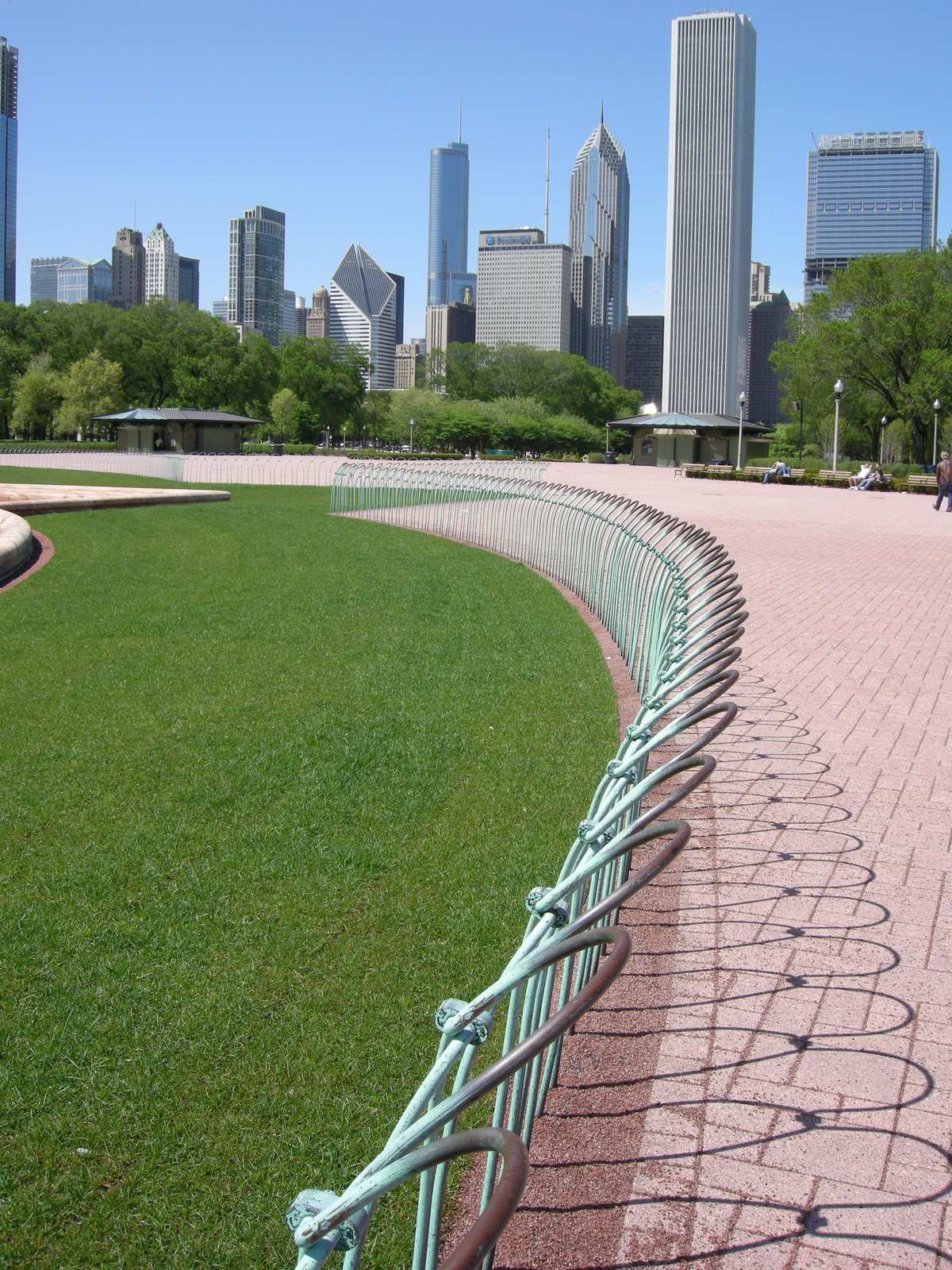
Buckingham Fountain, located in the heart of Grant Park, Chicago, is one of the city's most iconic landmarks.
Two Prudential Plaza
Two Prudential Plaza stands as a towering testament to Chicago's dynamic architectural heritage and urban vitality, captivating visitors with its distinctive…
Museum of Contemporary Art, Chicago
Welcome to the Museum of Contemporary Art Chicago (MCA), a beacon of modern and contemporary art since its doors opened in 1967.
What Makes This City Special
Birthplace of the Skyscraper
The Loop still carries the DNA of 1880s steel-frame innovation. Stand in the Rookery's light court, redesigned by Frank Lloyd Wright in 1905, and watch how afternoon light drops six storeys through iron and glass. These buildings didn't just recover from the 1871 fire; they rewrote what a city could be.
After-Hours Blues
Chicago's blues clubs refuse to romanticize the past. At Buddy Guy’s Legends you can hear a local band tear through a set at 1 a.m. while the man himself sometimes steps onstage unannounced. The sound is raw, the room is half-full, and nobody claps just because the solo is loud.
Lakefront Secrets
The 18-mile Lakefront Trail lets you escape the skyline in minutes. Early morning at the Alfred Caldwell Lily Pool in Lincoln Park smells of wet stone and ferns; the only noise is water trickling over rocks designed in 1936. Few tourists ever find it.
Cemetery of Architects
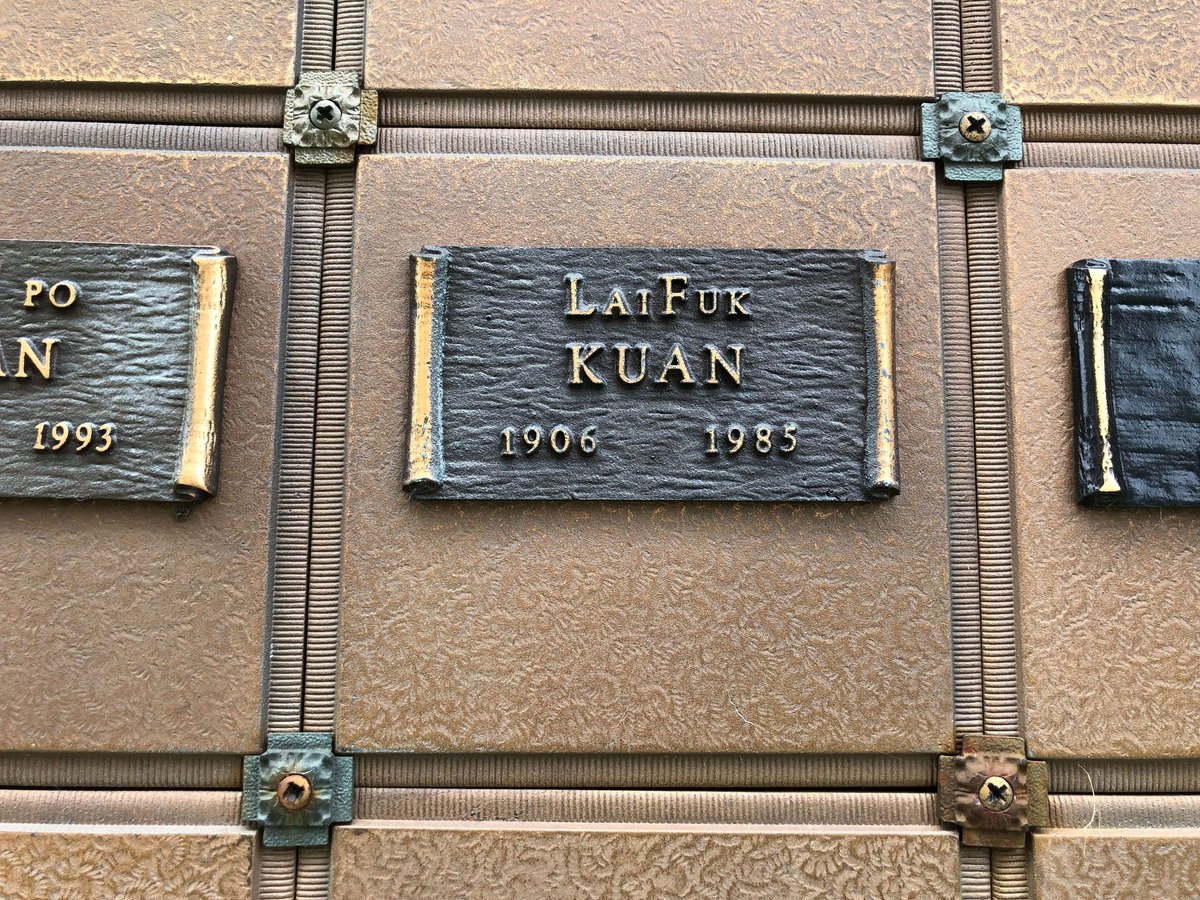
Graceland Cemetery is where Sullivan, Burnham, and Mies van der Rohe lie under modest stones. Walk the grounds on a quiet Tuesday and you’ll spot their graves within sight of each other. The city they built surrounds them; they never left.
Historical Timeline
Fire, Steel, and Reinvention
From swampy trading post to architectural laboratory of the modern world
The Name First Appears
French Jesuit Pierre Charlevoix wrote the word "Chicagou" in his report. The name came from the wild onions that grew thick along the marshy riverbanks. Their smell lingered in the air long after the plants were crushed underfoot. This small linguistic marker would eventually label one of the most ambitious cities ever built.
DuSable Builds the First House
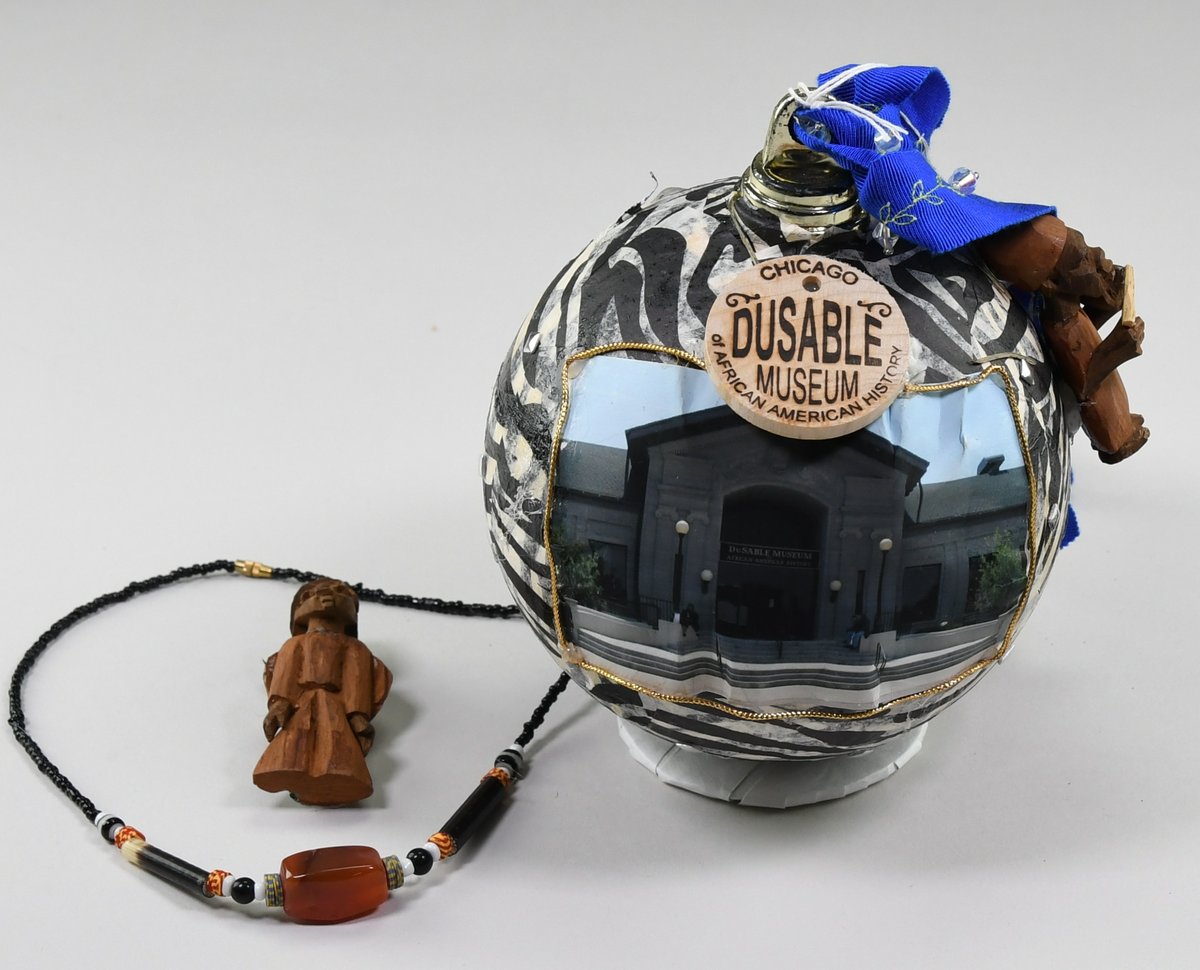
Jean Baptiste Point DuSable, a Black trader from Haiti, erected a cabin on the north bank of the Chicago River. He ran a trading post, married a Potawatomi woman, and lived among both Indigenous people and Europeans. The settlement smelled of smoked fish and cured hides. Historians now credit him as Chicago's first permanent resident.
The Town of Chicago Is Born
With 350 residents the settlement officially incorporated as a town. The Potawatomi had just signed away millions of acres in the Treaty of Chicago. Wooden shacks replaced bark lodges almost overnight. The smell of fresh-cut pine mixed with the river's onion stink.
City Charter Signed
Chicago received its official city charter. The population had already exploded to over 4,000. Speculators bought and sold land so quickly that auctions sometimes lasted until dawn. Everyone believed the future had already been priced in.
The Great Fire Devours the City
On October 8 a lantern tipped in a barn on DeKoven Street. Within 48 hours one-third of Chicago lay in ashes. Flames raced through wooden sidewalks faster than a man could run. 300,000 people lost their homes. The smell of charred pine hung over the ruins for weeks.
Skyscraper Revolution Begins
Architects William Le Baron Jenney and others started using steel frames instead of load-bearing masonry. The Home Insurance Building rose ten stories on LaSalle Street. Suddenly buildings could climb higher than anyone had imagined. The Loop began its transformation into a forest of steel and glass.
World's Columbian Exposition
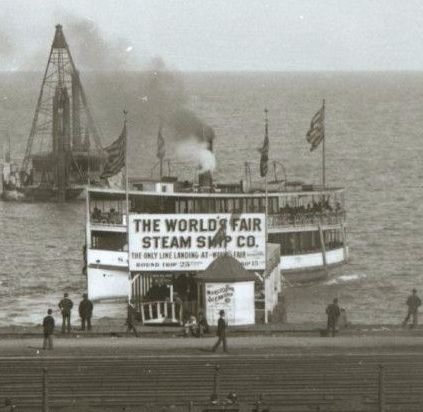
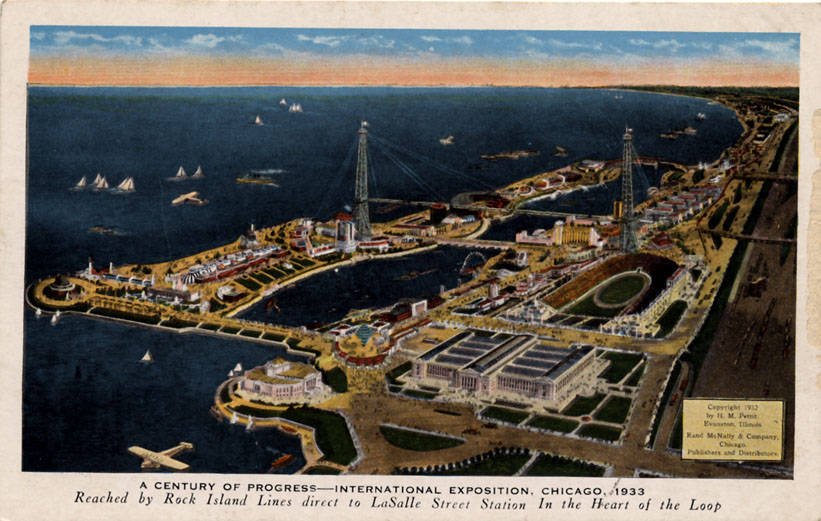
The White City rose in Jackson Park. 27 million visitors walked its broad avenues lit by electric lights. The fair introduced the Ferris wheel, Cracker Jacks, and the idea that Chicago could rival any city on Earth. Most of the plaster palaces burned or crumbled within a year.
Pullman Strike Shakes America
Eugene Debs led 250,000 rail workers off the job after George Pullman's company cut wages but not rents in its model town. Federal troops arrived. Bloodshed followed. The strike became a defining moment in American labor history. Chicago's reputation as a city of both visionaries and radicals was cemented.
Wright Perfects Prairie Style
Frank Lloyd Wright completed the Robie House in Hyde Park. Its long horizontal lines hugged the flat Midwestern land like nothing before it. Inside, light poured through art glass windows onto open floor plans. The house still feels radical more than a century later.
Eastland Disaster Claims 844 Lives
The excursion steamer Eastland rolled over at its Clark Street dock while still tied to the pier. Passengers, many Western Electric employees and their families, were thrown into the river or trapped below deck. The bodies were laid out along the quay. Chicago mourned quietly but never forgot.
Great Migration Reshapes South Side
Black Southerners arrived by the trainload seeking factory jobs and freedom from Jim Crow. They settled in Bronzeville. The population of Chicago's Black community grew from 44,000 in 1910 to over 230,000 by 1930. New churches, businesses, and jazz clubs appeared almost weekly.
Richard Wright Captures Bronzeville
Richard Wright published stories that would become Native Son while living on Chicago's South Side. He walked the same streets his characters would later haunt. The novel's rage and claustrophobia came straight from the tenements and elevated trains he knew by heart.
Fermi's Pile Goes Critical
Beneath the stands of the University of Chicago's football field, Enrico Fermi's team achieved the world's first controlled nuclear chain reaction. The pile was built of graphite bricks and uranium. A single cadmium rod prevented catastrophe. The atomic age began 20 feet underground in Hyde Park.
Richard J. Daley Takes Power
Richard J. Daley was elected mayor and would rule for 21 years. He built highways, skyscrapers, and political machines with equal vigor. The city avoided the worst of Rust Belt decline while earning a reputation for iron-fisted control. Love him or hate him, he reshaped Chicago more than any single person since the fire.
Convention Chaos and King Riots
Police clashed with anti-war protesters outside the Democratic National Convention. Smoke from West Side fires set after Martin Luther King's assassination still hung in the air weeks earlier. The whole world watched Chicago come apart on television. The city has been arguing about what happened that summer ever since.
Sears Tower Claims the Sky
The 1,450-foot Sears Tower opened in the Loop. For nearly 25 years it was the tallest building on Earth. Office workers on upper floors sometimes felt the structure sway in high winds. Tourists now pay to stand on The Ledge, a glass box jutting out 1,353 feet above South Wacker Drive.
Oprah Moves Her Show to Chicago
Oprah Winfrey relocated her talk show from Baltimore to a studio on West Washington Street. Within years she built a media empire from Chicago soil. The Harpo Studios complex became a pilgrimage site. Her success story, rooted in the city's South Side, became as famous as any skyline.
Millennium Park Finally Opens
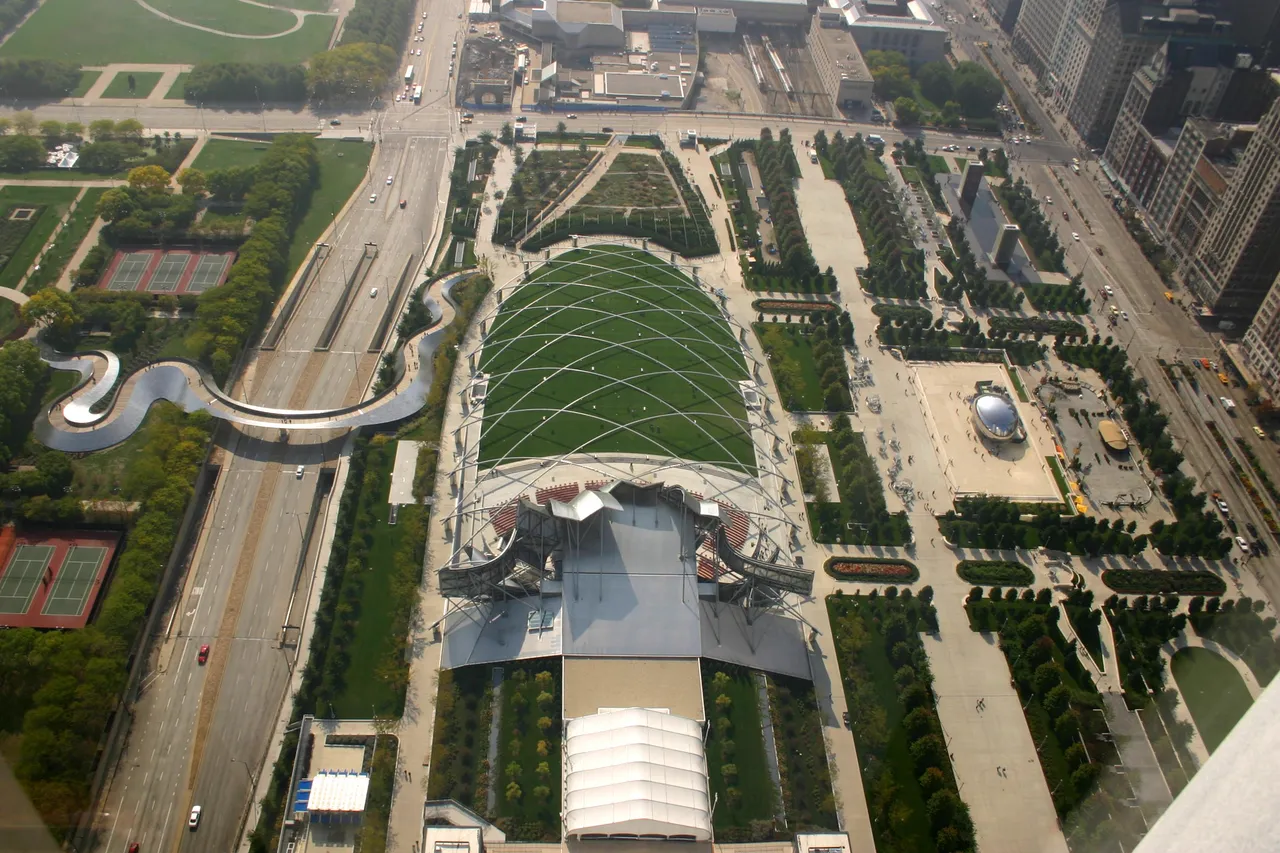
After years of delays and cost overruns, Millennium Park opened. Anish Kapoor's Cloud Gate, instantly dubbed "The Bean," reflected the skyline in its polished steel skin. Frank Gehry's Pritzker Pavilion brought jagged metal to the park. Chicago finally had a front yard worthy of its architectural reputation.
Obama's Victory Speech in Grant Park
On a cold November night, Barack Obama stood before 240,000 people in Grant Park and declared victory. The former South Side community organizer had risen further than anyone thought possible. Tears froze on faces in the crowd. For one electric evening the city felt like the center of the world.
Brandon Johnson Elected Mayor
Progressive Brandon Johnson defeated the incumbent in a runoff. His victory signaled another shift in a city long defined by machine politics. The former teacher and union organizer promised to tackle inequality head-on. Chicago continues its pattern of dramatic reinvention.
Notable Figures
Louis Sullivan
1856–1924 · ArchitectSullivan pushed the Carson Pirie Scott building’s ironwork so far that the ground floor still looks like it’s melting in the best possible way. He called skyscrapers “proud and soaring” and meant it literally. Standing under the Rookery’s light court he redesigned, you can almost hear him explaining why ornament wasn’t decoration but structure made visible.
Frank Lloyd Wright
1867–1959 · ArchitectWright arrived broke at 20 and left Chicago with a completely new idea of how houses should sit on the prairie. The Robie House in Hyde Park still feels like it’s growing out of the ground rather than sitting on it. He would smirk at the glass towers that followed, then probably demand to redesign their lobbies.
Enrico Fermi
1901–1954 · PhysicistUnder the stands of the old Stagg Field, Fermi and his team built a pile of graphite and uranium that went critical on December 2, 1942. The city kept growing around that quiet moment that changed the world. Today students walk past the site on their way to classes, rarely realizing the ground beneath them once held the future.
Michelle Obama
born 1964 · Author & Former First LadyMichelle Robinson grew up in a small apartment on the South Side, went to Princeton, then returned to organize communities blocks from where she was raised. The city’s mix of grit and possibility still runs through everything she writes. She’d probably tell you the best Italian beef is still on the South Side and that you’re missing it if you only stay downtown.
Plan your visit
Practical guides for Chicago — pick the format that matches your trip.
Chicago Money-Saving Passes & Cards
Chicago pass guide with current prices, real break-even math, CTA transit advice, and the catches that make CityPASS, Go City, or Ventra worth it or not.
Chicago First-Time Visitor Tips From a Local
Honest first-timer guide to Chicago: queue hacks for MSI and 360 Chicago, free museum days, CTA vs taxi math, scams on the Mag Mile, tipping rules.
Photo Gallery
Explore Chicago in Pictures
A striking black and white perspective of Chicago's iconic skyline, blending historic architecture with modern skyscrapers along the river.
Yusuf Mahammed on Pexels · Pexels License
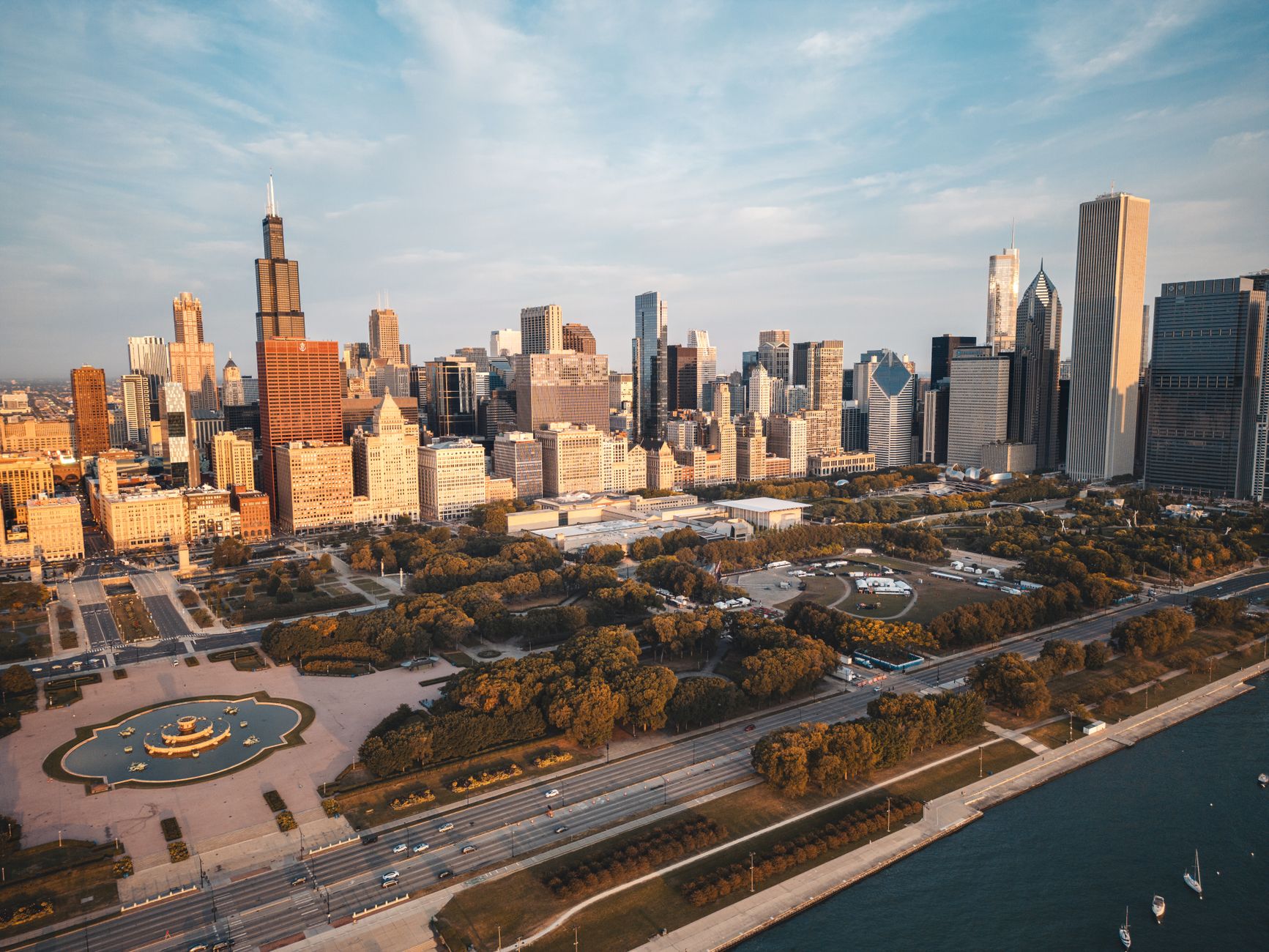
A stunning aerial view of Chicago, United States of America, capturing the iconic skyline, Grant Park, and the historic Buckingham Fountain bathed in golden hour light.
Willian Justen de Vasconcellos on Pexels · Pexels License
A striking juxtaposition of Chicago's diverse architectural styles, where a modern concrete structure frames the ornate, historic dome of a classic skyscraper.
Roy Serafin on Pexels · Pexels License
A picturesque view of the Chicago River, showcasing the blend of historic and modern architecture alongside the bustling riverwalk in the United States of America.
Dominik Gryzbon on Pexels · Pexels License
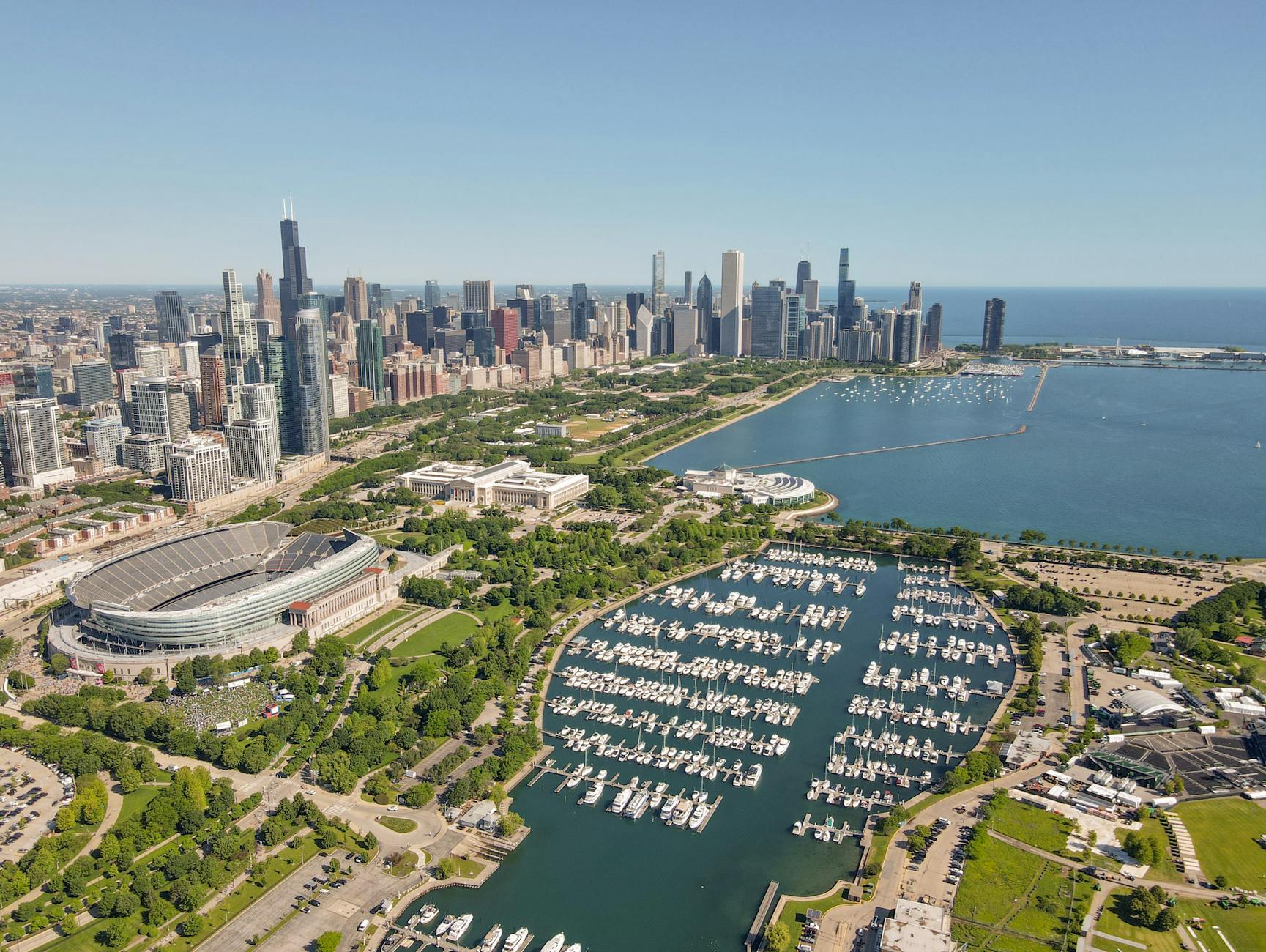
An expansive aerial perspective of Chicago, United States of America, showcasing the iconic downtown architecture, Soldier Field, and the bustling Burnham Harbor.
Urvish Oza on Pexels · Pexels License
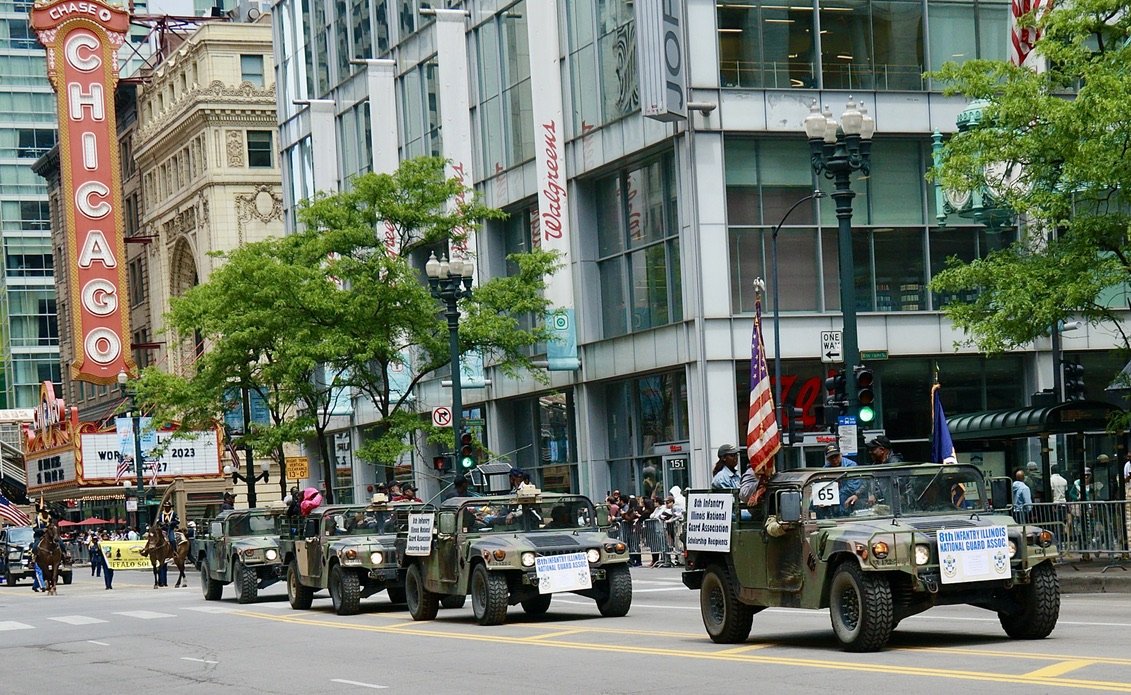
The historic Chicago Theatre marquee stands prominently next to a classic subway entrance in the heart of Chicago, United States of America.
Bahadir Caya on Pexels · Pexels License
A striking low-angle perspective of Chicago's diverse architectural landscape, featuring the prominent Trump International Hotel and Tower.
Ally Code on Pexels · Pexels License
A stunning aerial perspective of the Chicago skyline, highlighting the iconic Trump Tower and the winding Chicago River on a clear, sunny day.
Kelly on Pexels · Pexels License
The iconic Chicago skyline shines under a cloudy sky, showcasing the famous Navy Pier Ferris wheel and bustling waterfront.
Pixabay on Pexels · Pexels License
A high-angle perspective of Chicago, featuring the contrast between the city's historic architecture and modern high-rise developments under a cloudy sky.
Otto Rascon on Pexels · Pexels License
A pedestrian walks along the snow-covered Chicago Riverwalk with the historic Wells Street Bridge and iconic skyline in the background.
Samuel Traxler on Pexels · Pexels License
The Chicago River flows beneath the historic red LaSalle Street Bridge, framed by the city's impressive architectural skyline and a bustling riverwalk.
Dominik Gryzbon on Pexels · Pexels License
Practical Information
Getting There
O’Hare International (ORD) sits 17 miles northwest; the Blue Line train reaches The Loop in 40–45 minutes for $5. Midway (MDW) is closer for domestic flights and connects via the Orange Line in 25 minutes. Amtrak arrives at Union Station on Canal Street; I-90 and I-55 deliver drivers straight into the city core.
Getting Around
The CTA “L” runs eight color-coded lines with 145 stations. In 2026 a Ventra card or contactless tap covers trains, buses, and allows two free transfers within two hours. The Lakefront Trail offers 18 protected miles for cycling; Divvy bikes are everywhere. Water taxis on the Chicago River remain the smartest way to reach Museum Campus in summer.
Climate & Best Time
Spring (April–May) brings 55–70 °F days and light rain. Summers hit 80–85 °F with heavy lake-effect storms. Autumn (mid-September–October) delivers crisp 55–65 °F air and far fewer crowds. Winters average 20–35 °F with regular snow; January and February are cheapest but brutally cold. Visit in late September for the sweet spot.
Safety
The Loop, River North, and North Side lakefront are safe for visitors during daylight and into the evening. On the CTA, stay alert, keep valuables secure, and avoid falling asleep. Police maintain visible presence on trains and platforms. Standard city awareness is enough; the headlines rarely match daily reality on tourist routes.
Where to Eat
Don't Leave Without Trying
Gino's East
local favoriteOrder: The deep-dish pizza with sausage — this is the real deal, not a tourist trap. Gino's has been slinging iconic Chicago pizza since 1943, and the crispy-yet-buttery crust with that perfect char is what locals actually crave.
Gino's is a Chicago institution where deep-dish pizza was perfected. This is where you go to understand why Chicagoans are obsessed with their pizza — it's the gold standard.
Quartino Ristorante
local favoriteOrder: Order family-style — the burrata, the house-made pastas, and whatever specials they're running. The energy here is electric, and sharing is the whole point.
Quartino captures the essence of Roman trattorias with its lively, convivial atmosphere and impeccable Italian ingredients. It's the kind of place where you lose track of time and money because you're too busy enjoying yourself.
The Purple Pig Restaurant
local favoriteOrder: The charcuterie board is a masterclass in curation, and the pasta dishes are consistently excellent. Don't skip the natural wine list — it's thoughtfully curated.
The Purple Pig is where Chicago's food-forward crowd comes for sophisticated Mediterranean fare without pretension. The location overlooking Michigan Avenue is stunning, but it's the food that keeps people coming back.
RPM Italian
local favoriteOrder: The handmade pasta is exceptional — try the tagliatelle or whatever special is running. The cocktails are equally stellar if you're starting with a drink.
RPM Italian elevates casual Italian dining with impeccable technique and locally-sourced ingredients. It's the kind of neighborhood spot that happens to be world-class, where you can dress down and still feel like you're eating something special.
Joe's Seafood, Prime Steak & Stone Crab
fine diningOrder: The stone crab claws (in season) are legendary, and the dry-aged steaks are cut perfectly. If you're splurging, the lobster tail is exceptional.
Joe's is old-school Chicago fine dining done right — no gimmicks, just impeccable steaks and seafood in an elegant setting. This is where serious diners go when they want to feel like they're in a classic American steakhouse.
Beatrix
cafeOrder: The breakfast is outstanding — try the avocado toast or the pastries. For lunch, the salads and sandwiches are fresh and inventive. The coffee is solid too.
Beatrix is the kind of all-day cafe that does everything well — breakfast, lunch, coffee, and pastries. It's casual enough for a quick bite but refined enough to linger over a long brunch.
Siena Tavern
local favoriteOrder: The house-made charcuterie and the pasta are standouts. The wine list is Italian-focused and well-curated — ask the staff for recommendations.
Siena Tavern strikes that perfect balance between approachable and sophisticated. It's a neighborhood Italian spot with real depth, where you can have a casual dinner or something more intentional.
La Colombe Coffee Workshop
quick biteOrder: Get a single-origin pour-over and a pastry. La Colombe sources excellent beans and their baristas know what they're doing — this is serious coffee culture.
La Colombe is on Randolph Street, Chicago's restaurant row, and it's the perfect spot to grab world-class coffee before or after exploring the neighborhood. It's where coffee nerds and casual caffeine seekers coexist happily.
Dining Tips
- check Tipping: 18–20% is standard at sit-down restaurants. Always check if service charge is already included on the bill.
- check Reservations: For popular spots, especially in River North and the Loop, book 2–4 weeks in advance via OpenTable or Resy.
- check Payment: Cash and cards are widely accepted. Contactless payment (Apple Pay, Google Pay) is preferred and standard.
- check Meal Times: Breakfast is typically 7:00–10:00 AM, lunch around noon, and dinner 6:00–8:30 PM. Brunch is a major weekend event.
- check Closings: Some independent or high-end spots may close on Mondays or Tuesdays — always verify before heading out.
- check Transportation: Use the Ventra App or a physical Ventra card for all CTA trains and buses to get around the city.
Restaurant data powered by Google
Tips for Visitors
Master the L
Download the Ventra app before you land. Tap your contactless card or phone once and you get two free transfers within two hours—enough to reach the Museum Campus by water taxi then ride back without paying twice.
Winter Strategy
Visit between mid-September and October or April–May. The light on the Bean is sharper, the Riverwalk tables are empty, and you won’t be fighting Lollapalooza crowds or -15 °C wind chills.
Hot Dog Rules
At George’s or Al’s, order the Chicago-style dog with everything—including sport peppers and neon relish. Just never ask for ketchup. The counter staff will correct you before you finish the sentence.
Skip the Passes
Most attractions sell individual tickets cheaper than bundled city passes. Use the two free CTA transfers and buy the $7.50 day pass only on festival days.
Transit Awareness
Keep both ears free on the L after 9 pm. Sit near the center car near the conductor. The system is safer than its reputation, but locals stay alert.
Riverwalk Timing
Kayak or eat on the Riverwalk before 11 am. The afternoon sun bounces off the glass towers so hard the water looks like molten metal.
Explore the city with a personal guide in your pocket
Your Personal Curator, in Your Pocket.
Audio guides for 1,100+ cities across 96 countries. History, stories, and local insight — offline ready.
Audiala App
Available on iOS & Android
Join 50k+ Curators
Frequently Asked
Is Chicago worth visiting? add
Yes, especially if you like cities that feel lived-in rather than polished. The scale of the architecture, the unpretentious Midwestern friendliness, and the fact that you can stand in front of a 110-year-old Louis Sullivan ironwork one minute and eat a proper Italian beef the next make it worth the trip.
How many days do you need in Chicago? add
Four full days lets you cover the Loop architecture, Museum Campus, one North Side neighborhood, and a proper jazz set without rushing. Five days is better if you want to add Graceland Cemetery or a day trip to Indiana Dunes.
How do you get from O'Hare to downtown Chicago? add
Take the Blue Line from the airport station. The train reaches the Loop in 40–45 minutes and costs $5 with the Ventra app. Avoid the taxi queue unless you have six suitcases or it’s 2 am.
Is Chicago safe for tourists in 2026? add
The main tourist areas—the Loop, River North, Lincoln Park, and the Lakefront Trail—are generally safe during daylight and early evening. Use the same awareness you would in any large city. The CTA runs with visible police presence.
When is the best time to visit Chicago? add
Mid-September through October or April–May give you comfortable temperatures, far fewer crowds, and the best light for photographing the Bean and the skyscrapers. Summer festivals are fun but the city gets packed.
Should I rent a car in Chicago? add
No. Parking downtown costs more than most meals and traffic on Lake Shore Drive can crawl. The L, buses, Divvy bikes, and water taxis cover every major sight efficiently.
Sources
- verified Choose Chicago Official Visitor Site — Primary source for attractions, neighborhoods, transport, festivals, and current visitor information.
- verified UNESCO Tentative List - Chicago School of Architecture — Details on early skyscrapers, Frank Lloyd Wright sites, and architectural history including specific building names and dates.
- verified Chicago Transit Authority (CTA) — Official information on the L, Ventra system, airport connections, fares, and safety guidelines.
Last reviewed: