
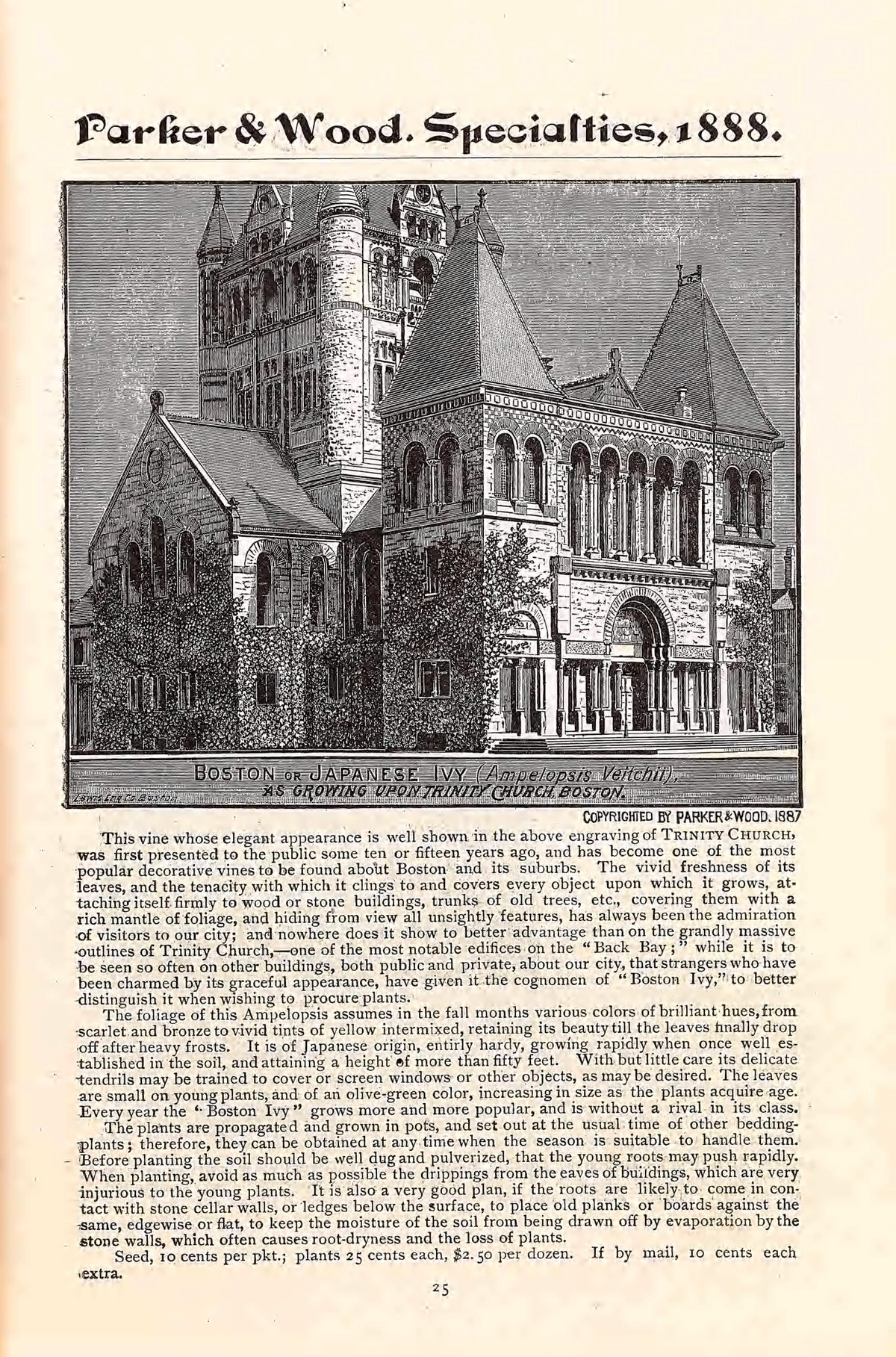
Founding and Early Years (1733–1872)
Trinity Church was founded in 1733 by Boston Anglicans and initially gathered at a wooden church on Summer Street. As Boston prospered, the congregation built a larger stone structure in 1829. That building, however, was lost in the Great Boston Fire of 1872, prompting the parish’s pivotal move to Back Bay.
Architectural Transformation (1872–1877)
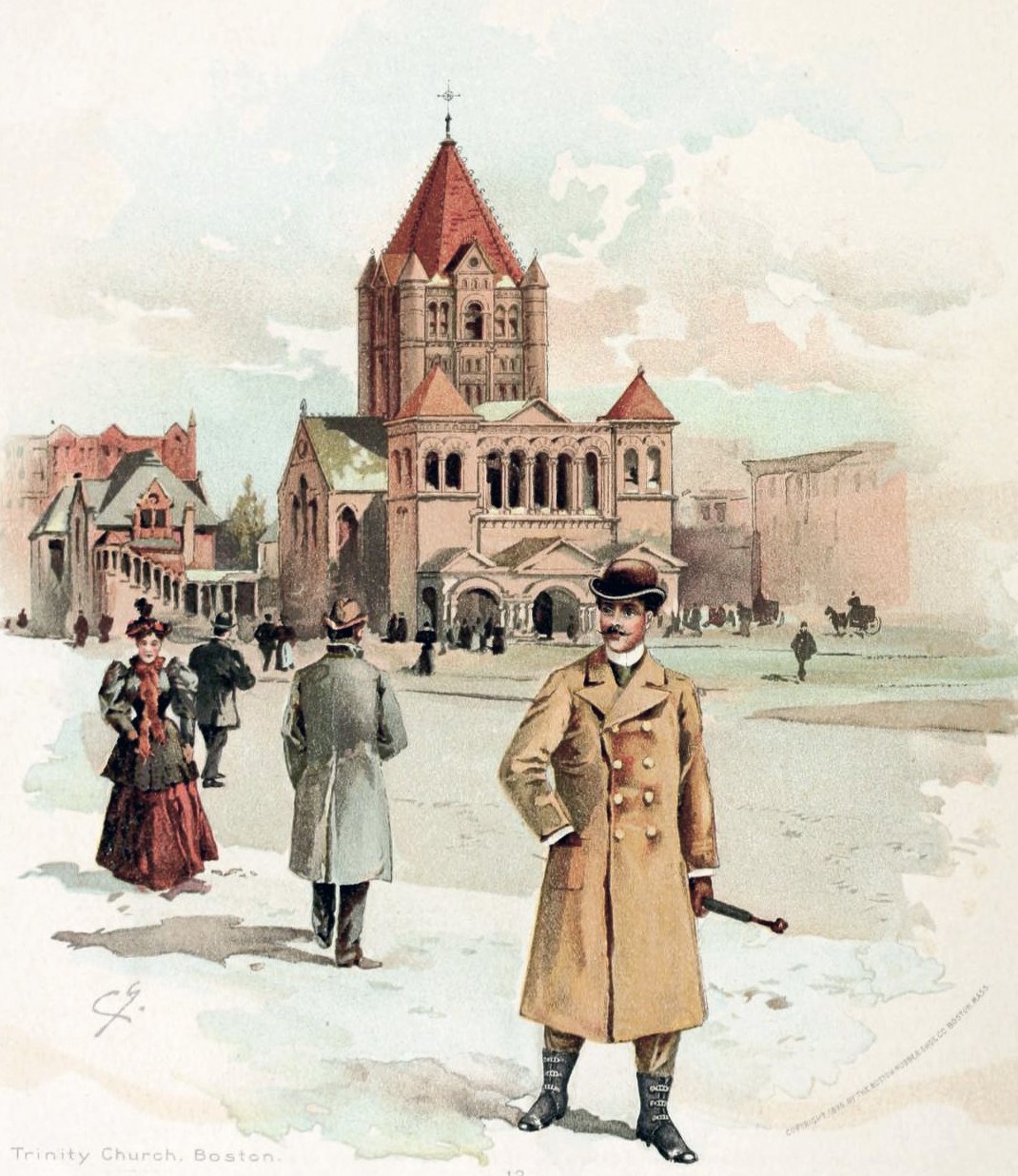
Relocating to Copley Square, the church commissioned Henry Hobson Richardson, who introduced the Richardsonian Romanesque style—marked by heavy stone walls, rounded arches, and elaborate carvings. Construction began in 1873 and concluded in 1877, resulting in a structure that set a new standard for American architecture.
National Recognition and Ongoing Significance
Trinity Church has long been recognized for its architectural innovation. In an 1885 poll and a 1986 American Institute of Architects survey, it was named one of the nation’s finest buildings. Designated a National Historic Landmark in 1970, it remains an active parish and a cultural anchor in Boston’s urban landscape.
Planning Your Visit: Hours, Tickets, and Tours
Visiting Hours
Trinity Church Boston is open to visitors as follows (subject to change for holidays or special events):
- Monday–Friday 9:00 AM – 5:00 PM
- Saturday 10:00 AM – 5:00 PM
- Sunday 8:00 AM – 6:00 PM
During worship services, certain areas may have limited access.
Admission and Tickets
- General Admission Free (donations encouraged)
- Guided Tours Small fee required; recommended for in-depth exploration
- Tour Schedule Daily at 11:00 AM and 2:00 PM; private group tours available by appointment
- Audio Guides Available for self-guided exploration
Tickets can be purchased on-site or in advance via the Trinity Church Tours page.
Booking and Accessibility
Advance booking is recommended for guided and group tours, especially during peak seasons. Trinity Church is fully accessible, with ramps and elevators; visitors with specific needs are encouraged to contact the church in advance for accommodations.
Architectural Style and Artistic Highlights
Trinity Church is a prime example of Richardsonian Romanesque architecture, an American adaptation of medieval Romanesque forms. Its design features include:
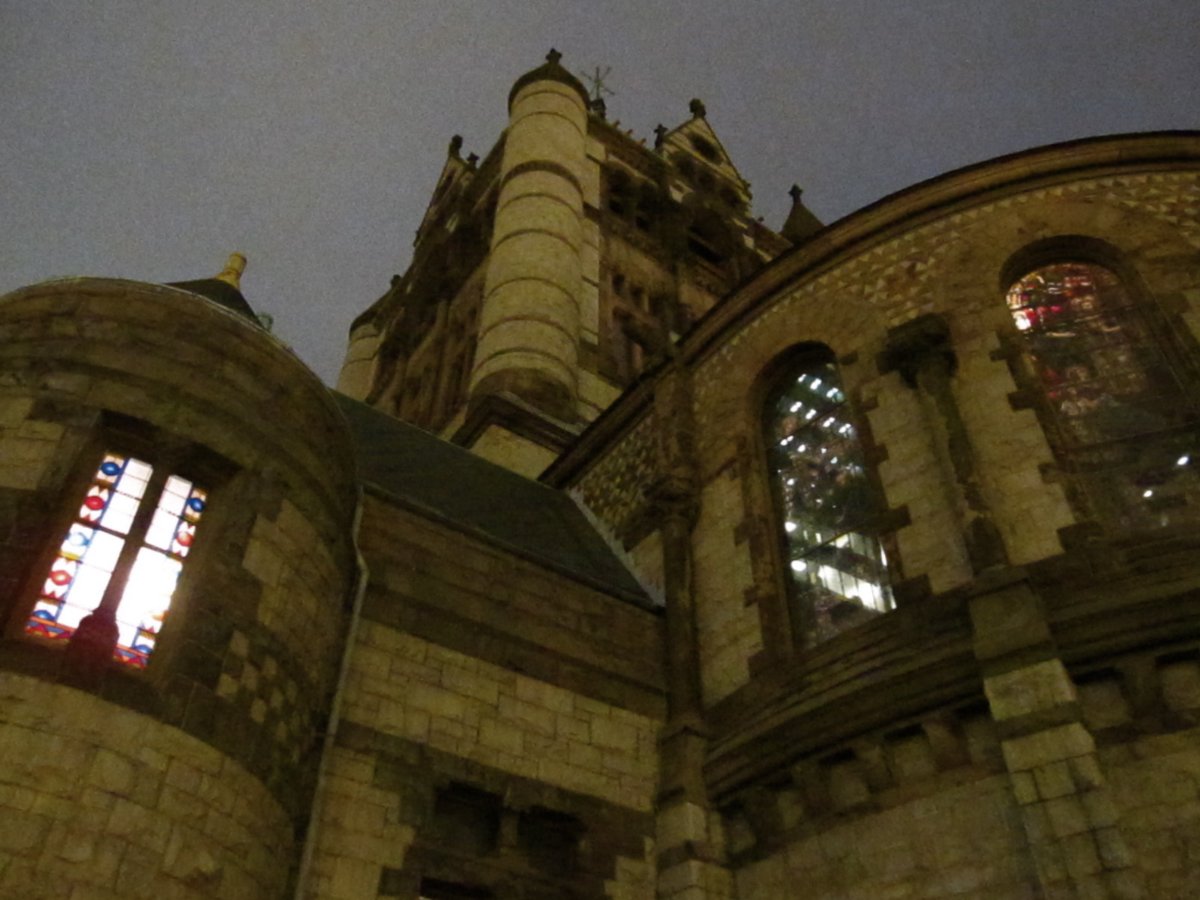
- Exterior Massive granite walls, polychromatic sandstone trims, and a central tower rising 211 feet, with a pyramidal roof and a distinctive Greek cross plan.
- Entrance Triple-arched portico, robust banded columns, and intricate stone carvings.
- Artistic Collaboration Interior decorations by John LaFarge, including over 21,500 square feet of murals and innovative stained glass windows made with opalescent glass.
- Sanctuary Open, centralized space with luminous murals and vibrant stained glass, enhancing both the acoustics and atmosphere.
Richardson’s design and LaFarge’s artistry established Trinity Church as a model for American ecclesiastical architecture, influencing generations of architects (Lonely Planet).
Accessibility and Visitor Amenities
Trinity Church is committed to inclusivity:
- Wheelchair Access Ramps and elevators throughout the building
- Hearing Assistance Devices available upon request
- Large-Print Materials Provided for worship services
- Restrooms Accessible facilities on-site
Visitor guidelines include respectful attire, removal of hats by men in the sanctuary, prohibition of food and drink inside, and courteous photography (no flash during services).
Community Programs and Events
Trinity Church is an active parish with robust programs:
- Worship Four Sunday services, including a family-friendly 10:00 AM service with a children’s homily. Services are also livestreamed.
- Music Acclaimed choir and organ performances; regular concerts and seasonal events
- Trinity Boston Connects (TBC) Outreach programs such as TEEP (Trinity Education for Excellence Program), TBCC (Trinity Boston Counseling Center), and Sole Train running mentorship (Trinity Boston Connects).
- Special Events Lectures, art and architecture programs, and community service opportunities
Nearby Attractions & Travel Tips
Trinity Church’s prime location in Copley Square places it amid many top Boston destinations:
- Boston Public Library Directly adjacent, with its own architectural and historical significance
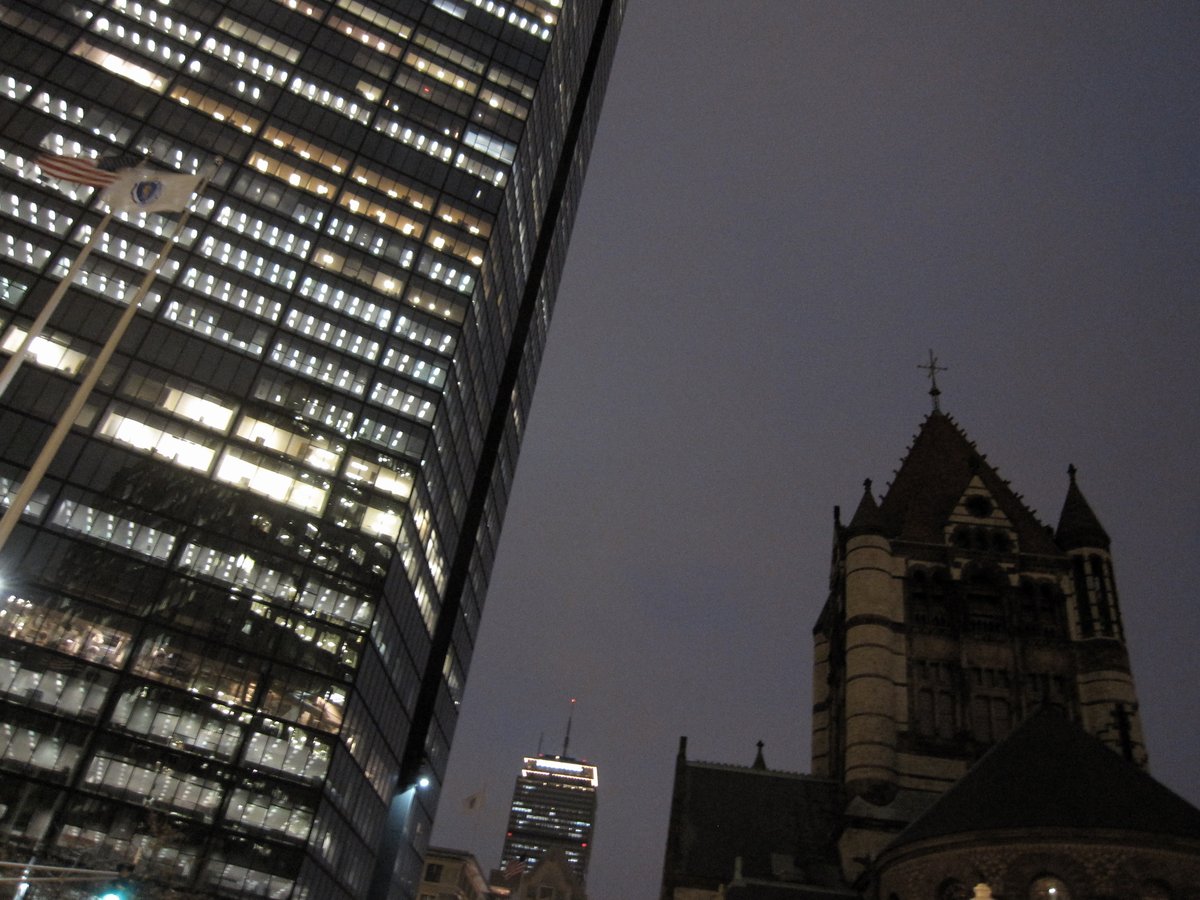
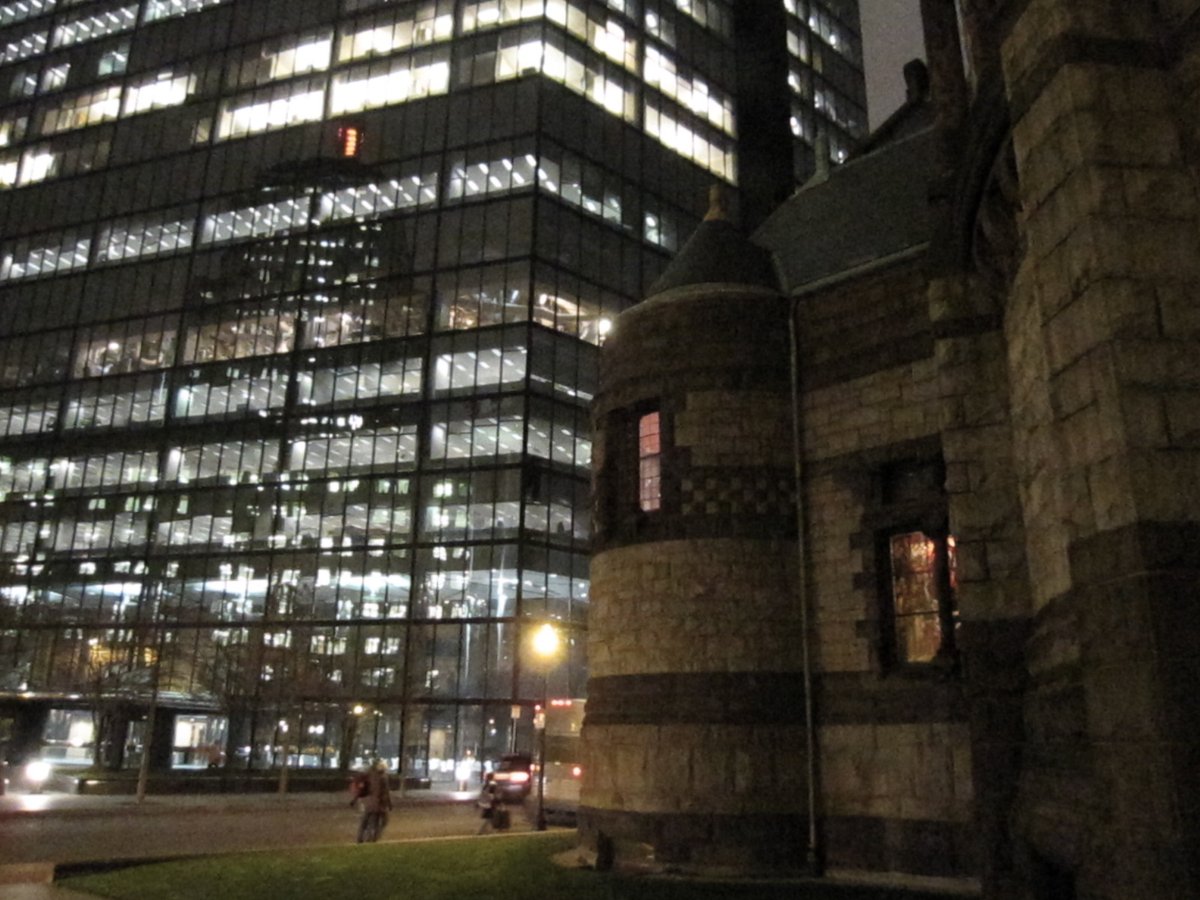
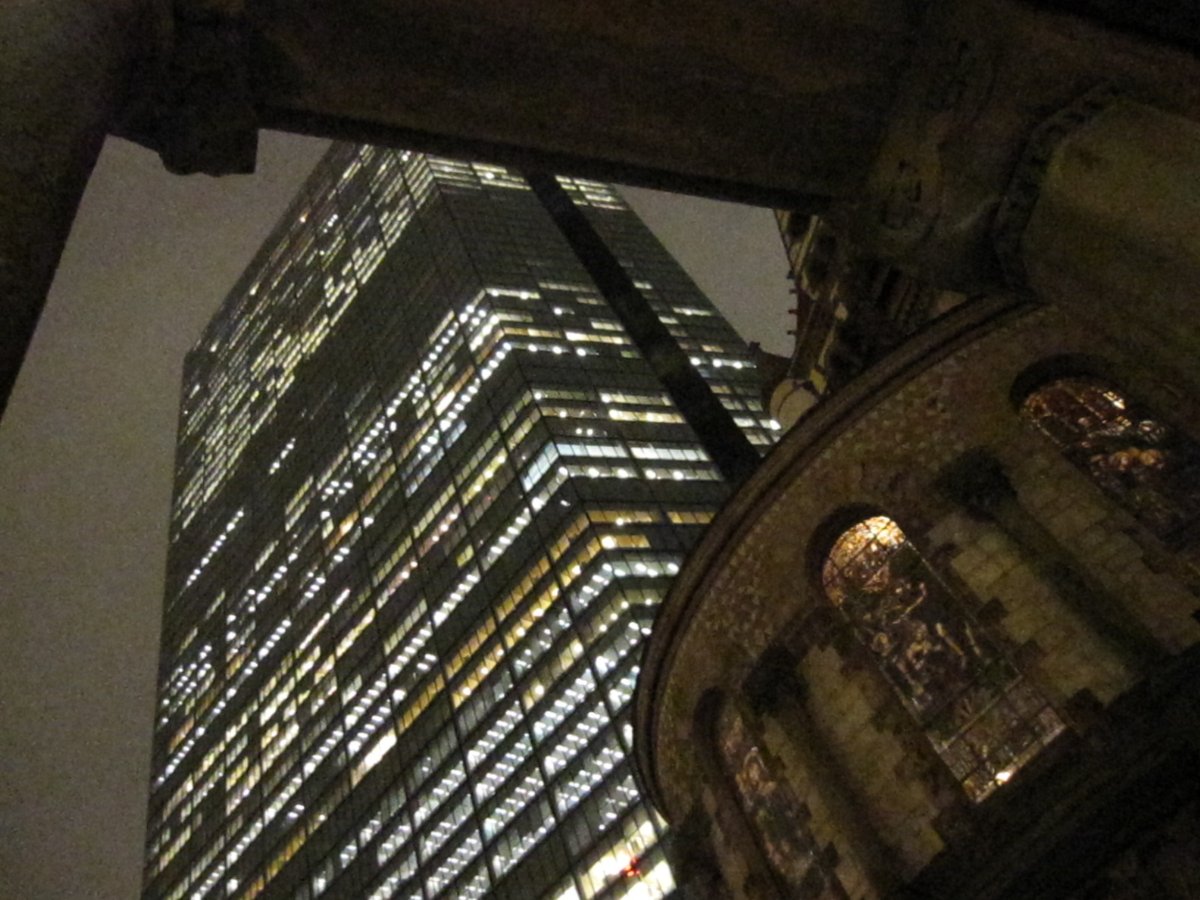
- John Hancock Tower Modern contrast to Trinity’s Romanesque style
- Newbury Street Shopping and dining
- Boston Marathon Finish Line A block away
Getting There: The church is at 206 Clarendon Street, Boston, MA 02116, steps from Copley Station on the MBTA Green Line. Public transit is recommended, as parking can be limited (Boston Discovery Guide).
Frequently Asked Questions (FAQ)
Q: What are the visiting hours?
A: Monday–Friday 9:00 AM–5:00 PM; Saturday 10:00 AM–5:00 PM; Sunday 8:00 AM–6:00 PM. Always check the official website for updates.
Q: Is there an admission fee?
A: General admission is free; guided tours require a small fee.
Q: Are guided tours available?
A: Yes, daily at 11:00 AM and 2:00 PM; private group and audio-guided tours are also offered.
Q: Is the church wheelchair accessible?
A: Yes, with ramps, elevators, and accessible restrooms.
Q: Can I take photos?
A: Photography is permitted (no flash during worship or special events).
Q: What else is nearby?
A: Boston Public Library, John Hancock Tower, Newbury Street, Copley Square Park.
Q: Can I attend a worship service as a visitor?
A: Absolutely—services are open to all, regardless of background or faith.
Contact and Further Information
- Address 206 Clarendon Street, Boston, MA 02116
- Phone 617-536-0944
- Website https://trinitychurchboston.org/visit/
- Interactive Map Google Maps Location
- Virtual Tour Trinity Church Boston Virtual Tour