Plan and listen to Tremont Street Subway with Audiala.
Audio guide in your pocket, itinerary in your browser. Built for the way you actually visit.
Introduction
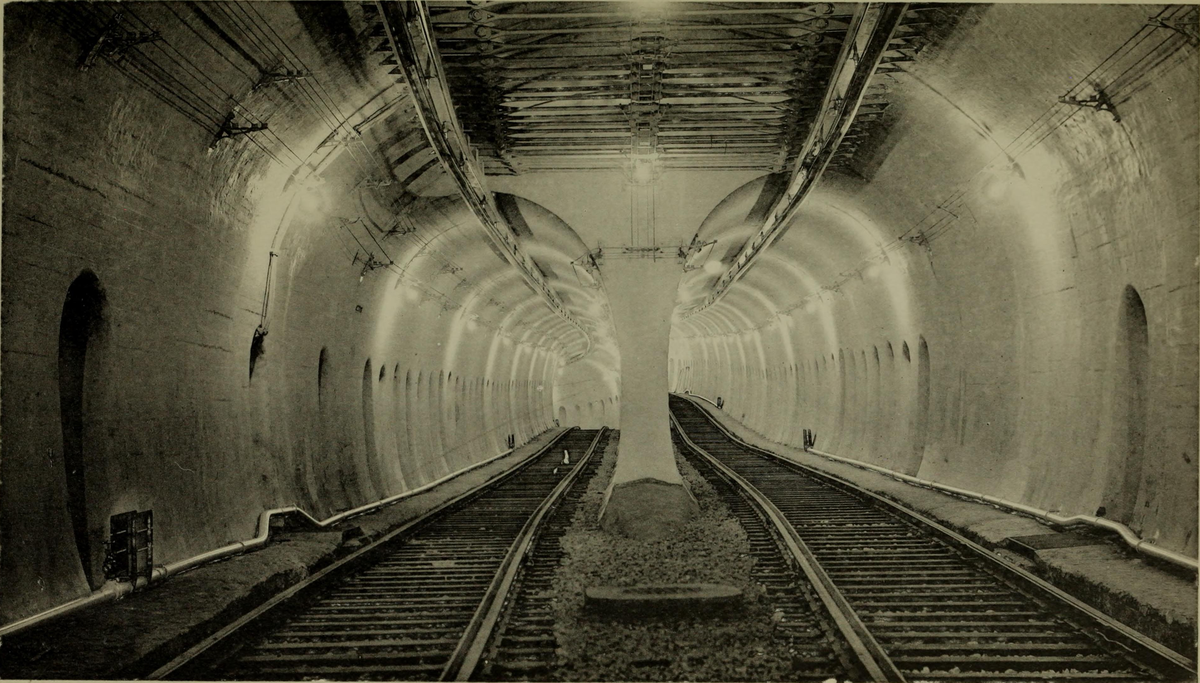
The Tremont Street Subway, nestled beneath the vibrant streets of downtown Boston, stands as a living testament to urban innovation and the city’s pivotal role in American transit history. Opened on September 1, 1897, it is the oldest subway tunnel in North America and the third oldest in the world to use electric traction. This pioneering underground corridor not only transformed Boston’s transportation but also set a precedent for cities across the United States (Wikipedia; Leventhal Map Center). Today, the Tremont Street Subway is an integral part of the MBTA Green Line, seamlessly connecting millions of riders to the city’s rich historical and cultural sites.

Origins and Early Development
Boston’s Tremont Street Subway was inaugurated in 1897 as a direct response to the late 19th-century congestion caused by horse-drawn carriages and electric streetcars. At its peak, over a hundred streetcars per hour traversed Tremont Street, creating gridlock and frustration among Bostonians (American Rails; Curbed Boston). The Massachusetts Rapid Transit Commission, formed in 1891, recommended an underground tunnel beneath Tremont Street, leading to the creation of the subway (Kiddle).
Construction began in 1895 under Chief Engineer Howard A. Carson. The project used the innovative "cut-and-cover" method, which involved excavating a trench, constructing the tunnel, and restoring the street above. The initial segment ran from the Public Garden to Haymarket Square, with the first section opening on September 1, 1897 (Boston.gov).
Engineering Innovations and Challenges
A hallmark of late 19th-century technology, the Tremont Street Subway was built for electric-powered trolleys, utilizing Frank J. Sprague’s trolley pole invention (Wikipedia). The electric traction system was cleaner and quieter than steam, and the project’s completion in just over three years was a remarkable feat, especially given the rudimentary construction equipment available at the time (Leventhal Map Center). Despite setbacks, such as a fatal gas explosion in 1897, the subway’s successful debut marked a new era in public transportation (Boston.gov).
Expansion and Integration
Originally, the subway featured five closely spaced stations: Boylston, Park Street, Scollay Square, Adams Square, and Haymarket. Over the next decades, it was expanded and integrated with newer transit lines, including the Cambridge–Dorchester (now Red Line), East Boston Tunnel (now Blue Line), and the Main Line Elevated (now Orange Line) (Kiddle). The southern portal at Pleasant Street was closed in 1962, but much of the tunnel infrastructure remains intact for potential future use.
Social Impact and Urban Significance
The Tremont Street Subway democratized urban transportation, offering affordable and efficient mobility to a broad cross-section of Bostonians (The Boston Day Book). It facilitated the growth of “streetcar suburbs” and set the stage for Boston’s transformation into a major American metropolis (Urban History Project). Its influence soon spread, inspiring other cities, including New York, Philadelphia, and Chicago, to pursue their own subway systems (Fifty Plus Advocate).
Architectural Features and Landmark Status
Key stations like Park Street and Boylston retain much of their original architectural character. Designed by Edmund M. Wheelwright, the stone headhouses at these stations are recognized for their distinctive, mausoleum-like style (Kiddle). The Tremont Street Subway is a National Historic Landmark, celebrated for its Classical Revival and Baroque elements (Holidify).
Modernization and Legacy
Throughout the 20th and early 21st centuries, the MBTA has modernized the Tremont Street Subway, introducing upgrades such as pantograph power collection and improved accessibility (MetroEasy). Today, the Green Line remains the busiest light rail line in the United States, and the Tremont Street Subway continues to serve as its operational core (oldest.org).
Visiting the Tremont Street Subway
Visiting Hours and Tickets
- Operating Hours: The Green Line, including the Tremont Street Subway segment, runs daily from approximately 5:00 AM to 1:00 AM (MBTA Official; moovitapp.com).
- Tickets: There is no special fare for riding through the Tremont Street Subway; standard MBTA fares apply. Purchase tickets via the CharlieCard (reloadable and discounted), CharlieTicket (single or multiple rides), or at station vending machines. For the most current fares and payment options, refer to the MBTA fares page.
Accessibility
- Park Street Station: Fully accessible with elevators and ramps for wheelchair users and travelers with mobility needs.
- Boylston Station: Retains historic character but lacks elevators; not accessible for passengers with disabilities.
For comprehensive accessibility information, visit MBTA Accessibility.
Guided Tours and Special Events
Regular guided tours inside the Tremont Street Subway are rare. However, special events and history-themed walking tours hosted by local organizations and the MBTA sometimes provide deeper insights into the subway’s history and engineering (Boston National Historical Park). Check local event calendars and Boston National Historical Park for updates.
Nearby Attractions
The Tremont Street Subway’s central location offers immediate access to Boston’s premier historical sites:
- Boston Common: The oldest public park in the United States, adjacent to Park Street Station.
- Boston Public Garden: Renowned for its botanical displays and Swan Boats, near Boylston Station.
- Freedom Trail: Begins at Boston Common, with 16 historic sites along the route (travelandleisure.com).
- Downtown Crossing & Quincy Market: Shopping and dining destinations easily reached via the Green Line.
Practical Tips
- Maps: Pick up free subway and Freedom Trail maps at the Boston Common Visitor Information Center (147 Tremont Street) or download from the MBTA website.
- Peak Hours: Trains are most crowded weekdays (7:00–9:30 AM, 4:00–6:30 PM) and during city events.
- Luggage/Strollers/Bikes: Luggage storage is unavailable; strollers are allowed at all times, bikes only outside peak hours.
- Restrooms: Public restrooms are limited; the Boston Common Visitor Information Center offers facilities.
Frequently Asked Questions (FAQ)
Q: What are the Tremont Street Subway visiting hours?
A: The MBTA Green Line operates from approximately 5:00 AM to 1:00 AM daily.
Q: How can I purchase tickets?
A: Use a CharlieCard, CharlieTicket, or pay at station vending machines. Fares are standard MBTA subway rates.
Q: Are the stations accessible for people with disabilities?
A: Park Street Station is fully accessible; Boylston Station is not. Confirm current accessibility at MBTA Accessibility.
Q: Are guided tours available?
A: Occasional special tours are offered by local organizations; check city event calendars for details.
Q: What historical sites are nearby?
A: Boston Common, Public Garden, the Freedom Trail, and downtown destinations are within walking distance.
Q: Can I bring my bike or stroller?
A: Strollers are allowed at all times; bicycles are permitted outside peak hours.
Listen to the full story in the app
The whole Tremont Street Subway,
told well.
Audio guides for 1,100+ cities across 96 countries. History, stories, and local insight — offline ready.
Verified, and shown.
Researched and written by the Audiala editorial team from historical records, architectural archives, and local expertise.
Researched from Wikidata, Wikipedia & official sources · fact-checked · How we make our guides →