Origins and Construction
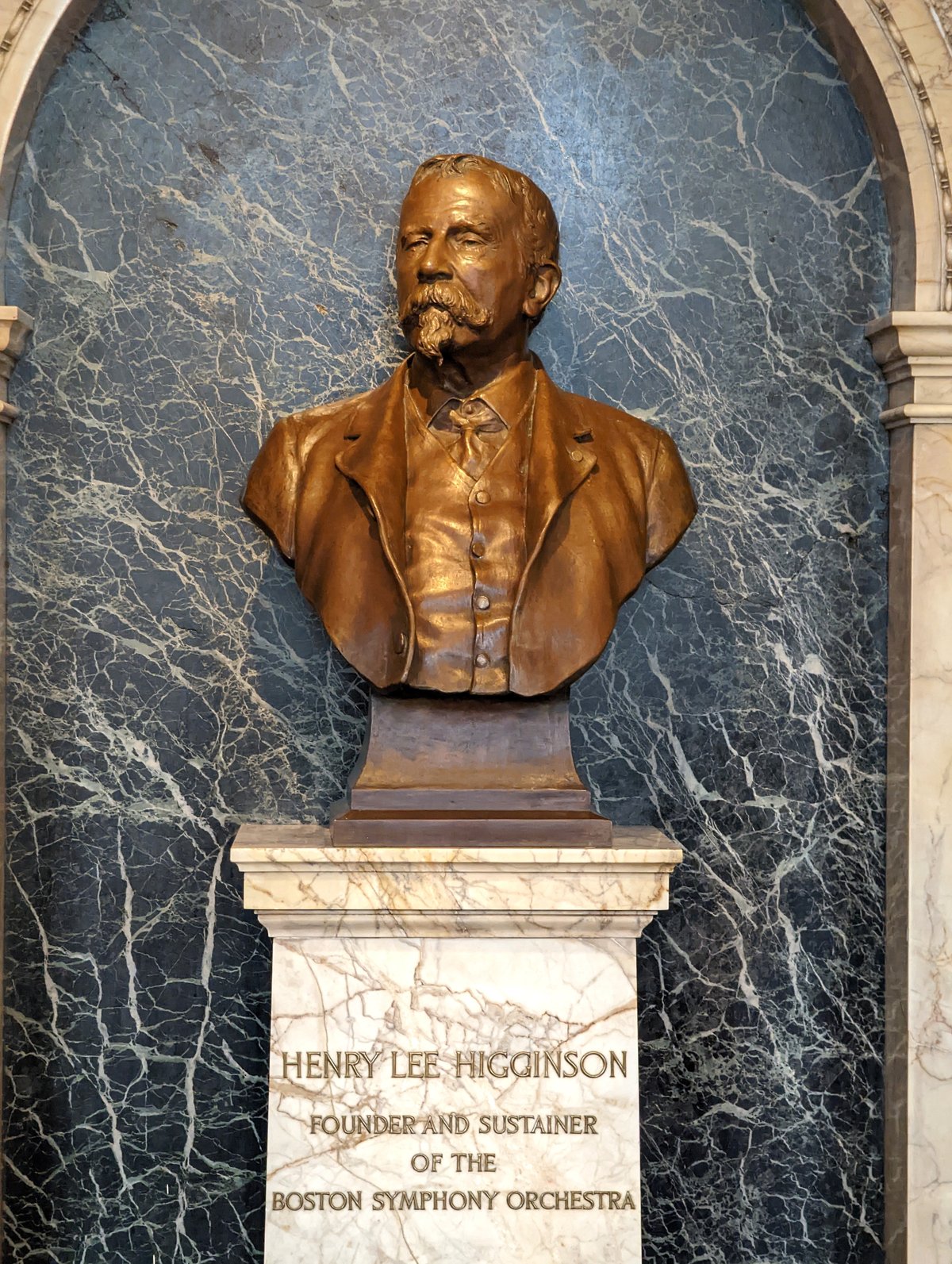
The need for a new concert venue emerged in the late 19th century as the BSO outgrew the Old Boston Music Hall. Major Henry Lee Higginson, the orchestra’s founder, championed the creation of a purpose-built hall (Boston Event Guide). Designed by the acclaimed firm McKim, Mead & White, with construction by the Norcross Brothers, Symphony Hall opened in October 1900. The project was notable for its scientific approach to acoustics, led by Harvard physicist Wallace Clement Sabine, whose pioneering work established modern architectural acoustics (Architect Magazine).
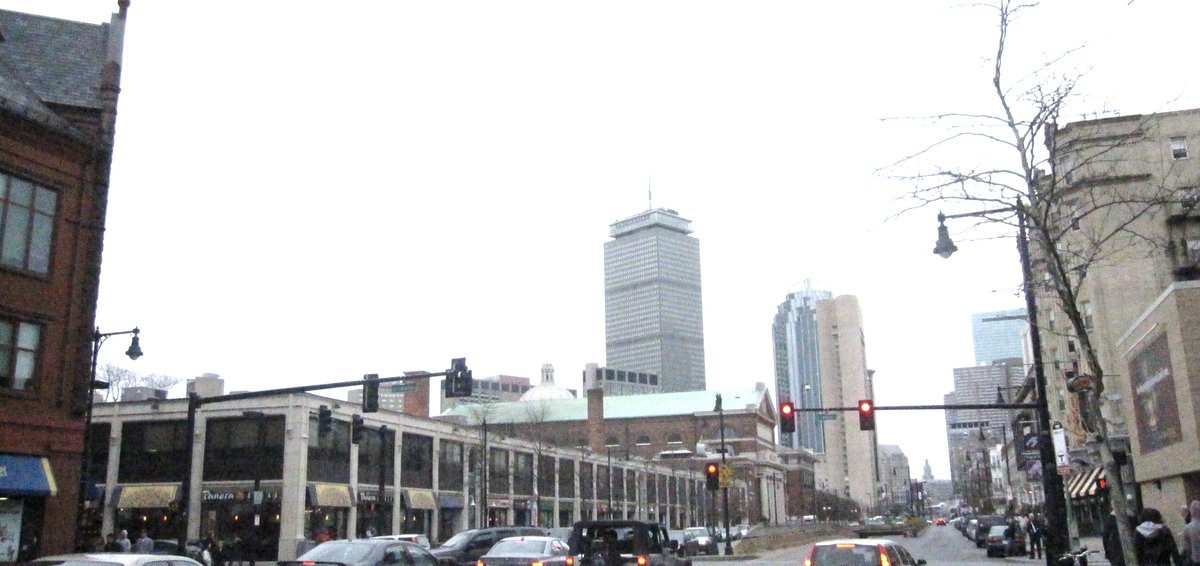
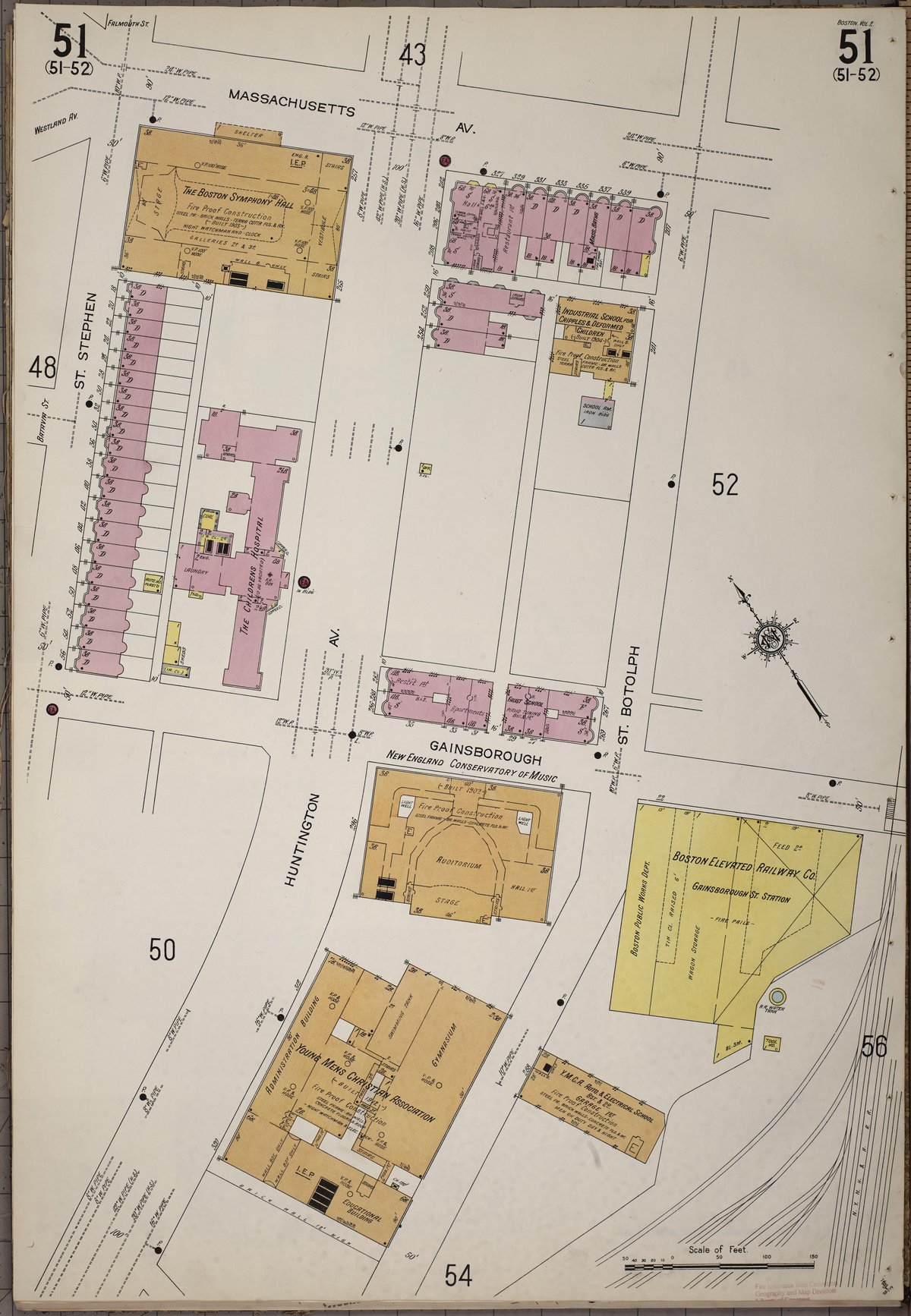
The hall’s location in Back Bay—a district transformed from tidal flats to a cultural hub—mirrored Boston’s ascent as a center of arts and learning (Wikipedia).
Architectural and Acoustic Significance
Symphony Hall is celebrated for its Italian Renaissance Revival façade and "shoebox" auditorium design, echoing the great concert halls of Europe such as Leipzig’s Gewandhaus. The steel-frame structure rests on deep wooden pilings, while the use of brick, limestone trim, and plaster interior surfaces optimizes both durability and sound reflection (Wikipedia).
Key features include:
- Rectangular “Shoebox” Shape Ensures optimal sound distribution (Boston Event Guide).
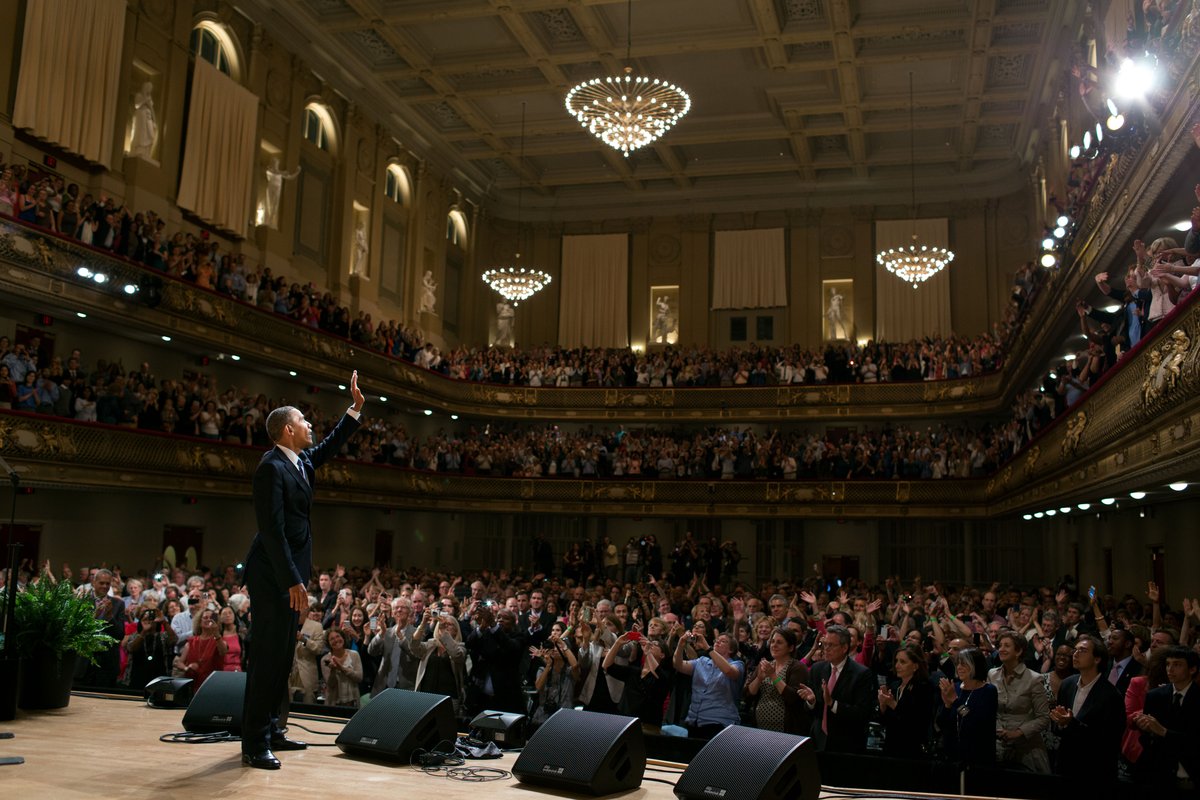
- Coffered Ceiling and Plaster Statues Sixteen niches with Greek and Roman statues diffuse sound, while the coffered ceiling enhances clarity (Architect Magazine).
- Stage and Seating The stage is designed for ideal sound projection, and original leather seats contribute to the hall’s unique acoustic signature (invaluable.com).
- Daylight and Restoration Clerestory windows, once covered for security during WWII, have been reopened, restoring the hall’s original ambiance (Architect Magazine).
- Acoustic Science Sabine’s calculations resulted in a reverberation time of about 1.9–2.1 seconds, considered ideal for symphonic music (bso.org).
Symphony Hall is consistently ranked among the world’s top concert venues for acoustics, alongside Vienna’s Musikverein and Amsterdam’s Concertgebouw (arauacustica.com).
Notable Events and Milestones
- Inaugural Gala (1900) Opened under conductor Wilhelm Gericke (Boston Event Guide).
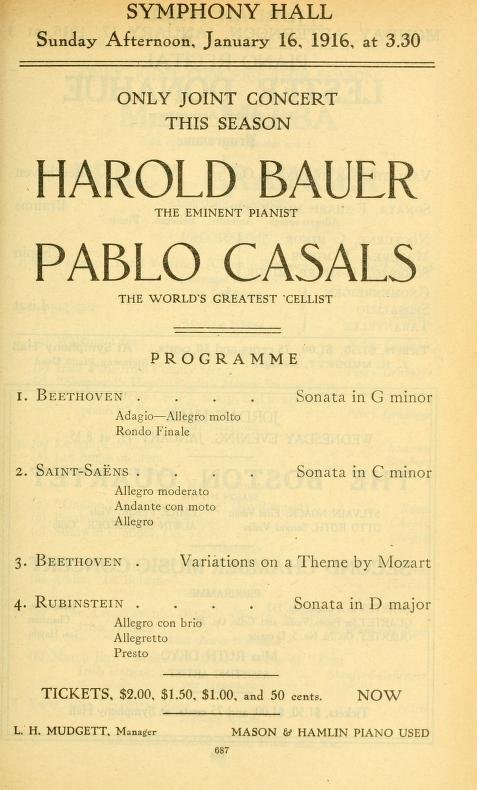
- Internationally Acclaimed Performers Hosts the BSO, Boston Pops, and global artists from Rachmaninoff to Yo-Yo Ma (Concert Archives).
- Diverse Programming Symphony Hall presents classical, jazz, pop, Broadway, and special events, welcoming diverse audiences (Boston Event Guide).
- Aeolian-Skinner Organ (1949) One of the world’s finest concert hall organs, designed by G. Donald Harrison (Trolley Tours).
- National Historic Landmark (1999) Official recognition of the hall’s architectural and cultural significance (Wikipedia).
Role in Boston’s Cultural Landscape
Symphony Hall is a pillar of Boston’s arts scene. Its proximity to the New England Conservatory, Museum of Fine Arts, and other institutions cements Back Bay as a cultural nexus (Wikipedia). The BSO and Boston Pops have made orchestral music accessible to broad audiences, and the hall’s educational initiatives—masterclasses, workshops, and free concerts—nurture the next generation of musicians (BSO).
Diversity and inclusion are central to programming, with annual events like "Concert for the City" and Boston Family Days fostering community engagement.
Visiting Symphony Hall: Hours, Tickets, and Visitor Information
Visiting Hours
-
Box Office
- Monday–Friday: 10:00 AM–4:00 PM
- Saturday: 12:30 PM–4:30 PM
- Closed Sundays
(Boston Symphony Hall Official)
-
Concert Entry
- Hall opens ~30 minutes before performances.
-
Guided Tours
- Available on select weekdays and weekends; check official schedule.
Ticketing
- Purchase
- Online via the BSO website, by phone, or in-person at the box office.
- Pricing
- Ranges from $30 to $150, with discounts for students, seniors, and families (The Tourist Checklist).
- Recommendation
- Buy tickets in advance, especially for popular events.
Entry and Security
- Arrive at least 30 minutes before showtime.
- Tickets are scanned at entry; security screening is standard.
- Bags larger than 18” x 14” x 9” are not permitted (The Boston Day Book).
Guided Tours and Behind-the-Scenes Experiences
Free guided tours offer a deep dive into Symphony Hall’s history, architecture, and acoustics:
- Highlights
- Stand on the conductor’s podium, explore backstage, and participate in Q&A sessions (The Boston Day Book).
- Duration
- Tours last about one hour.
- Booking
- Check the official website for schedules and availability.
Amenities, Dining, and Accessibility
- On-Site Dining
- Light snacks and beverages are available; options vary by event (Boston Symphony Hall Official).
- Nearby Back Bay restaurants offer pre- and post-concert dining (The Tourist Checklist).
- Restrooms and Coat Check
- Conveniently located; coat check is typically offered in colder months.
- Accessibility
- Wheelchair-accessible seating, restrooms, and assistive listening devices (Boston Symphony Hall Official).
- Contact the box office for special accommodations.
Nearby Attractions
Symphony Hall is surrounded by renowned cultural and historical sites:
- Museum of Fine Arts
- Isabella Stewart Gardner Museum
- Berklee College of Music
- Boston Public Library
- Copley Square
- Prudential Center
Public transit (MBTA Green and Orange Lines) and nearby parking garages make visiting easy (Free Tours by Foot).
Visitor Tips and FAQs
Practical Tips
- Dress Code
- Business casual is standard; dress up for special occasions (The Boston Day Book).
- Arrival
- Early arrival allows time to enjoy the ambiance and amenities.
- Photography
- Not permitted during performances.
- Age Policy
- All ages welcome; some events may be better suited for children (Bandsintown).
FAQs
What are the visiting hours?
Box office: Mon–Fri 10am–4pm, Sat 12:30–4:30pm. Hall opens ~30 minutes before performances (Boston Symphony Hall Official).
How do I buy tickets?
Online (BSO), by phone, or at the box office.
Are guided tours available?
Yes, check the official schedule.
Is the hall accessible?
Yes, with wheelchair seating, accessible restrooms, and assistive devices.
Are children allowed?
Yes, though some performances are more family-friendly than others.