Plan and listen to Swan Boats with Audiala.
Audio guide in your pocket, itinerary in your browser. Built for the way you actually visit.
Introduction
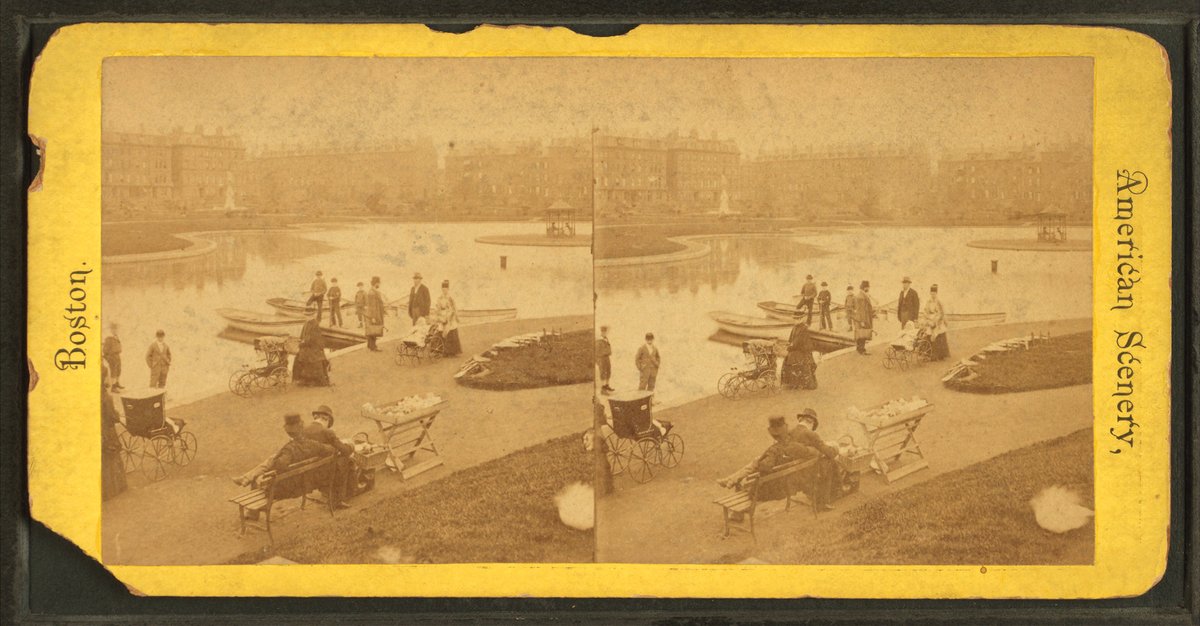
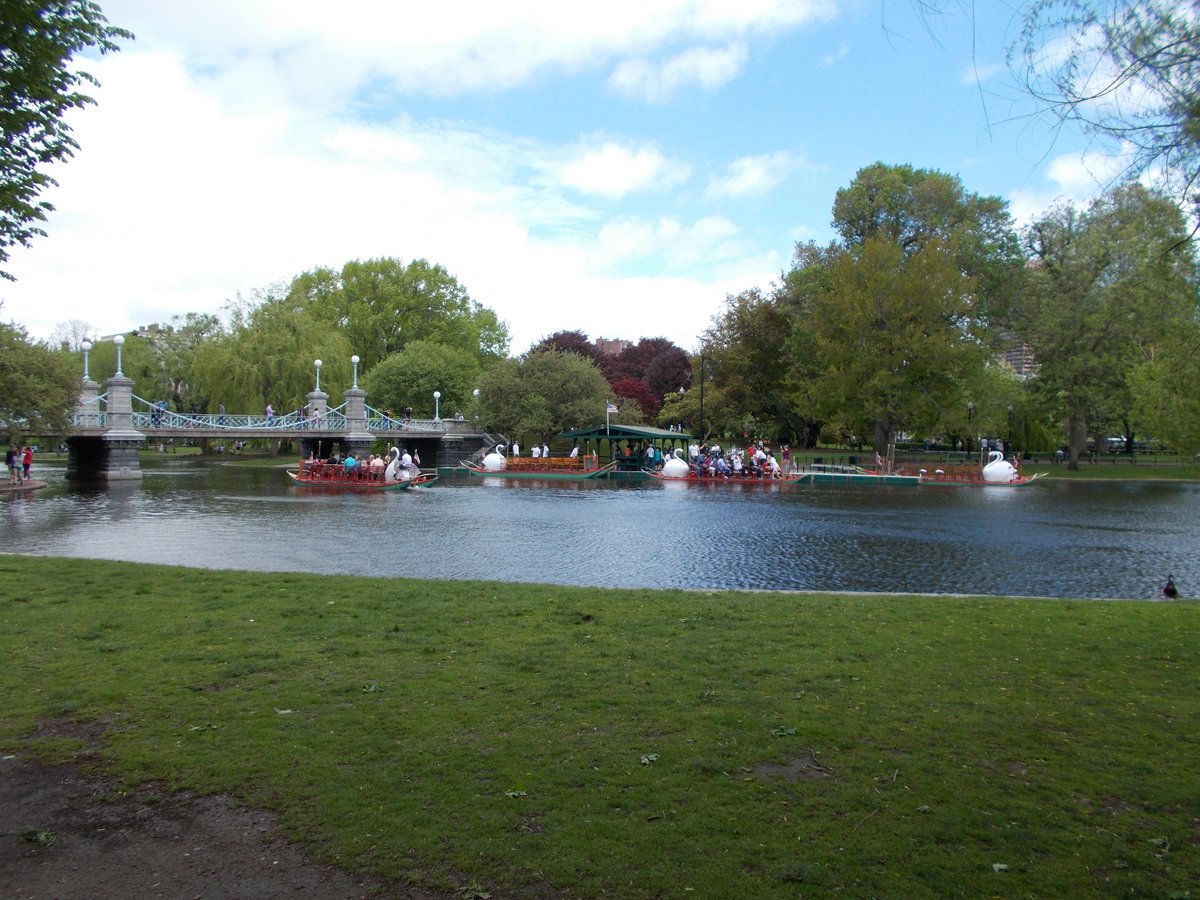
The Boston Public Garden Footbridge, also known locally as the 'Make Way for Ducklings Bridge', is an iconic landmark nestled in the heart of Boston. This beloved structure, with its intricate Victorian design and literary significance, stands as a testament to Boston's rich history and cultural heritage. Established in 1867 by the renowned architect William Ralph Emerson, the bridge originally served as a necessary pedestrian link across the lagoon within America's first public botanical garden, which itself dates back to 1837. Over the decades, the bridge has evolved from a functional structure to a cultural symbol, largely thanks to its pivotal role in Robert McCloskey's 1941 children's book, 'Make Way for Ducklings' (Boston Public Garden History). In addition to its historical and architectural allure, the bridge has become a cherished spot for tourists and locals alike, offering picturesque views and a peaceful retreat within the bustling city. This guide aims to provide comprehensive insights into the Boston Public Garden Footbridge, covering its history, significance, visitor information, and travel tips to ensure a memorable visit.

History and Significance
Early Beginnings and Victorian Splendor
The story of the Boston Public Garden Footbridge begins in the 19th century, a period marked by significant transformation for Boston. The Public Garden itself, established in 1837, was America's first public botanical garden and a pioneering example of urban park planning. As the garden matured, the need for a pedestrian bridge across the lagoon became apparent. In 1867, the current iron bridge, designed by renowned architect William Ralph Emerson, was erected. Emerson, known for his distinctive blend of Gothic and rustic styles, created a structure that perfectly complemented the Garden's Victorian charm. The bridge, with its intricate latticework, decorative arches, and ornate lampposts, quickly became a beloved feature of the park.
A Literary Legacy - Make Way for Ducklings
While the bridge's architectural beauty is undeniable, it was a children's book that truly cemented its place in the hearts of Bostonians and visitors alike. In 1941, Robert McCloskey published his now-classic story, 'Make Way for Ducklings.' The book, which won the Caldecott Medal in 1942, tells the tale of Mrs. Mallard and her eight ducklings as they navigate the streets of Boston in search of a suitable home. The Boston Public Garden, with its swan boats and friendly police officer, plays a pivotal role in the story. The climax unfolds on the footbridge, where Mrs. Mallard and her ducklings pause, unsure of how to cross the busy street. The iconic image of the ducklings waddling in a line behind their mother on the bridge has become synonymous with the book and a cherished symbol of Boston.
A Bronze Tribute to a Beloved Tale
In 1987, the bridge's connection to 'Make Way for Ducklings' was further solidified with the installation of bronze sculptures by artist Nancy Schön. These charming, life-sized sculptures depict Mrs. Mallard and her eight ducklings, Jack, Kack, Lack, Mack, Nack, Ouack, Pack, and Quack, in various stages of waddling across the bridge. The sculptures, meticulously crafted and full of personality, have become a beloved attraction in their own right. Children and adults alike delight in posing for photos with the ducklings, making the bridge a popular spot for capturing memories.
Visitor Information
Visiting Hours
The Boston Public Garden is open daily from 6 AM to 11:30 PM, allowing visitors ample time to explore the footbridge and its surroundings. There is no admission fee to enter the garden or access the footbridge.
Accessibility
The footbridge is accessible to all visitors, including those with mobility impairments. Ramps and pathways ensure that everyone can enjoy this historic site.
Travel Tips and Nearby Attractions
Best Times to Visit
Early morning and late afternoon are ideal times to visit to avoid crowds and capture beautiful photos in natural light.
Nearby Attractions
- Boston Common: Adjacent to the Public Garden, Boston Common is another historic park offering various activities and attractions.
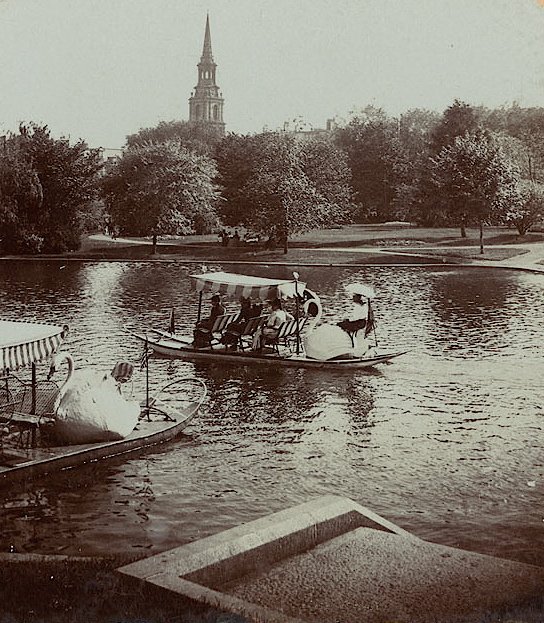
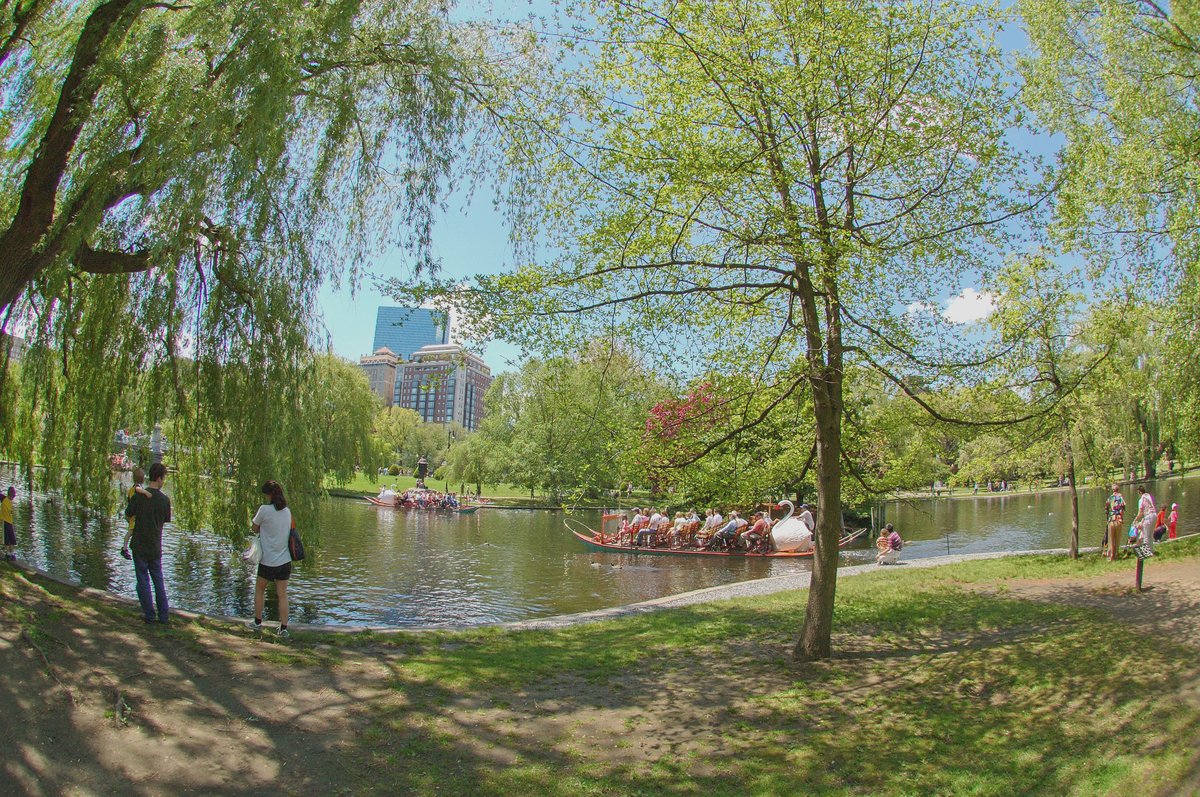
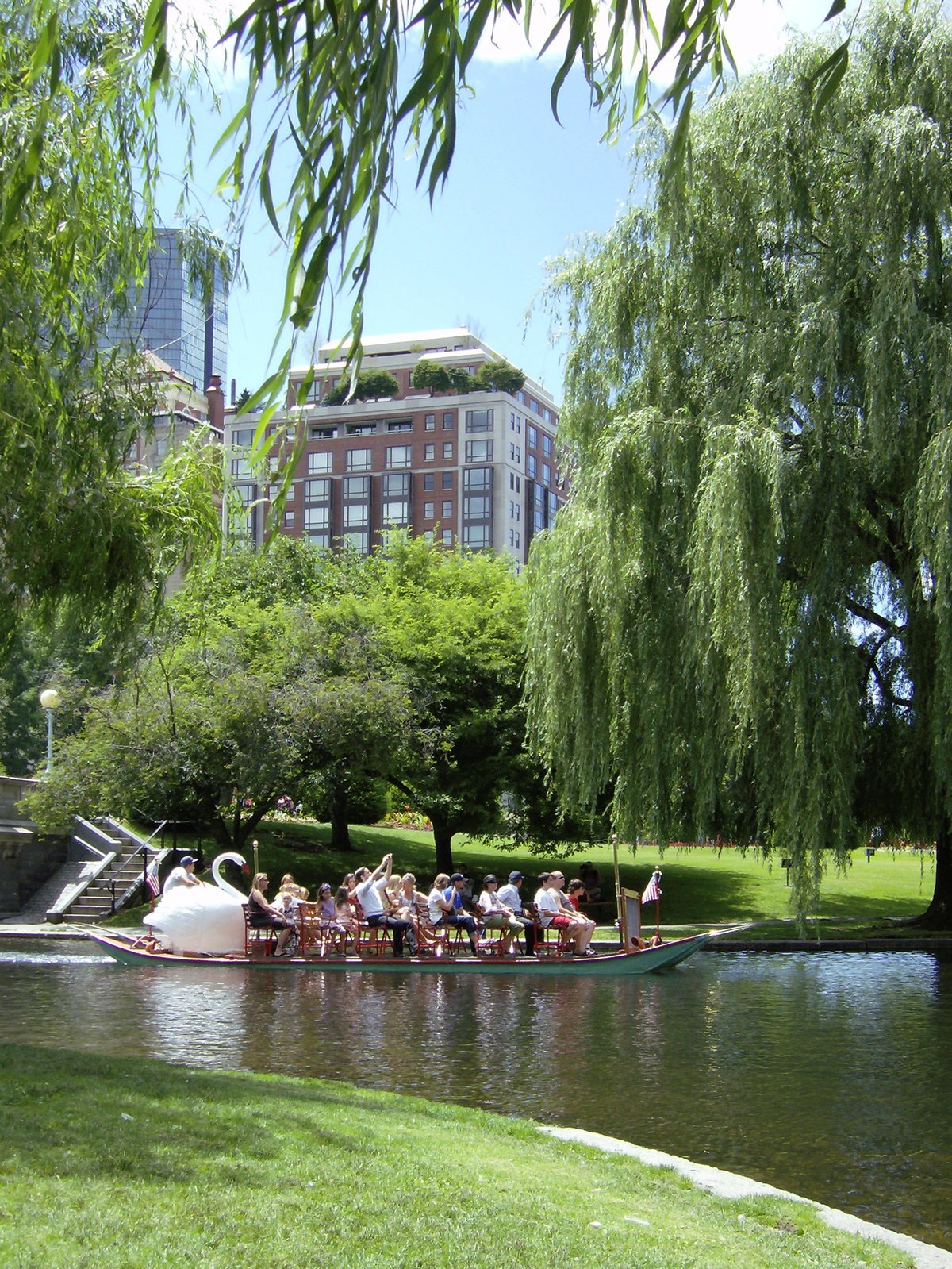
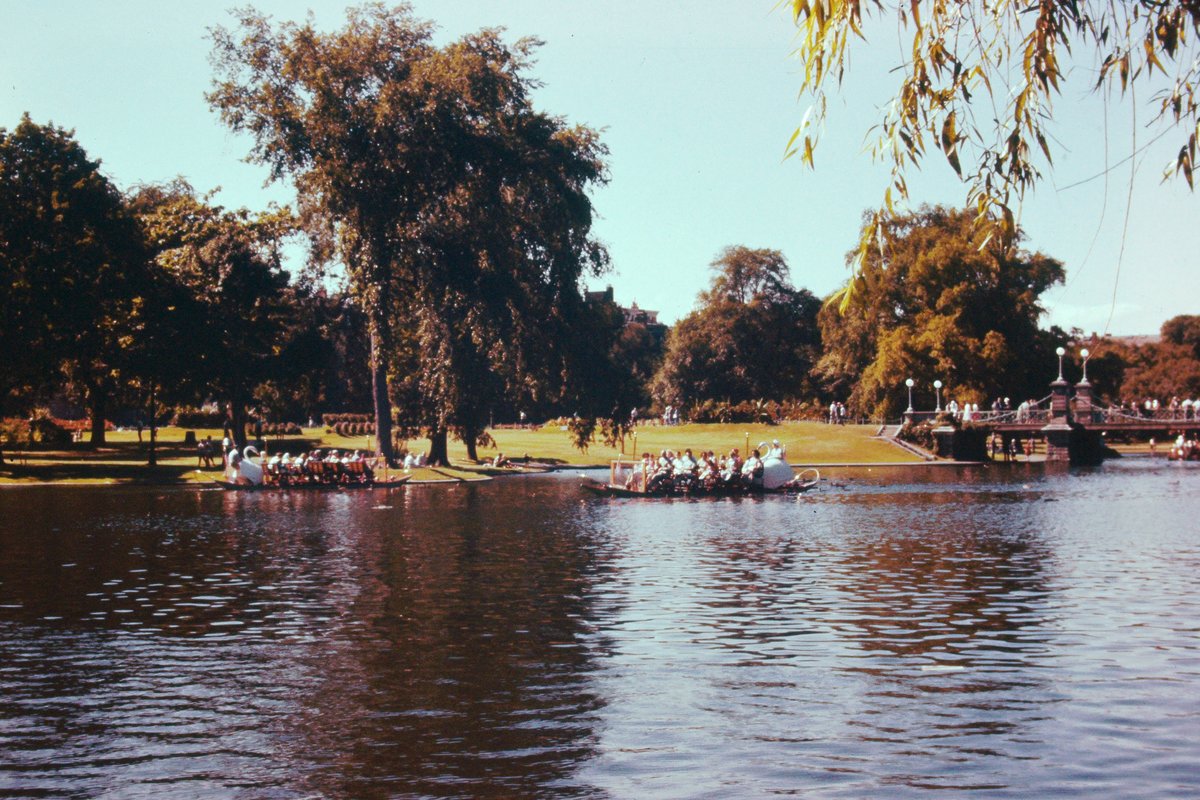
- Swan Boats: Operate seasonally on the lagoon.
- Massachusetts State House: A short walk away and a significant historical site.
Guided Tours
Consider joining a guided tour of the Boston Public Garden to learn more about its history and the significance of the footbridge.
Special Events
The garden often hosts events, so check the Boston Public Garden's official website for the latest information.
Best Photographic Spots
The footbridge itself, the swan boat dock, and the bronze duckling sculptures are perfect spots for memorable photos.
Enduring Symbolism and Cultural Impact
A Symbol of Boston
The bridge, particularly with its 'Make Way for Ducklings' connection, has become synonymous with Boston itself. It embodies the city's charm, history, and family-friendly atmosphere.
A Celebration of Literature
The bridge serves as a permanent tribute to the power of children's literature and its ability to capture the imagination and create lasting memories.
A Gathering Place
The bridge is more than just a passage; it's a place where people gather to admire the sculptures, enjoy the scenery, and connect with the city's history.
Preservation and Ongoing Care
The Boston Public Garden Footbridge, listed on the National Register of Historic Places, is meticulously maintained to preserve its beauty and historical integrity. Regular inspections, cleaning, and occasional restoration work ensure that the bridge remains a treasured landmark for generations to come. The 'Make Way for Ducklings' sculptures are also carefully cared for. They are regularly cleaned and polished, and on special occasions, they are even dressed up in festive attire, much to the delight of visitors.
Frequently Asked Questions (FAQ)
Q: What are the visiting hours for the Boston Public Garden Footbridge? A: The garden is open daily from 6 AM to 11:30 PM.
Q: Is there an admission fee to visit the footbridge? A: No, there is no admission fee.
Q: Is the footbridge accessible to visitors with mobility impairments? A: Yes, the footbridge is accessible to all visitors.
Q: Are there guided tours available? A: Yes, guided tours of the Boston Public Garden are available and provide in-depth information about the footbridge and its history.
Q: Where can I find the 'Make Way for Ducklings' sculptures? A: The sculptures are located near the footbridge within the Boston Public Garden.
Listen to the full story in the app
The whole Swan Boats,
told well.
Audio guides for 1,100+ cities across 96 countries. History, stories, and local insight — offline ready.
Verified, and shown.
Researched and written by the Audiala editorial team from historical records, architectural archives, and local expertise.
Researched from Wikidata, Wikipedia & official sources · fact-checked · How we make our guides →