Plan and listen to Statue Of Robert Burns with Audiala.
Audio guide in your pocket, itinerary in your browser. Built for the way you actually visit.
Introduction
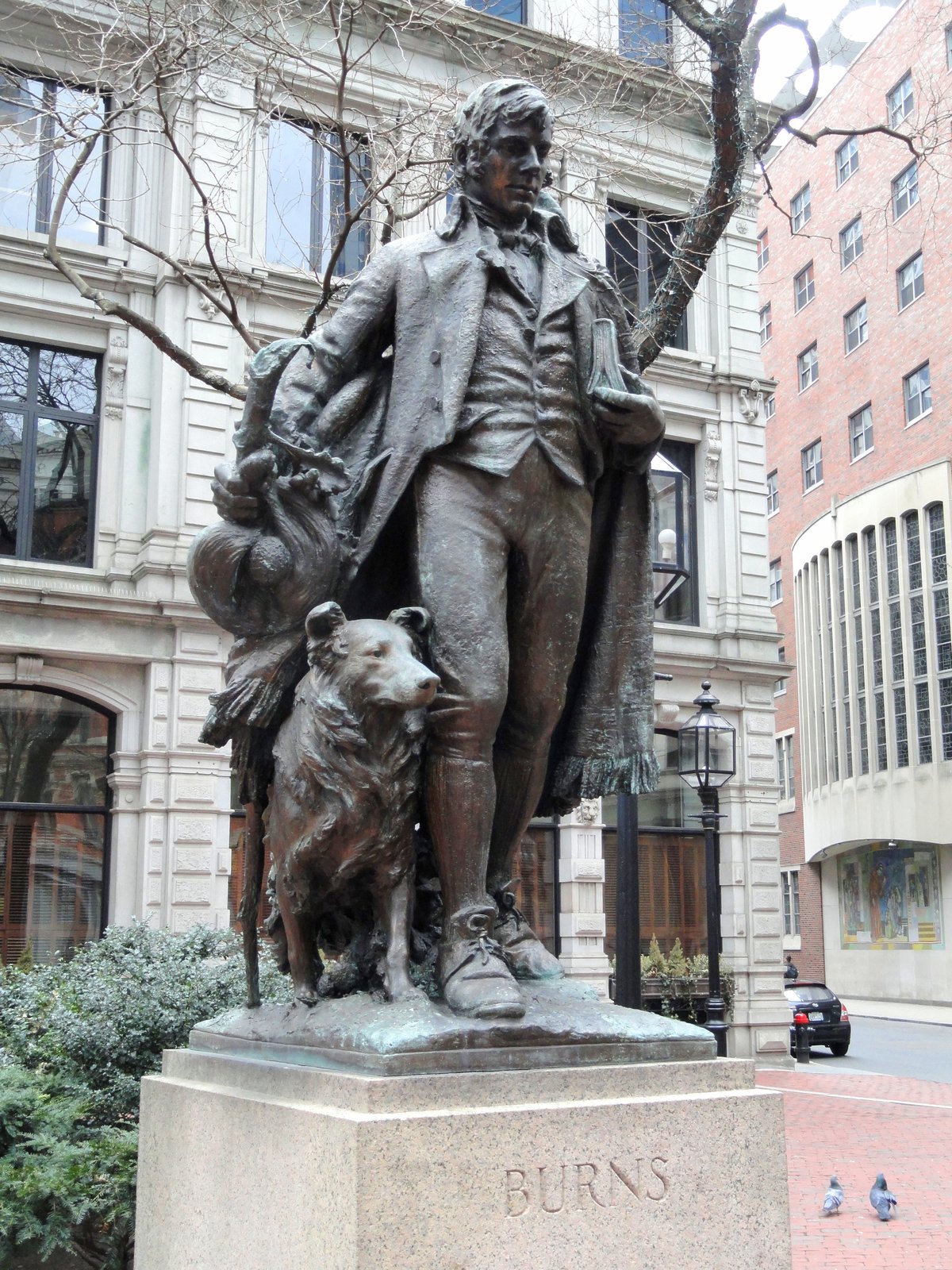
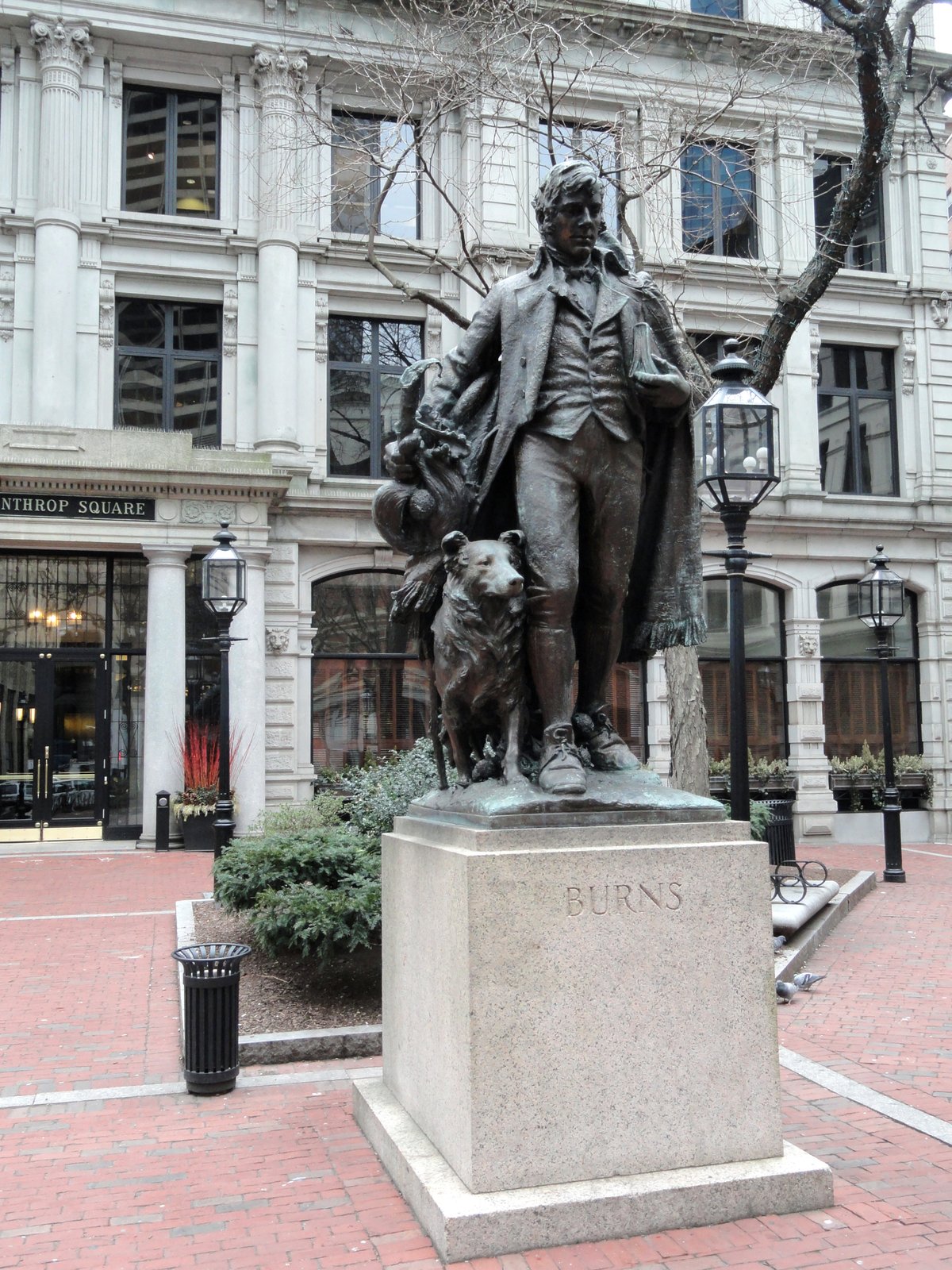
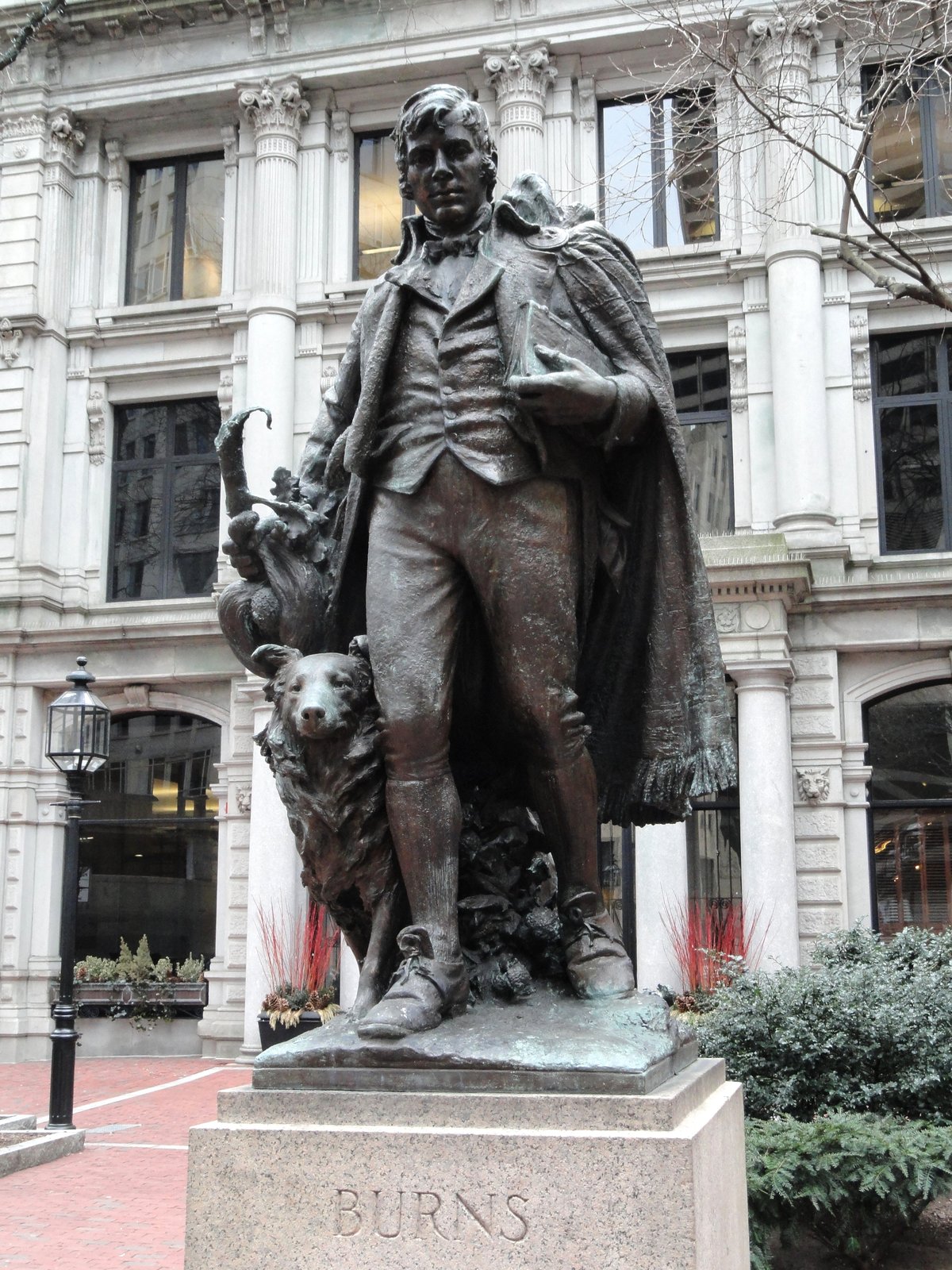
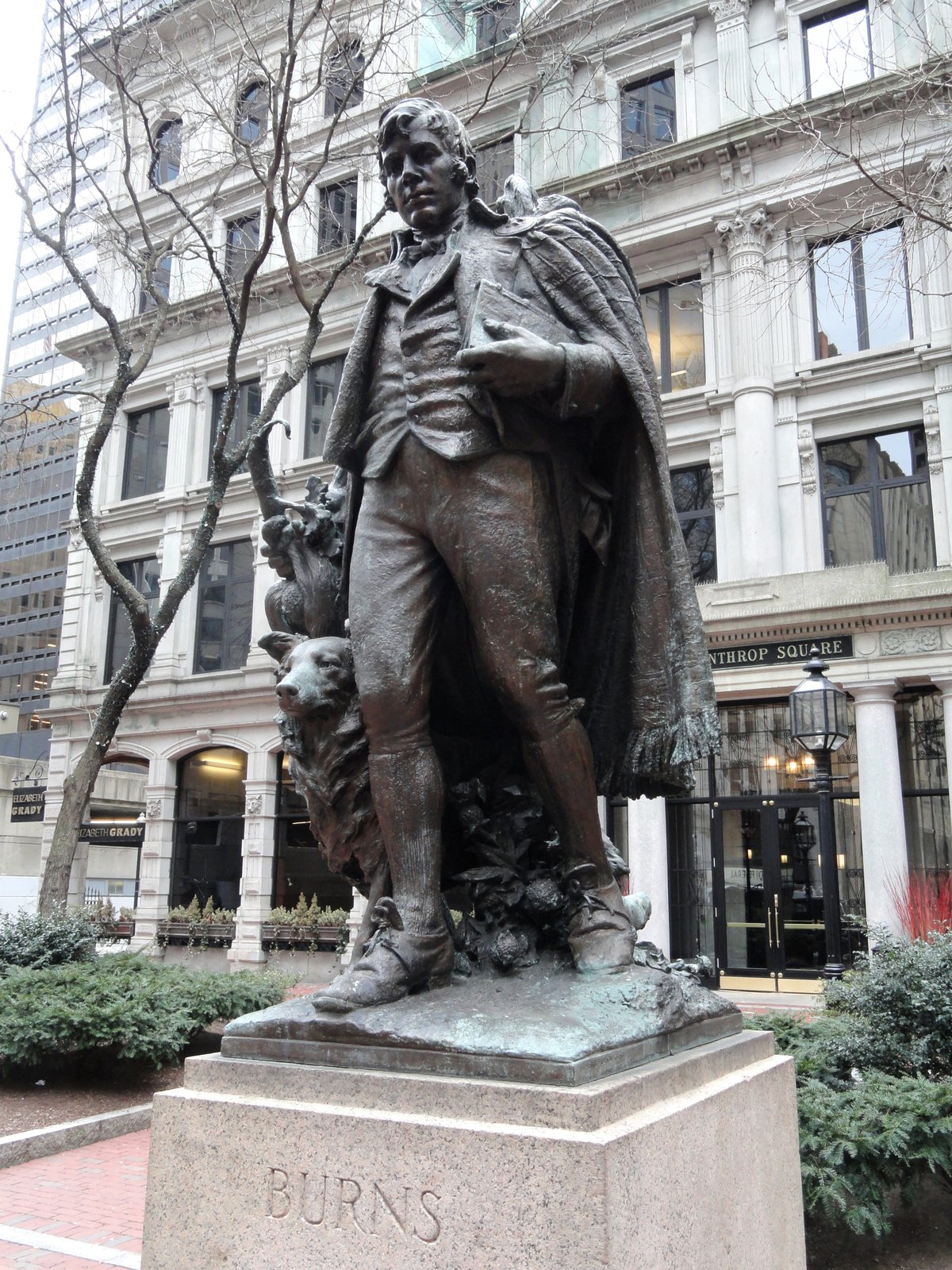
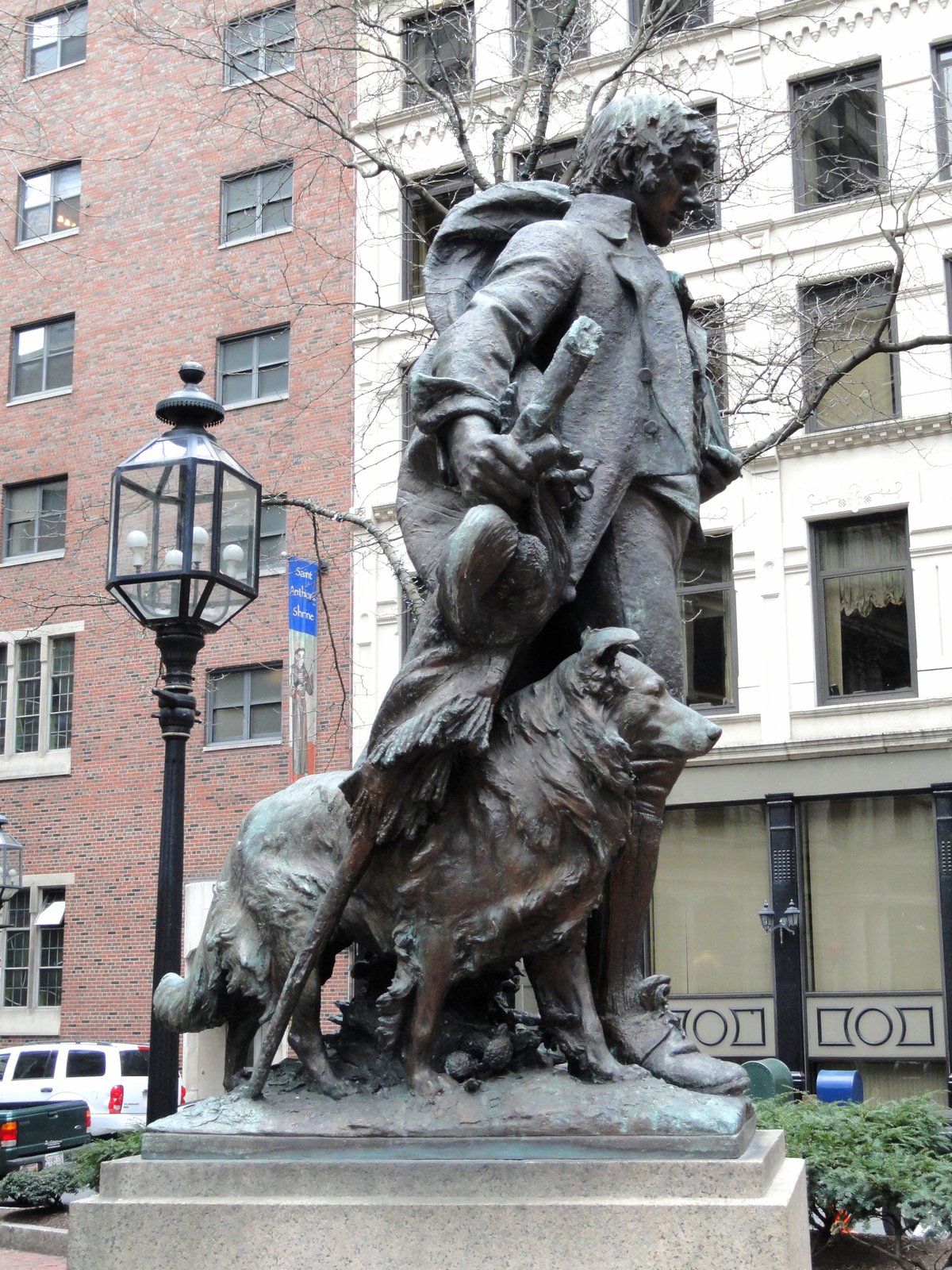
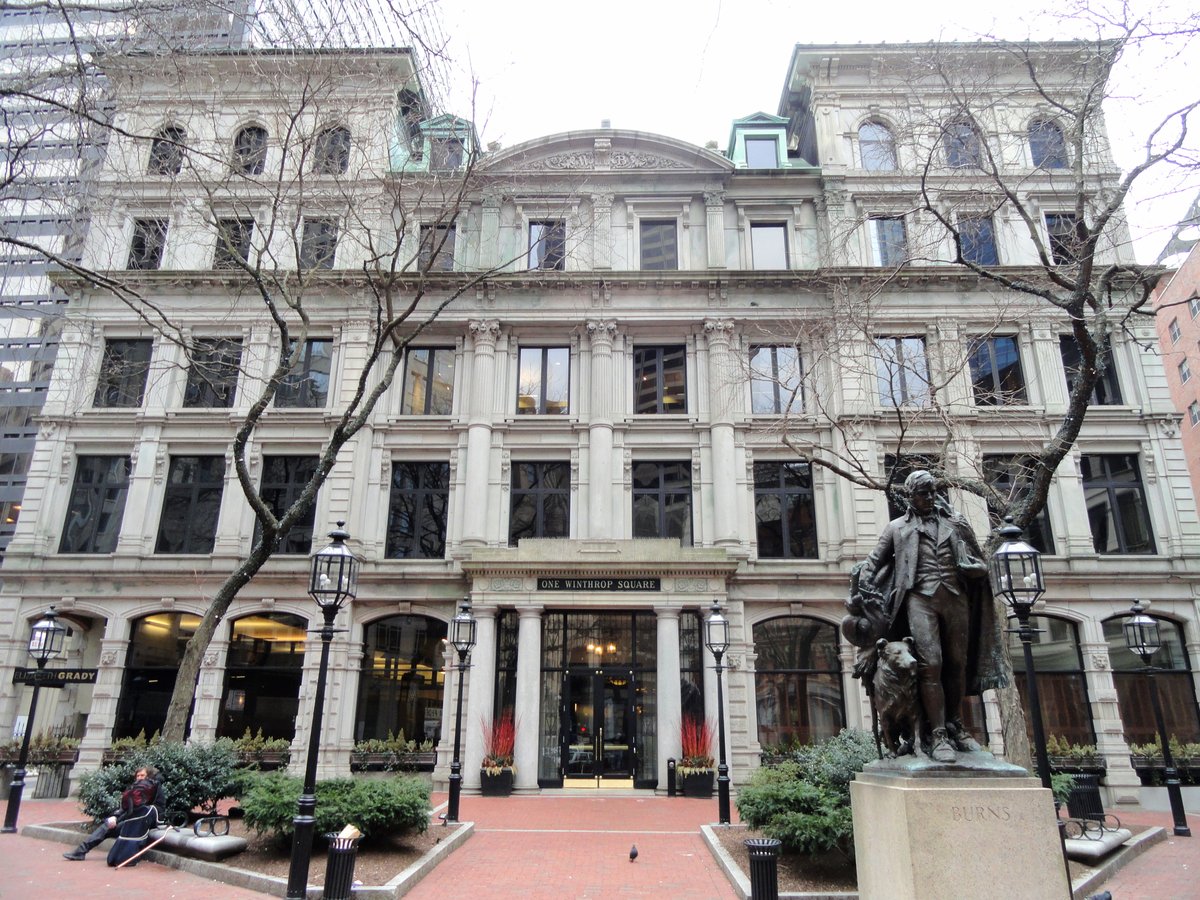
The Robert Burns statue in Boston stands as a distinguished cultural and historical landmark, honoring Scotland’s national poet and celebrating the city’s vibrant Scottish-American heritage. Nestled within the tranquil Back Bay Fens—part of the city’s iconic Emerald Necklace park system—this bronze monument offers visitors a unique blend of artistic beauty, historical significance, and cultural resonance. Commissioned in the early 20th century by the Burns Memorial Association and sculpted by Henry Hudson Kitson, the statue depicts Burns in a naturalistic pose with his loyal dog Luath, symbolizing his literary genius and empathy for the common man. Over the past century, the statue has experienced relocation, restoration, and community advocacy, reflecting Boston’s evolving relationship with its public spaces and diverse histories. Accessible year-round and free to all, the monument is an essential stop for literature enthusiasts, history buffs, and tourists. This comprehensive guide provides detailed historical context, artistic symbolism, practical visitor information, nearby attractions, and tips for an enriching visit (National Trust for Scotland Foundation USA, Boston Parks and Recreation Department, Scots Charitable Society).

Historical Background
Origins and Commissioning
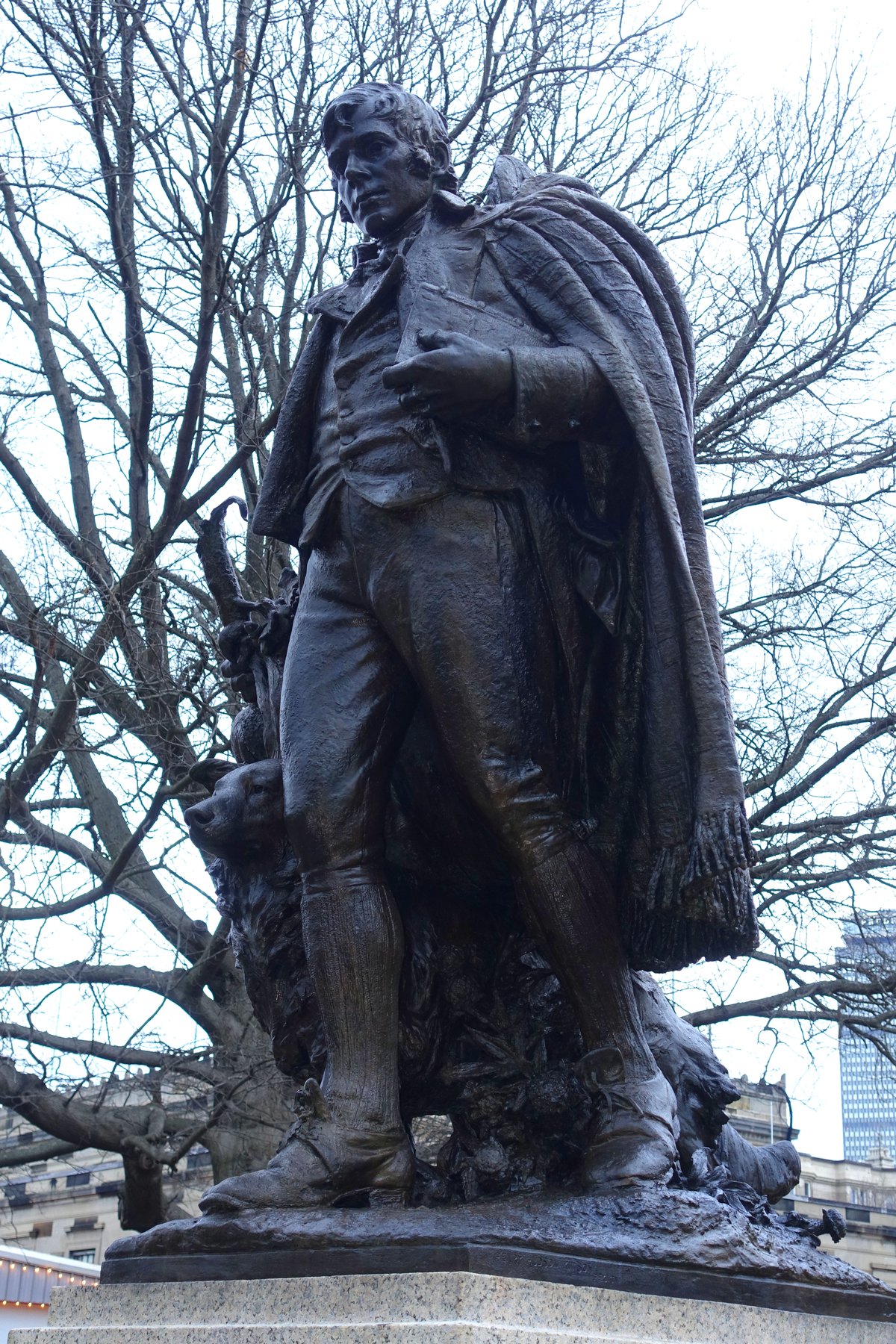
The idea to commemorate Robert Burns in Boston originated with the Burns Memorial Association, formed in 1899 to celebrate the poet’s legacy and the strong ties between Scotland and the United States. The group raised funds through community events and transatlantic support, culminating in a design competition in 1910. Noted sculptor Henry Hudson Kitson was selected for the project. Kitson’s vision, which portrayed Burns walking with a book and his dog Luath, reflected both the poet’s literary prowess and his connection to rural life (Scots Charitable Society).
Artistic Features and Symbolism
Standing approximately 9 feet tall atop a granite base, the bronze statue shows Burns in motion, a book under his arm and a walking stick in hand, accompanied by Luath. This motif, common in Burns memorials worldwide, represents the poet’s humility and his advocacy for the common people (Wikiwand). Kitson’s choice to depict Burns in an approachable, naturalistic manner underscores his reputation as “the Ploughman Poet” and Scotland’s beloved son (Public Art Around the World).
Dedication and Early Years
The statue was unveiled on January 1, 1920, in the Caledonian Grove of the Back Bay Fens, not far from the memorial to Irish poet John Boyle O’Reilly. The dedication ceremony was a major civic event, attended by dignitaries, Scottish-American community members, and literature enthusiasts. Traditional Scottish music, poetry readings, and the ceremonial piping of the haggis marked the occasion, echoing Burns Night celebrations held worldwide (The History Press, NTSUSA).
Relocation and Rededication
For 56 years, the statue remained in the Fens until it was abruptly moved in 1975 to Winthrop Square, downtown Boston, as part of a redevelopment project. The move caused confusion and controversy, with many mistaking the statue for John Winthrop during its downtown tenure (Wikipedia). Persistent community advocacy led to its return to the Fens in 2019, timed with its centennial rededication. The festive ceremony included music, readings, and the participation of local organizations, reaffirming the statue’s place in Boston’s cultural landscape (NTSUSA, Boston.gov).
Visiting the Robert Burns Statue
Location and Directions
Address: Back Bay Fens, near the intersection of Park Drive and The Fenway, Boston, MA.
Public Transit: MBTA Green Line to Fenway or Museum of Fine Arts stations; both are within walking distance.
Parking: Limited street parking and local garages are available in the Fenway neighborhood.
Visiting Hours and Admission
The statue is located in a public park and is accessible year-round during daylight hours, typically from dawn to dusk. There is no admission fee or ticket required.
Accessibility
The Back Bay Fens and surrounding paths are wheelchair accessible, providing easy access for visitors with mobility challenges.
Nearby Attractions
Consider extending your visit to include:
- Museum of Fine Arts, Boston
- Fenway Park, home of the Boston Red Sox
- Isabella Stewart Gardner Museum
- The scenic Charles River Esplanade
These sites offer a rich tapestry of Boston’s art, culture, and history.
Burns Memorials Worldwide
The Boston statue is one of more than sixty memorials dedicated to Robert Burns across the globe, reflecting both the worldwide impact of his works and the spread of Scottish diaspora. Many of these statues, including Boston’s, are inspired by the 1787 Alexander Nasmyth portrait and often feature Burns with Luath or a book, symbolizing creativity and humility (Wikipedia: List of Robert Burns Memorials, National Museums Scotland).
Cultural Significance in Boston
The statue stands as a tribute to Boston’s Scottish-American community and the city’s broader immigrant heritage. Burns’s poetry—championing themes of equality, love, and the dignity of ordinary life—has resonated deeply with Bostonians of all backgrounds. The statue serves as a focal point for annual Burns Night celebrations and fosters community engagement through cultural events and educational tours (The Scotsman, CultureNOW).
Frequently Asked Questions (FAQ)
Q: What are the visiting hours for the Robert Burns statue in Boston?
A: The statue is accessible year-round during daylight hours (dawn to dusk).
Q: Is there an entrance fee or ticket required?
A: No, the statue is free to visit.
Q: Are guided tours available?
A: Some local walking tours include the statue. Check with local tour providers or the Boston Literary District.
Q: Is the statue wheelchair accessible?
A: Yes, the park and statue area are wheelchair accessible.
Q: How do I reach the statue by public transportation?
A: Take the MBTA Green Line to Fenway or Museum of Fine Arts stations. The statue is a short walk from either stop.
Plan Your Visit
Enhance your trip by combining a visit to the Robert Burns statue with other nearby attractions. Consider attending Burns Night celebrations each January or exploring the Emerald Necklace’s scenic trails. For a virtual preview or interactive map, visit the Boston Parks and Recreation Department or Boston public art website.
For guided tours and updates on cultural events, download the Audiala app or follow local organizations on social media.
Listen to the full story in the app
The whole Statue Of Robert Burns,
told well.
Audio guides for 1,100+ cities across 96 countries. History, stories, and local insight — offline ready.
Verified, and shown.
Researched and written by the Audiala editorial team from historical records, architectural archives, and local expertise.
Researched from Wikidata, Wikipedia & official sources · fact-checked · How we make our guides →