Why Visit the Statue of Kevin White?
The statue stands as both a striking piece of public art and a portal into Boston’s past. Kevin White, as Boston’s 51st mayor, oversaw a period of significant urban transformation and social change, including civil rights movements and city revitalization. His leadership is immortalized in this dynamic sculpture, which captures his energetic, approachable spirit and enduring influence on Boston’s civic identity (Encircle Photos; TripSavvy).
Visitor Information: Hours, Tickets, and Accessibility
- Location Faneuil Hall, Congress Street, Boston, MA
- Accessibility Open 24/7, outdoors, and free of charge
- Wheelchair Access Yes—smooth, wide pathways and ramps surround the statue and nearby attractions
- Public Transportation Easily reachable via the Government Center or State Street MBTA stations (Chamber of Commerce)
- Parking Nearby garages available, but public transit is recommended
Pro Tip: Early mornings and late afternoons offer the best natural light for photography and fewer crowds.
Nearby Attractions and Best Photo Spots
While at the statue, you’re within steps of several of Boston’s top historical and cultural destinations:
- Faneuil Hall & Quincy Market Bustling markets with shops, food, and street performances
- Boston Irish Famine Memorial A poignant stop on the Irish Heritage Trail
- Freedom Trail Major sites like the Paul Revere House and Boston Tea Party Ships & Museum are a short walk away
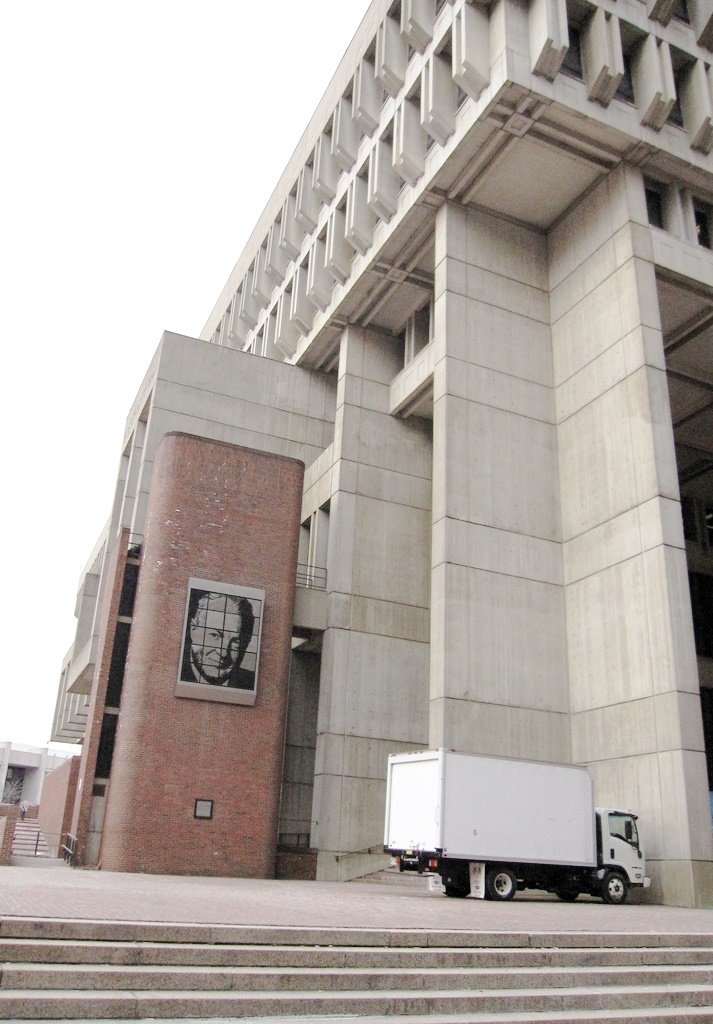
- Boston City Plaza A revitalized urban space reflecting White’s vision
These locations provide rich photographic opportunities, especially with the statue’s dynamic pose set against Boston’s historic architecture.
Historical Context and Kevin White’s Legacy
Kevin Hagan White (1929–2012) was a transformative figure in Boston politics. Elected mayor in 1967 at 38, he brought youthful energy and progressive vision to a city facing economic decline and social unrest (Wikipedia). White’s leadership spanned turbulent decades, including the civil rights era and the court-ordered desegregation of Boston’s public schools.
His administration prioritized urban renewal, restoring neglected areas such as Quincy Market and supporting major infrastructure improvements. White was known for fostering unity during challenging times, particularly amid the school busing crisis, and for his commitment to community engagement, youth programs, and cultural celebrations (Dayhist; Irish Star).
The statue’s presence on the Boston Irish Heritage Trail also reflects White’s Irish-American heritage and the significant role played by Irish Americans in the city’s history (Boston Irish Tourism Association).
Artistic Vision and Symbolism
Created by Pablo Eduardo, the statue is intentionally larger than life—ten feet tall and imbued with movement. White is depicted mid-stride, tie slightly askew and jacket slung casually over his shoulder, symbolizing his hands-on, approachable leadership (Irish Boston; Flickr).
Interactive Features:
- Bronze footprints embedded in the plaza invite visitors to “walk in White’s steps,” creating a tangible connection between past and present (ASLA).
- Inscriptions of White’s inaugural address quotes on surrounding granite highlight his vision for a better Boston.
The statue is integrated with the landscape: historic wharf cobblestones and modern granite pavers map Boston’s evolving shoreline, while shaded seating areas encourage reflection (ASLA).
Visitor Experience and Engagement
- Educational Opportunities Informational plaques and QR codes provide historical context. Many guided walking tours of Boston’s historic district include the statue as a highlight (Trip.com).
- Photography The statue’s posture, expressive detail, and backdrop make it a favorite for photographers.
- Atmosphere The area is lively, safe, and blends history with modern urban energy. Benches and open spaces make it ideal for contemplation or people-watching.
- Accessibility Fully wheelchair accessible, with public restrooms and amenities at Faneuil Hall Marketplace.
Practical Tips for Your Visit
- No Admission Fee The statue is always free to visit.
- Best Season Spring and fall offer the most comfortable weather (New England and Beyond).
- Safety The area is well-patrolled and safe, but keep personal belongings secure during busy times.
- Dining & Shopping The North End and Faneuil Hall offer diverse food and shopping options. Some eateries prefer cash—check ahead.
FAQs
Q: What are the visiting hours for the Statue of Kevin White?
A: The statue is outdoors and accessible 24/7, year-round.
Q: Is there a ticket or fee?
A: No, visiting is completely free.
Q: Is the statue wheelchair accessible?
A: Yes, with smooth, level walkways and ramps.
Q: Are guided tours available?
A: Yes, many Boston walking tours include the statue; self-guided maps are also available (Boston Irish Tourism Association).
Q: Are there special events at the statue?
A: While no regular events are held at the statue itself, Faneuil Hall frequently hosts performances and festivals.