About the Statue of John Endecott
Commemorating a pivotal Puritan governor, the Statue of John Endecott stands as a testament to early New England’s religious and political history. Endecott’s tenure was marked by both foundational governance and controversial policies, making the monument a focal point for both admiration and reflection.
Locations and Accessibility
The Statue of John Endecott is featured in several prominent Boston locations, including:
- Commonwealth Avenue Mall (Back Bay) A tree-lined promenade hosting a series of statues, easily accessible via the Green Line (Hynes Convention Center or Kenmore stations) (Commonwealth Ave – New England and Beyond).
- Forsyth Park (Fenway) Adjacent to the Museum of Fine Arts and the Fens, accessible from the Green Line (Northeastern University stop).
- Granary Burying Ground (Downtown) Historic cemetery on Tremont Street, near Park Street Station.
- North End At the intersection of Endicott and Cross Streets, near Haymarket Station (Oure Escape Clause).
All sites are wheelchair accessible with paved paths and public benches. Most locations are within walking distance of public transportation and other major attractions.
Visiting Hours and Admission
- Hours All statues are outdoors and accessible 24 hours a day, year-round. Daytime visits are recommended for safety and best viewing.
- Admission Free; no tickets are required.
Guided Tours and Events
While there are no dedicated guided tours focusing solely on the Statue of John Endecott, the monument is commonly included in broader walking tours of Boston’s historical sites, such as the Freedom Trail, Back Bay, or the North End. Digital self-guided tours are available through resources like the Audiala app.
Seasonal events, commemorations, and community gatherings sometimes take place in these parks, especially during local festivals or historical anniversaries.
Nearby Attractions
Depending on the statue’s location, notable nearby destinations include:
- Boston Common & Public Garden America’s oldest public park.
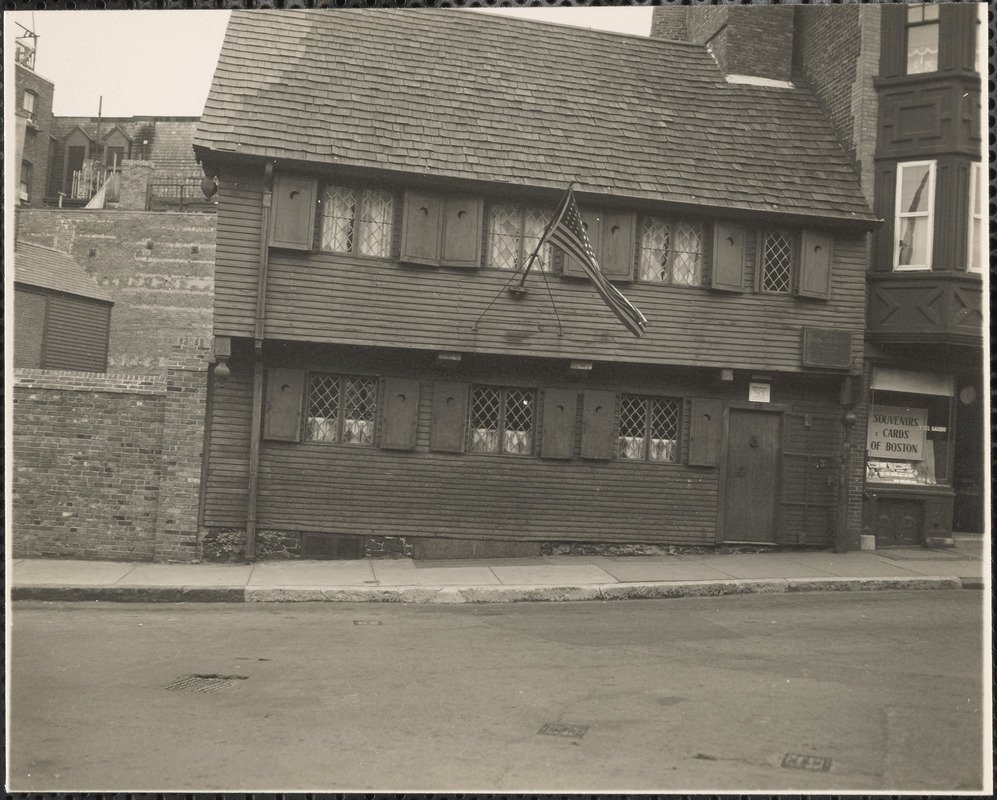
- Paul Revere House & Old North Church (North End) Anchor sites on the Freedom Trail.
- Museum of Fine Arts & Isabella Stewart Gardner Museum (Fenway) Major art institutions next to Forsyth Park.
- Faneuil Hall Marketplace & King’s Chapel (Downtown) Historic and cultural hubs.
- Copp’s Hill Burying Ground A 17th-century cemetery in the North End.
Cafes, bakeries, and restaurants abound, especially in the North End’s Italian district (That’s What She Had).
Visitor Tips
- When to Visit Spring and fall offer mild weather and fewer crowds. Early mornings or late afternoons provide optimal lighting for photography.
- Getting There Use the MBTA’s Green or Orange Lines. Parking is limited; public transit is recommended.
- Accessibility All sites are wheelchair accessible; benches and paved paths available.
- Restrooms Available at nearby museums, attractions, or cafes—none at the statue sites themselves.
- Photography Early or late in the day offers the best light. Be mindful of foot traffic.
- Food Enjoy North End bakeries or Fenway eateries before or after your visit.
Historical Significance
John Endecott (c. 1588–1665) was Massachusetts Bay Colony’s longest-serving governor and a key figure in establishing colonial governance and Puritan religious codes. His leadership was instrumental in the colony’s early survival and expansion, but his legacy is also marred by rigid enforcement of orthodoxy and violent campaigns against Indigenous peoples (American Genocide: The Mystic Massacre of 1637). The statue stands as a reminder of the complexities and contradictions in Boston’s colonial history.
Artistic Design and Symbolism
- Sculptor C. Paul Jennewein (with contributions by architect Ralph Weld Gray in Forsyth Park).
- Style Beaux-Arts tradition—classical forms, realistic detail, and a focus on individual heroism.
- Materials Bronze (Commonwealth Avenue Mall, North End) or white granite (Forsyth Park), on granite pedestals.
- Depiction Endecott is portrayed in Puritan dress, standing upright, hand on sword, projecting resolve and leadership. Inscriptions include his name, years of service, and historical quotes.
- Symbolism The sword and attire signify his strict leadership and military role. The statue’s location among Boston’s other founders places Endecott in the broader narrative of New England’s development (Commonwealth Ave – New England and Beyond).
Reception and Contemporary Debates
Initially celebrated as a tribute to Boston’s Puritan founders, the statue’s meaning has evolved. Recent years have seen renewed scrutiny of colonial figures, particularly regarding their roles in Indigenous displacement and violence. In 2020, activists highlighted these controversies by marking the Forsyth Park statue with “#LandBack,” prompting calls for additional interpretive signage or relocation to museum settings. The city’s policy has been to “retain and explain”—maintaining the statue while providing broader context (American Genocide: The Mystic Massacre of 1637).
Visitor Experience and Accessibility
- Setting Whether in a bustling urban park or a tranquil promenade, the statue is set amidst greenery and benches, inviting both reflection and rest.
- Signage Some sites have interpretive plaques; others rely on digital or printed resources for deeper context. QR codes and apps like Audiala can enhance your visit with audio tours and historical background.
- Preservation Boston’s Parks and Recreation Department oversees regular cleaning and conservation, with periodic restoration to address weathering and vandalism.
Special Events & Photography
- Events Neighborhood festivals (such as Saint Anthony’s Feast in the North End) often occur near the statue. Educational programs and community gatherings are common in Forsyth Park and along Commonwealth Avenue Mall.
- Photography Capture the monument against the cityscape or garden backdrops, especially during spring bloom or fall foliage.
Frequently Asked Questions (FAQ)
Q: What are the visiting hours for the Statue of John Endecott?
A: All locations are outdoors and accessible 24/7; daylight hours are best for safety and photos.
Q: Is there an admission fee or ticket required?
A: No, all sites are free and open to the public.
Q: Is the statue wheelchair accessible?
A: Yes, paved paths and benches are available at all main locations.
Q: Are guided tours offered?
A: The statue is included in many broader walking tours and is featured in self-guided digital tours.
Q: Where are the best places to park?
A: Public parking is limited; use MBTA public transit when possible. Parking garages are available near the North End (Government Center or Parcel 7), Fenway, and Back Bay.
Summary and Visitor Recommendations
The Statue of John Endecott, visible in several prominent Boston locations, invites visitors to reflect on the city’s colonial roots while engaging with the complexities of historical memory. Its artistic merit and central placement make it a must-see for anyone exploring Boston’s heritage. Enhance your visit by combining the statue with nearby historical landmarks, guided tours, and the city’s renowned culinary offerings. For up-to-date information, interactive maps, and audio guides, download the Audiala app and consult official tourism platforms (Visiting the Statue of John Endecott in Boston: History, Hours, and Tips, Statue of John Endecott Visiting Hours, Tickets, and Visitor Guide).