Plan and listen to Statue Of Benjamin Franklin with Audiala.
Audio guide in your pocket, itinerary in your browser. Built for the way you actually visit.
Introduction
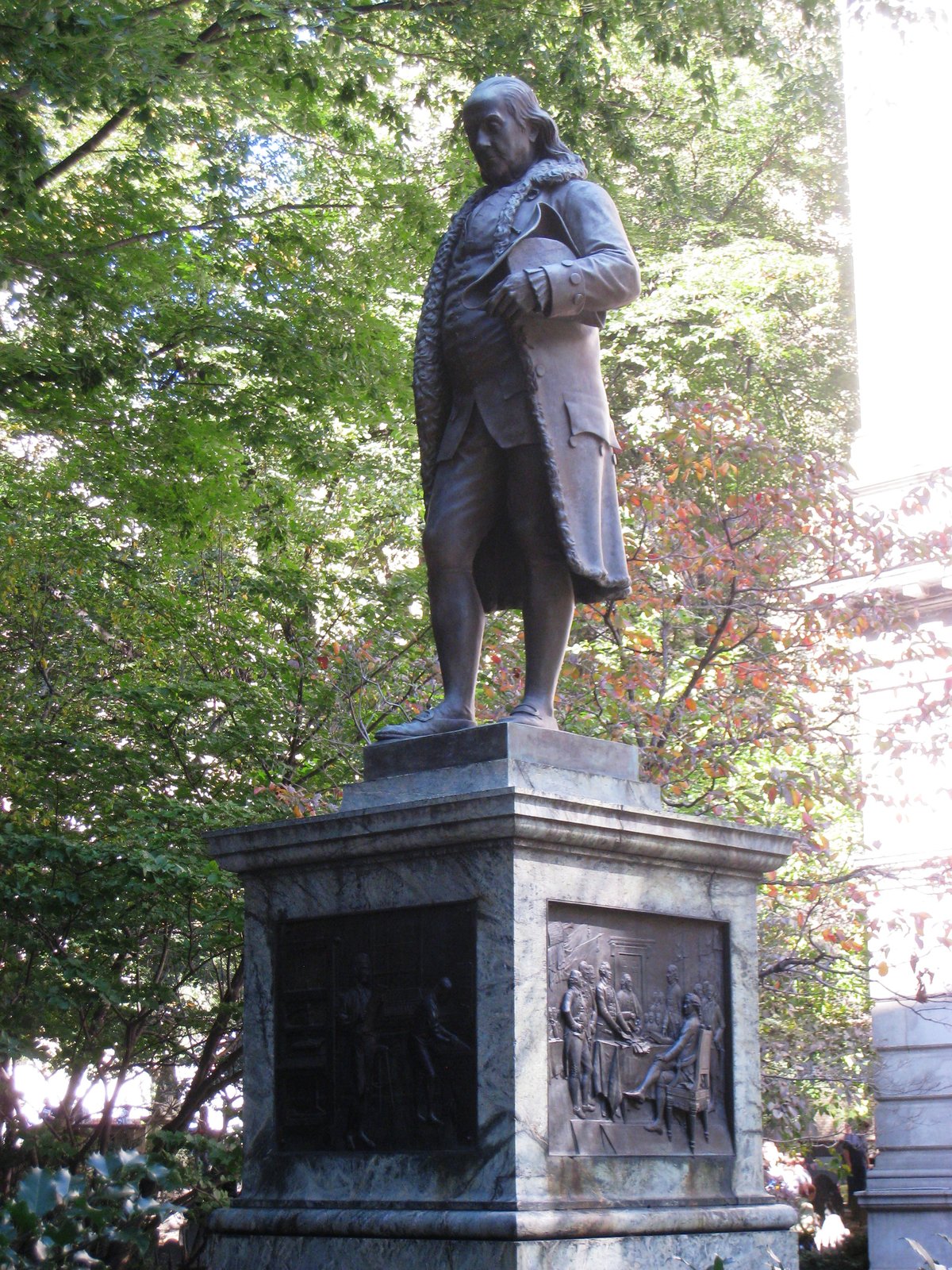
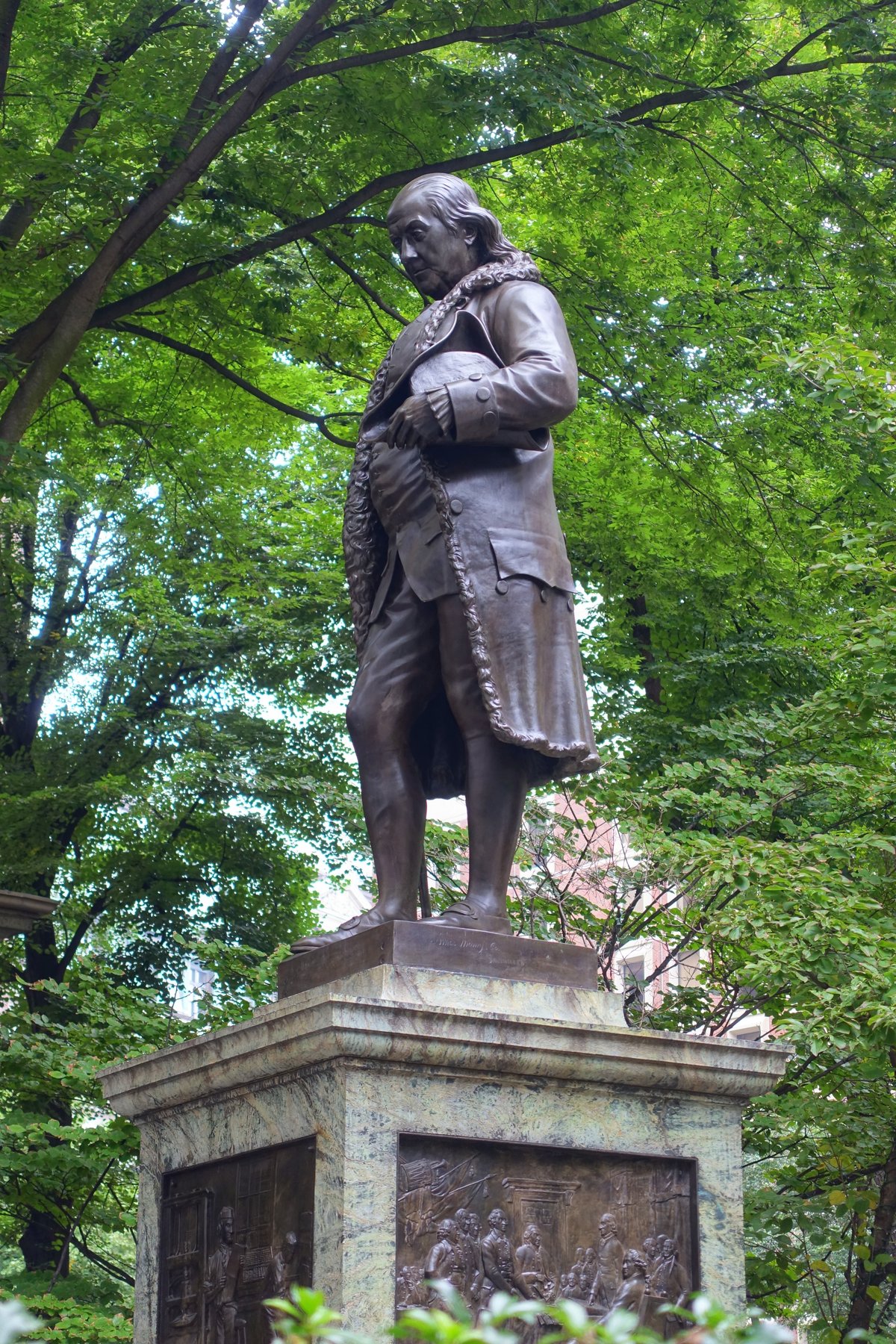
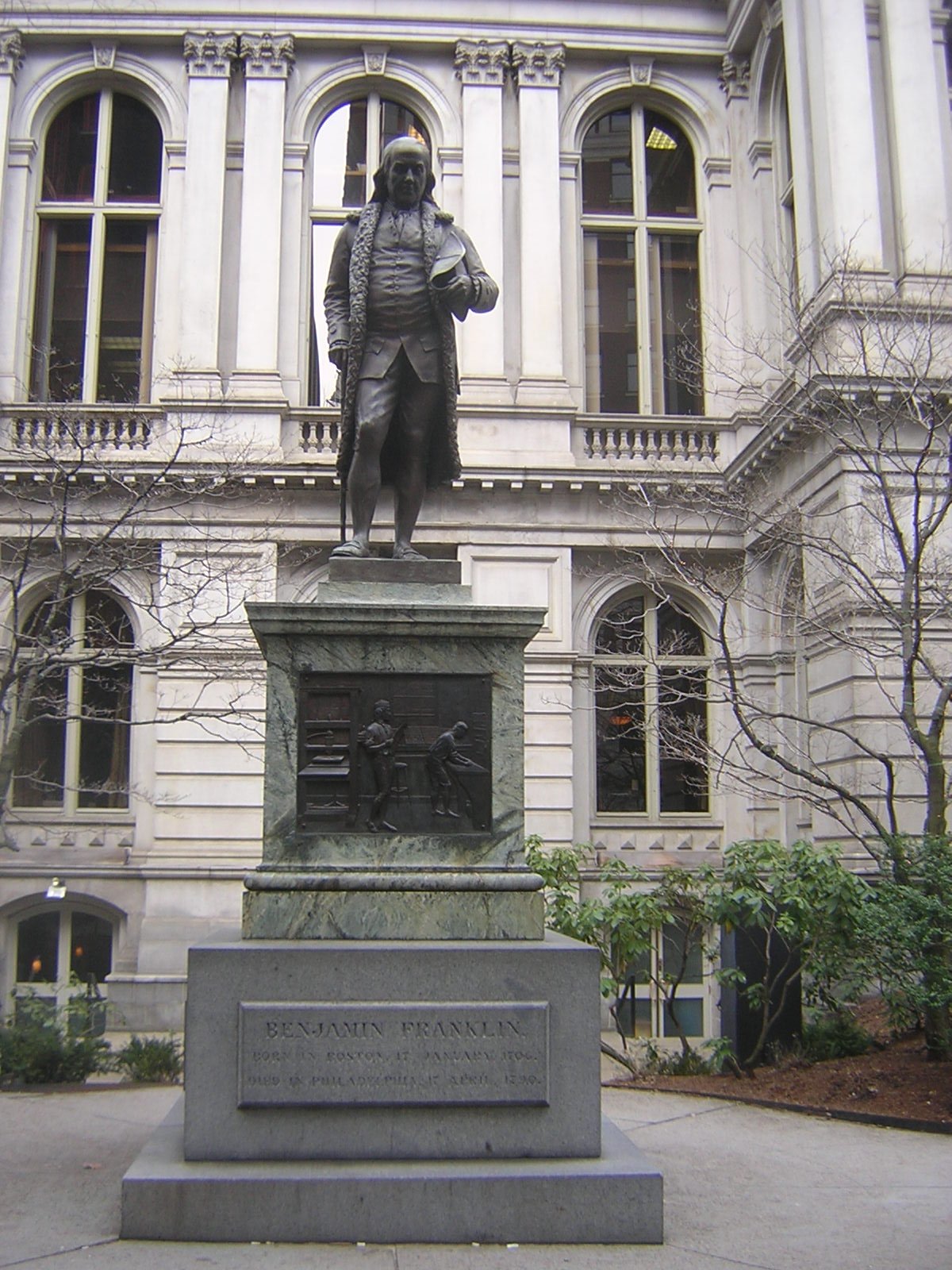
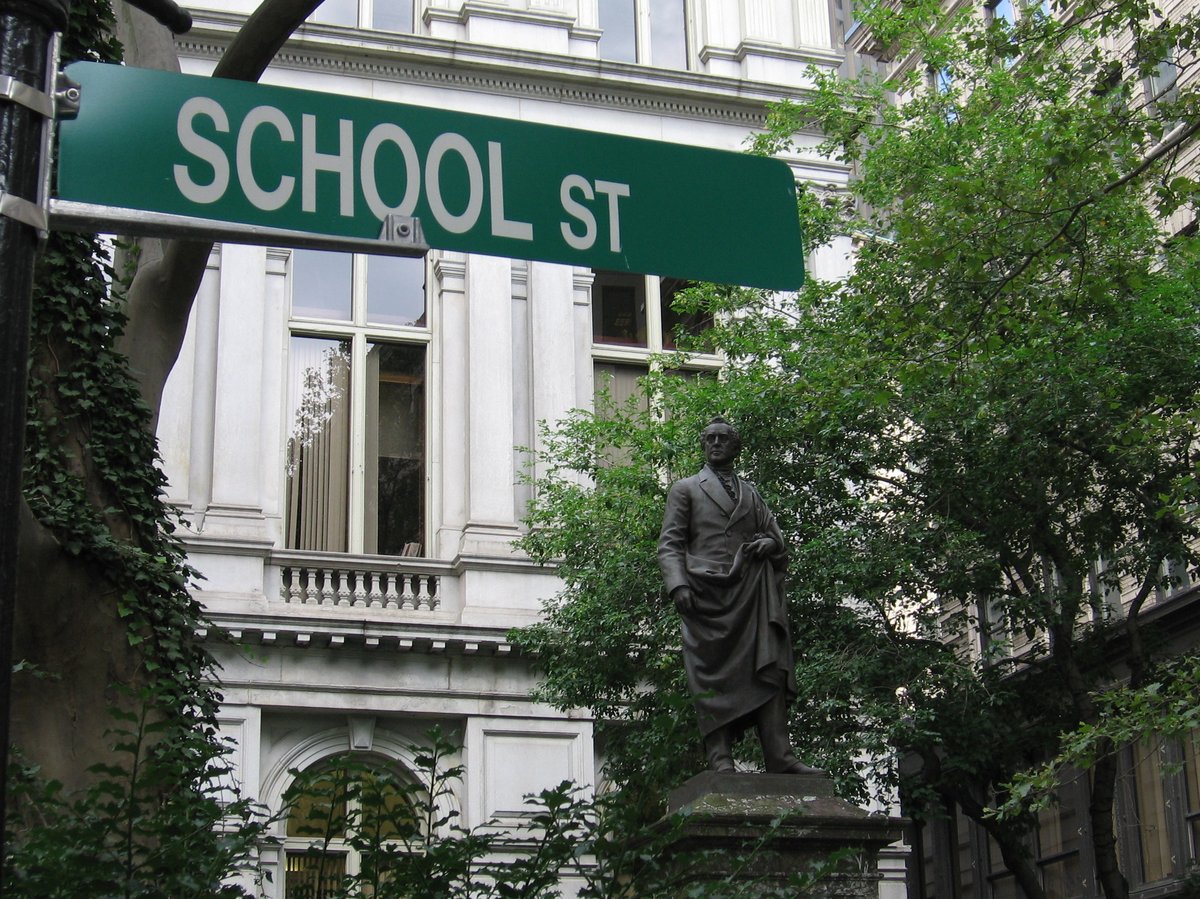
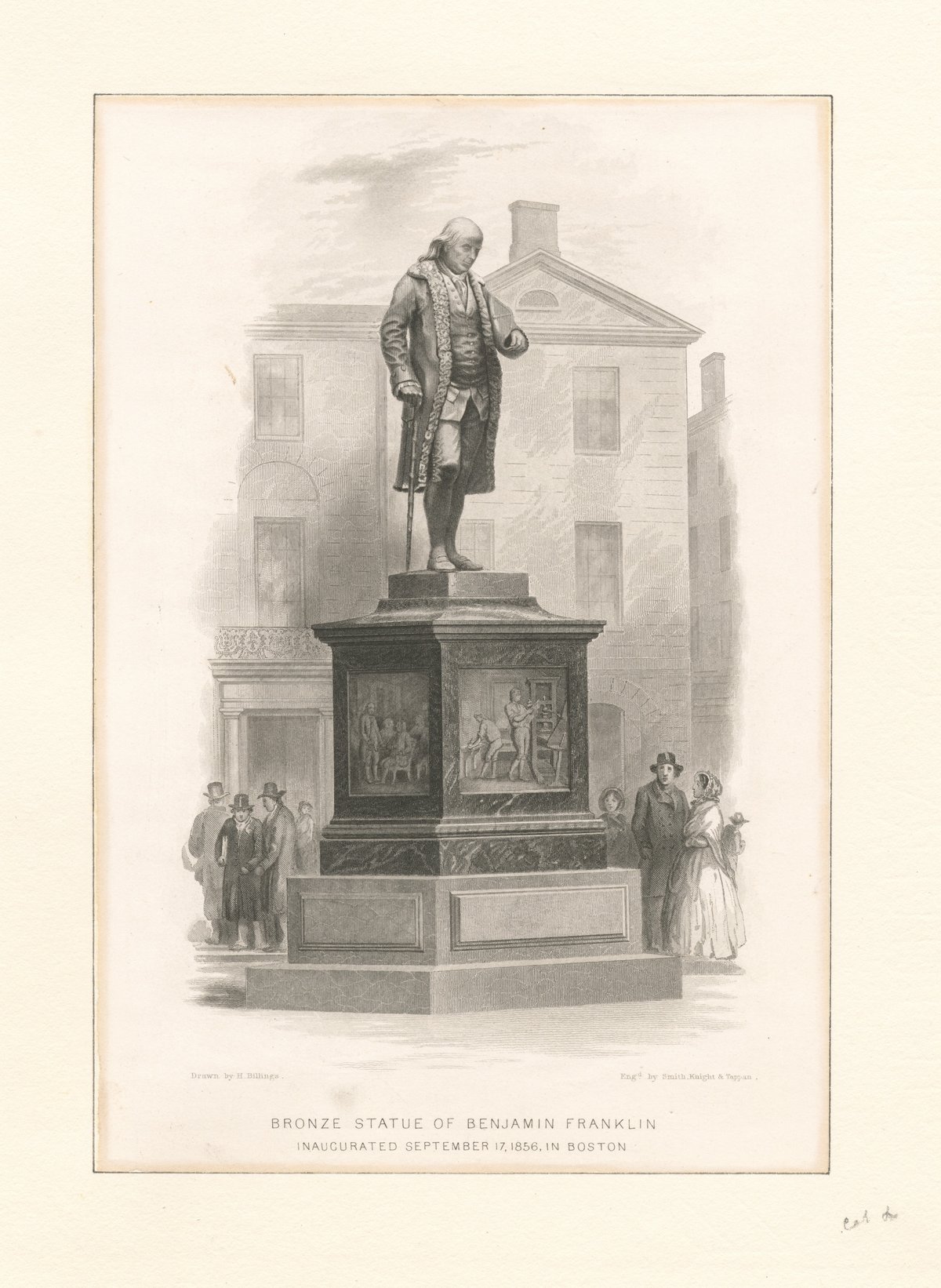
The Benjamin Franklin Statue in Boston stands as a powerful tribute to one of America’s most innovative and influential Founding Fathers. Located at 45 School Street, on the former site of the Boston Latin School, this monument is not only Boston’s oldest portrait statue but also a prominent feature of the city’s historic landscape, situated along the famed Freedom Trail. Sculpted by Richard Saltonstall Greenough and dedicated in 1856, the statue is an enduring symbol of Franklin’s legacy in science, diplomacy, education, and civic engagement. Visitors to this free and accessible outdoor site can appreciate both its artistic mastery and its rich historical context, making it a must-see for tourists, students, and history enthusiasts alike (Celebrate Boston; Wikiwand; The Freedom Trail Foundation).

Historical Origins and Placement
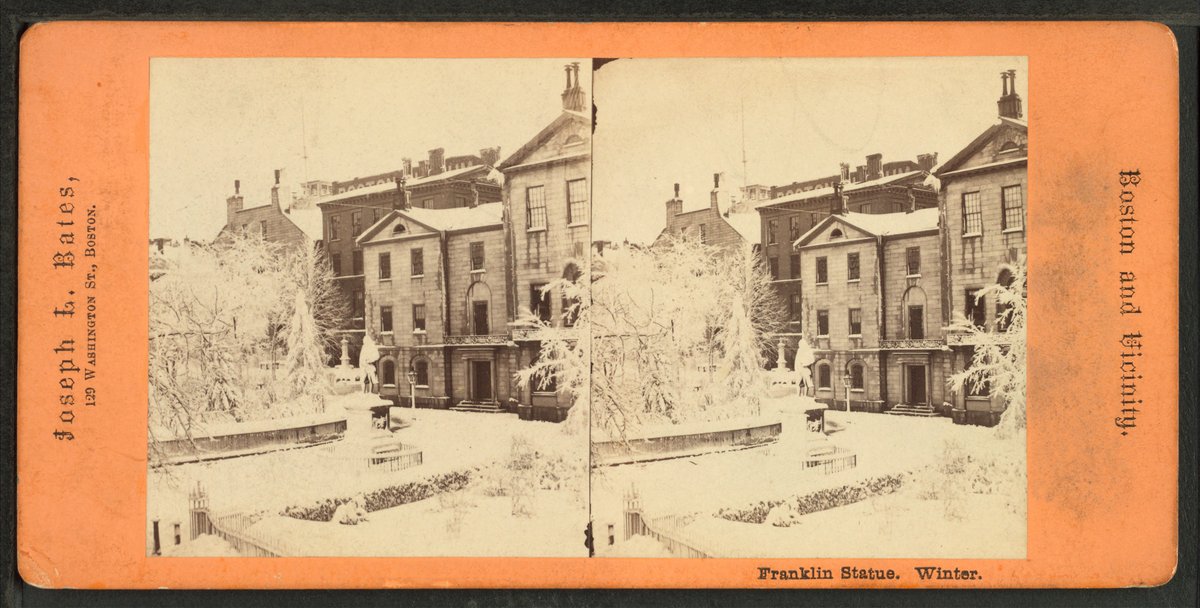
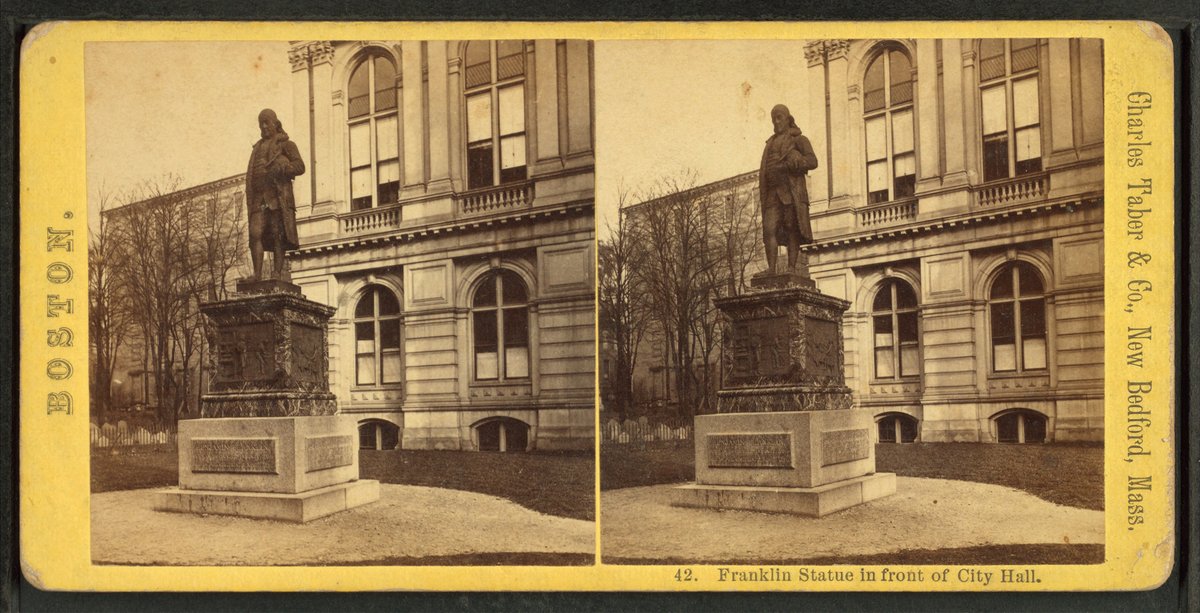
Erected in 1856 to mark the 150th anniversary of Franklin’s birth, the statue was Boston’s first public portrait monument and among the earliest in the United States. Its location at the site of the Boston Latin School—a place Franklin attended—adds deep historical resonance. The statue’s initial placement was in front of Bulfinch’s Court House, but it now stands prominently outside Old City Hall, a striking French Second Empire-style building, enhancing its significance within Boston’s architectural and civic fabric (Celebrate Boston; Wikiwand).
Benjamin Franklin’s Boston Roots
Though Franklin is widely associated with Philadelphia, he was born and raised in Boston, apprenticed as a printer under his brother, and attended Boston Latin School. These formative years shaped his intellectual curiosity and lifelong advocacy for self-education and public service. The statue’s placement along the Freedom Trail, near other vital sites such as Old City Hall, King’s Chapel, and Granary Burying Ground, highlights Boston’s pivotal role in Franklin’s personal and professional development (Celebrate Boston; The Freedom Trail Foundation).
Artistic Features and Symbolism
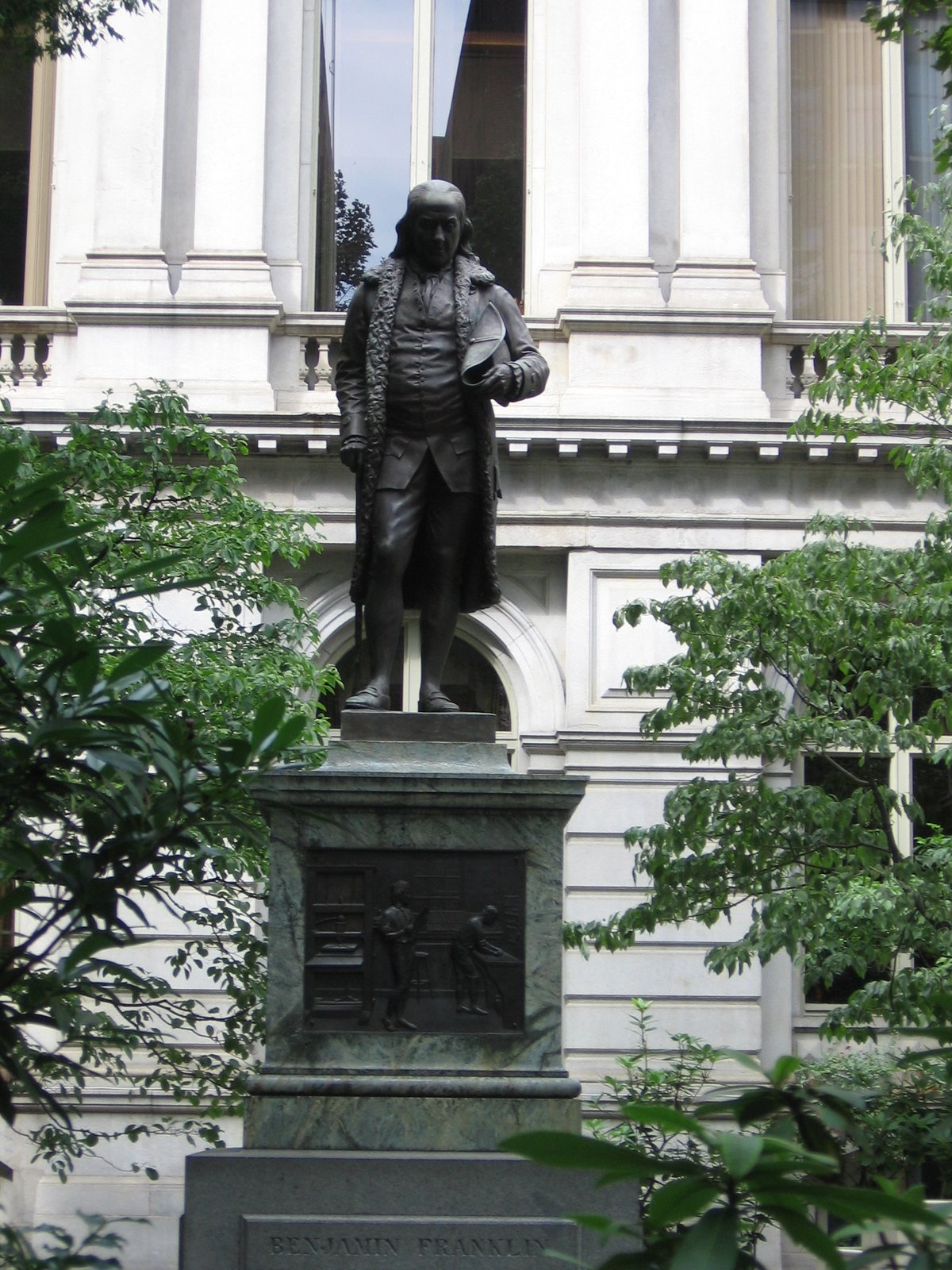
Richard Saltonstall Greenough’s depiction of Franklin is both stately and approachable. The bronze statue stands approximately 8 feet 4 inches tall atop a granite and marble pedestal over 9 feet in height, making it an imposing presence in the public plaza (Wikiwand). Franklin is attired in period-appropriate 18th-century clothing, holding a scroll—a nod to his achievements as a writer, printer, and statesman.
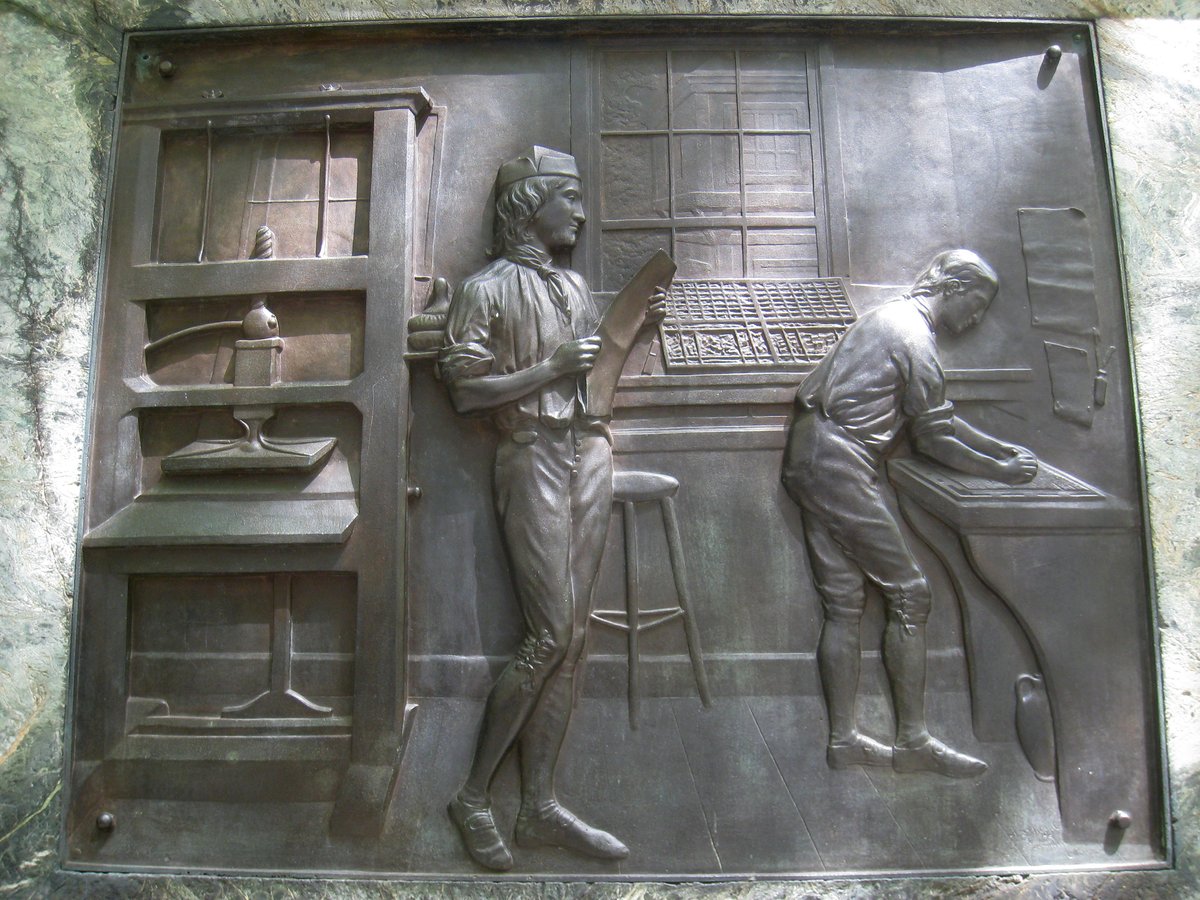
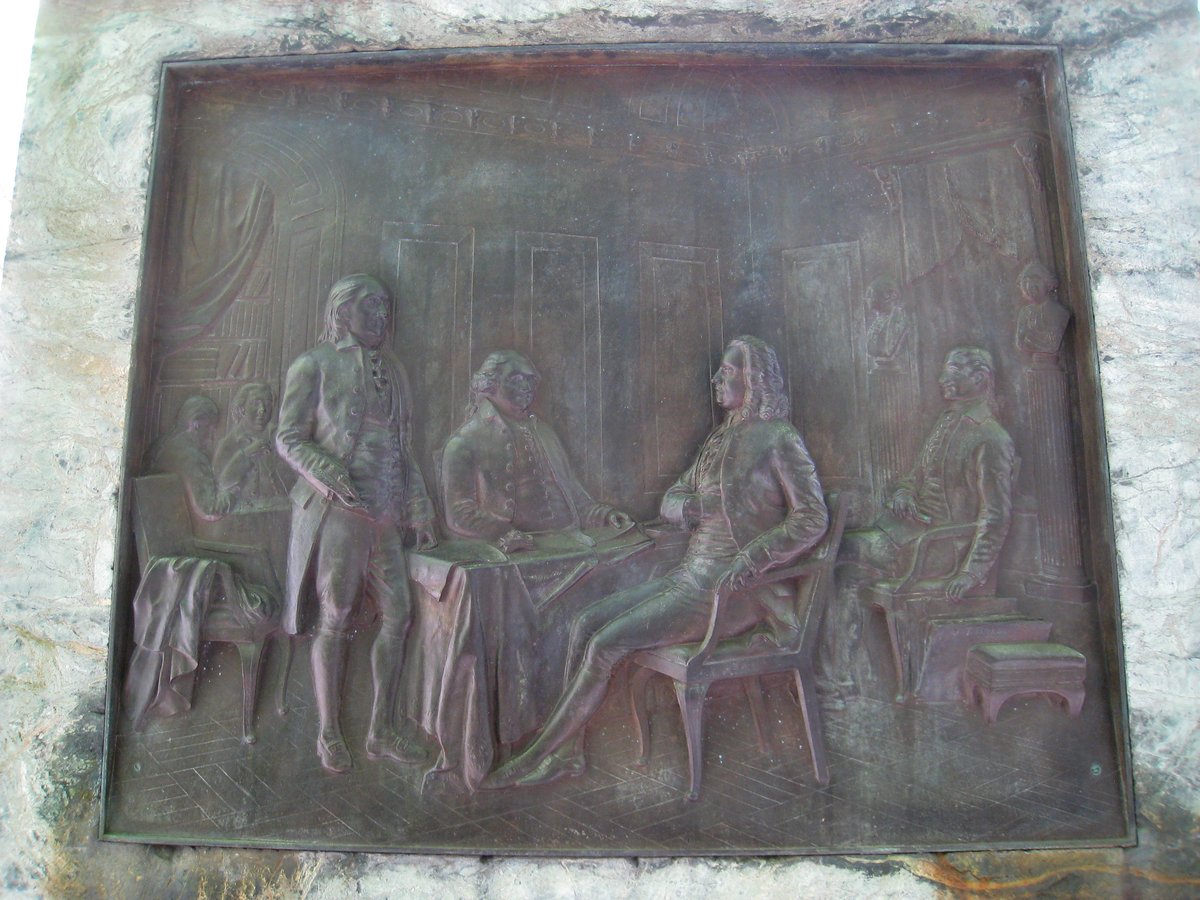
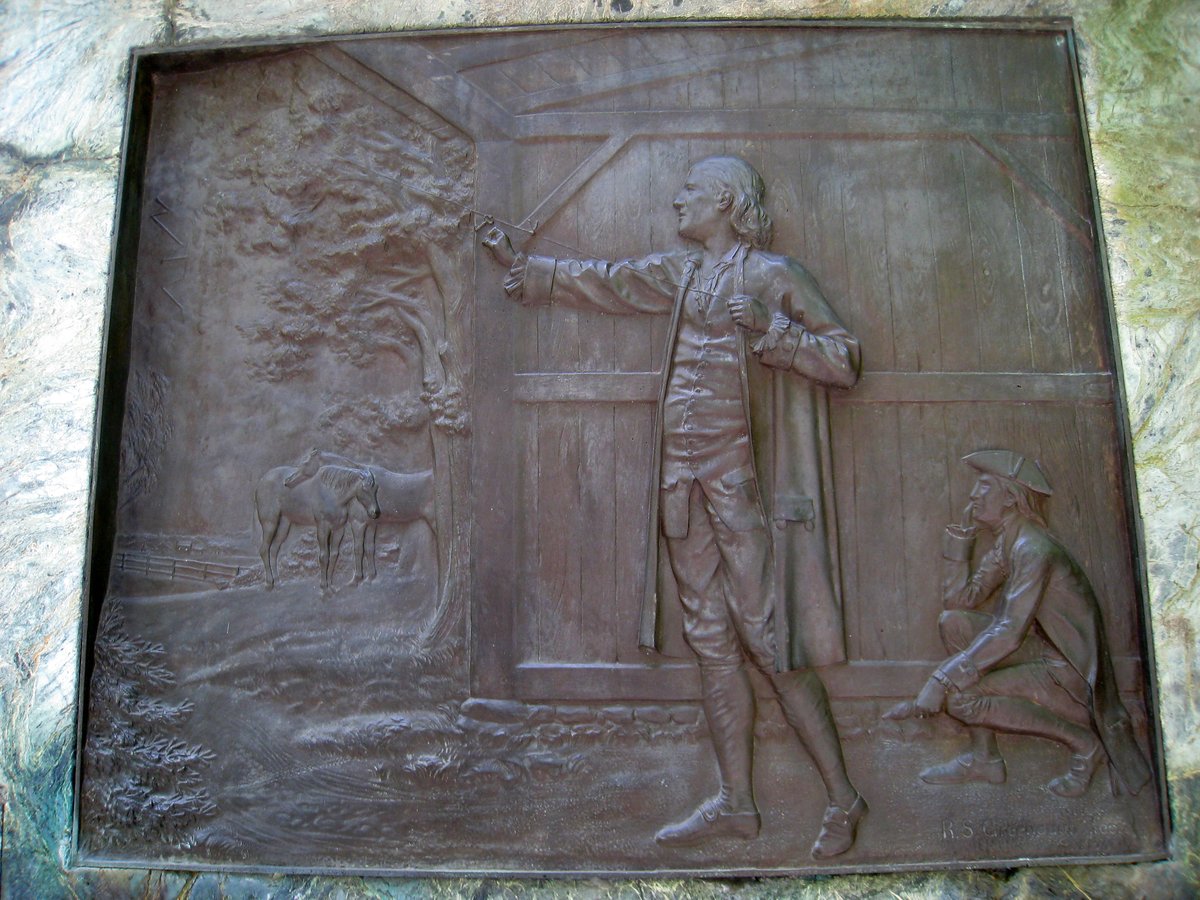
The base is adorned with four detailed bronze relief panels:
- Franklin as a Printer: Illustrating his early career and commitment to free expression.
- Franklin as a Scientist: Depicting the iconic kite and key lightning experiment.
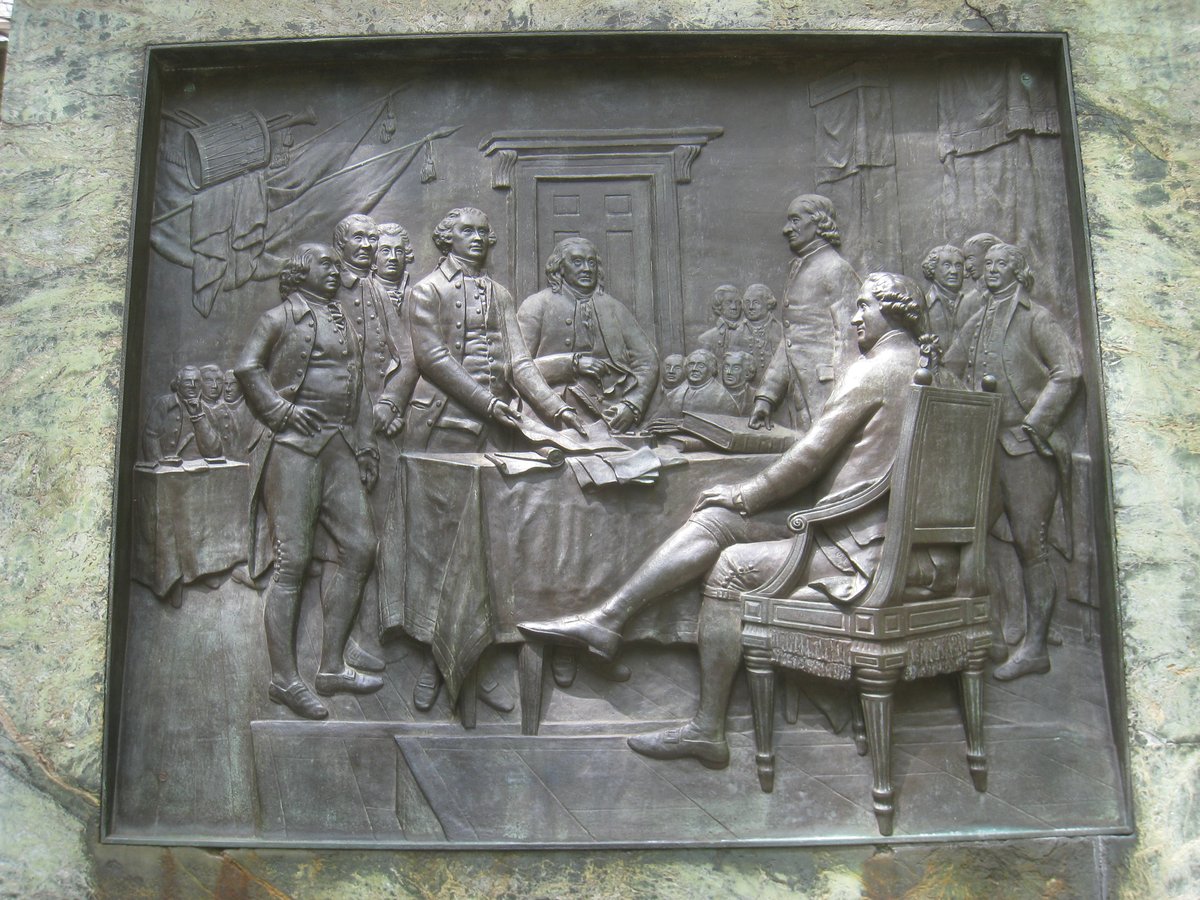
- Signing the Declaration of Independence: Emphasizing his foundational role in American governance.
- Signing the Treaty of Paris: Marking his diplomatic success in securing American independence.
These reliefs, designed by Greenough and fellow sculptor Thomas Ball, provide a visual narrative of Franklin’s multifaceted contributions (Wikiwand).
Educational and Civic Legacy
The statue’s location at the Boston Latin School site underscores Franklin’s lifelong advocacy for education, libraries, and scientific societies such as the American Philosophical Society. His inventions—including the Franklin stove and bifocals—exemplify his drive to improve everyday life. The monument thus serves as both an educational tool and a symbol of Boston’s enduring commitment to civic virtue and intellectual growth (Celebrate Boston).
Visiting Information: Hours, Tickets, and Accessibility
- Location: 45 School Street, Boston, MA 02108, in the courtyard outside Old City Hall.
- Visiting Hours: The statue is outdoors and accessible 24/7. For best visibility and safety, visit during daylight hours.
- Admission: Free. No tickets are required.
- Accessibility: The plaza is generally wheelchair accessible, though some pole barricades may present challenges. Visitors with mobility concerns should check current conditions (GoGrit Blog).
- Public Transport: MBTA stations nearby include Park Street (Red/Green Lines) and Government Center (Blue/Green Lines), all within a short walk.
- Parking: Limited metered parking and nearby paid garages (e.g., Pi Alley Garage, Boston Common Garage).
- Tours: The statue is a highlight on many guided and self-guided Freedom Trail tours (The Freedom Trail Foundation; Earth Trekkers; GPSmyCity).
Nearby Attractions and Travel Tips
Nearby Sites:
- Old City Hall
- King’s Chapel and King’s Chapel Burying Ground
- Granary Burying Ground
- Boston Common
Travel Tips:
- Visit in early morning or late afternoon for fewer crowds and better light.
- No restrooms at the site; the Boston Common Visitor Center is the nearest public facility.
- The area is generally safe and well-patrolled.
- The courtyard and statue provide excellent photo opportunities, especially with Old City Hall as a backdrop.
Frequently Asked Questions (FAQ)
Q: What are the visiting hours for the Benjamin Franklin Statue?
A: The statue is outdoors and accessible 24 hours a day, year-round.
Q: Is there an admission fee or need for tickets?
A: No. The statue is free and open to the public.
Q: Is the site wheelchair accessible?
A: Generally yes, but some courtyard features may be challenging for standard-width wheelchairs.
Q: Are guided tours available?
A: Yes. Most Freedom Trail walking tours include this statue as a highlight.
Q: Are there restrooms nearby?
A: The closest public restrooms are at the Boston Common Visitor Center.
Q: Can I take photos at the statue?
A: Yes. Photography is encouraged.
Listen to the full story in the app
The whole Statue Of Benjamin Franklin,
told well.
Audio guides for 1,100+ cities across 96 countries. History, stories, and local insight — offline ready.
Verified, and shown.
Researched and written by the Audiala editorial team from historical records, architectural archives, and local expertise.
Researched from Wikidata, Wikipedia & official sources · fact-checked · How we make our guides →